Cast Iron Pan Smoking So Much? The Oil and Heat Mistakes Behind It
Heavy smoke usually means the wrong oil, too much heat or burnt residue in the pan. Fix those first, then use a high smoke point oil for searing.
By Jamilur Rahman Updated November 5, 2026 · 6 min read
- Time
- 10 min
- Cost
- Under $20
- Difficulty
- Easy
In this guide
Quick answer
Why does my cast iron pan smoke so much? Usually the oil burns at a low temperature, the heat is too high, there is too much oil, or old burnt-on residue is baking in the pan. Preheat on medium, wipe the oil to a thin film, scrub off black residue and run the vent. For high-heat searing, a refined avocado oil handles far more heat before it smokes.
Free fix vs. permanent fix
Lower the heat, thin the oil, clean the pan
- Preheat on medium for 3 to 5 minutes, not on high
- Use 1 to 2 teaspoons of oil and wipe it to a thin film
- Scrub off black, sticky residue before you cook
- Turn on the vent hood or open a window
How long it lasts: Fixes most smoke in everyday cooking with oil you already own. Hard searing will still make some haze.
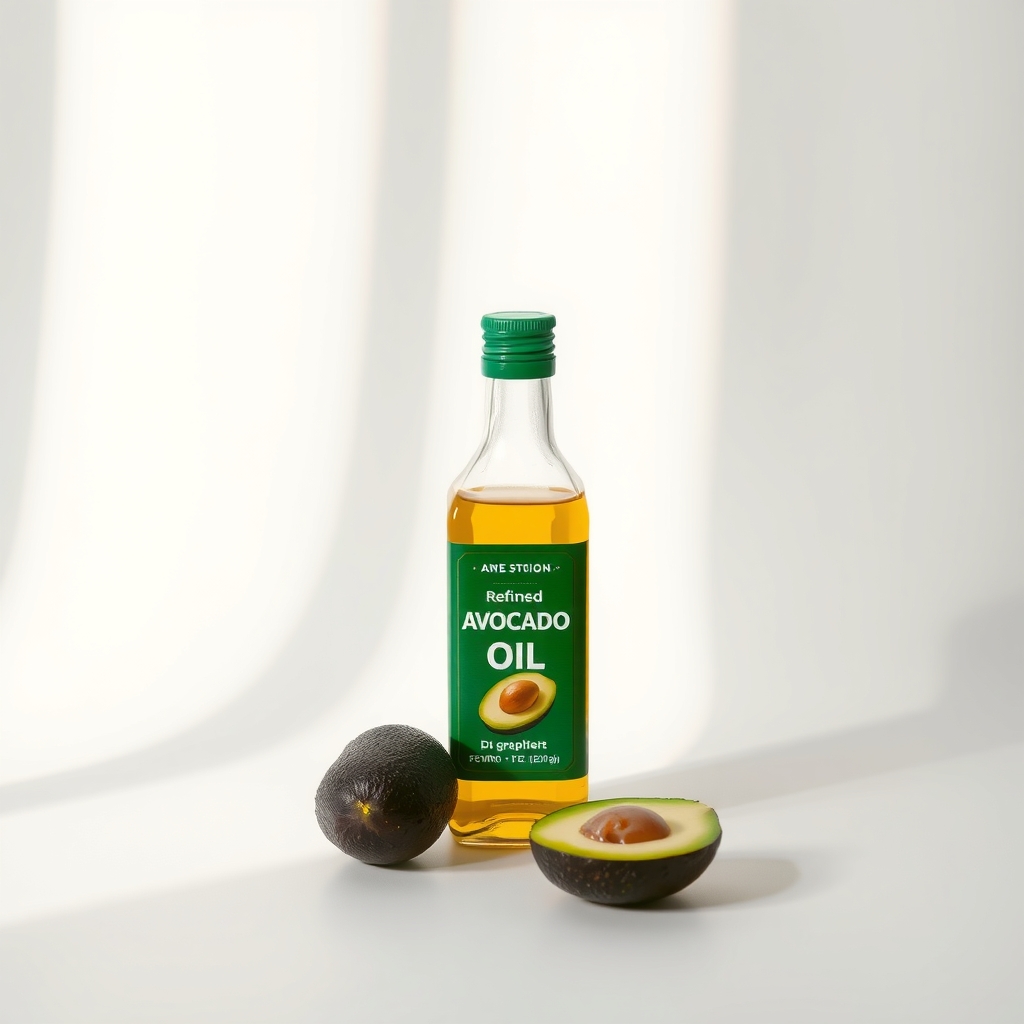
Refined avocado oil for searing
Cast iron holds a lot of heat, and searing pushes oil close to its smoke point. A refined avocado oil is commonly listed at around 500 degrees F, well above butter and extra-virgin olive oil, so it stays calm while you build a crust.
What to get: Refined avocado oil for high-heat cooking
How long it lasts: Every high-heat cook. It smokes at a much higher temperature than butter or olive oil.
As an Amazon Associate I earn from qualifying purchases.
What you'll need
-
Paper towels or a clean cloth
To wipe the oil into a thin film
You have it -
Vent hood or open window
Turn it on before the pan gets hot
You have it -
Canola or vegetable oil
Works for most medium-heat cooking
You have it - Our pick Illustration
Refined avocado oil
Pick refined, not unrefined, for high-heat searing
- Illustration
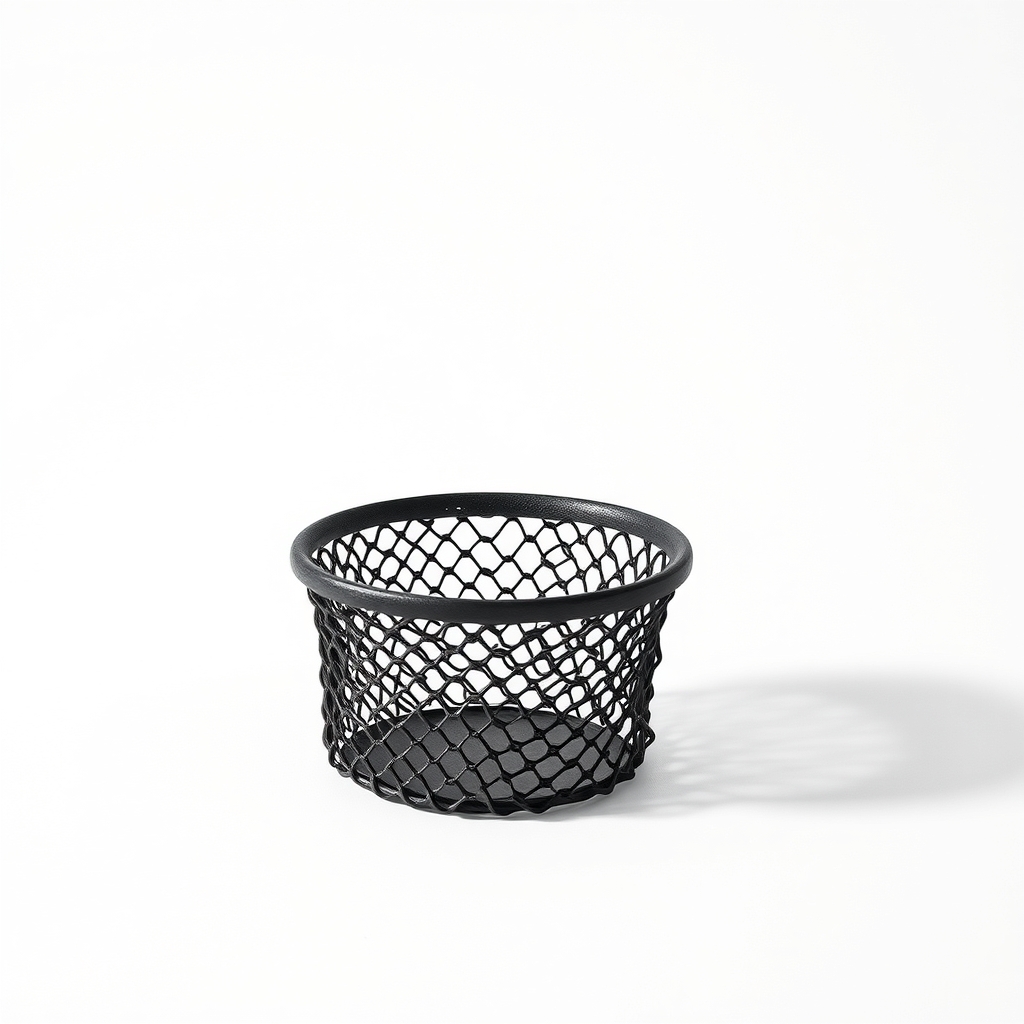
Cast iron chainmail scrubber
Lifts burnt-on bits without stripping the seasoning
Why it happens
An oil that burns too early
Butter smokes at around 350 degrees F, and extra-virgin olive oil often smokes in the 350 to 410 range. A cast iron pan on a hot burner easily goes past that.
Heat set too high
Cast iron heats slowly, but it stores a lot of heat. A pan left on high for several minutes ends up far hotter than the oil can take.
Too much oil
Extra oil pools in the corners and around the rim, where it burns first. It also splatters onto the pan sides and smokes there.
Burnt-on residue
Carbon from old cooking, or a thick, sticky seasoning layer, burns again every time the pan gets hot. That smoke can show up even before the oil does.
Try this first (free)
Do these in order, starting with the simplest.
-
Turn the heat down and give it time
Preheat on medium for 3 to 5 minutes. Add the oil when the pan is warm. When it shimmers, add the food. If it starts to smoke, lift the pan off the heat for 30 seconds and lower the burner.
-
Use less oil and wipe it thin
Tool used: Paper towels or a clean clothUse 1 to 2 teaspoons, then wipe it around with a paper towel until the surface looks glossy, not wet. Oil the food as well if you are searing meat.
-
Pick the right oil for the heat
Tool used: Canola or vegetable oilUse canola, vegetable, grapeseed or refined avocado oil for searing. Save butter and olive oil for lower heat or for adding at the end.
-
Scrub off burnt residue
Tool used: Cast iron chainmail scrubberWhile the pan is still warm, scrub it with hot water and a stiff brush or a chainmail scrubber. Dry it on the burner, then rub in a very thin coat of oil.
IllustrationCheck price on AmazonTool for this step
Cast iron chainmail scrubber · Lifts burnt-on bits without stripping the seasoning
-
Ventilate and switch to a high smoke point oil
Tool used: Refined avocado oilRun the vent hood on high before you start. For regular searing, use a refined avocado oil so the oil does not burn before the crust forms.
IllustrationCheck price on AmazonTool for this step
Refined avocado oil · Pick refined, not unrefined, for high-heat searing
When free fixes aren't enough
If the pan smokes on medium heat even with a thin film of refined oil, the pan itself is the source: sticky seasoning, flaking or thick carbon. Scrub it, then strip and re-season it. Some haze is normal when you sear a steak, and a high smoke point oil keeps it under control. If oil starts to flame, turn off the burner, slide a lid over the pan and leave it until cool. Never use water on an oil fire.
Buy the fix
Still stuck after the free fixes? These are the products we would look at.
| Pick | Product | Fixes | Who it's for | Buy |
|---|---|---|---|---|
| Best pick | Refined avocado oil for high-heat cooking | oil that burns and smokes during high-heat searing | Anyone who sears steaks, burgers or chicken in cast iron often, and gets smoke every time. | Check price |
| Upgrade pick | Cast iron chainmail scrubber | burnt-on residue that smokes every time | Anyone with black bits or sticky patches that a sponge will not lift. | Check price |
Refined avocado oil for high-heat cooking
Fixes: oil that burns and smokes during high-heat searing
Look for: Labeled refined, since unrefined oil smokes at a lower temperature; Pure avocado oil, not a blend with cheaper oils; A sealed bottle with a clear stated smoke point.
- Who it's for
- Anyone who sears steaks, burgers or chicken in cast iron often, and gets smoke every time.
- Honest downside
- You cook at medium heat. Canola or vegetable oil from your pantry does the same job for less.
Cast iron chainmail scrubber
Fixes: burnt-on residue that smokes every time
Look for: A flexible mesh with small links that lies flat on the pan; Stainless steel that does not rust; A shape that cleans the sides and the corners.
- Who it's for
- Anyone with black bits or sticky patches that a sponge will not lift.
- Honest downside
- Your pan has an enamel coating. Metal scrubbers can scratch it.
As an Amazon Associate I earn from qualifying purchases. We don't show prices because they change, so use the button to see today's price.
How we picked: How we picked: this page is based on cast iron care guides, published smoke point ranges for common cooking oils, and the problems and fixes people report in owner reviews. We do not test products by hand.
Why is my cast iron pan smoking? What the smoke tells you
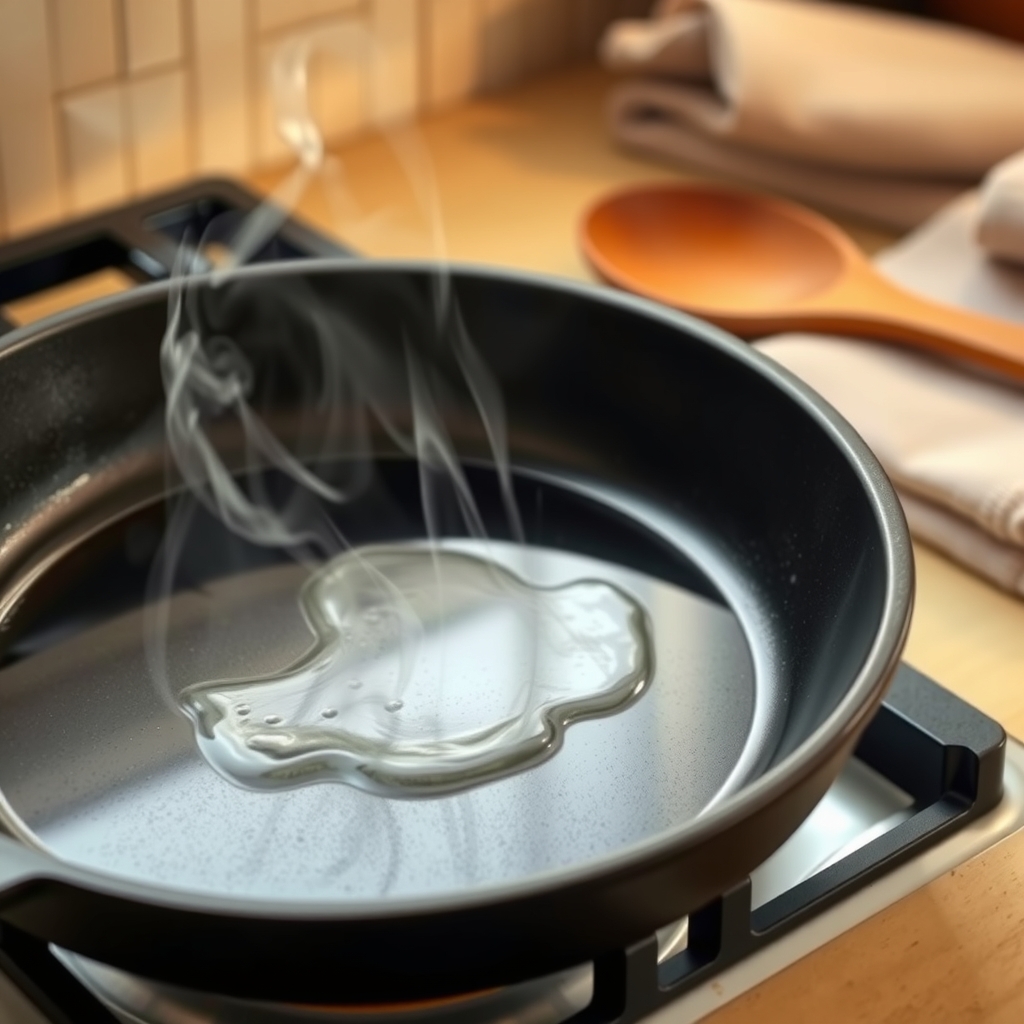
- Thin gray wisps as soon as oil goes in: the oil is past its smoke point, so lower the heat.
- Smoke that continues after you take the food out: burnt residue or sticky seasoning in the pan.
- Smoke when fat drips from food: grease on the pan sides, so wipe the rim.
- Smoke the first few times after seasoning: extra oil still curing, so use less next time.
Smoke points at a glance
Commonly listed figures are roughly 350 degrees F for butter, 350 to 410 for extra-virgin olive oil, 400 to 450 for canola and vegetable oil, and around 500 for refined avocado oil. Brands and refining differ, so treat these as a guide, not a rule.
What to skip
Cranking the burner to high and starting with butter
A hot pan and butter burns in seconds, and the smoke alarm goes off. Searing does not need a blazing pan. Use medium heat, a refined oil and wait for the shimmer, then add butter at the end for flavor.
Frequently asked questions
Why is my cast iron pan smoking so much?
How to stop cast iron pan from smoking?
Cast iron pan keeps smoking even on low heat. Is it ruined?
Cast iron pan too much smoke when I sear steak. Is that normal?
Related problems
 Free fix inside
Kitchen · Cast Iron Pan
Cast Iron Pan Keeps Sticking? Preheat Rules and a Better Spatula
Read the fix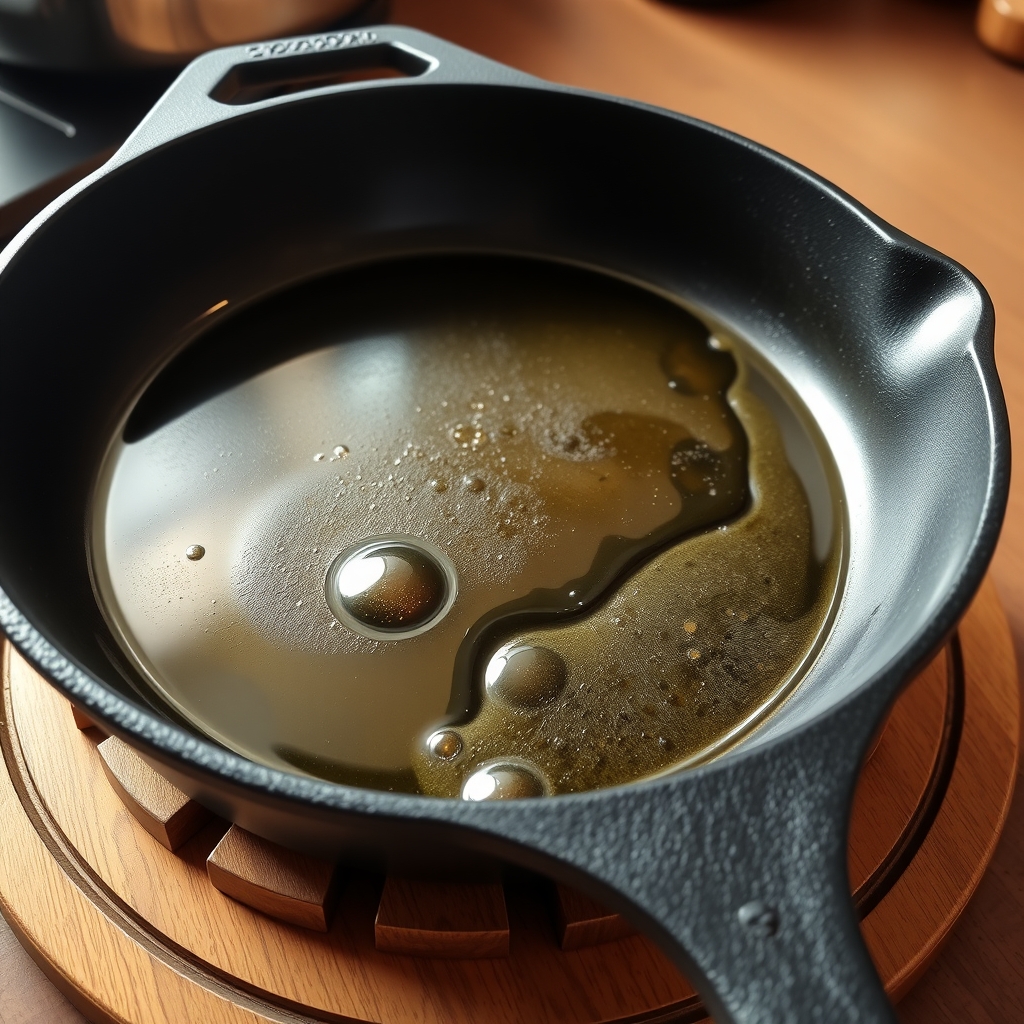 Free fix inside
Kitchen · Cast Iron Pan
Cast Iron Sticky After Seasoning? Too Much Oil: Strip and Redo It
Read the fix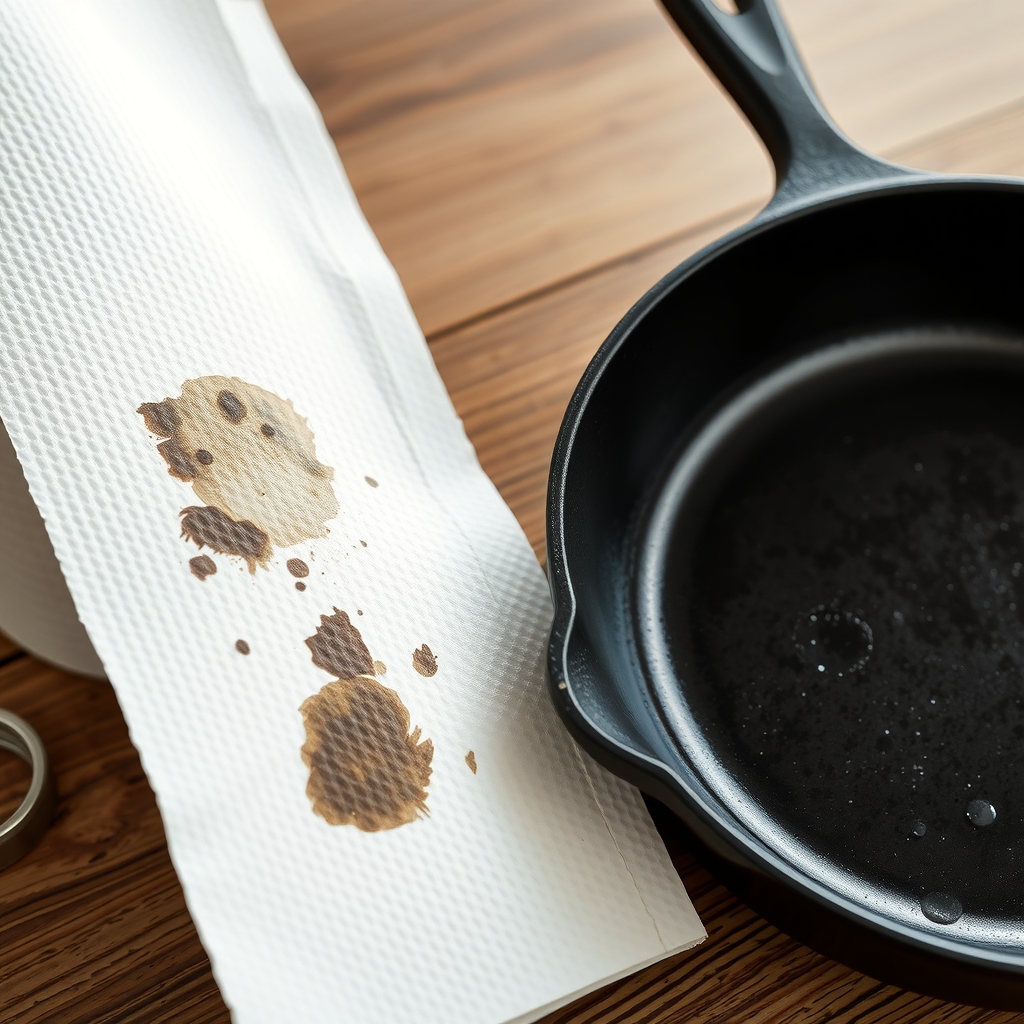 Free fix inside
Kitchen · Cast Iron Pan
Cast Iron Pan Black When Wiped? Seasoning or Flaking: How to Tell
Read the fix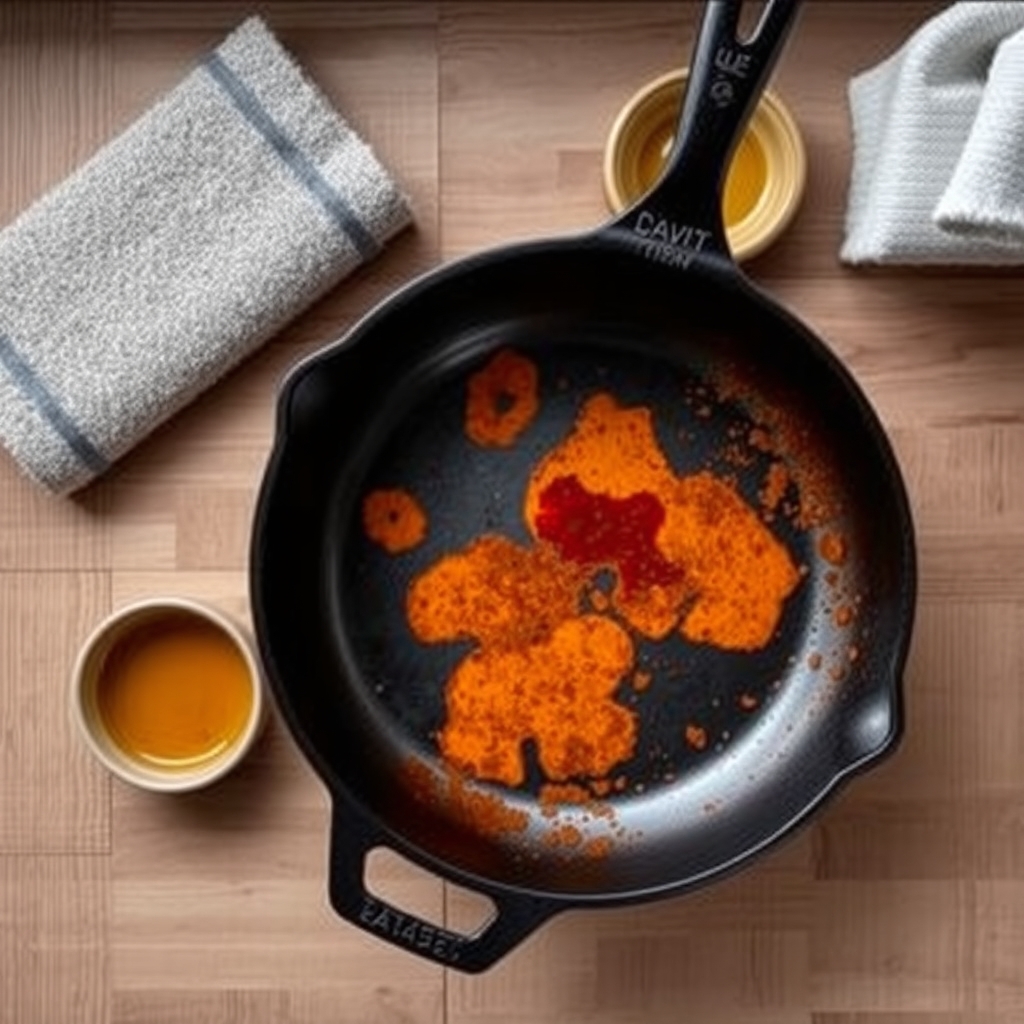 Free fix inside
Kitchen · Cast Iron Pan
Cast Iron Pan Rusting? Restore It in 3 Steps and Keep It Rust-Free
Read the fixAs an Amazon Associate I earn from qualifying purchases. Affiliate disclosure