Non Stick Pan Peeling? Don't Patch It: Safer Pans to Buy Instead
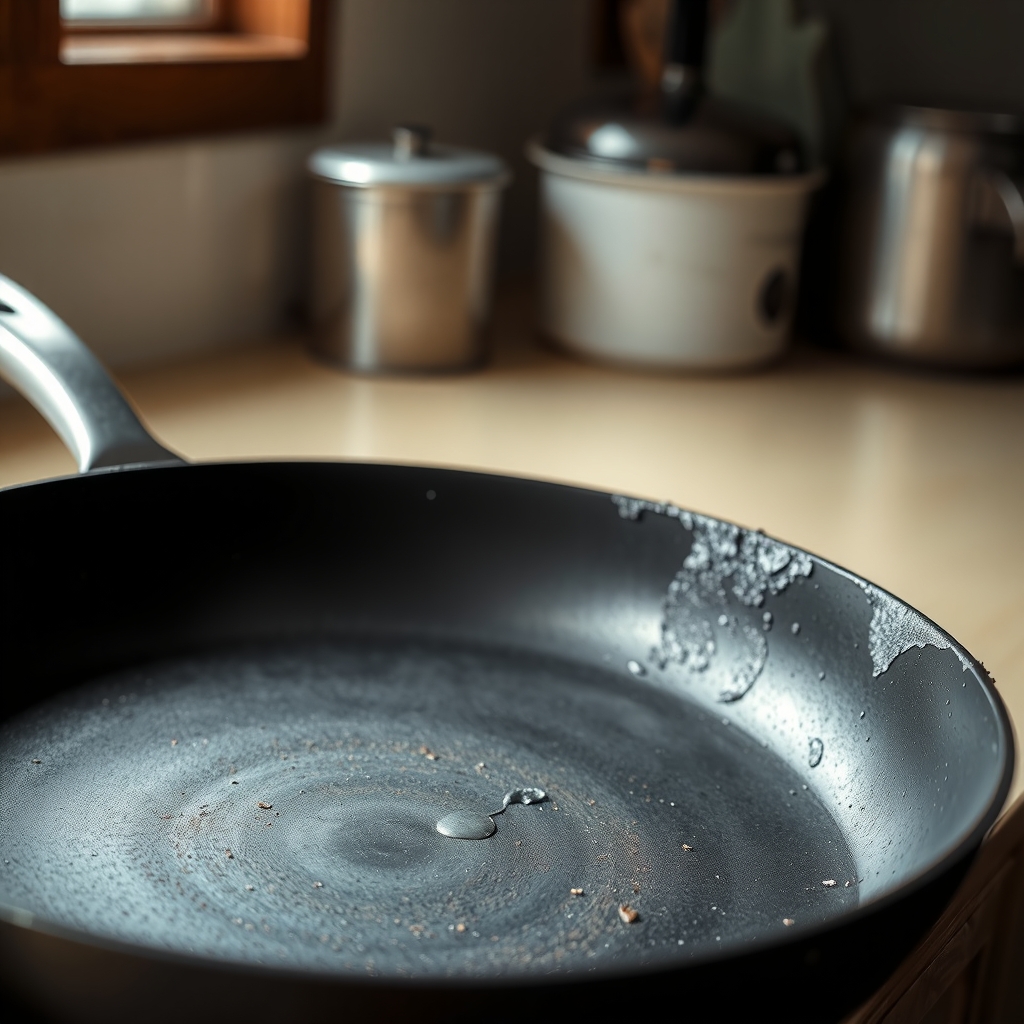
A peeling coating cannot be repaired at home, and a pan that sheds flakes has lost its job. Retire it, cook on what you own, then buy a pan that lasts.
By Jamilur Rahman Updated November 5, 2026 · 7 min read
- Time
- 10 min
- Cost
- $20-$50
- Difficulty
- Easy
In this guide
Quick answer
A peeling nonstick pan cannot be repaired. Re-coating sprays and patches do not give a durable cooking surface. Stop using it, cook on a stainless or cast iron pan you already own, and replace it with a ceramic nonstick pan. Ceramic is PTFE-free but often wears out sooner than people expect, so keep the heat at medium and use soft tools.
Free fix vs. permanent fix
Retire it and cook on what you own
- Stop using the pan once the coating flakes or shows bare metal
- Preheat a stainless or cast iron pan over medium, then add oil
- Never heat any empty coated pan on high
- Skip scrubbing or re-coating; there is no safe repair
How long it lasts: As long as you like, but eggs, fish and crepes stick until you learn to preheat and oil a stainless or cast iron pan.
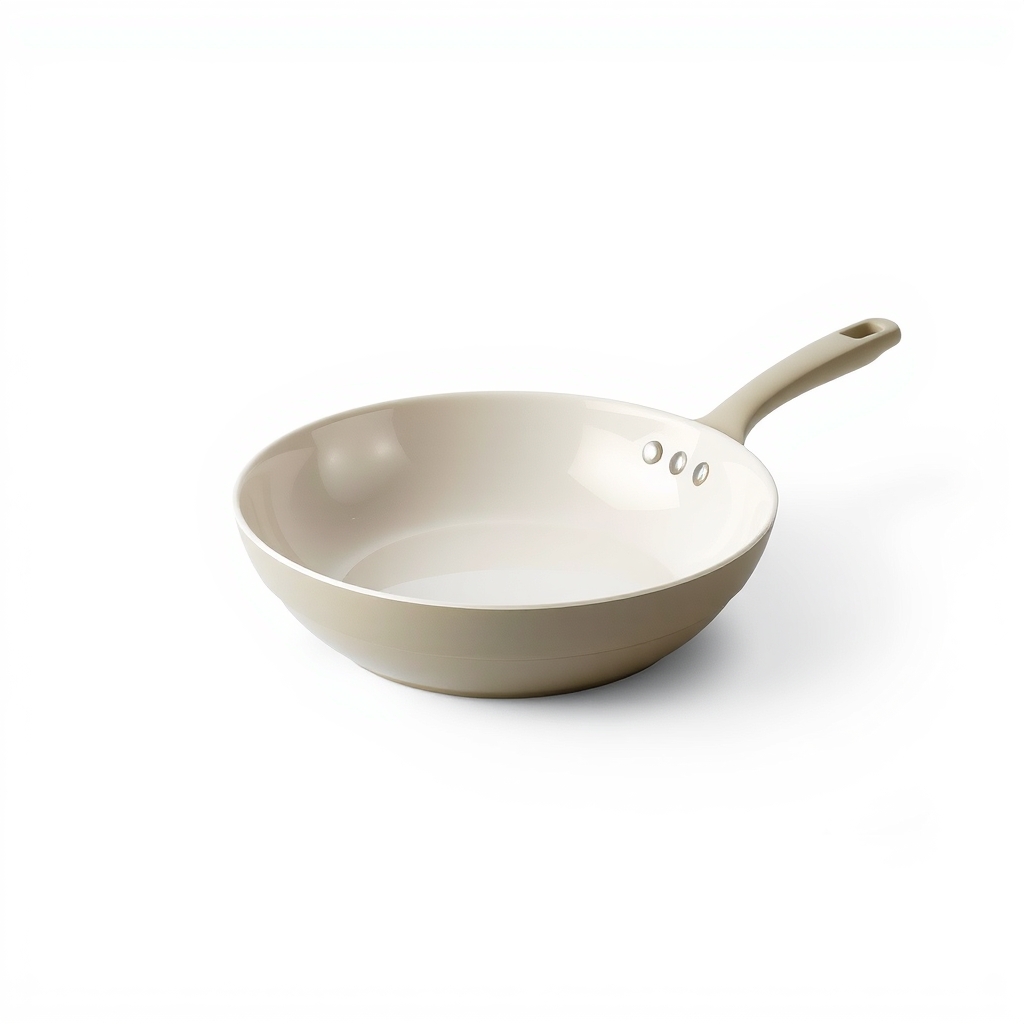
A ceramic nonstick frying pan
A new pan brings back the slick surface you lost. Ceramic coatings contain no PTFE, which many cooks prefer, and they release eggs and fish with very little oil while they are new. Match the pan to your stove and treat it gently.
What to get: Ceramic nonstick frying pan
How long it lasts: Often a year or two of daily use, longer with gentle care. Ceramic wears out, so treat it as a replaceable pan.
As an Amazon Associate I earn from qualifying purchases.
What you'll need
-
Stainless steel or cast iron pan
A stand-in while you shop
You have it - Illustration
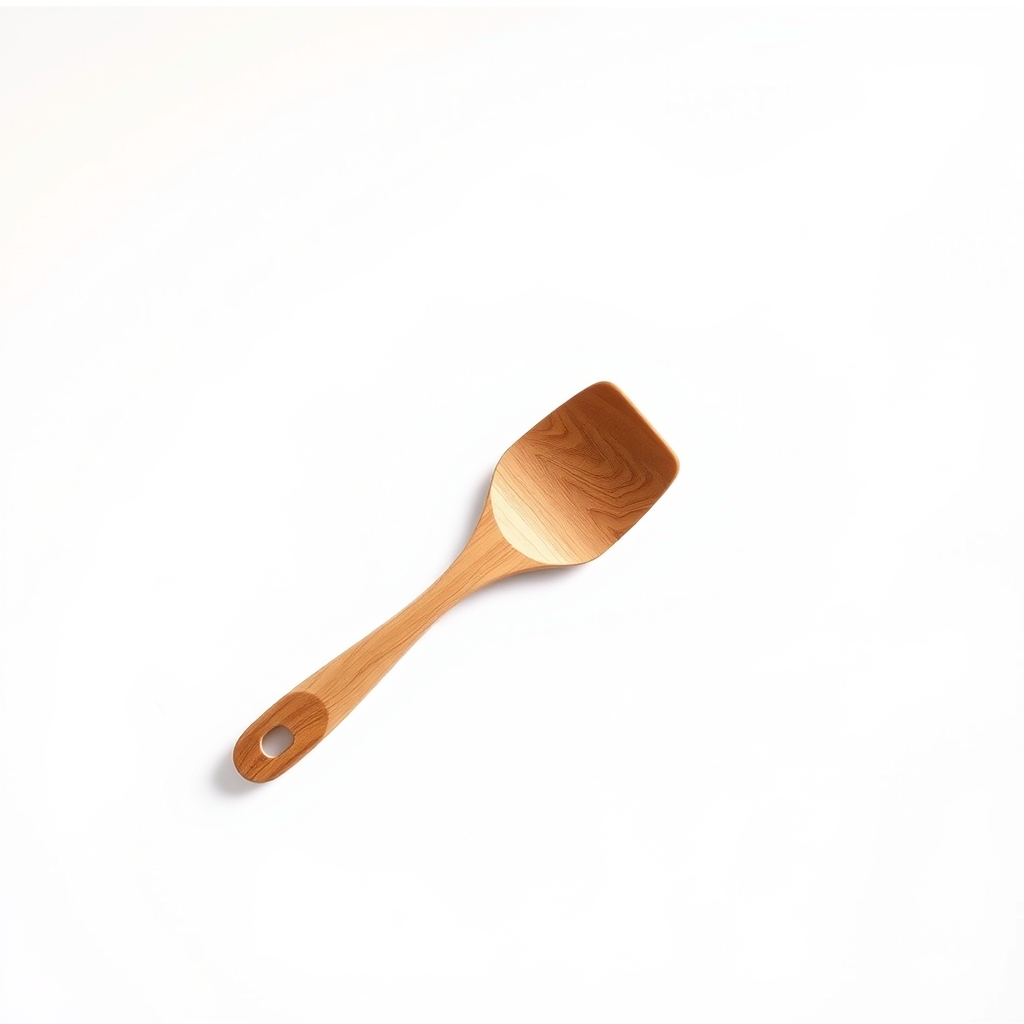
Silicone or wooden spatula
Metal tools scratch coatings; soft ones do not
- Our pick Illustration
Ceramic nonstick frying pan
Pick a size you use daily, usually 10 inches
- Illustration
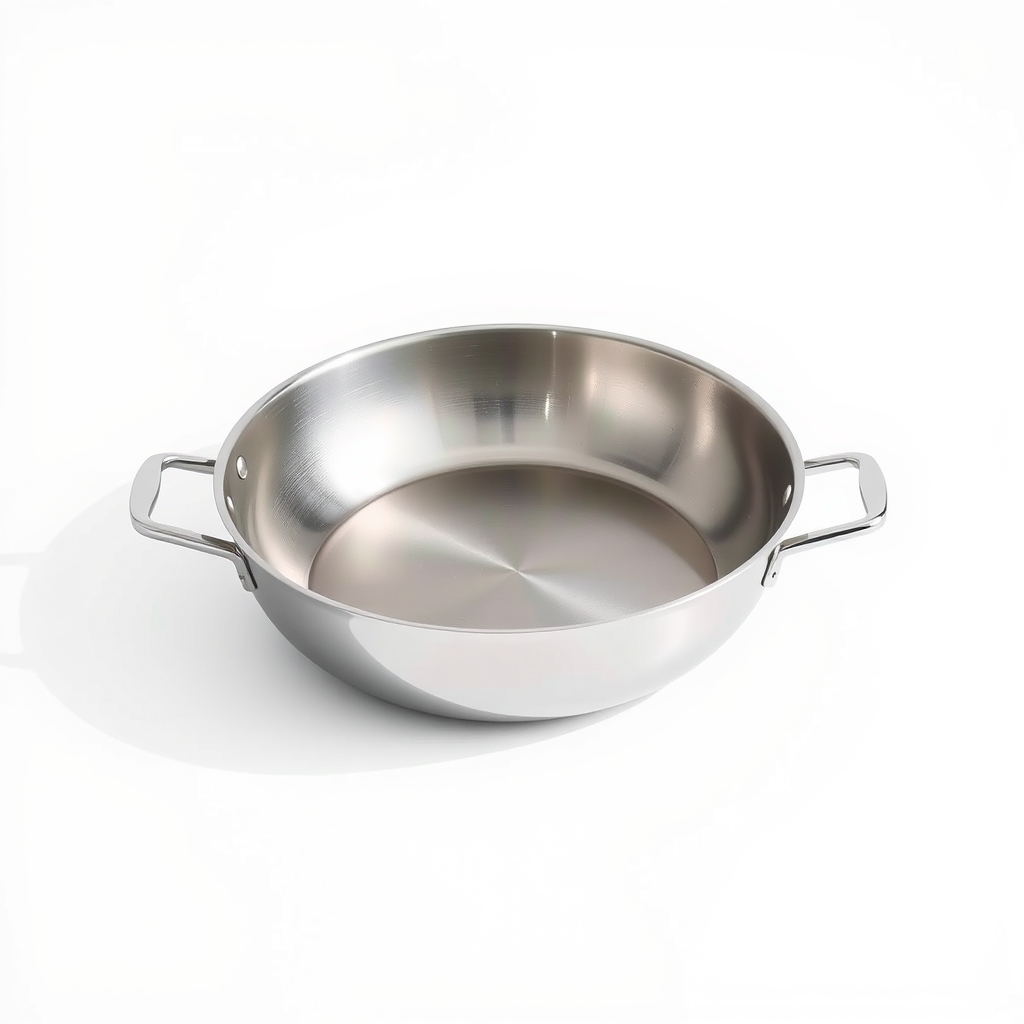
Stainless steel skillet
For cooks who want to buy one pan and keep it
Why it happens
Heat that is too high
A thin pan left empty on a high burner gets very hot very fast. Overheating breaks down both PTFE and ceramic coatings, and cold water poured on a hot pan can warp the base and crack the surface.
Metal tools and scouring pads
Forks, metal spatulas and steel wool cut into the coating. Once the surface is scratched, flakes lift at the edges of each scratch.
The dishwasher and harsh cleaners
Hot water, strong detergent and bumping against other dishes wear coatings down. Many makers say to hand wash even when the box says dishwasher safe.
Plain age
Every coating wears out. Used daily, most nonstick pans look tired after a few years, and thin cheap ones go sooner.
Try this first (free)
Do these in order, starting with the simplest.
-
Check how bad it is
Look for flaking, bubbling, gray bare metal or deep scratches. A few light scuffs that still release food are cosmetic. If the coating comes off in pieces or food sticks even with oil, the pan is finished.
-
Stop using it and do not patch it
Re-coating sprays, paints and tape cannot match a factory finish, and they are not made for heat and food contact. Ask your local recycling or trash service how to dispose of the pan.
-
Cook on a pan you already own
Tool used: Stainless steel or cast iron panHeat a stainless or cast iron pan over medium for one to two minutes, add oil, and wait until it shimmers before adding food. Eggs release once the pan is hot and the oil is moving.
-
Switch to soft utensils
Tool used: Silicone or wooden spatulaUse silicone or wood on any coated pan from now on. Keep spatulas flat and do not cut food in the pan.
IllustrationCheck price on AmazonTool for this step
Silicone or wooden spatula · Metal tools scratch coatings; soft ones do not
-
Replace it with a pan that fits your stove
Tool used: Ceramic nonstick frying panChoose the size you use most. If you have induction, check that the base is magnetic. Wash by hand with a soft sponge once the pan has cooled, and cook at low to medium heat.
IllustrationCheck price on AmazonTool for this step
Ceramic nonstick frying pan · Pick a size you use daily, usually 10 inches
When free fixes aren't enough
Stainless and cast iron work for most meals, but eggs, fish and pancakes stick until you learn heat control. If you want easy cleanup without a learning curve, you need a coated pan. Many owner reviews say ceramic loses its slickness sooner than a good PTFE pan, so plan to replace it every year or two, or step up to stainless if you would rather buy once. If you keep pet birds, avoid PTFE nonstick pans entirely, since the fumes from overheated PTFE can harm birds.
Buy the fix
Still stuck after the free fixes? These are the products we would look at.
| Pick | Product | Fixes | Who it's for | Buy |
|---|---|---|---|---|
| Best pick | Ceramic nonstick frying pan | a peeling or sticking pan that has to be replaced | Most home cooks who want easy eggs and low-oil cooking back without learning pan technique. | Check price |
| Upgrade pick | Tri-ply stainless steel skillet | replacing a coated pan every few years | Cooks who want one pan to last for decades and will learn the preheat-and-oil routine. | Check price |
Ceramic nonstick frying pan
Fixes: a peeling or sticking pan that has to be replaced
Look for: A heavy, flat base that will not warp, such as an aluminum core with a thick body; A coating described as PTFE-free ceramic; A handle that is oven-safe to a stated temperature; A base that works on your stove; check the induction label if you cook on induction.
- Who it's for
- Most home cooks who want easy eggs and low-oil cooking back without learning pan technique.
- Honest downside
- You sear at high heat every day or hate replacing pans. Look at stainless instead.
Tri-ply stainless steel skillet
Fixes: replacing a coated pan every few years
Look for: An aluminum core between layers of stainless steel; A riveted handle that feels solid in your hand; A stated oven-safe temperature; A flat base that stays flat when hot.
- Who it's for
- Cooks who want one pan to last for decades and will learn the preheat-and-oil routine.
- Honest downside
- You mostly cook eggs and fish with little oil and want food to slide right out.
As an Amazon Associate I earn from qualifying purchases. We don't show prices because they change, so use the button to see today's price.
How we picked: How we picked: this page is based on cookware care guides from pan makers, general consumer guidance on nonstick coatings, and what owners report in reviews of ceramic and stainless pans. We do not test products by hand.
Peeling, scratched or just sticky? How to tell
- Peeling or flaking: coating is coming off in pieces or you can see bare metal. Retire the pan.
- Scratched but smooth: food still releases. Switch to soft tools and keep using it with care.
- Sticky but intact: a thin brown film from cooking spray or oil. Clean it with baking soda and a soft sponge before you give up on the pan.
Which pan for which job
Use the nonstick pan for eggs, fish, pancakes and crepes over low to medium heat. Use stainless or cast iron for searing steak, browning meat and anything that needs high heat. Splitting jobs between two pans is the easiest way to make each one last longer.
What to skip
Re-coating sprays, patches and one more month
DIY re-coating sprays and paints are not made for the heat, wear and food contact of a frying pan, and they do not match a factory finish. Using a flaking pan a little longer also gives you sticking food and a surface that keeps coming apart. Replace the pan.
Frequently asked questions
Is a peeling nonstick pan dangerous?
Can you re-coat a nonstick pan at home?
How long should nonstick pans last?
Why is my pan not nonstick anymore if it is not peeling?
As an Amazon Associate I earn from qualifying purchases. Affiliate disclosure