Fridge Not Getting Cold Enough? Clean the Coils Before Calling Anyone
Dirty coils, blocked vents and a leaky door seal are the usual reasons a fridge runs warm. Check them in an hour, then keep the coils clean with a long brush.
By Jamilur Rahman Updated November 5, 2026 · 6 min read
- Time
- 45 min
- Cost
- Under $20
- Difficulty
- Easy
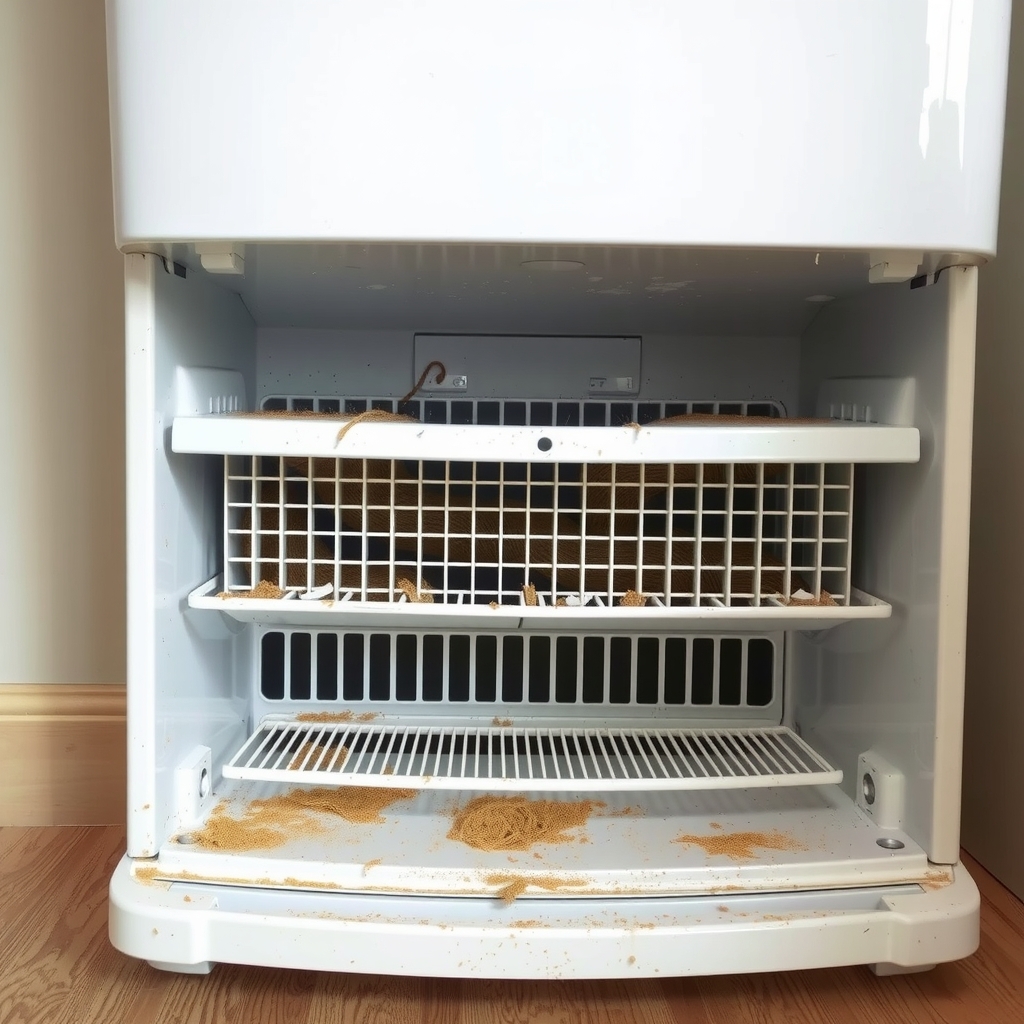
In this guide
Quick answer
A fridge that is not getting cold enough is most often struggling to shed heat through dirty condenser coils, blocked air vents or a leaking door seal. Check those three first. Vacuum the coils, then use a long coil brush for the dust packed deep behind the fridge, which a vacuum nozzle often cannot reach.
Free fix vs. permanent fix
Check the settings, clear the vents, vacuum the coils
- Set the fridge to 37°F and confirm it with a thermometer
- Move food away from the air vents
- Unplug it and vacuum the coils with a brush attachment
- Do the dollar bill test on the door seal
How long it lasts: Until the dust builds up again, often 6 to 12 months. A vacuum cleans the front of the coils, not the dust packed deep behind them.
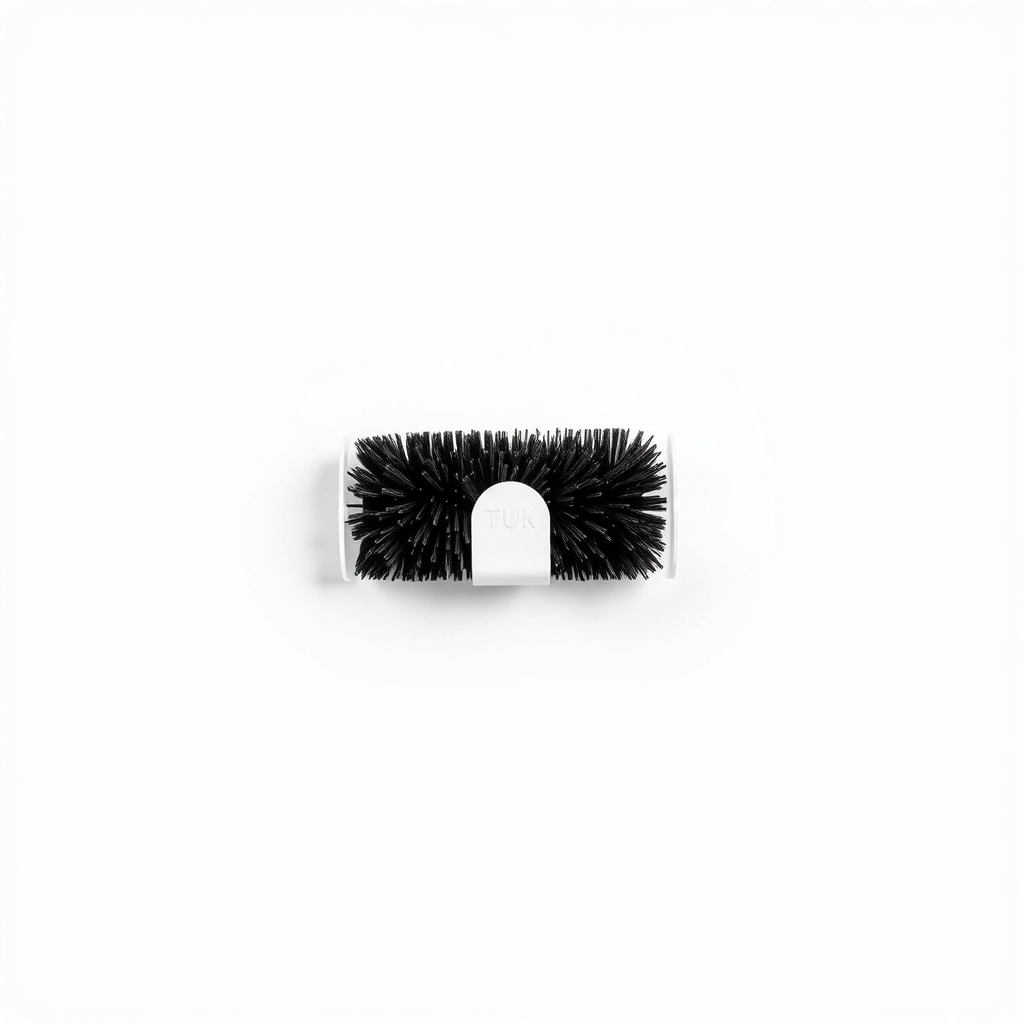
A long, flexible coil cleaning brush
The coils are where the fridge dumps its heat. Dust acts like a blanket on them, so the compressor runs longer and the fridge warms up. A long, narrow brush slides between the coils and the wall, where a vacuum nozzle cannot reach, and cleans the whole coil.
What to get: Refrigerator condenser coil cleaning brush
How long it lasts: A 10-minute clean every 6 to 12 months keeps the coils clear. It is the one cause you can keep on top of.
As an Amazon Associate I earn from qualifying purchases.
What you'll need
-
Vacuum with brush attachment
For the loose dust on the coils
You have it -
Dollar bill or sheet of paper
For the door seal test
Free - Illustration
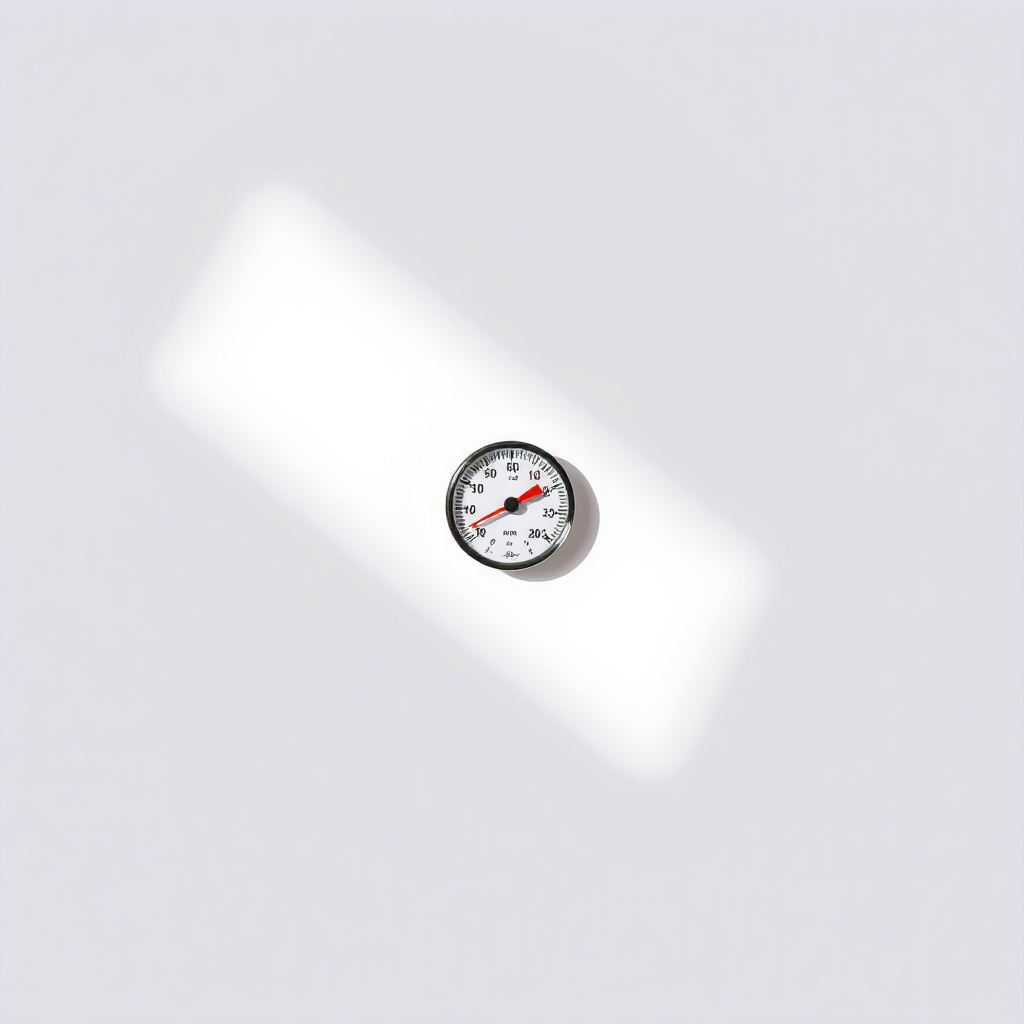
Appliance thermometer
The dial shows numbers, not degrees, so this shows the real temperature
- Our pick Illustration
Coil cleaning brush
Reaches the packed-in dust a vacuum leaves behind
Why it happens
Dirty condenser coils
Dust and pet hair coat the coils at the back or underneath. They cannot release heat, so the compressor runs longer and the fridge warms up.
Blocked air vents inside
Cold air reaches the fresh-food side through small vents. A full shelf in front of them cuts airflow and creates warm pockets.
A leaking door seal
A torn or dirty gasket lets warm room air in, so the fridge never catches up. Frost or damp near the door is a sign.
A dial moved or a heavy grocery load
A warmer setting, a power cut or a cart of warm groceries means the fridge needs many hours to recover.
No room to breathe
A fridge pushed tight against the wall or cabinets cannot vent heat. Manuals usually ask for an inch or two at the back and sides.
Try this first (free)
Do these in order, starting with the simplest.
-
Check the real temperature
Tool used: Appliance thermometerStand an appliance thermometer in a glass of water on the middle shelf for a few hours. The fridge should read 37°F and never above 40°F. Move the dial one notch, then wait 24 hours before changing it again.
IllustrationCheck price on AmazonTool for this step
Appliance thermometer · The dial shows numbers, not degrees, so this shows the real temperature
-
Clear the vents
Keep the vents on the back wall of the fresh-food side free, and do not pack the freezer so tight that air cannot circulate.
-
Test the door seals
Tool used: Dollar bill or sheet of paperClose a dollar bill in the door at several spots. If it slides out easily, the seal is leaking there. Wipe the gasket with warm soapy water first, since sticky grime stops it from sealing.
-
Unplug, then vacuum the coils
Tool used: Vacuum with brush attachmentThe coils sit at the back or underneath, behind a front grille. Unplug the fridge, pull off the grille or slide the fridge out, and vacuum with the brush attachment.
-
Brush the coils deeper
Tool used: Coil cleaning brushSlide a long coil brush between and along the coils to loosen packed-in dust, then vacuum up what falls out. Plug the fridge back in.
IllustrationCheck price on AmazonTool for this step
Coil cleaning brush · Reaches the packed-in dust a vacuum leaves behind
-
Give it room and wait a day
Leave the gap your manual lists at the back and sides. Wait 24 hours before judging the result.
When free fixes aren't enough
If the coils are clean, the seal is tight, the vents are clear and the fridge still cannot hold 40°F after a day, a part is probably failing. That could be a fan, the defrost system, the thermostat or the compressor. Warning signs are a warm freezer too, thick frost on the back wall, a silent fan, a compressor clicking on and off or a burning smell. Unplug it and call a repair tech. On a fridge older than 10 to 15 years, compare the repair quote with a new one.
Buy the fix
Still stuck after the free fixes? These are the products we would look at.
Refrigerator condenser coil cleaning brush
Fixes: dust packed deep on the coils that makes the fridge run warm
Look for: About 2 feet long or more, to reach behind the fridge; A flexible, narrow shape that fits between the coils and the wall; Soft bristles that will not bend the fins; Made for dry use with a vacuum.
- Who it's for
- Anyone with pets, rear or bottom coils, or a fridge that runs warm every summer.
- Honest downside
- Your fridge has no exposed coils. Some hide them in the side walls, so check the manual first. Never force a brush into bent or delicate fins.
As an Amazon Associate I earn from qualifying purchases. We don't show prices because they change, so use the button to see today's price.
How we picked: How we picked: this page is based on refrigerator owner manuals, appliance care guides, food-safety temperature guidance, and what owners report in reviews of coil brushes. We do not test products by hand.
Where the coils are and how often to clean them
Look at the bottom front for a removable grille, or at the back for exposed metal tubing. Clean the coils every 6 to 12 months, and every 3 to 6 months if you have shedding pets. Always unplug the fridge first.
What to skip
The coldest dial setting
Turning the dial to maximum will not clear a dirty coil. It makes the compressor run non-stop and can freeze lettuce and milk. Fix the airflow first, then change the setting one notch at a time.
Frequently asked questions
Why is my fridge not cooling but the freezer works?
Fridge too warm: what temperature should it be?
Fridge not cooling after a power cut or a move: how long should I wait?
Fridge not getting cold at all: when do I call for repair?
Related problems
 Free fix inside
Kitchen · Fridge
Fridge Door Seal Not Sticking? A 5-Minute Fix, Then the Gasket to Buy
Read the fix Free fix inside
Kitchen · Fridge
Fridge Freezing Everything? Why Lettuce Turns to Ice and What to Check
Read the fix Free fix inside
Kitchen · Freezer
Freezer Keeps Icing Up? Door Seal Test, Defrost Reset, and Gaskets
Read the fix Free fix inside
Kitchen · Fridge
Fridge So Loud? Buzzing, Humming, and Rattling Fixes to Try Tonight
Read the fixAs an Amazon Associate I earn from qualifying purchases. Affiliate disclosure