Freezer Keeps Icing Up? Door Seal Test, Defrost Reset, and Gaskets
Frost builds up when warm, damp air gets in. Test the door seal, defrost, and replace a worn gasket so the ice stops coming back.
By Jamilur Rahman Updated November 5, 2026 · 6 min read
- Time
- A few hours
- Cost
- $20-$50
- Difficulty
- Easy
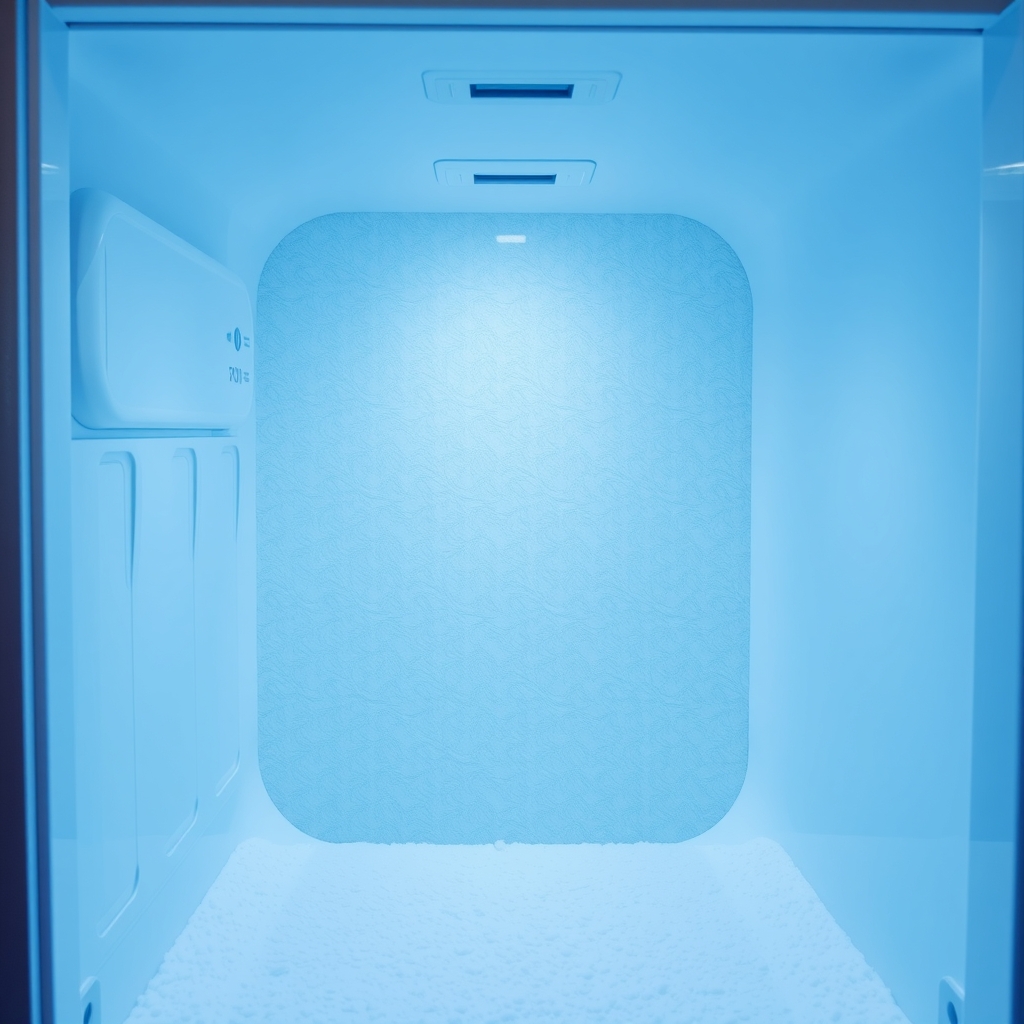
In this guide
Quick answer
If your freezer keeps icing up, warm, humid air is usually getting in through a worn door seal or a door that does not shut fully. Do the dollar-bill test on the seal, defrost the freezer, clean the gasket and make sure nothing blocks the door. If the seal is cracked, flat or loose, a new gasket stops the frost from coming back.
Free fix vs. permanent fix
Seal test and defrost
- Close the door on a dollar bill at several spots
- Clean the seal with warm soapy water
- Unplug, empty and defrost fully
- Clear anything that keeps the door from shutting
How long it lasts: Months if the door was only blocked or the seal was dirty. Frost returns fast if the seal is worn.
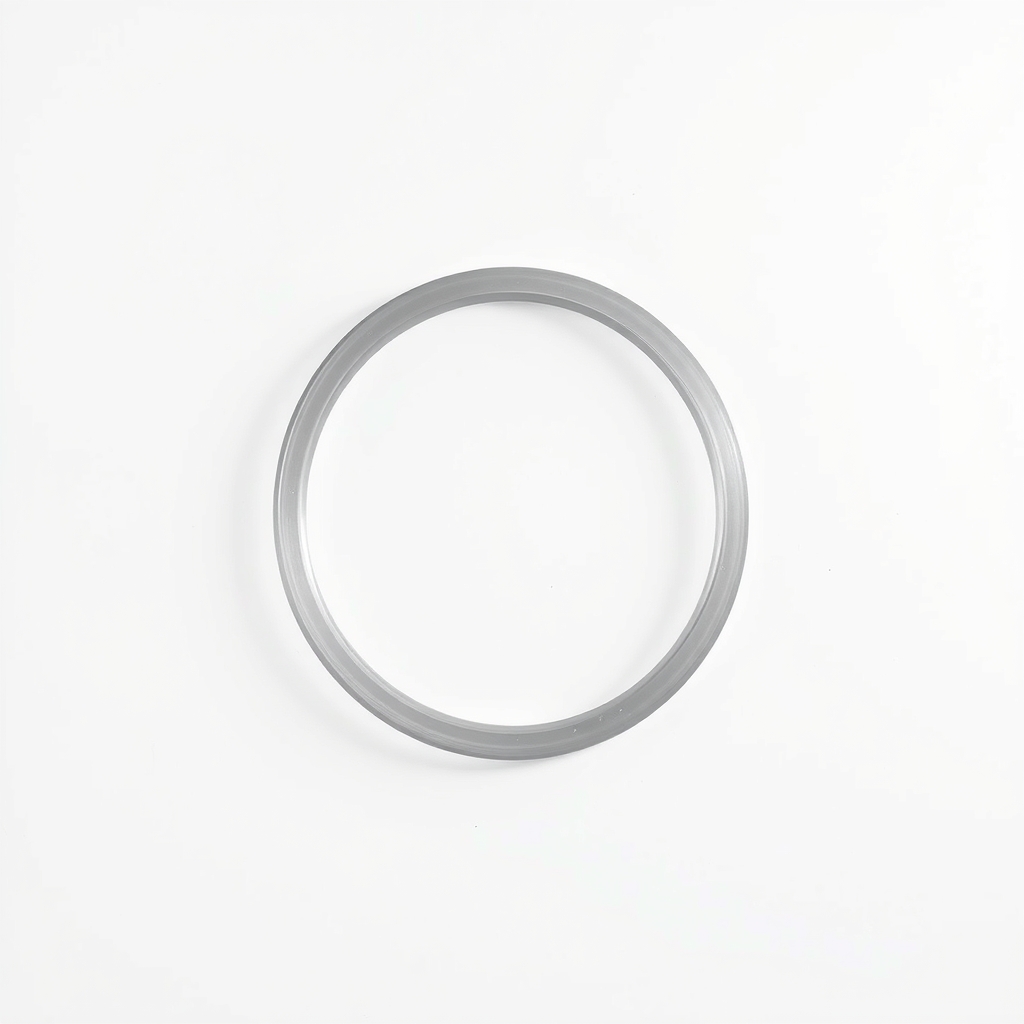
A new door gasket for your model
Every gap lets in humid air, and that moisture freezes on the coldest surface as frost. A torn, stiff or flattened seal cannot close tight, and cleaning will not bring it back. The defrost removes the ice that is there now. The new gasket stops it returning.
What to get: Freezer door gasket (model-specific)
How long it lasts: Years. A fresh gasket holds the door tight and keeps warm air out.
As an Amazon Associate I earn from qualifying purchases.
What you'll need
-
Dollar bill or sheet of paper
For the door seal test
You have it -
Warm soapy water and a cloth
Sticky spills keep a seal from gripping
You have it -
Cooler and ice packs
Keeps food frozen while you defrost
You have it - Illustration
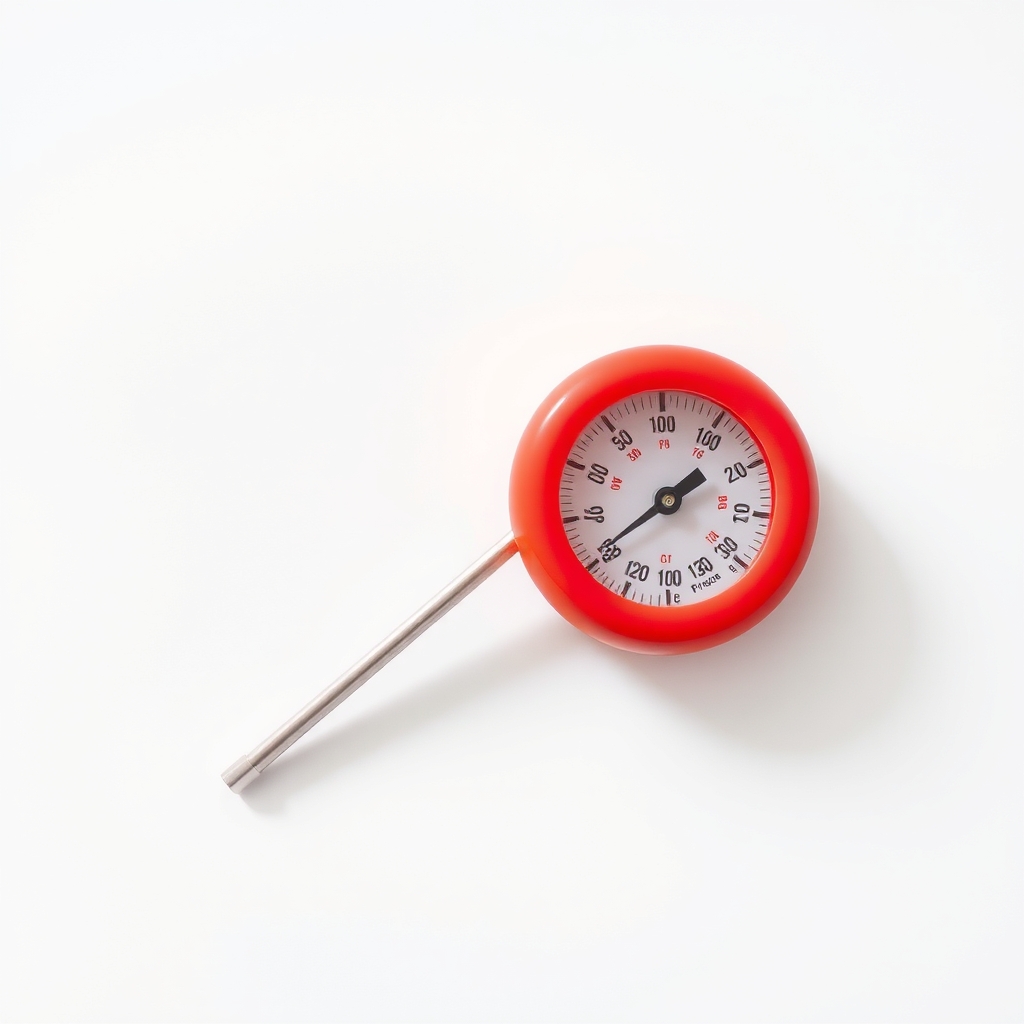
Freezer thermometer
Confirms it holds 0°F after the reset
- Our pick Illustration
Replacement door gasket
Order by your model number, found on the label inside
Why it happens
A worn or dirty door seal
A cracked, stiff or flattened gasket leaves gaps, and sticky spills stop it from sealing. Frost often builds up near the door first.
A door that does not shut fully
A package or bin can hold the door a fraction open. A freezer that leans forward can also let the door swing open.
Warm, humid air
A freezer in a hot garage, long door-open spells and warm food added to the freezer all bring in moisture.
A failed defrost system
Frost-free freezers melt frost on a cycle using a heater, timer or sensor. If one part fails, thick frost forms on the back wall even when the door seals well.
Try this first (free)
Do these in order, starting with the simplest.
-
Do the dollar-bill test
Tool used: Dollar bill or sheet of paperClose the door on a dollar bill, then tug it out. Try the top, bottom, both sides and each corner. If it slides out with no drag at any spot, the seal is weak there.
-
Clean the gasket
Tool used: Warm soapy water and a clothWipe the gasket and its folds with warm soapy water, then dry it. A hair dryer on low can soften a dented gasket so you can press it back into shape.
-
Defrost and reset
Tool used: Cooler and ice packsMove the food into coolers. Unplug the freezer, prop the door open and put towels on the floor. Let the ice melt for several hours, or set a pan of hot water inside. Dry the inside, plug it in and set it to 0°F.
-
Check the door closes and the unit is level
Make sure packages and bins do not hold the door open. Level the freezer from side to side, with the front a touch higher than the back so the door swings shut on its own.
-
Check the temperature
Tool used: Freezer thermometerPut a freezer thermometer inside. It should read 0°F. Colder than that does not stop frost.
IllustrationCheck price on AmazonTool for this step
Freezer thermometer · Confirms it holds 0°F after the reset
-
Replace the gasket
Tool used: Replacement door gasketIf the bill still slides out after cleaning, or the gasket is cracked, torn or hard, order one by your model number. Some push into a groove and others sit under a retainer you unscrew. Soak the new gasket in warm water first to soften it.
IllustrationCheck price on AmazonTool for this step
Replacement door gasket · Order by your model number, found on the label inside
When free fixes aren't enough
If frost returns within a few weeks of defrosting and the seal passes the dollar test, the defrost system on a frost-free model may have failed. Frost mostly on the back wall is the sign. That points to a heater, sensor or timer, and a service call. If the gasket is torn or hard, a new one is the cheapest lasting fix. If food thawed, discard anything that was above 40°F for more than 2 hours. Food that still has ice crystals can be refrozen.
Buy the fix
Still stuck after the free fixes? These are the products we would look at.
| Pick | Product | Fixes | Who it's for | Buy |
|---|---|---|---|---|
| Best pick | Freezer door gasket (model-specific) | a worn, torn or flattened seal that lets humid air in | Anyone whose seal fails the dollar-bill test after a clean. | Check price |
| Budget pick | Freezer thermometer | guessing whether the freezer is cold enough | Anyone who wants to be sure the freezer holds 0°F after the defrost. | Check price |
Freezer door gasket (model-specific)
Fixes: a worn, torn or flattened seal that lets humid air in
Look for: Listed for your exact brand and model number; The same attachment style as your old one, push-in or screw-in; Soft, flexible vinyl with a magnetic strip, if yours has one.
- Who it's for
- Anyone whose seal fails the dollar-bill test after a clean.
- Honest downside
- The seal passes the test. Frost then points to the defrost system, door habits or a humid room. Be wary of generic gaskets that do not list your model.
Freezer thermometer
Fixes: guessing whether the freezer is cold enough
Look for: A scale that reads at and below 0°F; A hook or stand that fits a shelf; A dial or digital display that is easy to read.
- Who it's for
- Anyone who wants to be sure the freezer holds 0°F after the defrost.
- Honest downside
- Your freezer already has a digital display you trust.
As an Amazon Associate I earn from qualifying purchases. We don't show prices because they change, so use the button to see today's price.
How we picked: How we picked: this page is based on freezer owner's manuals, appliance repair guides, food-safety advice, and what owners report in reviews of replacement gaskets. We do not test products by hand.
Frost-free vs. manual-defrost: what is normal
- Manual-defrost (many chest freezers): frost builds up slowly. Defrost when it is about a quarter inch thick.
- Frost-free (most upright freezers): walls should stay mostly clear. Thick frost means a seal leak or a failing defrost part.
What to skip
Chipping ice with sharp tools
A knife or screwdriver can puncture the cooling lines behind the walls and wreck the freezer. Let the ice melt, or set a pan of hot water inside.
Frequently asked questions
Why does my freezer keep icing up, and why is my freezer frosting up?
Freezer keeps frosting over. Is some frost normal?
Why does my freezer have frost only on the back wall?
How to stop freezer from frosting and how to fix freezer ice build up for good?
Freezer too much frost on the food. Is it safe to eat?
Related problems
 Free fix inside
Kitchen · Fridge
Fridge Door Seal Not Sticking? A 5-Minute Fix, Then the Gasket to Buy
Read the fix Free fix inside
Kitchen · Fridge Leaks
Fridge Leaking Water? Clear the Defrost Drain Before You Call
Read the fix Free fix inside
Kitchen · Freezer
How to Stop Freezer Burn: 4 Free Habits, Then a Sealer Worth Buying
Read the fix Free fix inside
Kitchen · Freezer
Freezer Too Full? Bins That Make Room Without a Bigger Freezer
Read the fixAs an Amazon Associate I earn from qualifying purchases. Affiliate disclosure