How to Stop Freezer Burn: 4 Free Habits, Then a Sealer Worth Buying
Freezer burn is air stealing moisture from your food. Four free habits slow it, and a vacuum sealer removes the air so food keeps its quality much longer.
By Jamilur Rahman Updated November 5, 2026 · 7 min read
- Time
- 15 min
- Cost
- $50-$150
- Difficulty
- Easy
In this guide
Quick answer
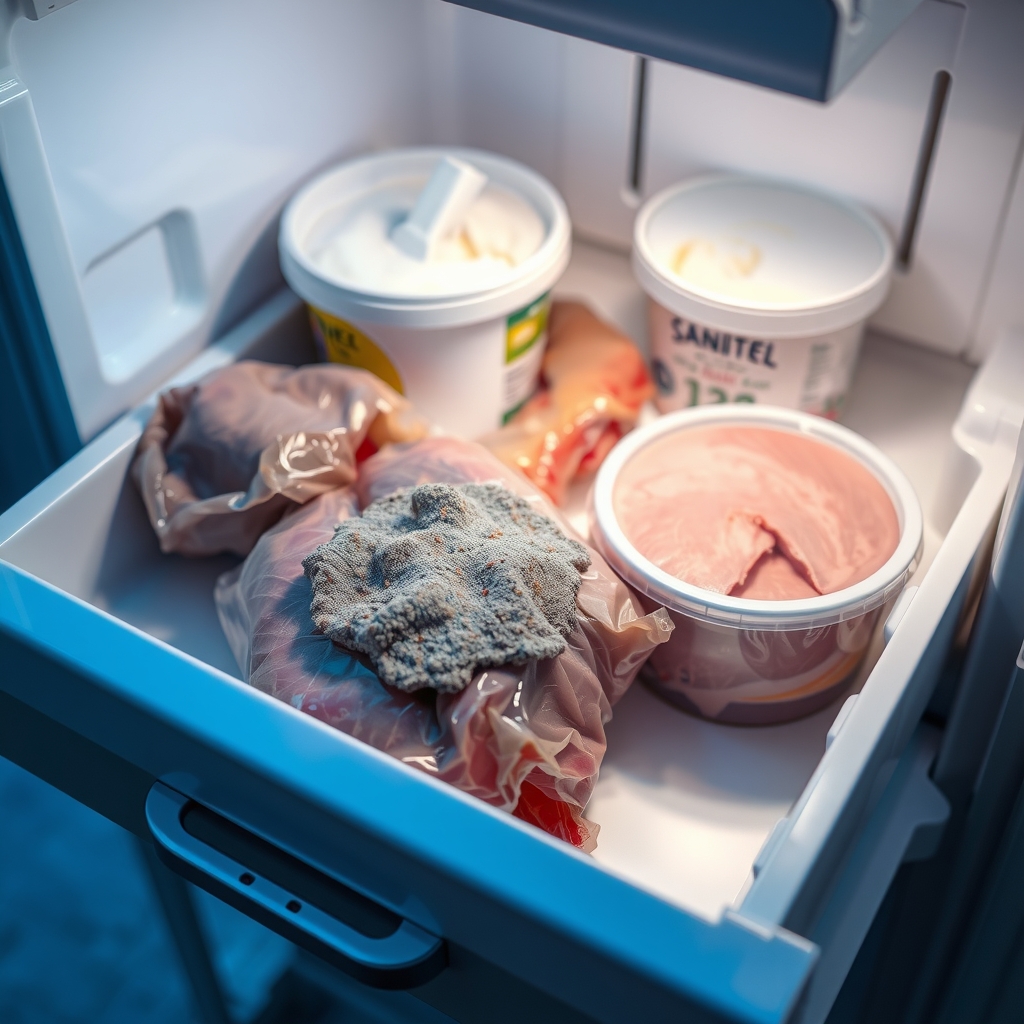
Freezer burn happens when air pulls moisture out of frozen food, leaving dry, gray-brown patches and ice crystals. The USDA says burned food is safe, just drier. Slow it with four habits: wrap tight, cool and portion food, keep the freezer at 0°F, and use the oldest first. If you want food to keep its taste for months, a vacuum sealer takes the air away, so the freezer cannot dry it out.
Free fix vs. permanent fix
Four free habits
- Wrap food tight, then double up
- Cool and portion it before it goes in
- Keep the freezer at 0°F and the door shut
- Label it and eat the oldest first
How long it lasts: A few weeks to a couple of months. Wrap and zip bags are never fully airtight, so air still creeps in.
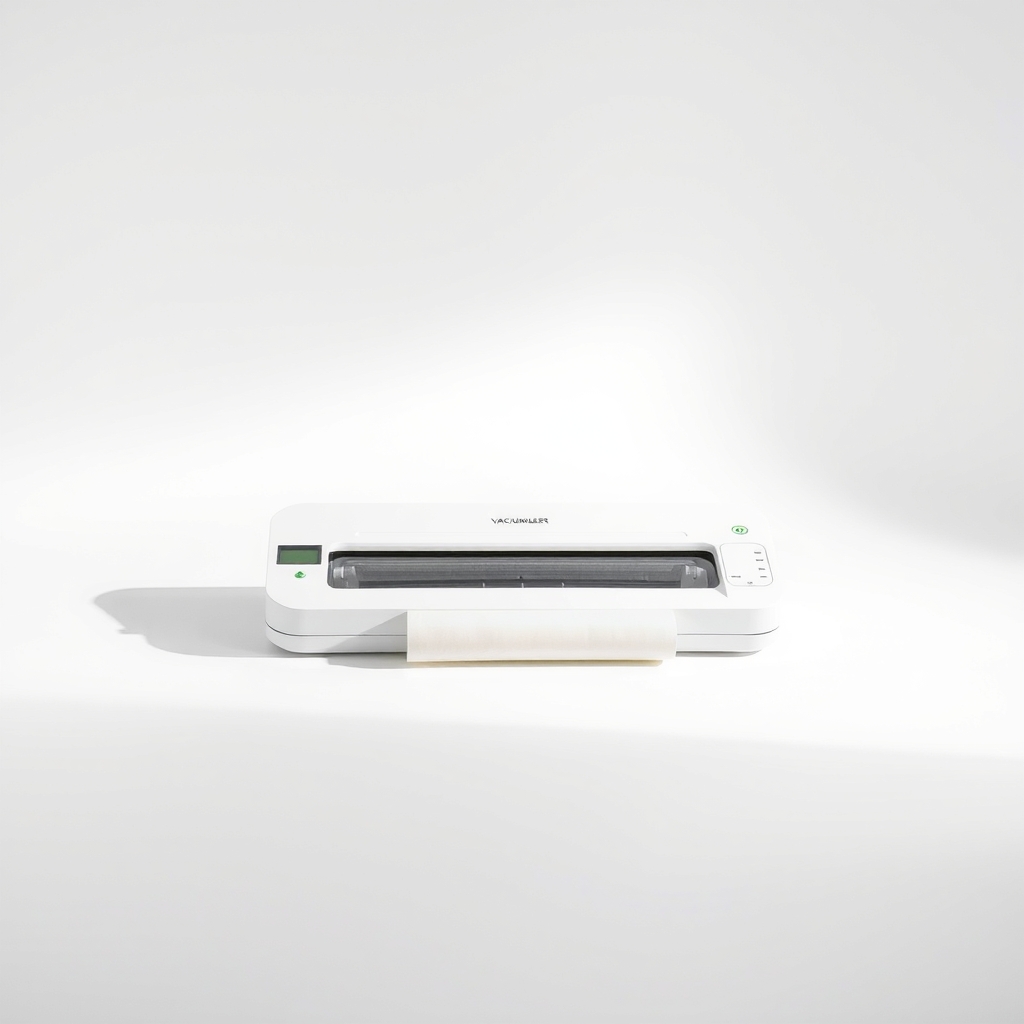
A vacuum sealer with bags
Freezer burn needs air next to the food. A vacuum sealer takes the air out and welds the bag shut, so there is nothing left to dry the surface. The habits slow it down. The sealer removes the cause.
What to get: Vacuum sealer with bag rolls
How long it lasts: For years of use. Sealed bags hold almost no air, so food stays good several times longer than loose wrap.
As an Amazon Associate I earn from qualifying purchases.
What you'll need
-
Plastic wrap, foil or freezer bags
Freezer-grade bags are thicker than sandwich bags
You have it -
Marker and masking tape
For the date and the contents
You have it - Illustration
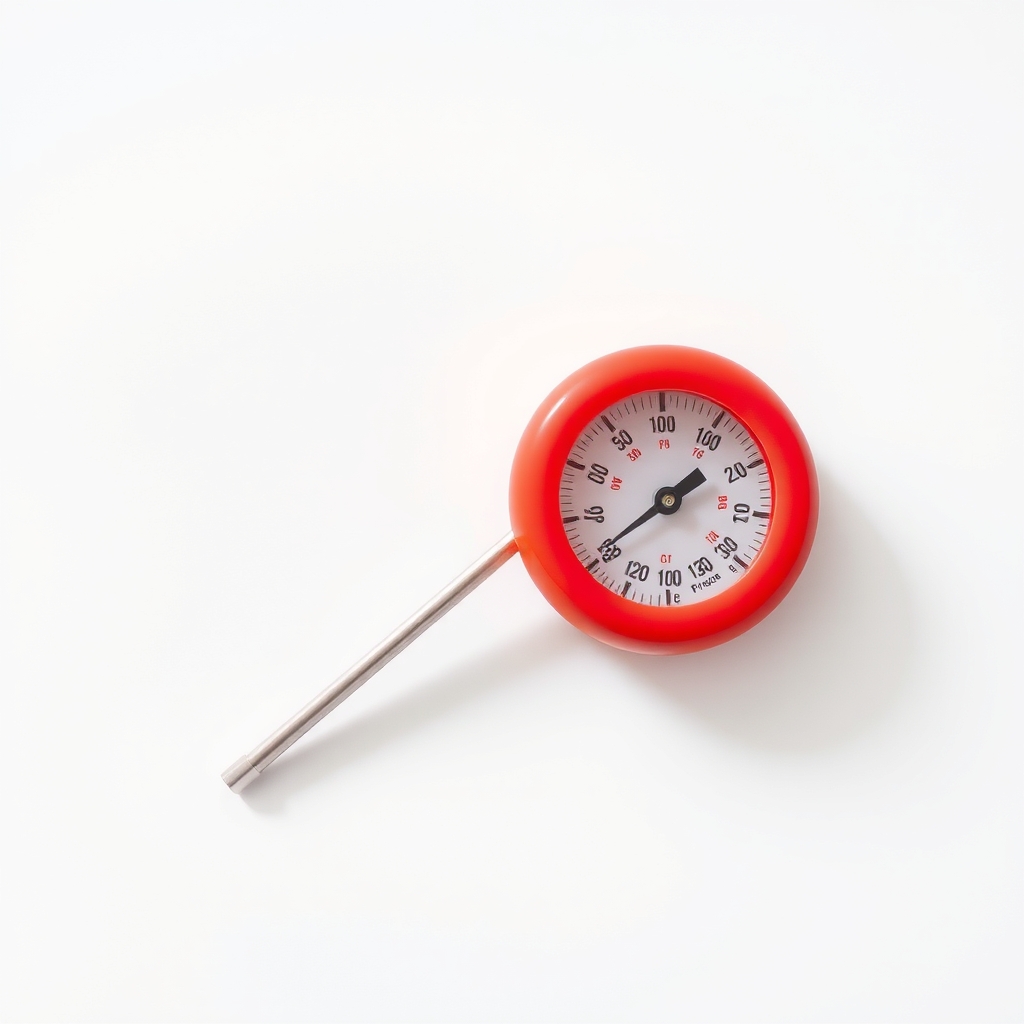
Freezer thermometer
Shows whether the freezer really sits at 0°F
- Our pick Illustration
Vacuum sealer with bags
Bag rolls let you cut the size you need
Why it happens
Air touching the food
Cold, dry freezer air pulls water out of the surface of unprotected food. It shows up as dry, pale or gray-brown patches.
Slow freezing and warm spots
Big warm packages freeze slowly and form large ice crystals. Opening the door a lot or a freezer set above 0°F lets food partly thaw and refreeze, which makes it worse.
Thin wrap and loose seals
Thin sandwich bags, torn wrap and half-closed zips leak air. So do tubs of ice cream with a gap left at the top.
Food kept too long
Even well-wrapped food slowly loses quality. A pack of ground meat from last winter is almost certain to be freezer burned.
Try this first (free)
Do these in order, starting with the simplest.
-
1. Wrap tight and double up
Tool used: Plastic wrap, foil or freezer bagsPress plastic wrap right against the food so there is no air gap. Then add foil or a freezer bag, and squeeze out as much air as you can before sealing. Thin sandwich bags are not enough.
-
2. Cool it and portion it first
Let hot food cool in the fridge, then freeze it in meal-size portions. Flat, thin packs freeze fast and thaw fast. Small ice crystals dry out less.
-
3. Keep the freezer at 0°F
Tool used: Freezer thermometerPut a thermometer in the freezer and aim for 0°F or lower. Keep the door shut, and do not stuff it so full that air cannot move. Store food toward the back, not in the door.
IllustrationCheck price on AmazonTool for this step
Freezer thermometer · Shows whether the freezer really sits at 0°F
-
4. Label it and use the oldest first
Tool used: Marker and masking tapeWrite the item and date on the package. Put new food at the back and eat the oldest first. Most meat is at its best within a few months, so do not let it pile up.
When free fixes aren't enough
If you freeze bulk meat, fish, garden produce or batch-cooked meals, the habits only slow the burn. Bags still hold some air, and anything kept past two or three months starts to dry. A vacuum sealer takes the air out and holds the bag shut, and sealed food generally keeps its quality several times longer. It does not make food safe forever. It still has to stay frozen at 0°F, and you should check that it smells right after thawing.
Buy the fix
Still stuck after the free fixes? These are the products we would look at.
| Pick | Product | Fixes | Who it's for | Buy |
|---|---|---|---|---|
| Best pick | Vacuum sealer with bag rolls | air getting to the food, which causes freezer burn | Anyone who buys meat in bulk, freezes garden produce or batch-cooks, and wants it to taste good months later. | Check price |
| Budget pick | Freezer thermometer | a freezer running warmer than 0°F, which speeds freezer burn | Anyone who is not sure the freezer is cold enough, or opens it a lot. | Check price |
| Upgrade pick | 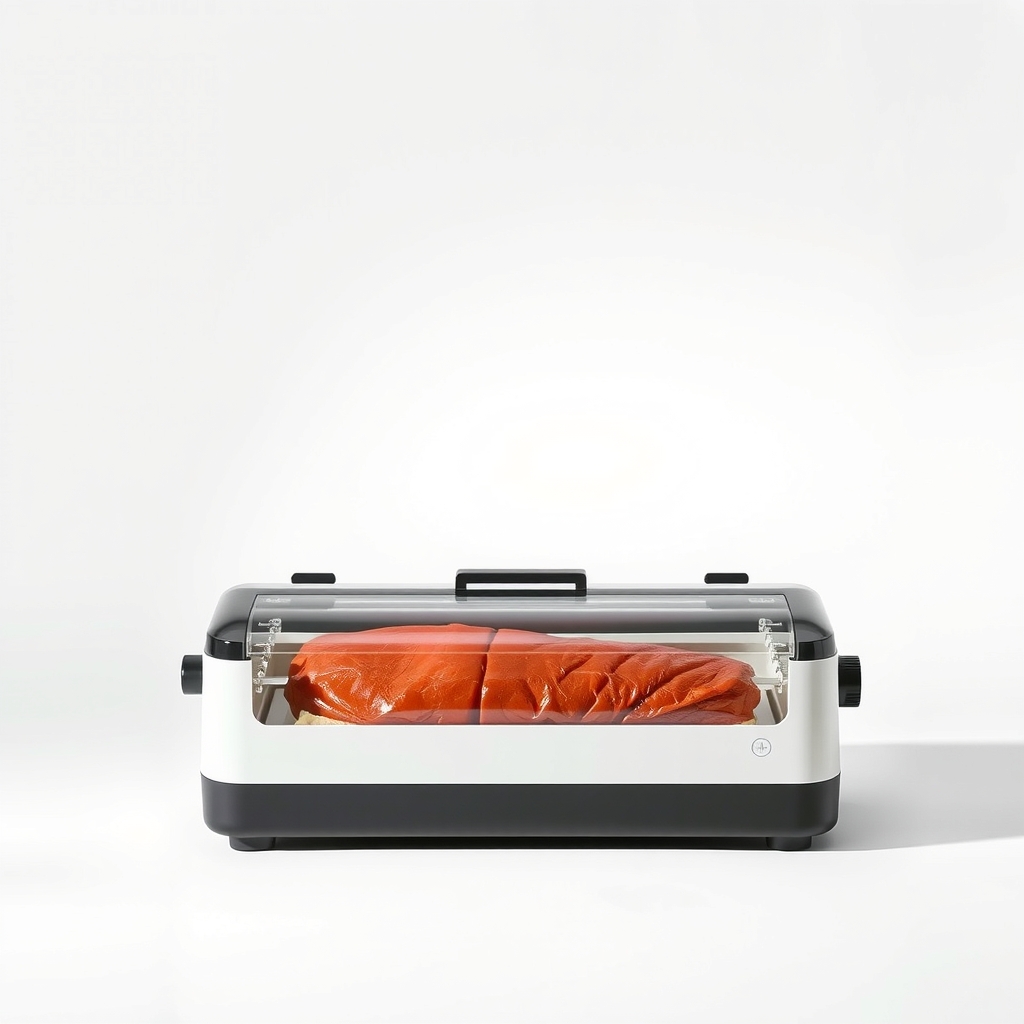 Heavy-duty vacuum sealer for bulk batches | a small sealer that overheats during a big batch | People who seal a lot at once, such as hunters, bulk shoppers and big families. | Check price |
Vacuum sealer with bag rolls
Fixes: air getting to the food, which causes freezer burn
Look for: Dry and moist food settings, so juices do not ruin the seal; A pulse control for soft foods like bread and berries; A built-in roll holder and cutter, so you can make custom bag sizes; Bags or rolls that are freezer-rated and easy to buy in the right size.
- Who it's for
- Anyone who buys meat in bulk, freezes garden produce or batch-cooks, and wants it to taste good months later.
- Honest downside
- You only freeze small amounts for a few weeks. Tight wrap and the habits above may be enough.
Freezer thermometer
Fixes: a freezer running warmer than 0°F, which speeds freezer burn
Look for: Rated for freezer temperatures; A dial or display you can read at a glance; A stand or hook so it sits on a shelf.
- Who it's for
- Anyone who is not sure the freezer is cold enough, or opens it a lot.
- Honest downside
- You already know your freezer holds 0°F. Put the money into wrap or a sealer.
Heavy-duty vacuum sealer for bulk batches
Fixes: a small sealer that overheats during a big batch
Look for: A cooling or continuous-run design for sealing several bags in a row; A wide sealing strip that takes large bags; Removable drip tray and a roll cutter.
- Who it's for
- People who seal a lot at once, such as hunters, bulk shoppers and big families.
- Honest downside
- You seal a few bags a week. The standard model is enough.
As an Amazon Associate I earn from qualifying purchases. We don't show prices because they change, so use the button to see today's price.
How we picked: How we picked: this page is based on USDA and FDA food storage guidance, vacuum sealer manuals, and the results and problems owners report in reviews. We do not test products by hand.
Saving food that already has freezer burn
Freezer-burned meat is safe, but it will not be at its best. Trim away the dry, gray-brown parts, and cook the rest with moisture: stews, braises, soups, sauces or a marinade. Ground meat works well in chili or sauce. For ice cream, scrape off the icy top and use the rest in a shake or a smoothie.
Sealing soups, berries and other tricky foods
- Liquids: freeze soup in a tray or container first, then seal the frozen block.
- Berries and soft foods: freeze on a tray, then seal with the pulse control so they are not crushed.
- Marinated meat: use the moist setting and leave extra bag at the top.
- Sharp bones: cover the ends with paper towel so they do not puncture the bag.
What to skip
Thin sandwich bags and thawing sealed fish in the bag
Thin bags let air through, and the burn shows up fast. Also, the FDA advises taking vacuum-packed fish out of its bag before thawing, because low oxygen can let bacteria grow. Thaw in the fridge.
Frequently asked questions
Is freezer-burned food safe to eat?
How do I fix freezer burn on meat?
How do I stop freezer burn on ice cream?
How long does vacuum-sealed food last in the freezer?
As an Amazon Associate I earn from qualifying purchases. Affiliate disclosure