Fridge So Loud? Buzzing, Humming, and Rattling Fixes to Try Tonight
A fridge that hums, buzzes or rattles is usually unlevel, touching something or running over dusty coils. Fix those tonight, then add pads for leftover drone.
By Jamilur Rahman Updated November 5, 2026 · 7 min read
- Time
- 20 min
- Cost
- Under $20
- Difficulty
- Easy
In this guide
Quick answer
Why is my fridge so loud? Most often it is not level, it is touching a wall or cabinet, or its fans are spinning through dust. Level it, pull it about an inch off the wall, vacuum the coils and check for rattling parts, all for free. If a low hum is still left, anti-vibration rubber pads under the feet stop the floor from amplifying it.
Free fix vs. permanent fix
Level it, give it space, clean the coils
- Level the fridge side to side and front to back
- Leave about an inch of space at the back and sides
- Unplug it and vacuum the coils and fan area
- Tighten or move anything that can rattle
How long it lasts: For good if the cause was a loose foot, a part touching the wall or dusty coils. A hum that the floor amplifies can stay.
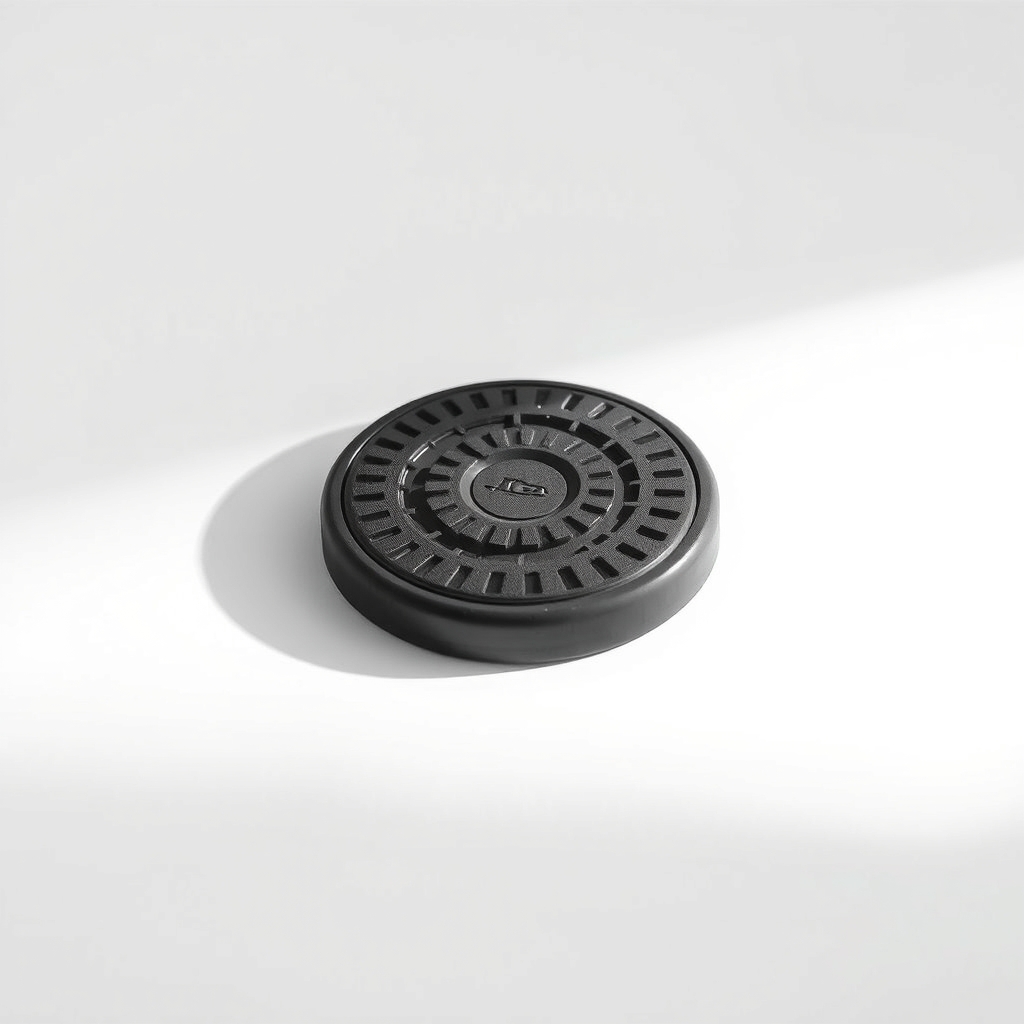
Anti-vibration rubber pads under the feet
A fridge compressor always vibrates a little. A hard floor or the cabinets next to it can turn that into a hum you hear across the room. Dense rubber pads absorb the vibration before it reaches the floor, which helps when leveling alone leaves a drone.
What to get: Anti-vibration rubber pads for appliances
How long it lasts: Years. They sit under the feet and need no upkeep.
As an Amazon Associate I earn from qualifying purchases.
What you'll need
-
Level or phone level app
Check side to side and front to back
You have it -
Vacuum with brush attachment
For dust on the coils, the grille and the fan area
You have it - Illustration
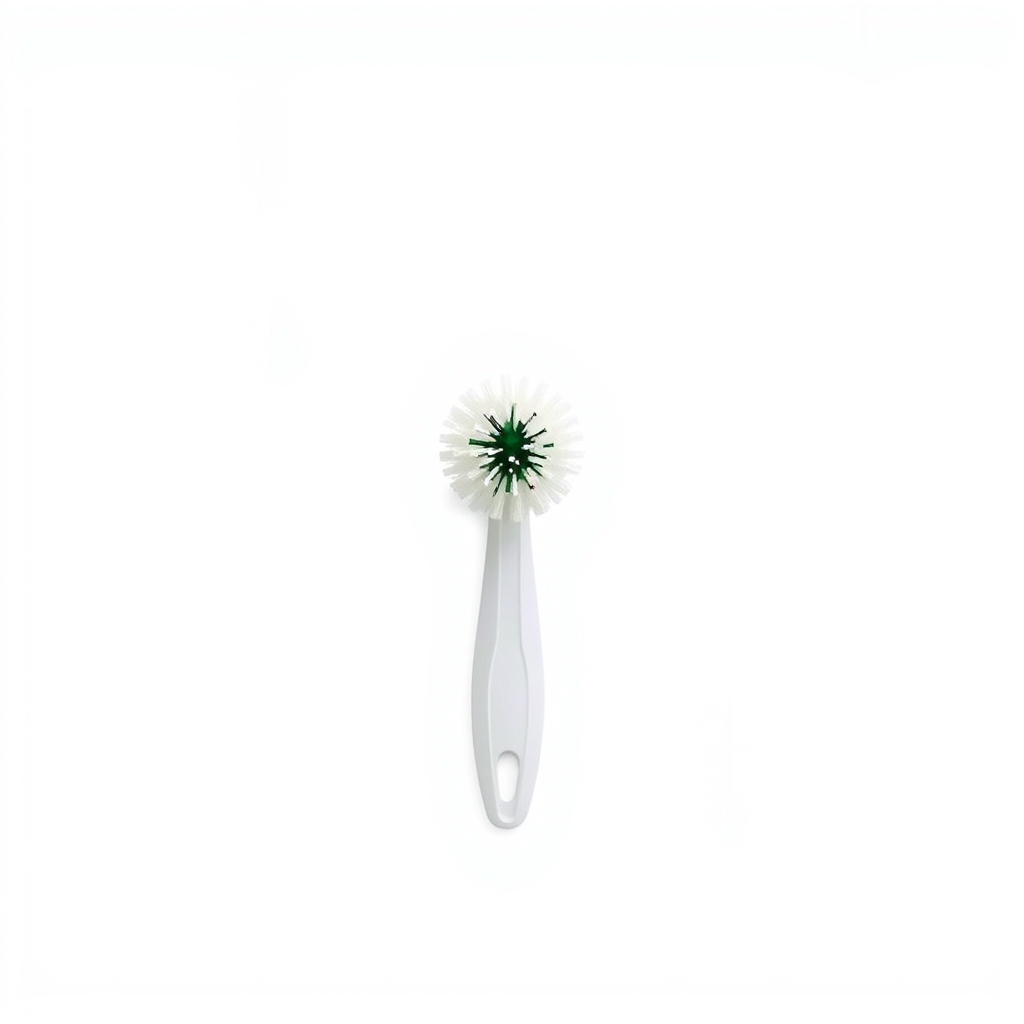
Refrigerator coil cleaning brush
A long, narrow brush reaches coils the vacuum nozzle cannot
- Our pick Illustration
Anti-vibration rubber pads for appliances
Pick pads rated for the weight of a full fridge
Why it happens
The fridge is not level
If one foot floats, the whole cabinet rocks a little every time the compressor starts. That rocking passes into the floor and nearby cabinets as a hum or a rattle.
It is touching a wall, cabinet or water line
Most manuals ask for about an inch of clearance at the back and sides, so check yours. A fridge pushed tight against a wall transfers vibration straight into it. The ice maker water line can also buzz against the wall.
Dusty coils and fans
Dust on the coils and the condenser fan makes the fan work harder and louder, and the compressor runs longer. Pet hair makes it worse.
Something loose
A drain pan under the fridge, a bottle on a shelf or an item on top can all rattle when the compressor starts.
A part that is wearing out
A fan with a bent blade or a tired compressor can grind, screech or buzz loudly. That one needs a technician, not a pad.
Try this first (free)
Do these in order, starting with the simplest.
-
Find where the sound comes from
Listen near the back, the bottom and the freezer door for a minute. Then switch off the ice maker for the day. If the buzz stops, it was the water valve filling, which is a normal sound.
-
Level the fridge
Tool used: Level or phone level appPut a level on top and turn the front feet until it reads level side to side. Many manuals want a very slight tilt back so the doors swing shut. Make sure all feet touch the floor.
-
Give it space and check for rattles
Slide the fridge out, unplug it and look for the drain pan, the water line and anything else touching the wall. Leave about an inch of space when you push it back.
-
Vacuum the coils and fan
Tool used: Vacuum with brush attachmentWith the plug out, vacuum the coils behind the bottom grille or on the back panel, and the fan area. Pull out dust and pet hair with a long brush. Do this once or twice a year.
-
Add pads for the hum that is left
Tool used: Anti-vibration rubber pads for appliancesHave a helper tilt the fridge back slightly, set a pad under each foot, then lower it and check level again. Never lay a fridge on its side or back.
IllustrationCheck price on AmazonTool for this step
Anti-vibration rubber pads for appliances · Pick pads rated for the weight of a full fridge
When free fixes aren't enough
If the fridge is level, clear of the wall and clean, but a low drone still travels through the floor, the vibration is the issue, and pads are the fix that changes it. Stop and call a technician for a grinding or screeching sound, a loud buzz from inside the freezer that comes and goes, a compressor that never shuts off, or food that is warming up. Unplug the fridge and call a pro right away if you smell burning or see sparks.
Buy the fix
Still stuck after the free fixes? These are the products we would look at.
| Pick | Product | Fixes | Who it's for | Buy |
|---|---|---|---|---|
| Best pick | Anti-vibration rubber pads for appliances | floor and cabinet hum from the compressor | Anyone whose fridge is level and clean but still hums through the floor, especially on hard flooring. | Check price |
| Budget pick | Refrigerator coil cleaning brush | a loud fan and long running time from dust | Households with pets, or anyone who has never cleaned the coils. | Check price |
Anti-vibration rubber pads for appliances
Fixes: floor and cabinet hum from the compressor
Look for: A load rating that covers the weight of a full fridge; Dense rubber or neoprene, not soft foam that squashes flat; Wide enough to cover the foot or roller.
- Who it's for
- Anyone whose fridge is level and clean but still hums through the floor, especially on hard flooring.
- Honest downside
- The fridge is built in, or you cannot tilt it safely. Level it first and ask a technician if unsure.
Refrigerator coil cleaning brush
Fixes: a loud fan and long running time from dust
Look for: A narrow, bendable head that fits behind the grille; Long enough to reach the back of the coils; Soft bristles that will not bend the fins.
- Who it's for
- Households with pets, or anyone who has never cleaned the coils.
- Honest downside
- Your fridge has no accessible coils, since many newer models have them sealed behind a panel. Check the manual.
As an Amazon Associate I earn from qualifying purchases. We don't show prices because they change, so use the button to see today's price.
How we picked: How we picked: this page is based on refrigerator owner manuals and appliance care guides, how repair guides describe fridge sounds, and the problems and fixes people report in owner reviews. We do not test products by hand.
Why does my fridge make noise? Match the sound to the cause
- Low steady hum: the compressor. Normal, and louder when the floor amplifies it.
- Short buzz: the ice maker water valve, or the water line touching the wall.
- Rattle or clink: the drain pan, a loose shelf item or a fridge that is not level.
- Whirring or humming from the back: the condenser fan, often dusty.
- Pops and crackles: parts expanding and contracting during a cooling or defrost cycle. Normal.
- Grinding, screech or loud clicking: a failing fan or compressor. Call a technician.
Fridge too loud? What is normal
A new fridge can sound different from your old one, with longer, steadier runs. Sound that you only notice in a quiet room at night is usually normal. Sound that is new, much louder than before, or comes with warm food is not. In that case start with level, space and cleaning, then call for service if it continues.
What to skip
Towels, foam or cardboard stuffed around the fridge
It may muffle the sound for a day, but it blocks the airflow the fridge needs to shed heat, so the compressor runs longer and the fridge gets louder. A folded towel under a foot also hides a fridge that needs leveling. Fix the level and the spacing instead.
Frequently asked questions
Why is my fridge making noise all of a sudden?
How to stop fridge buzzing?
How to stop fridge from humming?
How to stop fridge from making noise when the ice maker runs?
Related problems
 Free fix inside
Kitchen · Fridge
Fridge Not Getting Cold Enough? Clean the Coils Before Calling Anyone
Read the fix Free fix inside
Kitchen · Fridge
Fridge Door Seal Not Sticking? A 5-Minute Fix, Then the Gasket to Buy
Read the fix Free fix inside
Kitchen · Fridge Leaks
Fridge Leaking Water? Clear the Defrost Drain Before You Call
Read the fix Free fix inside
Kitchen · Freezer
Freezer Keeps Icing Up? Door Seal Test, Defrost Reset, and Gaskets
Read the fixAs an Amazon Associate I earn from qualifying purchases. Affiliate disclosure