Fridge Freezing Everything? Why Lettuce Turns to Ice and What to Check
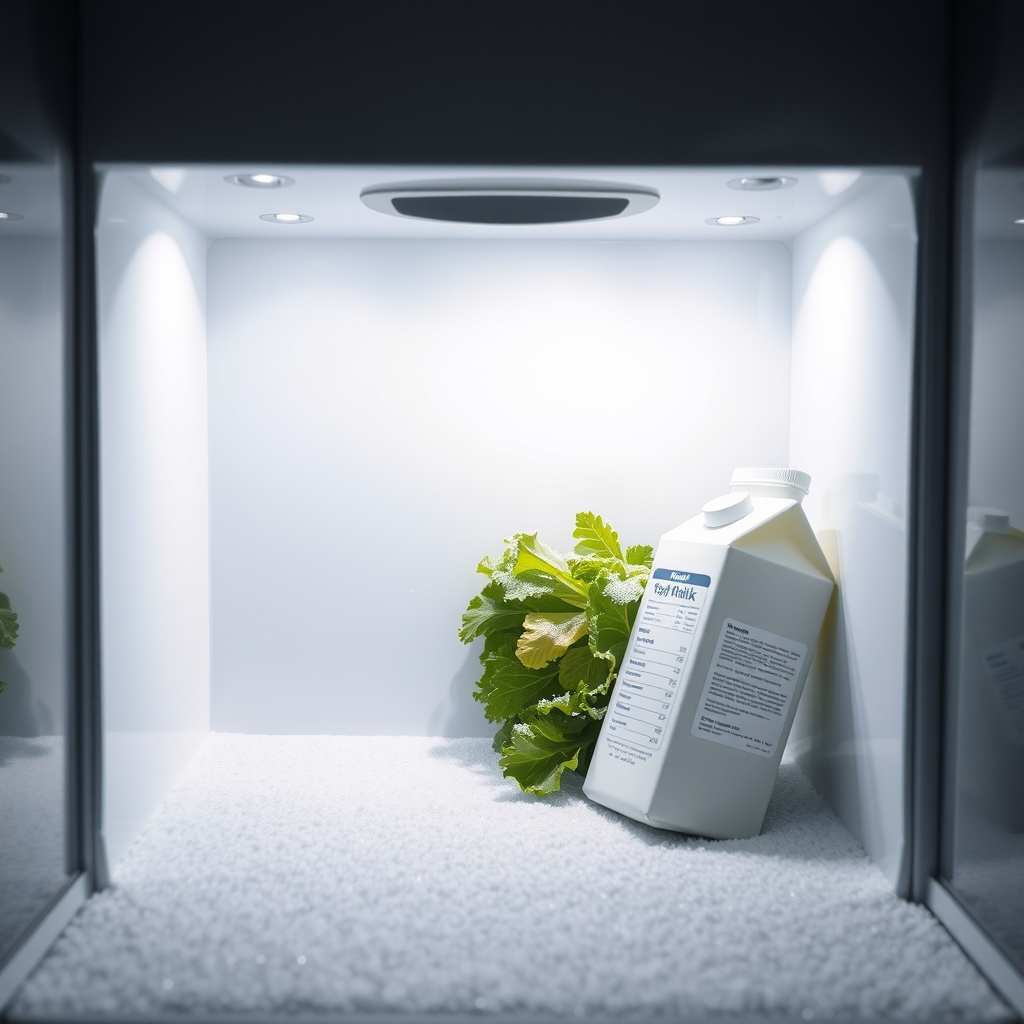
Lettuce turning to ice means cold air is blowing on it. Raise the dial, move food off the back wall, and confirm the real temperature with a thermometer.
By Jamilur Rahman Updated November 5, 2026 · 6 min read
- Time
- 20 min, plus a day to settle
- Cost
- Under $20
- Difficulty
- Easy
In this guide
Quick answer
When your fridge is too cold and freezing everything, the usual cause is a dial set too low, food pressed against the back wall, or vents blocked by packed shelves. Turn the dial one notch warmer, pull food forward and wait 24 hours. A fridge thermometer then shows the real temperature, so you stop guessing. If it still reads 32°F at the warmest setting, a part has failed.
Free fix vs. permanent fix
Raise the dial and move the food
- Set the fridge to 37°F, or one notch warmer on the dial
- Pull food off the back wall and away from the vents
- Leave gaps so cold air can circulate
- Wait 24 hours before touching the dial again
How long it lasts: Fixes it for good if the dial was too cold or the vents were blocked. It will not fix a failed part.
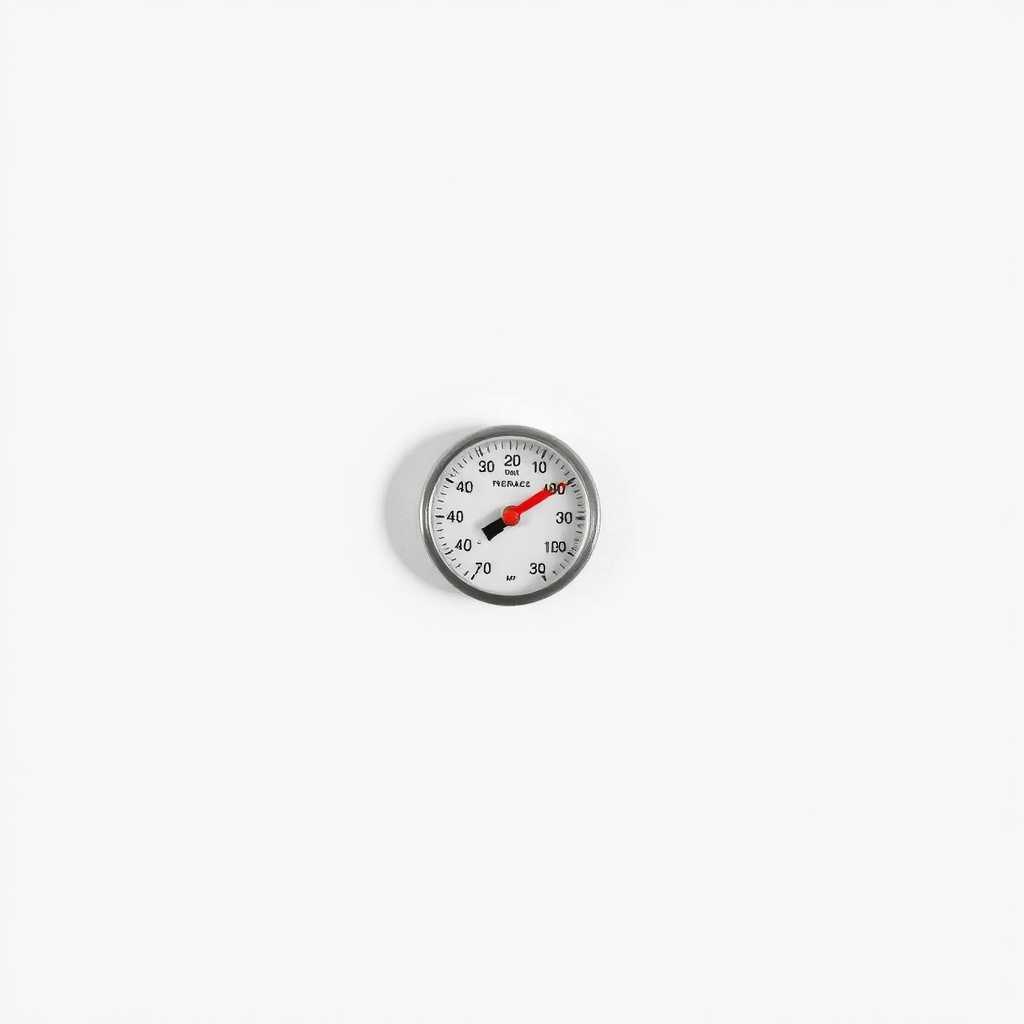
A refrigerator thermometer
Dial numbers are not degrees, and a 4 on one fridge is not a 4 on another. A thermometer on the middle shelf tells you the real temperature, so you set it once and check it when food starts freezing again. If it reads 32°F with the dial at the warmest setting, you know it is a part and not your setting.
What to get: Refrigerator thermometer
How long it lasts: Years. It shows the true temperature every time you open the door.
As an Amazon Associate I earn from qualifying purchases.
What you'll need
-
Owner's manual or model number
Shows which way the dial turns and the factory setting
You have it - Our pick Illustration
Refrigerator thermometer
Stand it in a glass of water on the middle shelf for a steady reading
- Illustration
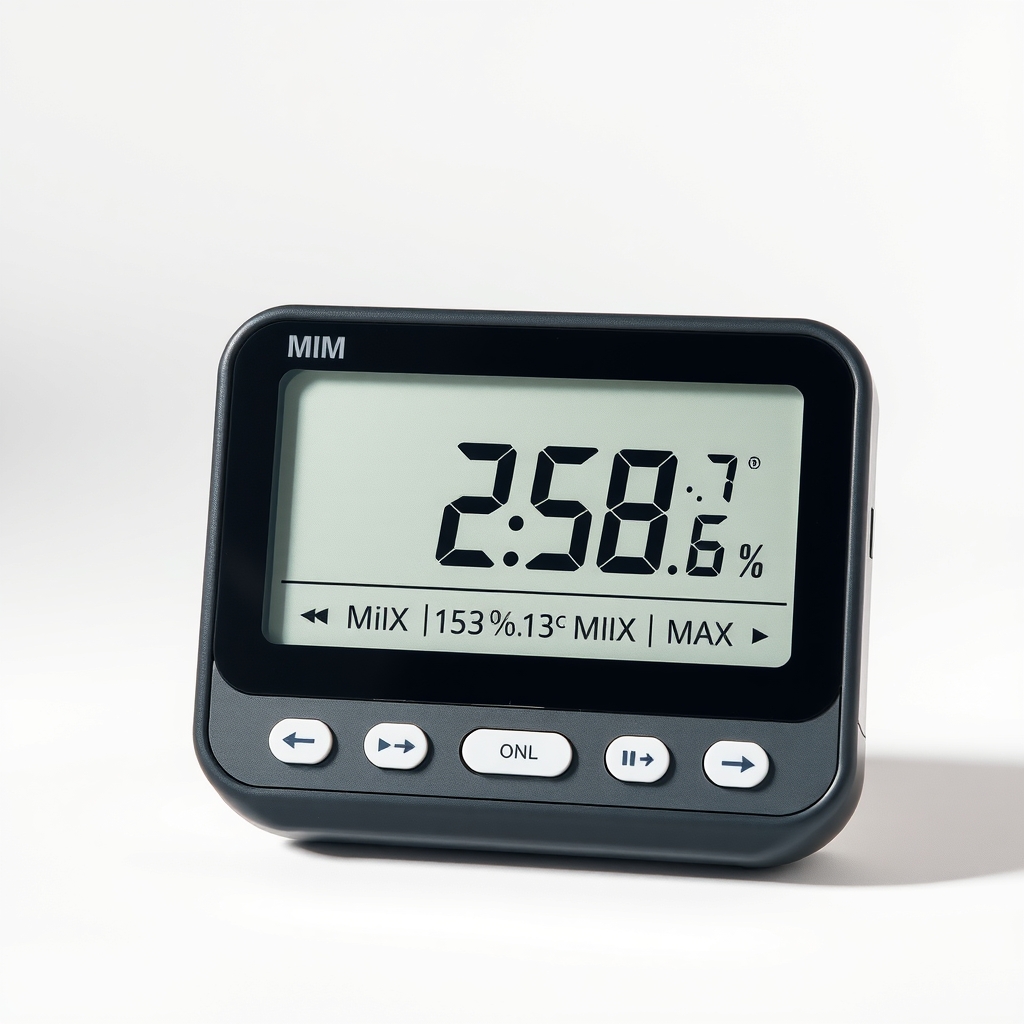
Digital thermometer with min and max memory
Shows the coldest and warmest reading overnight
-
Produce bags or lidded containers
Keep lettuce and herbs from frosting
You have it
Why it happens
A dial set too cold
Many fridges run colder than needed, or the dial was bumped or turned down in a warm spell and never turned back.
Food touching the back wall or a vent
In most fridges, cold air comes in from the back or top. Anything pressed against that spot gets blasted first, usually lettuce, drinks and eggs.
A packed fridge
Crowded shelves force cold air into narrow streams over whatever is in the way, so some food freezes while the rest stays warm.
A stuck damper or failing sensor
A damper is the flap that lets freezer air into the fridge. If it sticks open, or the temperature sensor misreads, the fridge keeps cooling past the setting. That is a repair job.
Try this first (free)
Do these in order, starting with the simplest.
-
Check which way the dial turns
Tool used: Owner's manual or model numberOn many models a higher number is colder, but on some it is reversed. Check the manual, then set it to the middle or one notch warmer. On a digital panel, set 37°F.
-
Put a thermometer on the middle shelf
Tool used: Refrigerator thermometerStand it in a glass of water and leave it 24 hours, opening the door as little as you can. A healthy fridge reads 35 to 38°F. Food safety guidance says 40°F or below.
IllustrationCheck price on AmazonTool for this step
Refrigerator thermometer · Stand it in a glass of water on the middle shelf for a steady reading
-
Move food away from the back wall and vents
Pull lettuce, drinks, yogurt and eggs a few inches forward, and leave a hand's width of space around any vent.
-
Do not cram the shelves
Leave gaps between containers. Air needs a path to reach the whole fridge instead of jetting over one box.
-
Protect your greens
Tool used: Produce bags or lidded containersKeep lettuce and herbs in the crisper drawer inside a bag or lidded container, and set the crisper slider the way the manual says.
-
Change one notch, then wait
After any change, wait 24 hours before moving the dial again. Fridges take about a day to settle, and constant tweaking is how they end up too cold.
When free fixes aren't enough
If the thermometer still reads 32°F or lower with the dial at its warmest setting, the fridge is ignoring its controls. That points to a stuck damper, a failed temperature sensor or a bad control board, and it needs a repair technician or a warranty claim. Call also if the freezer thaws while the fridge freezes, or if you see a thick frost wall at the back. A thermometer will not fix any of those, but it gives the technician a clear number.
Buy the fix
Still stuck after the free fixes? These are the products we would look at.
| Pick | Product | Fixes | Who it's for | Buy |
|---|---|---|---|---|
| Best pick | Refrigerator thermometer | guessing the temperature from a dial that shows no degrees | Anyone whose food keeps freezing or spoiling and who is not sure what the fridge really reads. | Check price |
| Upgrade pick | Digital thermometer with min and max memory | temperature swings you cannot see overnight | People whose food freezes only some nights, or who want a warning before a failing fridge spoils a full load. | Check price |
Refrigerator thermometer
Fixes: guessing the temperature from a dial that shows no degrees
Look for: A large dial or display you can read through the door gap; A range that covers about 0 to 80°F, with the safe zone marked; A hook or base so it stays put on a shelf.
- Who it's for
- Anyone whose food keeps freezing or spoiling and who is not sure what the fridge really reads.
- Honest downside
- Your fridge already has an accurate digital readout, or you own a thermometer.
Digital thermometer with min and max memory
Fixes: temperature swings you cannot see overnight
Look for: Min and max memory for overnight swings; An alarm for too cold or too warm; A sensor you can read without opening the door.
- Who it's for
- People whose food freezes only some nights, or who want a warning before a failing fridge spoils a full load.
- Honest downside
- A basic dial thermometer already shows what you need.
As an Amazon Associate I earn from qualifying purchases. We don't show prices because they change, so use the button to see today's price.
How we picked: How we picked: this page is based on food-safety temperature guidance, refrigerator owner's manuals, and what owners report in reviews of fridge thermometers. We do not test products by hand.
Which spots run coldest
- Back wall and the shelf under the vent: coldest, so keep lettuce and drinks away.
- Middle shelves: steadier, best for milk, leftovers and eggs.
- Door: warmest, so use it for condiments and juice, not milk.
What to skip
Turning the dial down and down
Changing the dial every few hours makes the swings worse, because the fridge takes up to a day to respond. Also skip stuffing a towel or cardboard over the vent. It blocks airflow and can make the freezer ice up. Moving the food works better.
Frequently asked questions
Why is my fridge freezing everything?
Why does my fridge keep freezing food even after I turned it down?
How do I know if my fridge is too cold?
Is food still safe after it froze in the fridge?
Related problems
 Free fix inside
Kitchen · Fridge
Fridge Not Getting Cold Enough? Clean the Coils Before Calling Anyone
Read the fix Free fix inside
Kitchen · Fridge
Fridge Door Seal Not Sticking? A 5-Minute Fix, Then the Gasket to Buy
Read the fix Free fix inside
Kitchen · Freezer
How to Stop Freezer Burn: 4 Free Habits, Then a Sealer Worth Buying
Read the fix Free fix inside
Kitchen · Fridge
Fridge Smells Bad? 5 Hidden Odor Spots and a Deodorizer That Lasts
Read the fixAs an Amazon Associate I earn from qualifying purchases. Affiliate disclosure