Why Does My Monitor Keep Flickering? The Cable Swap That Fixes It
Flicker, flashes and short black-outs usually come from a loose or weak video cable. Reseat it, test a spare, then fit a certified DisplayPort cable.
By Jamilur Rahman Updated November 5, 2026 · 7 min read
- Time
- 15 min
- Cost
- Under $20
- Difficulty
- Easy
In this guide
Quick answer
Why does my monitor keep flickering? Most often it is the video cable: a loose plug, a damaged cord or one too weak for your resolution and refresh rate. Reseat both ends, then test a spare cable. If the flicker stops, replace the old one with a short, certified DisplayPort cable. If it stays, check the refresh rate, the graphics driver and the power cord next.
Free fix vs. permanent fix
Reseat, test a spare and lower the refresh rate
- Unplug and firmly reseat both ends of the video cable
- Try a different port or a spare cable
- Set the refresh rate to 60 Hz and turn off variable refresh as a test
- Update the graphics driver
How long it lasts: A loose plug is fixed for good. A weak or damaged cable can flicker back.
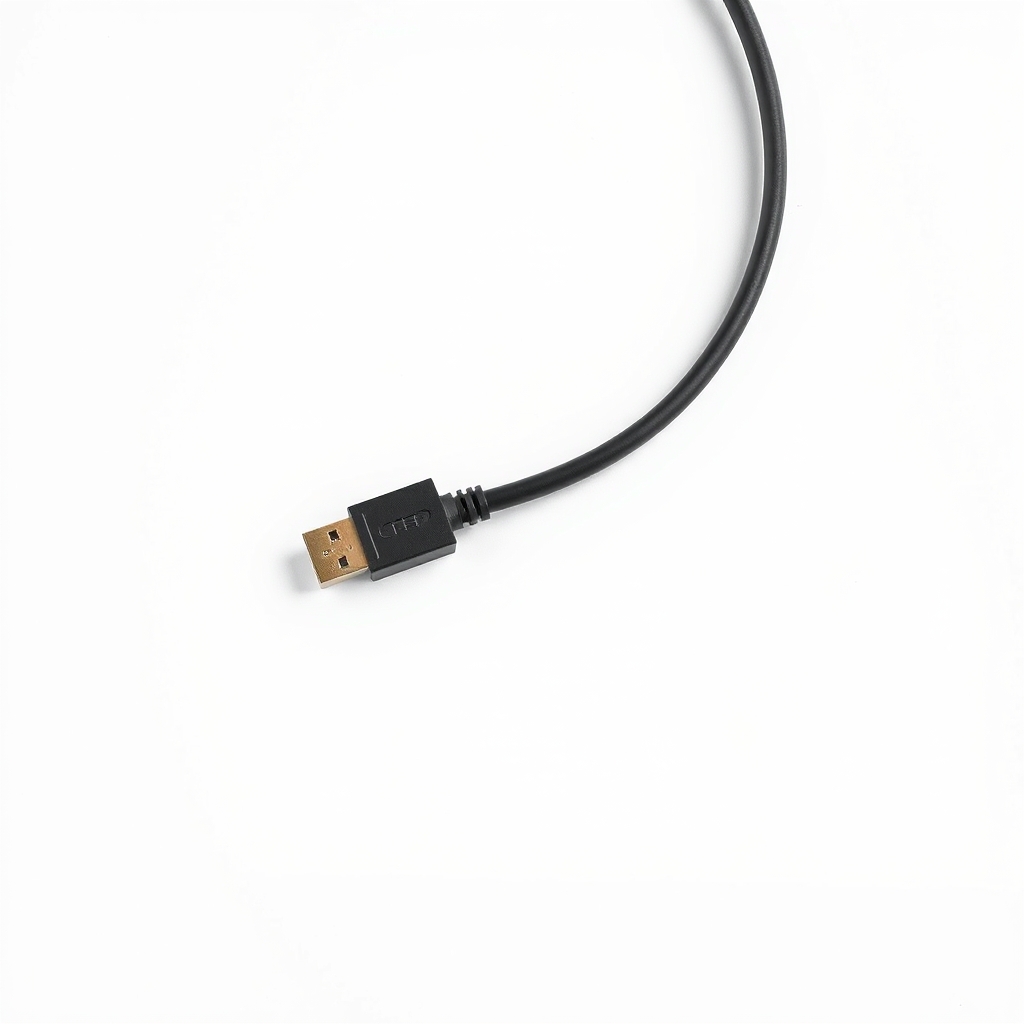
A certified DisplayPort cable
A cable that cannot carry your resolution and refresh rate drops the signal, which looks like flicker or a short black flash. A certified, short cable is built for that bandwidth, and its latch keeps it from wiggling loose.
What to get: Certified DisplayPort cable
How long it lasts: Years. A cable built for your resolution and refresh rate holds the signal steady.
As an Amazon Associate I earn from qualifying purchases.
What you'll need
-
Spare video cable
Any HDMI or DisplayPort cable you own, for a test
Free -
Another monitor or TV
Shows whether the fault is the monitor or the PC
You have it - Our pick Illustration
Certified DisplayPort cable
Short, latched and rated for your refresh rate
- Illustration
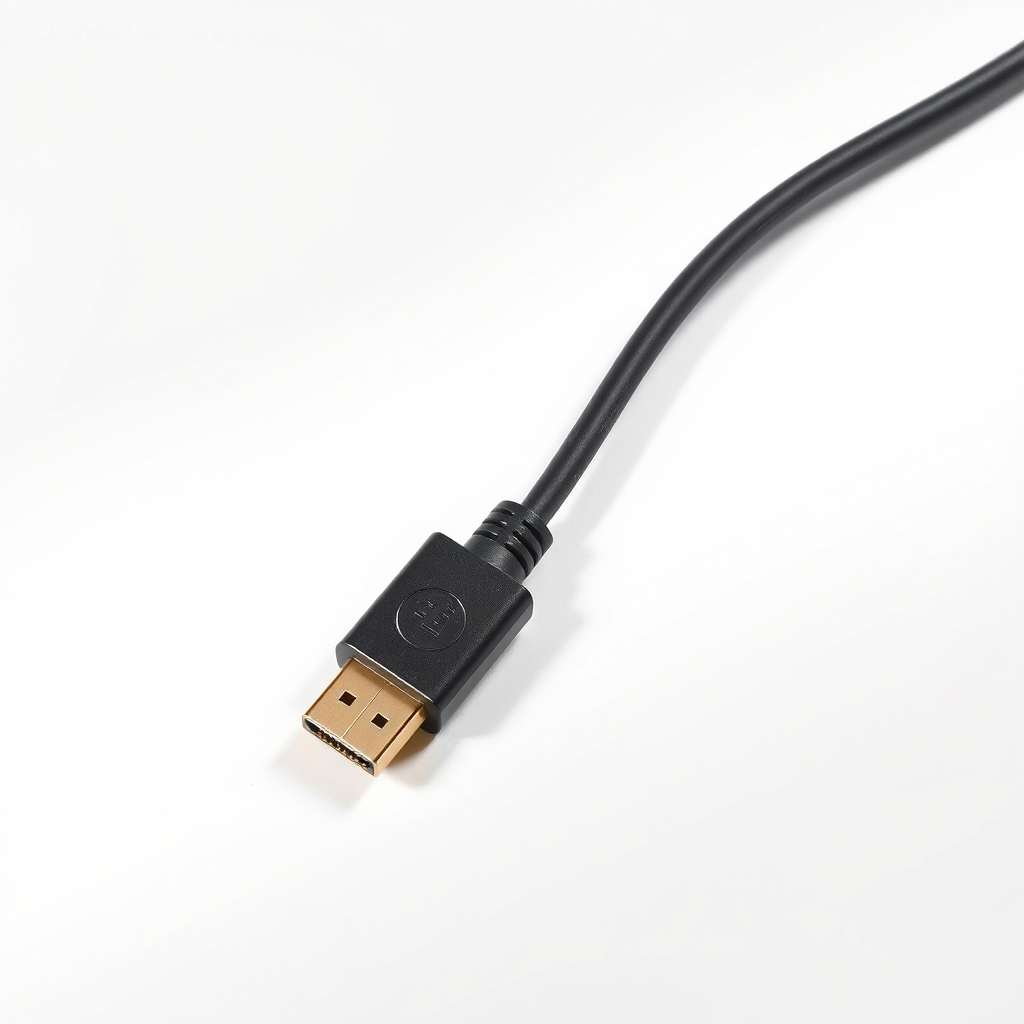
Certified HDMI cable
For monitors or PCs with no DisplayPort
Why it happens
A loose or damaged video cable
Bent pins, a worn jacket or a plug that is not fully seated cut the signal for a moment. That looks like a flicker or a black blink.
A cable that is too weak or too long
High resolution and high refresh rates need more bandwidth. An old, cheap or very long cable cannot keep up, and the picture breaks up.
Refresh rate or adaptive sync settings
Variable refresh, such as G-Sync or FreeSync, can flicker on some monitors, and a wrong refresh rate setting can cause flashes.
Graphics driver trouble
A buggy or outdated driver can reset the display for a second, which looks like the screen going black.
A power problem or a failing panel
A loose power cord or an overloaded strip can make a monitor turn off and on. If flicker follows the monitor to another PC and cable, the monitor is failing.
Try this first (free)
Do these in order, starting with the simplest.
-
Reseat the video cable
Turn the monitor off and unplug both ends of the cable. Look for bent pins and put it back until it seats. A DisplayPort plug clicks in. Tighten any thumbscrews.
-
Test a spare cable or a different port
Tool used: Spare video cableSwap in another cable, or move to another port on the monitor or the graphics card. If the flicker stops, the first cable or port was the cause.
-
Lower the refresh rate
In display settings, set 60 Hz and turn off G-Sync or FreeSync for an hour of normal use. If the flicker stops, the cable or the setting cannot handle the higher mode.
-
Update the graphics driver
Download the latest driver from your graphics chip maker or PC maker, install it and restart.
-
Check the power cord
Reseat the monitor's power plug and plug it straight into the wall, not a crowded power strip.
-
Swap in a certified DisplayPort cable
Tool used: Certified DisplayPort cableIf the flicker returns at your normal refresh rate, fit a short certified cable. Match the plug type to your monitor and your PC.
IllustrationCheck price on AmazonTool for this step
Certified DisplayPort cable · Short, latched and rated for your refresh rate
When free fixes aren't enough
Flicker that vanishes at 60 Hz but returns at your normal rate points to a cable that cannot carry the signal. A certified DisplayPort cable of about six feet or less is built for that bandwidth, and its latch keeps it in. If the flicker stays on a known-good cable, test the monitor on another computer. If it flickers there too, the monitor is failing. Unplug it if you smell burning or hear buzzing or popping.
Buy the fix
Still stuck after the free fixes? These are the products we would look at.
| Pick | Product | Fixes | Who it's for | Buy |
|---|---|---|---|---|
| Best pick | Certified DisplayPort cable | flicker and short black-outs from a weak or loose video cable | Anyone with a high refresh rate or 1440p or 4K monitor that has a DisplayPort jack on both ends. | Check price |
| Budget pick | Certified HDMI cable | flicker from a worn or too-weak HDMI cable | Anyone whose monitor or PC has HDMI only, or who runs at a normal refresh rate. | Check price |
Certified DisplayPort cable
Fixes: flicker and short black-outs from a weak or loose video cable
Look for: A VESA certification mark, with a version that suits your monitor; A short length, about six feet or less, to keep the signal strong; Latched connectors that click in; Plugs that match the ports on your PC and your monitor.
- Who it's for
- Anyone with a high refresh rate or 1440p or 4K monitor that has a DisplayPort jack on both ends.
- Honest downside
- Your monitor or PC has no DisplayPort. Use a certified HDMI cable instead.
Certified HDMI cable
Fixes: flicker from a worn or too-weak HDMI cable
Look for: A Premium High Speed or Ultra High Speed label; A short length; Snug connectors that do not wiggle.
- Who it's for
- Anyone whose monitor or PC has HDMI only, or who runs at a normal refresh rate.
- Honest downside
- You run a very high refresh rate that your HDMI ports do not support. Use DisplayPort.
As an Amazon Associate I earn from qualifying purchases. We don't show prices because they change, so use the button to see today's price.
How we picked: How we picked: this page is based on display troubleshooting guides from monitor and graphics makers, cable standards from the group that certifies DisplayPort, and what owners report in reviews of video cables. We do not test products by hand.
Monitor keeps going black for a second or a few seconds
A monitor that goes black randomly for a second or a few seconds is losing its signal. The usual causes are a loose or weak video cable, a driver that resets the display and a power setting that sleeps the monitor. Reseat the cable, test a spare, update the driver and check the sleep settings. If it only happens in games, the graphics card may be overheating.
Monitor flashing colors, blinking or flashing on and off
Flashing colors or a monitor that keeps blinking on and off usually means damaged pins or a weak cable, a driver fault, or a graphics card running hot. Swap the cable first. If the colors still flash on another cable and another PC, the panel is failing.
Monitor keeps turning off and on
A monitor that keeps turning off and on is often a power problem: a loose cord, a tired power strip or a failing power board. Reseat the power plug and try another outlet. If it still cycles, check the video cable. A monitor that cycles on every cable and outlet needs repair or replacement.
What to skip
Gold-plated and very long cables
Gold plating does not improve a digital signal. Certification and length matter more. A cable of 15 feet or more is more likely to drop out at high refresh rates.
Frequently asked questions
Why is my monitor flickering on and off?
How do I fix monitor flickering without buying anything?
How do I stop monitor flickering for good?
Why does my monitor keep flickering only in games or one app?
Related problems
 Free fix inside
Home Office & Cables · Monitor
Why Does My Monitor Say No Signal? Check the Cable Before the PC
Read the fix Free fix inside
Home Office & Cables · Monitor
Monitor Not Turning On? Test the Power Cord Before You Panic
Read the fix Free fix inside
Home Office & Cables · Monitor
Laptop Not Detecting Your Monitor? Adapter and Dock Fixes
Read the fix Free fix inside
Home Office & Cables · Monitor
Why Does My Monitor Have No Sound? The Speaker Fix
Read the fixAs an Amazon Associate I earn from qualifying purchases. Affiliate disclosure