How to Keep a Home Office Warm: Under-Desk and Window Fixes
A cold office is mostly drafts, a bare floor and a chilly window. Fix those for free, then warm your legs with a safe under-desk heater.
By Jamilur Rahman Updated November 5, 2026 · 7 min read
- Time
- 30 min
- Cost
- $20-$50
- Difficulty
- Easy
In this guide
Quick answer
If you are wondering how to keep a home office warm, stop the heat leaking out first: seal the drafts at the window and door, and cover the cold floor. Those free steps often take the chill off. If your legs and feet are still cold at the desk, an under-desk heater with tip-over protection warms just the spot where you sit, without heating the whole room.
Free fix vs. permanent fix
Seal drafts and layer up
- Roll a towel along the bottom of the door and window sill
- Close curtains at dusk and open them in the sun
- Put a rug or foam mat under the desk
- Wear thick socks and keep a lap blanket on the chair
How long it lasts: All winter on mild days. On cold days a room with thin windows and a bare floor can still feel chilly at desk height.
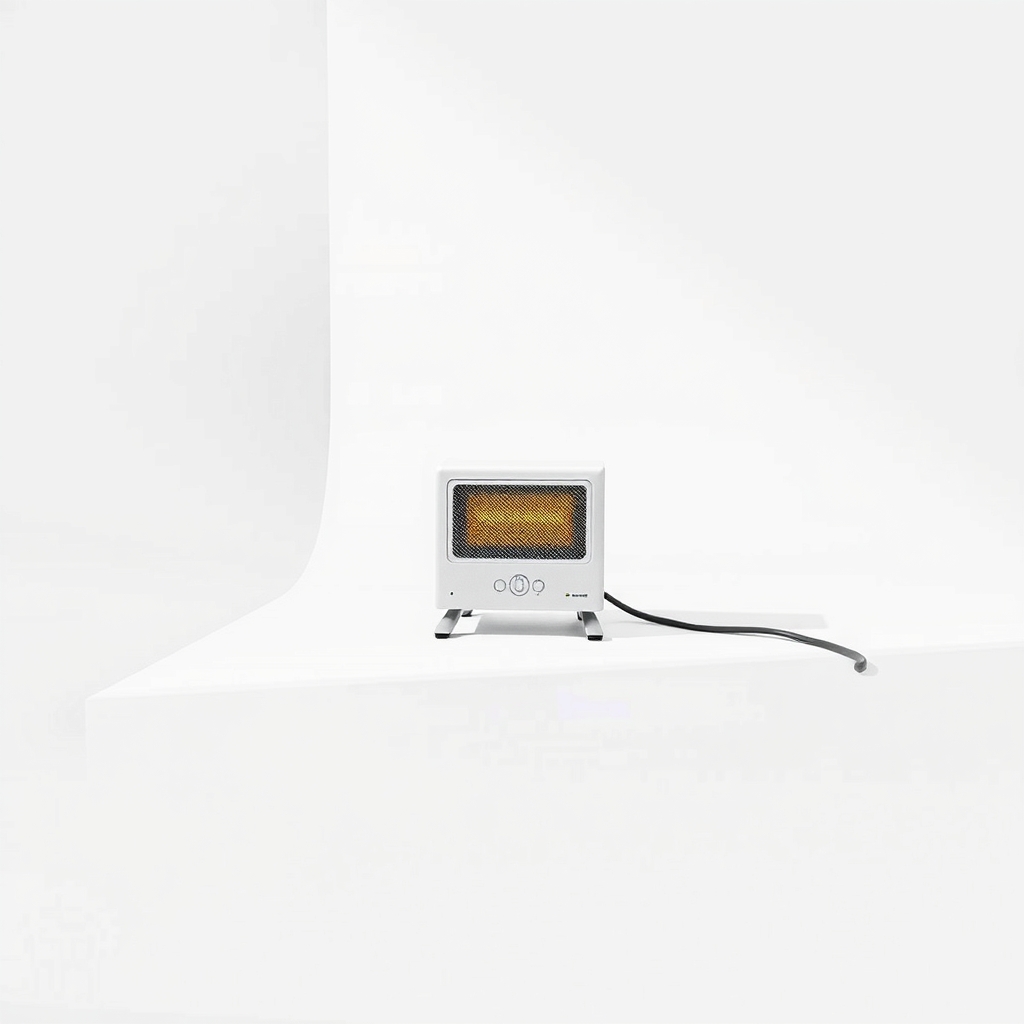
An under-desk heater with tip-over protection
Warming one small zone takes a small heater, not a whole-room blast. A tip-over switch and overheat shut-off lower the risk of a heater tucked under a desk full of cables. You run it only while you work.
What to get: Under-desk heater with tip-over protection
How long it lasts: Every winter. It warms your legs and feet, which is where most people feel the cold at a desk.
As an Amazon Associate I earn from qualifying purchases.
What you'll need
-
Rolled towel or draft blanket
Blocks the gap under the door and along window sills
You have it -
Rug or foam floor mat
Keeps your feet off a cold floor
You have it -
Lap blanket
Keeps your legs warm while you work
You have it - Illustration
Window insulation film kit
A clear film and a hair dryer cut heat loss at a cold window
- Our pick Illustration
Under-desk heater
For the cold that is left after the free steps
Why it happens
Drafts at the window and door
Gaps at window frames and under the door let cold air in and push warm air out. Cold air also sinks, so it pools around your feet.
A cold floor
A room over a garage, a crawl space or a concrete slab pulls heat out through the floor. Bare wood or tile feels colder still.
Thin or single-pane windows
Glass is the weakest part of a wall. A desk beside a big window feels cold even when the air temperature is fine.
Little or no heat supply
Converted garages, attics, basements and spare rooms often have a small vent or none. The room gets less warm air than the rest of the house.
Try this first (free)
Do these in order, starting with the simplest.
-
1. Find the drafts
Hold the back of your hand or a strip of tissue near the window edges, the door gap and any outlet on an outside wall. Where it moves or feels cold, the room is leaking heat.
-
2. Block the gaps
Tool used: Rolled towel or draft blanketRoll a towel along the bottom of the door and press one into the gap at each window sill. If you can see daylight under the door, that gap is worth closing.
-
3. Use the sun and the curtains
Open curtains on sunny windows during the day to let heat in, and close them at dusk. Thick or lined curtains slow heat loss through the glass at night.
-
4. Cover the cold floor
Tool used: Rug or foam floor matPut a rug or interlocking foam mats under the desk and chair. Lifting your feet off cold tile or wood helps right away.
-
5. Check the vent and the door
Make sure a desk or shelf is not blocking the heat vent or radiator. Keep the office door closed so the warm air stays in. If the room has no vent at all, that is the real reason it is cold.
-
6. Dress the person, not the room
Tool used: Lap blanketWear thick socks and a fleece, and keep a blanket over your lap and legs. Fingerless gloves keep your hands free for typing.
When free fixes aren't enough
If the drafts are sealed and your legs and feet are still cold, the room is simply not getting enough heat. That is common in garages, attics, basements and spare rooms. A big portable heater for the whole room is the expensive and riskier answer. An under-desk heater warms just your zone. Choose one with a tip-over switch and overheat protection, plug it straight into the wall, and keep paper and cables away from it. A window insulation film kit is a cheaper add-on if the cold comes mostly from a large window.
Buy the fix
Still stuck after the free fixes? These are the products we would look at.
| Pick | Product | Fixes | Who it's for | Buy |
|---|---|---|---|---|
| Best pick | Under-desk heater with tip-over protection | cold legs and feet while you work | Anyone who sits at a desk in a room that stays cool even after the drafts are sealed. | Check price |
| Budget pick | Window insulation film kit | cold air and heat loss at a thin or single-pane window | Anyone whose desk sits next to a large, cold window. | Check price |
Under-desk heater with tip-over protection
Fixes: cold legs and feet while you work
Look for: Automatic shut-off if the heater tips over; Overheat protection and a safety certification mark such as UL or ETL on the label; A thermostat or low and high settings, so you are not stuck with full heat; A cord long enough to reach the wall, so you do not need an extension cord.
- Who it's for
- Anyone who sits at a desk in a room that stays cool even after the drafts are sealed.
- Honest downside
- You would have to run it from a power strip or extension cord, or the space under the desk is packed with paper and cables you cannot move.
Window insulation film kit
Fixes: cold air and heat loss at a thin or single-pane window
Look for: Clear film cut to fit your window size; Double-sided tape in the box; Shrinks tight with a hair dryer.
- Who it's for
- Anyone whose desk sits next to a large, cold window.
- Honest downside
- You open that window often, or your lease forbids tape on the frame. The film is seasonal and comes off in spring.
As an Amazon Associate I earn from qualifying purchases. We don't show prices because they change, so use the button to see today's price.
How we picked: How we picked: this page is based on home heating and window-sealing guides, space heater safety advice from fire safety groups, product instructions and what owners report in reviews of under-desk heaters. We do not test products by hand.
Safety rules for any heater in a home office
- Plug it into the wall. Do not use a power strip or extension cord with a heater.
- Give it space. Keep paper, cardboard, curtains and cables clear of it, and never cover it.
- Do not leave it on unattended. Turn it off and unplug it when you leave the room or go to sleep.
- Stop if something is off. If the plug or cord feels hot, you smell burning, or the outlet is warm or discolored, unplug it and call an electrician.
- Check your smoke alarm. It should work, and a fuel-burning heater needs a carbon monoxide alarm too.
What to skip
Ovens, gas stoves and fuel-burning heaters
Never warm a room with the oven, a stove burner or a camping or propane heater. They can leak carbon monoxide and start fires. Also skip heaters with no safety mark on the label. A full-size 1,500-watt heater can trip the breaker when it shares a circuit with a computer and monitors.
Frequently asked questions
Is it safe to use a space heater under a desk?
How can I keep my feet warm at my desk without a heater?
Why is my home office colder than the rest of the house?
Does window insulation film really work?
How much does an under-desk heater cost to run?
Related problems
 Free fix inside
Home Office & Cables · Home Office Climate
How to Keep a Home Office Cool: Fan Setups That Work
Read the fix Free fix inside
Home Office & Cables · Home Office Climate
Home Office Too Dark? Lighting That Works Without Harsh Glare
Read the fix Free fix inside
Air & Temperature · Drafty Windows
Drafty Windows? Seal Them for Winter Without Replacing Them
Read the fix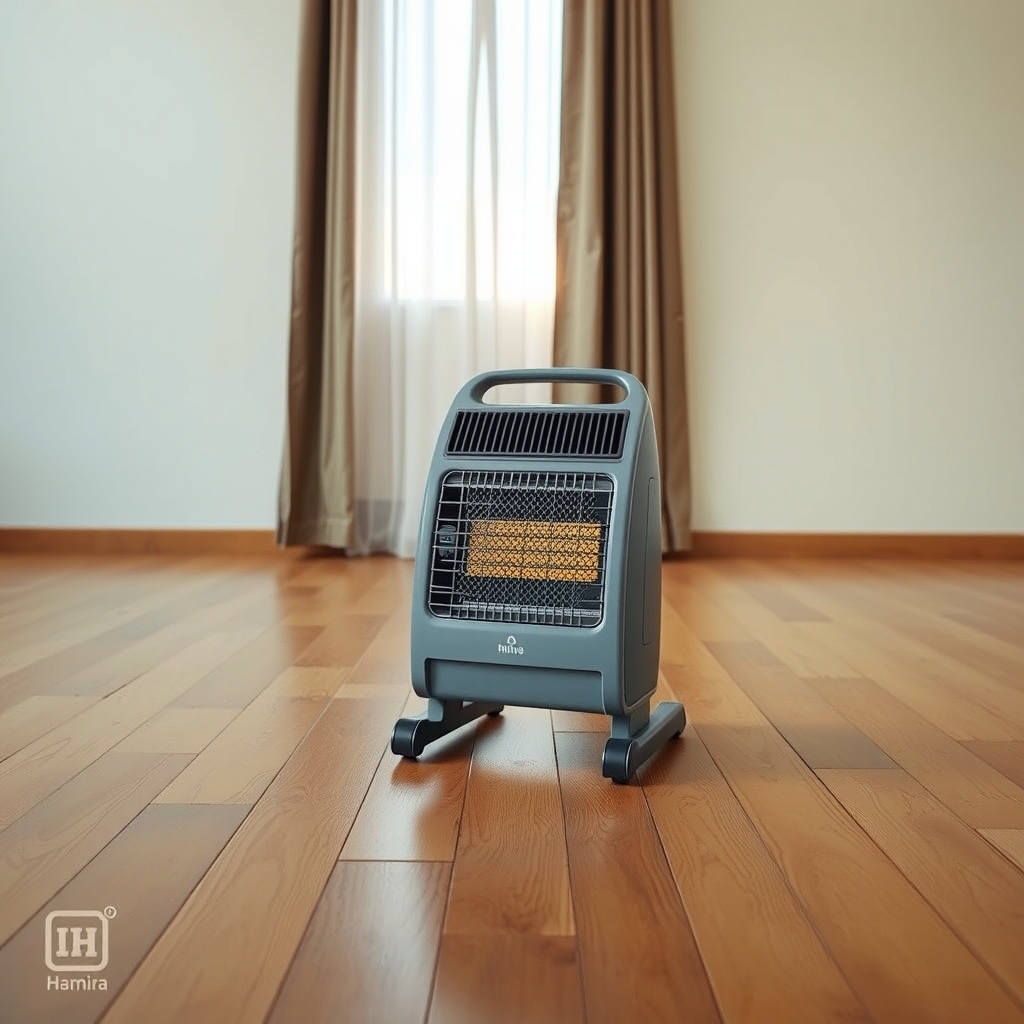 Free fix inside
Air & Temperature · Space Heater
Space Heater Safety: What to Look For Before You Buy
Read the fixAs an Amazon Associate I earn from qualifying purchases. Affiliate disclosure