Home Office Too Dark? Lighting That Works Without Harsh Glare
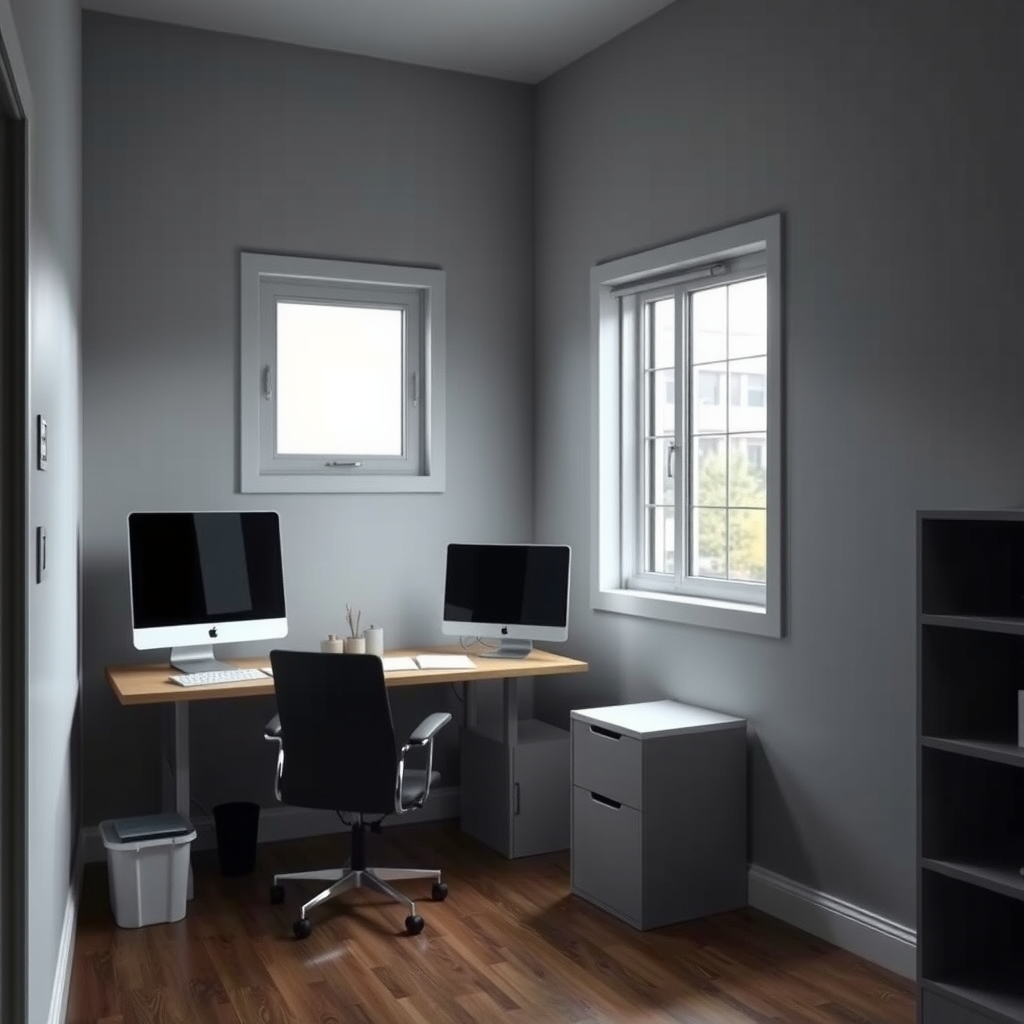
One overhead light leaves the desk dim and the corners dark. Use daylight and bulbs better first, then add a dimmable floor lamp that lights the room softly.
By Jamilur Rahman Updated November 5, 2026 · 7 min read
- Time
- 30 min
- Cost
- $50-$150
- Difficulty
- Easy
In this guide
Quick answer
An office feels dark when light comes from one overhead fixture or a small window, so the desk and walls stay dim. Turn the desk so the window is at your side, open the blinds and swap weak bulbs. For a room that stays bright all day without glare, a dimmable LED floor lamp that bounces light off the ceiling is the fix.
Free fix vs. permanent fix
Use daylight and the lamps you own
- Turn the desk so the window is at your side
- Clean the glass and raise the blinds fully
- Swap weak bulbs for the brightest your fixtures allow
- Bring in a lamp you own and aim it at the wall
How long it lasts: Enough on a sunny day. After dark, or in a north-facing room, the desk is still dim.
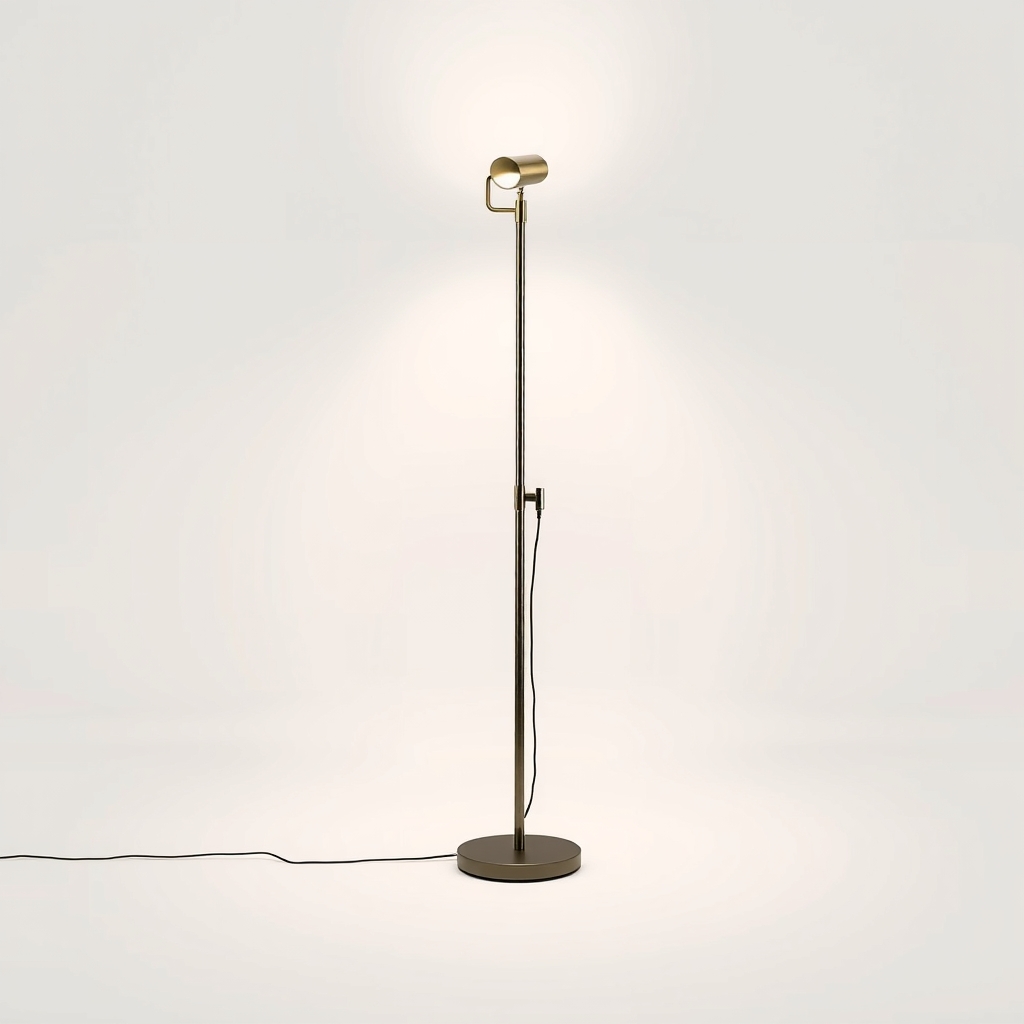
A dimmable LED floor lamp
A floor lamp that points light up bounces it off the ceiling and walls, so it fills the room softly instead of lighting one spot. A dimmer lets you run it bright at noon and low on video calls or at night, with no harsh bulb in your line of sight.
What to get: Dimmable LED floor lamp with an uplight or tilting head
How long it lasts: Years. LED lamps have long rated lives, and one lamp serves both day and night.
As an Amazon Associate I earn from qualifying purchases.
What you'll need
-
Phone light-meter app
Gives a rough lux reading; use it to compare spots, not as an exact number
Free -
Lamps you already own
Bring one in to test where light helps most
You have it - Our pick Illustration
Dimmable LED floor lamp
An uplight or tilting head keeps the bulb out of view
- Illustration
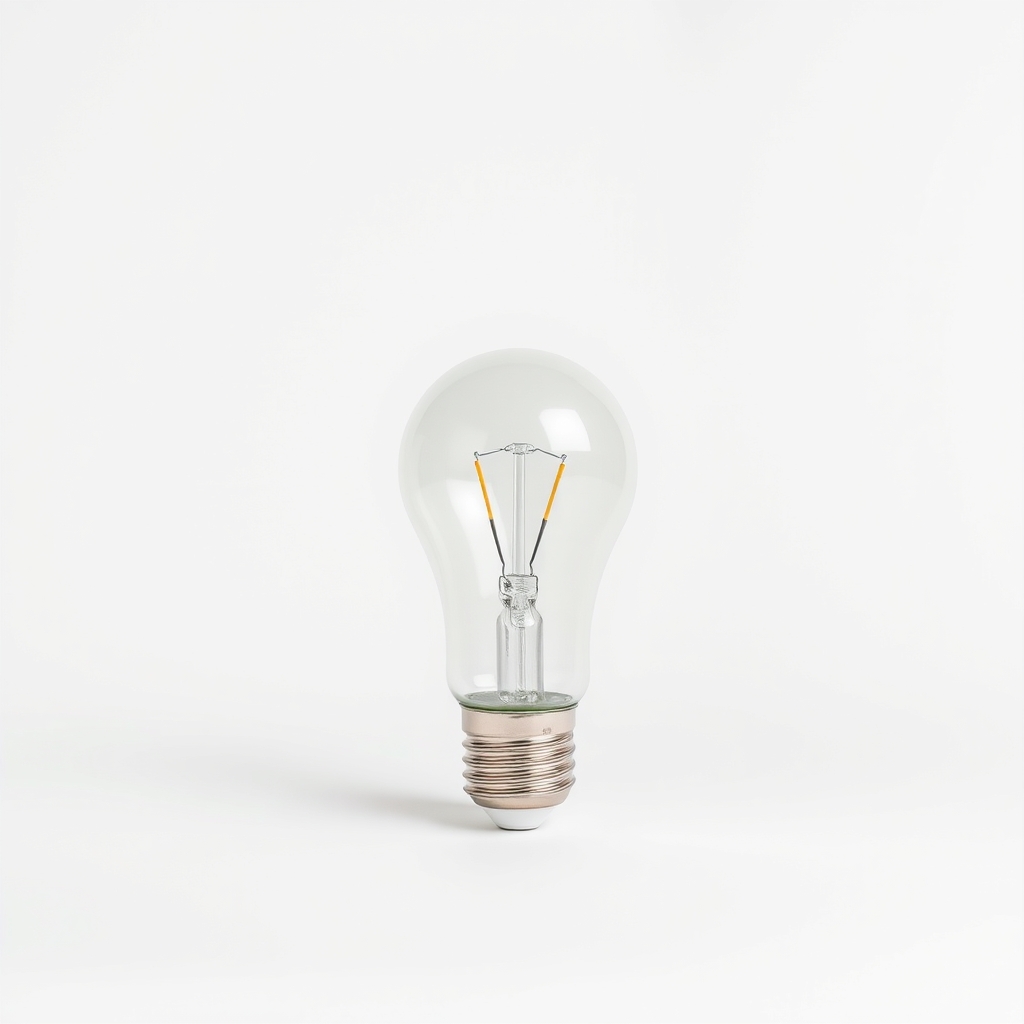
Bright high-CRI LED bulbs
The cheapest upgrade for lamps you already have
- Illustration
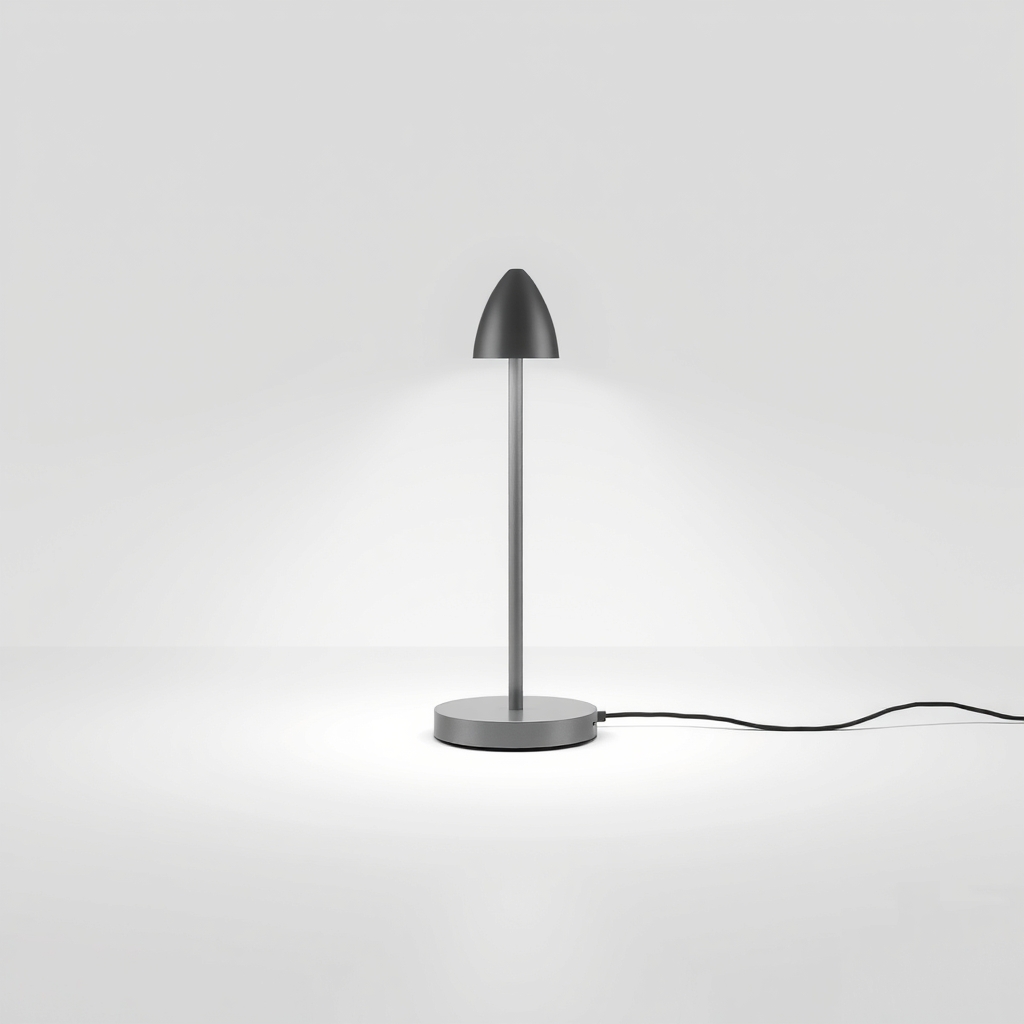
Dimmable LED desk lamp
For paper work, reading and detail tasks
Why it happens
One overhead fixture
A single ceiling light throws shadows from your head and hands onto the work, and leaves the corners dark. It also sits in your field of view and can reflect on a screen.
A small or north-facing window
North-facing windows give steady but dim light. Blinds, trees and a deep room make it worse.
Dark walls and floors
Dark paint and carpet reflect little light. A light, matte wall bounces much more of it back into the room.
Weak or old bulbs
Look at lumens, not watts. A bulb around 800 lumens replaces an old 60-watt one, and many fixtures still hold dim bulbs from years ago.
Glare that makes the room feel dark by contrast
A bare bright bulb in your view makes your eyes squint, and the rest of the room looks darker. The fix is softer light from more than one place.
Try this first (free)
Do these in order, starting with the simplest.
-
Read the room with a light-meter app
Tool used: Phone light-meter appMeasure at the desk at midday and again at night. Office lighting guides often point to roughly 300 to 500 lux for desk work. Phone sensors vary, so treat the numbers as a comparison between spots.
-
Turn the desk so the window is at your side
Light from the side shines on the work without hitting the screen. A window behind you reflects in the screen, and a window in front makes you squint.
-
Open the window up and clean it
Raise the blinds fully, pull the curtains to the sides and wipe the glass. If a branch blocks the view, trim it.
-
Test a lamp you already own
Tool used: Lamps you already ownMove a lamp into the dark corner and aim it at the wall or ceiling, not at your eyes. See whether that fixes the dim feel before you buy anything.
-
Match the bulb color to the job
Neutral white of about 3500 to 4000K suits work. Warm white of about 2700K is easier in the evening. Mixed colors in one room look patchy, so keep them close.
-
Lighten the surfaces
A light matte wall color, a pale desk mat and a white shade lift brightness. Avoid glossy surfaces near the screen, which bounce glare.
When free fixes aren't enough
If the room is still dim after you move the desk and swap the bulbs, it lacks light sources: the window is small, faces north, or you work after dark. A table lamp is a stopgap, because it lights a small pool and leaves the corners dark. Choose a floor lamp with an uplight head or a wide shade, and make it dimmable so it can run bright by day and low at night. It will not help a room with no window, and it cannot cure glare from the window itself. For that, move the screen.
Buy the fix
Still stuck after the free fixes? These are the products we would look at.
| Pick | Product | Fixes | Who it's for | Buy |
|---|---|---|---|---|
| Best pick | Dimmable LED floor lamp with an uplight or tilting head | a dim room lit by one overhead fixture, without glare on the screen | Anyone working in a room with a small or north-facing window, or after dark, and anyone on video calls who wants soft light. | Check price |
| Budget pick | Bright LED bulbs, 3500 to 4000K | weak or tired bulbs in the lamps and fixtures you already have | Anyone whose fixtures work but look dim. This is the lowest-cost step. | Check price |
| Upgrade pick | Dimmable LED desk lamp | a dim work surface for reading, writing and detail work | People who read paper, sketch or do fine work at the desk. | Check price |
Dimmable LED floor lamp with an uplight or tilting head
Fixes: a dim room lit by one overhead fixture, without glare on the screen
Look for: A dimmer within reach, from low to full; Neutral white of about 3500 to 4000K or adjustable color, with a color rendering index of 80 or higher; An uplight or tiltable head so the bulb itself is not in your view; A steady base that does not wobble.
- Who it's for
- Anyone working in a room with a small or north-facing window, or after dark, and anyone on video calls who wants soft light.
- Honest downside
- You have no floor space beside the desk, or you need pinpoint light for fine craft work. Use a desk task lamp for that.
Bright LED bulbs, 3500 to 4000K
Fixes: weak or tired bulbs in the lamps and fixtures you already have
Look for: About 800 lumens or more for a standard socket, within the fixture's rating; A color temperature of 3500 to 4000K for work; A color rendering index of 80 or higher; A dimmable label only if you have a dimmer.
- Who it's for
- Anyone whose fixtures work but look dim. This is the lowest-cost step.
- Honest downside
- A fixture is enclosed and the bulb's label says it is not for enclosed fixtures, or your dimmer is an old type that makes LEDs flicker.
Dimmable LED desk lamp
Fixes: a dim work surface for reading, writing and detail work
Look for: A head that reaches over the work and tilts; Several brightness levels; A flicker-free listing.
- Who it's for
- People who read paper, sketch or do fine work at the desk.
- Honest downside
- You work only on a screen in a room that is already bright. A floor lamp is enough.
As an Amazon Associate I earn from qualifying purchases. We don't show prices because they change, so use the button to see today's price.
How we picked: How we picked: this page is based on office lighting guidance, bulb labeling standards for lumens, color temperature and color rendering, and what owners report in reviews of floor and desk lamps. We do not test products by hand.
Layer the light: three jobs
- Ambient: a floor lamp that bounces light off the ceiling to fill the room.
- Task: a desk lamp over paper work or reading.
- Daylight: the window, with the desk turned so it lights you from the side.
Where to put the floor lamp
Place it beside or slightly behind the monitor, angled up toward the ceiling or wall. A corner works well because it bounces light off two walls. Keep shades and bulbs clear of paper and curtains, and follow the wattage rating on the lamp.
What to skip
One much brighter overhead bulb
Raising the wattage of a single ceiling fixture gives you glare and sharper shadows, not a brighter room. Spread the light across two or three sources instead, with at least one bouncing off the ceiling or wall.
Frequently asked questions
How bright should a home office be?
What color temperature is best for working?
Will a bright lamp cause glare on my monitor?
Do dimmable bulbs work in any lamp?
Can a dim office hurt my eyes?
Related problems
As an Amazon Associate I earn from qualifying purchases. Affiliate disclosure