Space Heater Safety: What to Look For Before You Buy
Most space heater fires come from placement, cords and missing shutoffs. Learn the features to demand and the habits that prevent a fire.
By Jamilur Rahman Updated November 5, 2026 · 6 min read
- Time
- 20 min
- Cost
- $50-$150
- Difficulty
- Easy
In this guide
Quick answer
To keep space heaters safe, buy a model with tip-over and overheat shutoffs and a UL or ETL safety listing, plug it straight into a wall outlet, and keep everything that can burn at least 3 feet away. Turn it off when you leave the room or go to sleep. Fire safety groups report that the most common cause of space heater fires is a heater too close to bedding, furniture or curtains.
Free fix vs. permanent fix
Fix how you use the heater
- Clear a 3-foot zone: no bedding, curtains, clothes or paper
- Plug straight into a wall outlet, never a power strip or extension cord
- Set it on a flat, hard floor, not on a table or a rug
- Turn it off when you leave the room or fall asleep
How long it lasts: As long as you keep the habits. It cannot add safety features the heater lacks.
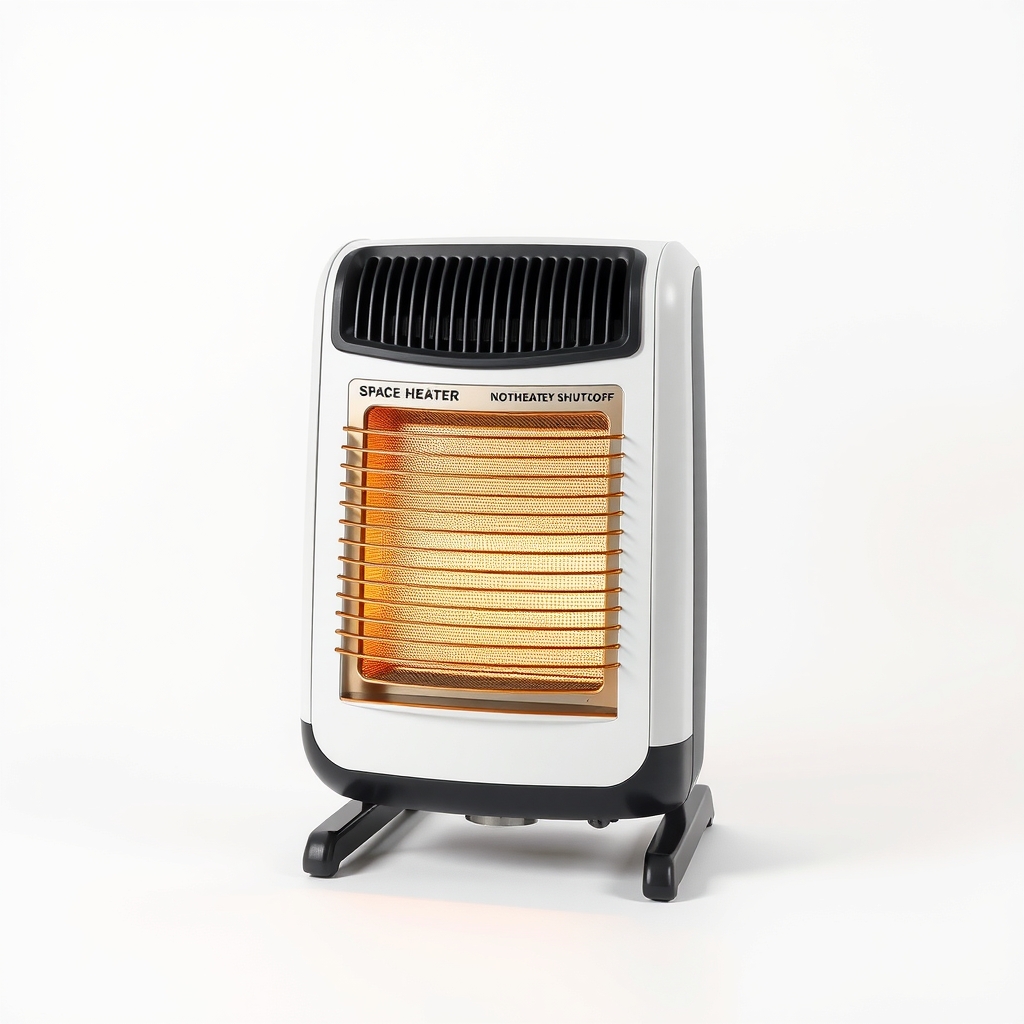
A heater with tip-over and overheat shutoff
Habits slip. A heater that shuts itself off when it tips or runs too hot adds a layer of safety that does not depend on you. Many older and uncertified heaters lack both, so a listed newer model is the safest upgrade.
What to get: Space heater with tip-over and overheat shutoff
How long it lasts: Every heating season for years. The shutoffs work whether or not you remember.
As an Amazon Associate I earn from qualifying purchases.
What you'll need
-
Yardstick or tape measure
Measures the 3-foot clear zone
You have it - Illustration
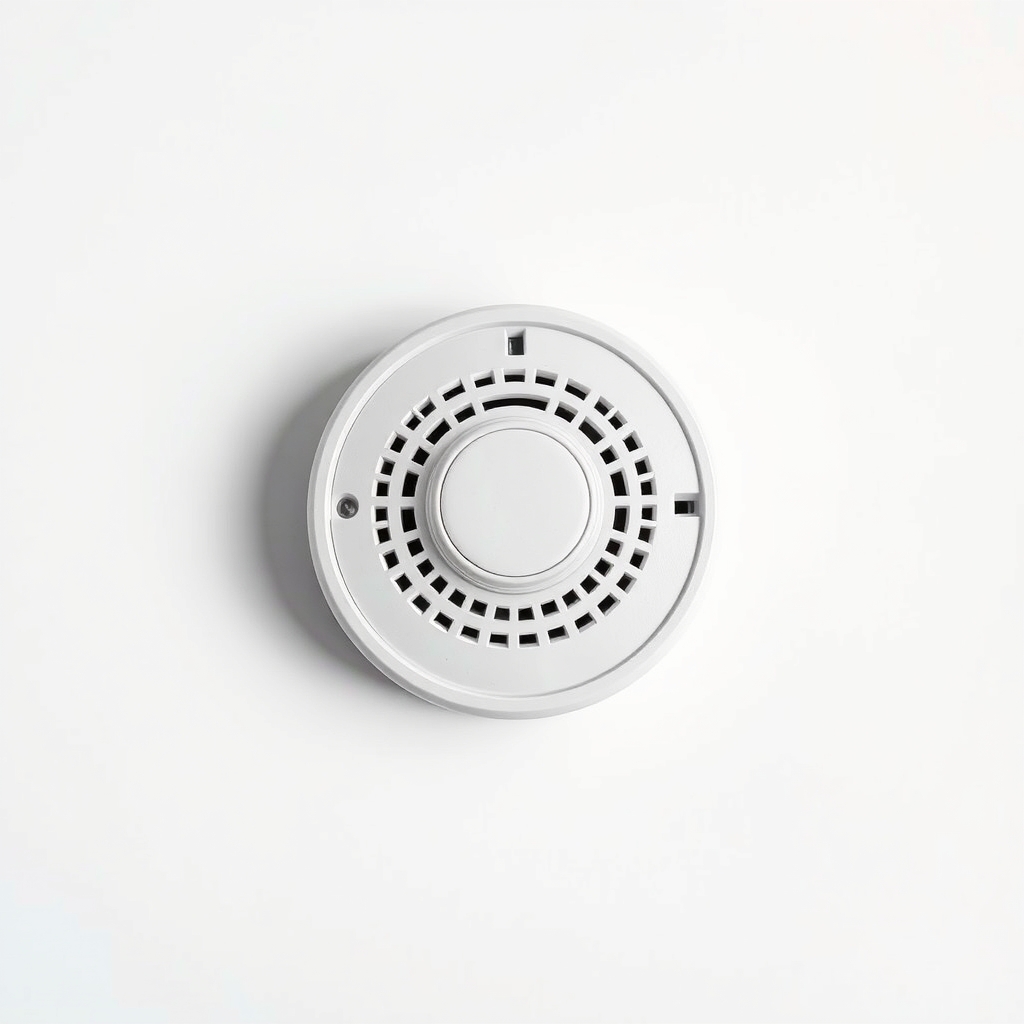
Smoke alarm
Test it monthly; put one in each bedroom
- Our pick Illustration
Space heater with tip-over and overheat shutoff
Look for a UL or ETL listing
- Illustration
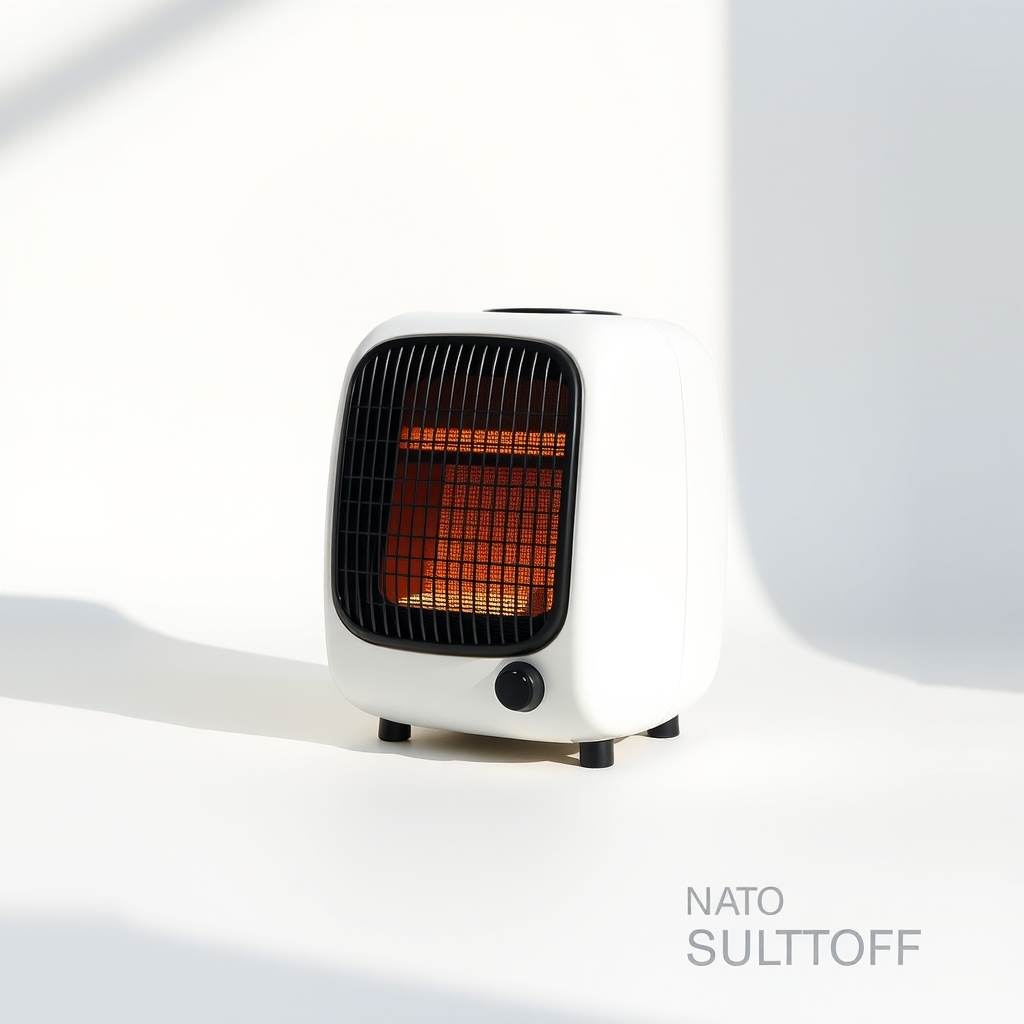
Small ceramic heater with auto shutoff
Compact and cheaper, for a small zone
- Illustration
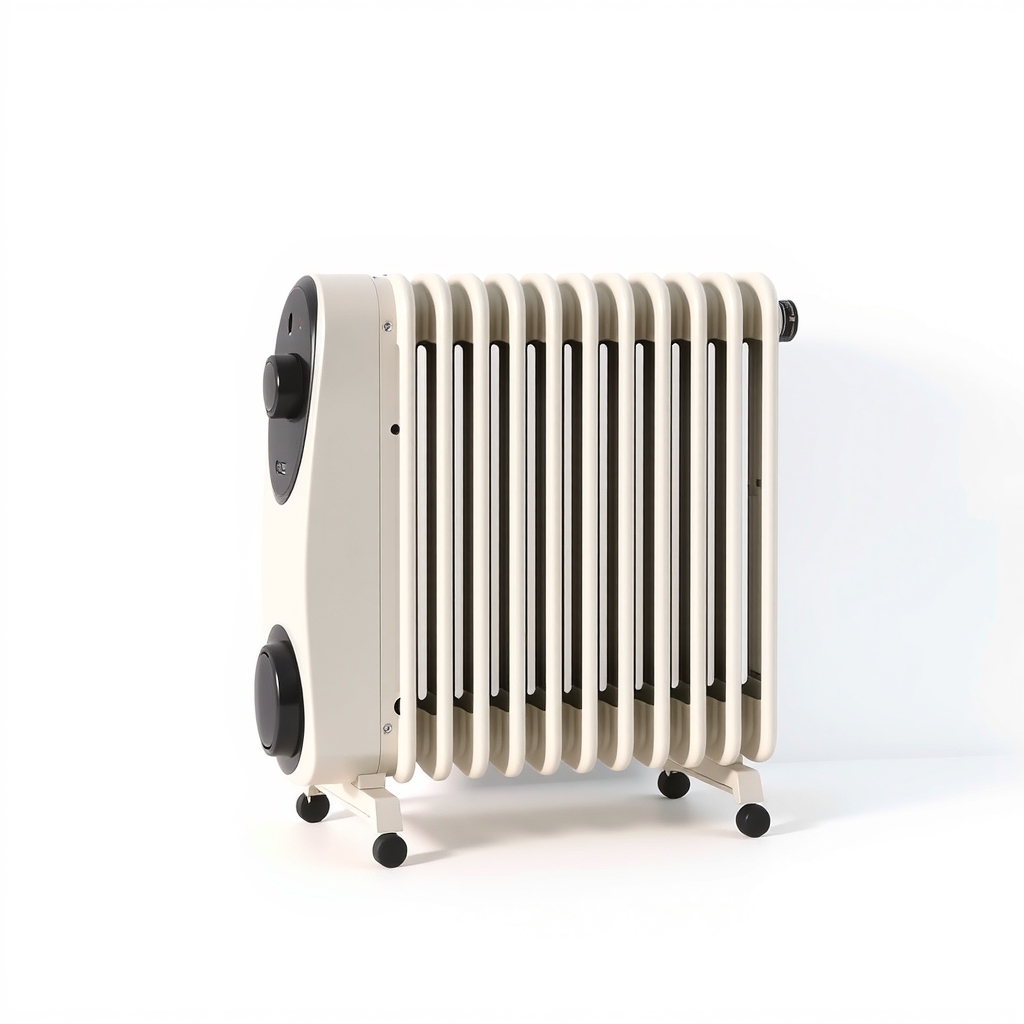
Oil-filled radiator heater
No glowing element; slower, heavier
Why it happens
Too close to things that burn
Radiant heat can ignite bedding, curtains, couches, clothes and paper that sit too close to the heating element.
Extension cords and power strips
Heaters draw a lot of power. Cords and strips can overheat, and the plug or outlet can melt.
Tip-overs
Pets, kids and uneven floors can knock a heater over. Without a tip-over switch it keeps heating on its side.
Old, damaged or unlisted heaters
Frayed cords, loose plugs, missing guards and heaters with no safety listing carry higher risk.
Running it unattended
A heater left on all night or while you are out has no one watching it if something goes wrong.
Try this first (free)
Do these in order, starting with the simplest.
-
Measure a 3-foot clear zone
Tool used: Yardstick or tape measureUse a yardstick to mark 3 feet on every side of the heater. Move bedding, curtains, clothes, paper and furniture out of that space.
-
Plug straight into the wall
Use a wall outlet, not a power strip or extension cord. If the plug or outlet feels hot, stop using the heater and have the outlet checked.
-
Inspect the heater
Look for frayed or cracked cords, a loose plug, scorch marks or a missing guard. Replace a damaged heater. Do not repair it yourself.
-
Set it on a flat, hard floor
Never put it on a bed, couch, rug pile or table where it can tip. Keep it out of reach of pets and small children.
-
Test your smoke alarm
Tool used: Smoke alarmPress the test button monthly, and replace batteries as needed. Put one in the room where you use the heater, and one in each bedroom.
IllustrationCheck price on AmazonTool for this step
Smoke alarm · Test it monthly; put one in each bedroom
When free fixes aren't enough
Good habits do not replace built-in protection. If your heater has no tip-over switch, no overheat shutoff, a cord that runs warm or no safety listing, replace it. A good new heater adds shutoffs that act when you forget or when something gets knocked over. If you notice a burning smell, sparks, smoke or a hot, discolored plug, unplug the heater if it is safe to do so, stop using it, and call an electrician if the outlet is affected. Call emergency services for any fire. Never leave a heater running in an empty house.
Buy the fix
Still stuck after the free fixes? These are the products we would look at.
| Pick | Product | Fixes | Who it's for | Buy |
|---|---|---|---|---|
| Best pick | Space heater with tip-over and overheat shutoff | fire risk from tip-overs and overheating | Anyone heating a bedroom, office or other small room. | Check price |
| Budget pick | Small ceramic heater with auto shutoff | an unsafe old heater at a low price | Desks, bathrooms rated for it, small rooms and short-term use. | Check price |
| Upgrade pick | Oil-filled radiator heater with thermostat | an exposed glowing element, with steady, quiet heat | People who want longer, steady heat in a bedroom or office. | Check price |
Space heater with tip-over and overheat shutoff
Fixes: fire risk from tip-overs and overheating
Look for: Both tip-over and overheat protection named in the listing; A UL or ETL safety listing on the product or label; A thermostat or adjustable settings so it cycles instead of running flat out; A guarded or cool-touch housing.
- Who it's for
- Anyone heating a bedroom, office or other small room.
- Honest downside
- You need to heat a whole house. A space heater is for spot warmth in one small room.
Small ceramic heater with auto shutoff
Fixes: an unsafe old heater at a low price
Look for: Tip-over and overheat protection; A UL or ETL listing; A wide, stable base.
- Who it's for
- Desks, bathrooms rated for it, small rooms and short-term use.
- Honest downside
- You want to run it for hours in a large room. Small heaters are built for a small zone.
Oil-filled radiator heater with thermostat
Fixes: an exposed glowing element, with steady, quiet heat
Look for: Tip-over and overheat shutoff; An adjustable thermostat; A timer or auto-off setting; Wheels and a stable base.
- Who it's for
- People who want longer, steady heat in a bedroom or office.
- Honest downside
- You want instant heat or a light heater to carry around. Oil-filled units heat slowly and weigh more, and their surface still gets hot.
As an Amazon Associate I earn from qualifying purchases. We don't show prices because they change, so use the button to see today's price.
How we picked: How we picked: this page is based on home heating safety guidance from fire-safety and consumer-safety groups, product manuals, and what owners report in reviews about shutoffs and build quality. We do not test products by hand.
Safety checklist before you buy
- Tip-over and overheat shutoffs, both named in the listing.
- A UL or ETL listing mark.
- A thermostat or settings, so it does not run flat out.
- A heavy 3-prong plug and a thick cord, with a guard over the heating element.
- A wattage your outlet can handle. Do not share the circuit with other high-power devices, and stop if the breaker trips.
Fuel-burning heaters indoors
Kerosene, propane and other fuel-burning heaters that are not made for indoor use can release carbon monoxide and start fires. Do not use outdoor or garage heaters inside a home. If your home has any fuel-burning appliance, keep a working carbon monoxide alarm near the bedrooms.
What to skip
Extension cords, power strips and unattended heaters
Skip plugging a heater into a power strip or an extension cord. They are not built for that load. Also skip heaters with no brand, no safety listing or no tip-over switch, and never use a heater to dry clothes or warm a bed under the covers.
Frequently asked questions
How to avoid space heater fires?
Is it safe to leave a space heater on overnight?
Can I use an extension cord with a space heater?
Is an oil-filled radiator safer than a ceramic heater?
Related problems
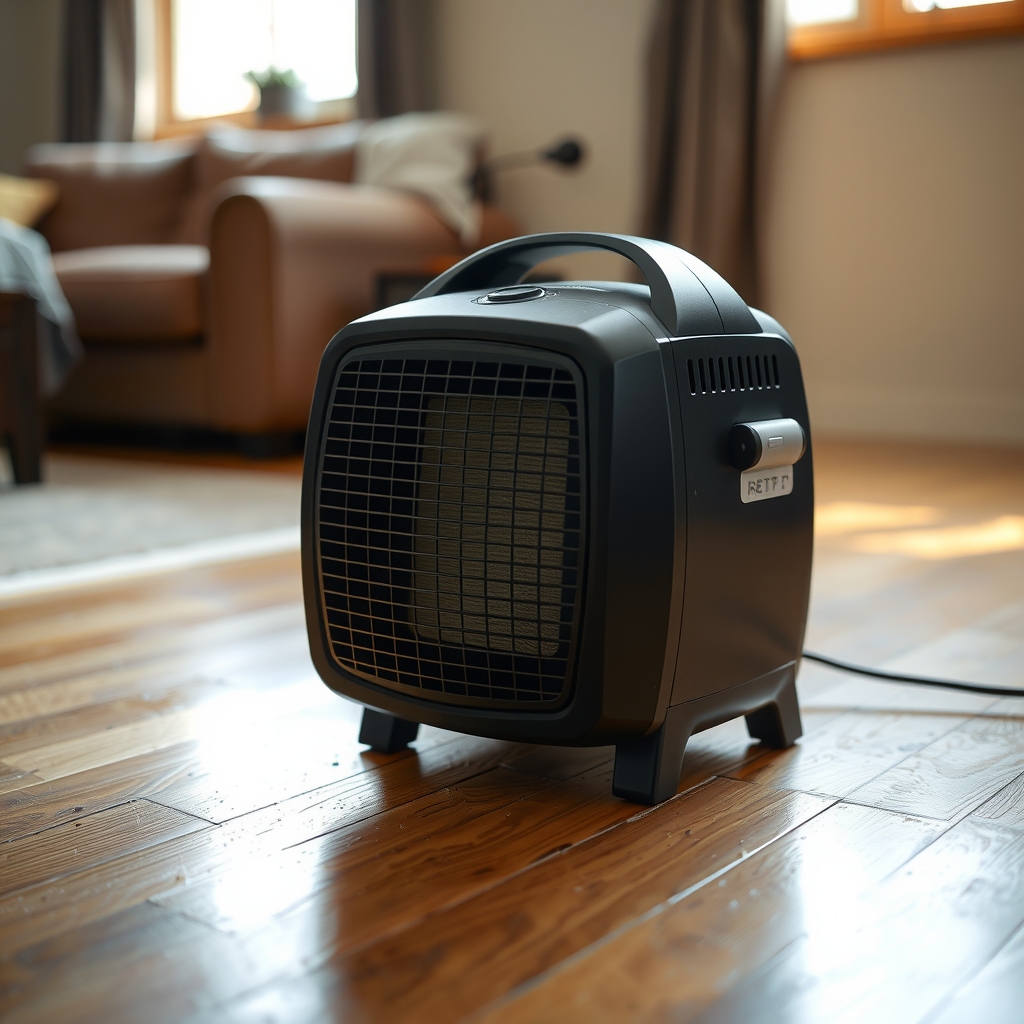 Free fix inside
Air & Temperature · Space Heater
Space Heater Keeps Turning Off? 4 Causes and a Safe Fix
Read the fix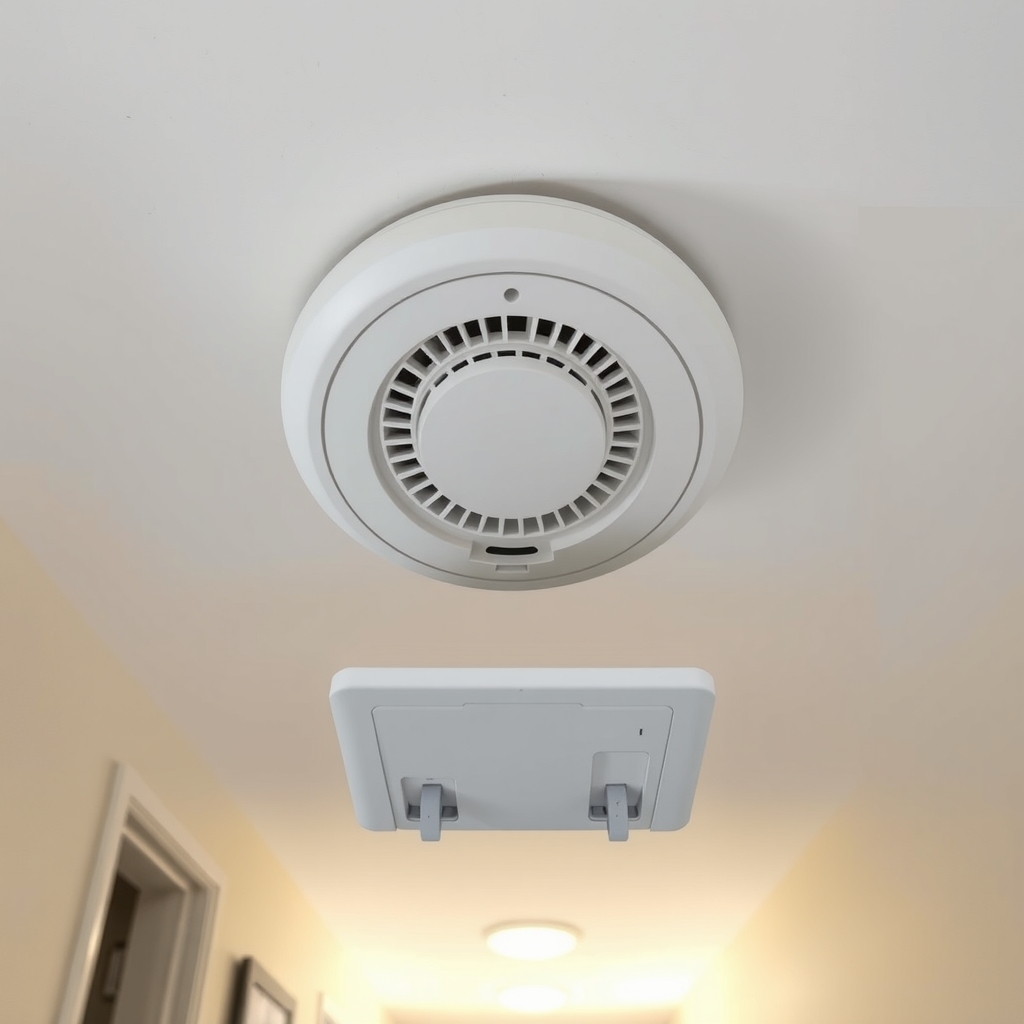 Free fix inside
Air & Temperature · Smoke Alarm
Apartment Smoke Alarm Beeping? Start With the Battery
Read the fix Free fix inside
Bedroom & Sleep · Bedroom Temperature
Bedroom Too Cold at Night? Warm the Bed, Not the Whole House
Read the fix Free fix inside
Air & Temperature · Drafty Windows
Drafty Windows? Seal Them for Winter Without Replacing Them
Read the fixAs an Amazon Associate I earn from qualifying purchases. Affiliate disclosure