Bedroom Too Cold at Night? Warm the Bed, Not the Whole House
Heating a whole room to warm one bed wastes energy. Seal the drafts, layer smart, then use a heated mattress pad to warm the bed itself.
By Jamilur Rahman Updated November 5, 2026 · 7 min read
- Time
- 30 min
- Cost
- $50-$150
- Difficulty
- Easy
In this guide
Quick answer
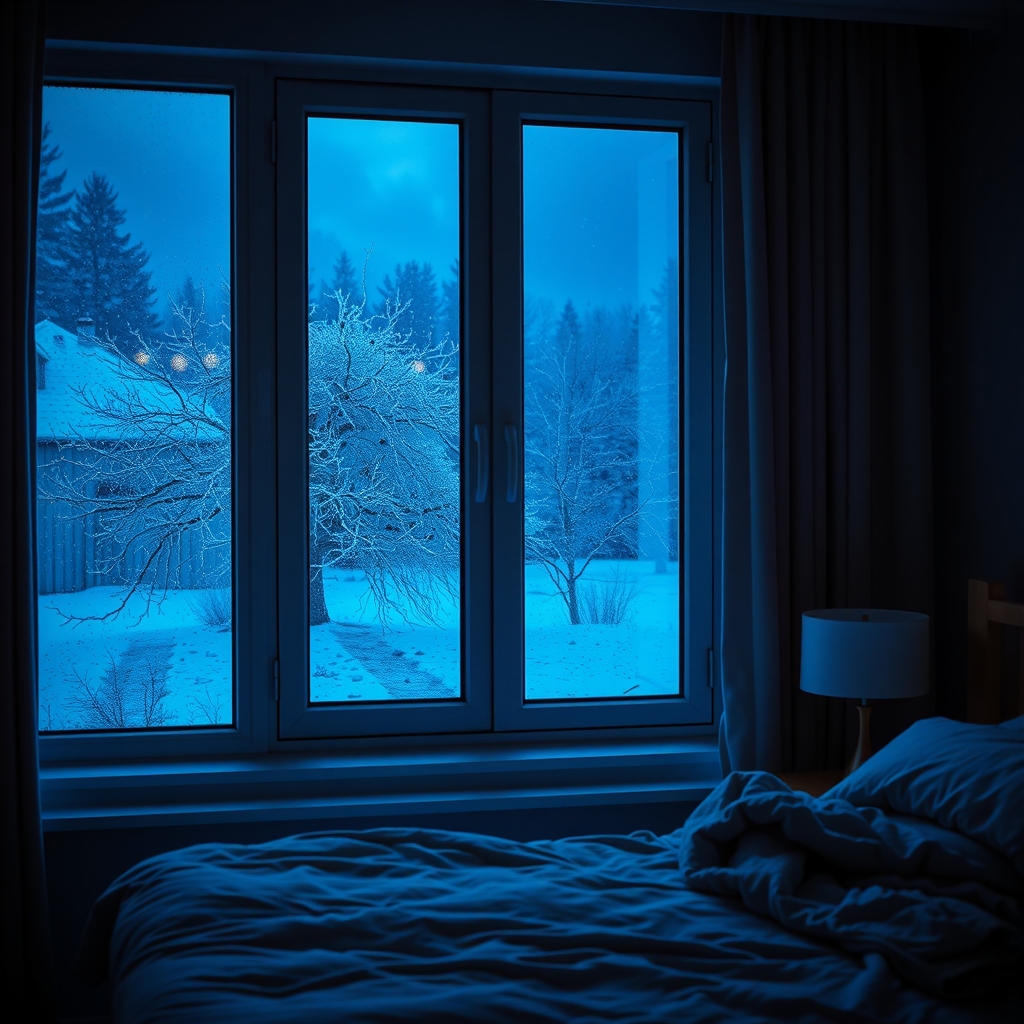
If your bedroom is too cold at night, you do not need to heat the whole room. Stop the drafts, close thick curtains at dusk and layer your bedding with a wool or fleece blanket. If you still wake up cold, a heated mattress pad warms the bed itself, so you can keep the room cool and the heating bill low.
Free fix vs. permanent fix
Block drafts and layer up
- Seal gaps around the window and under the door with towels or draft stoppers
- Close thick curtains at dusk and keep them shut until morning
- Layer a flannel sheet, a wool or fleece blanket and your comforter
- Warm the bed with a hot water bottle before you get in
How long it lasts: All winter on a mild night. On very cold nights, blankets alone may not warm a cold bed.
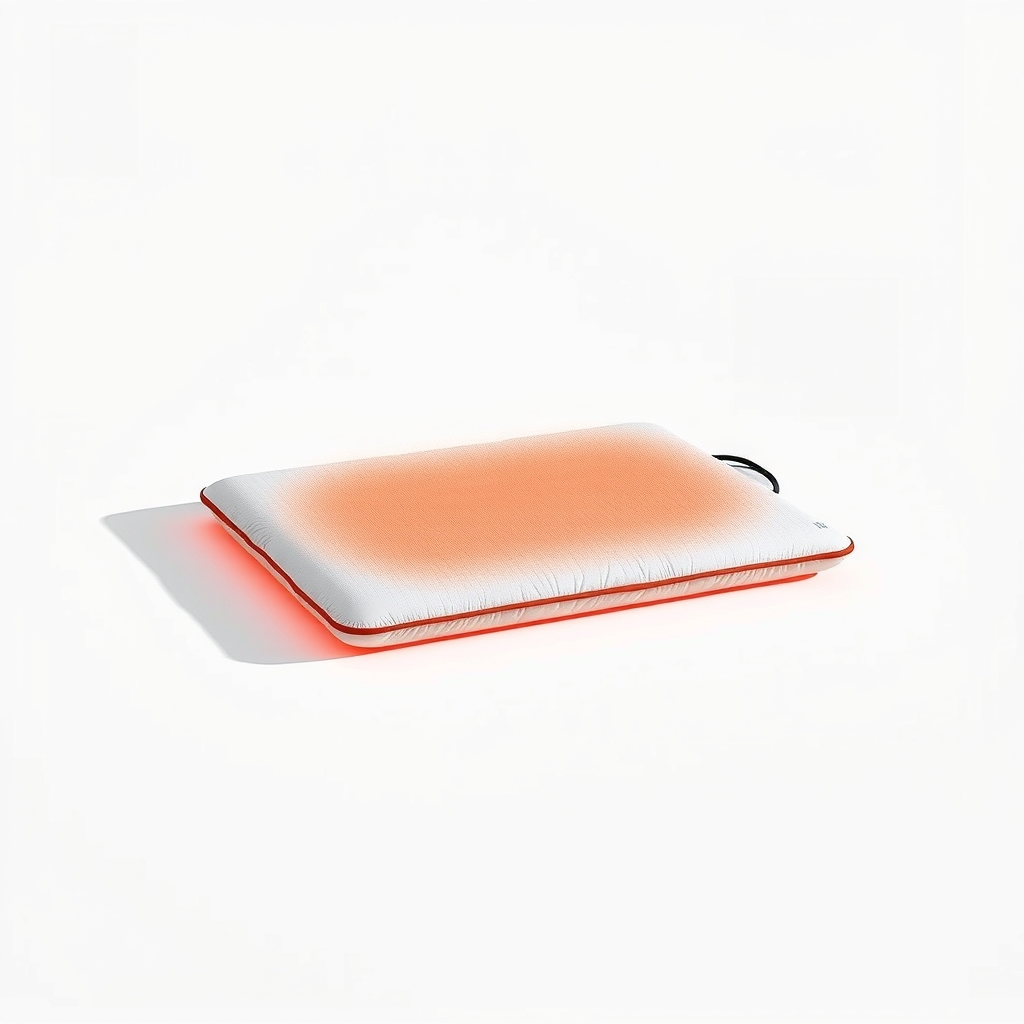
A heated mattress pad with auto shut-off
A cold room is fine for sleep. What bothers you is a cold bed. A heated pad warms the surface you lie on, so you can keep the room cool and still sleep warm, and it uses far less power than heating the whole room.
What to get: Heated mattress pad with auto shut-off
How long it lasts: Years of winters. You pre-heat the bed, then dial it down or let the timer turn it off.
As an Amazon Associate I earn from qualifying purchases.
What you'll need
-
Towel or draft stopper
Along the bottom of the door and any leaky window
You have it -
Wool or fleece blanket
Layer it between the sheet and the comforter
You have it - Illustration
Window insulation film kit
Seals a leaky single-pane window from the inside
- Illustration
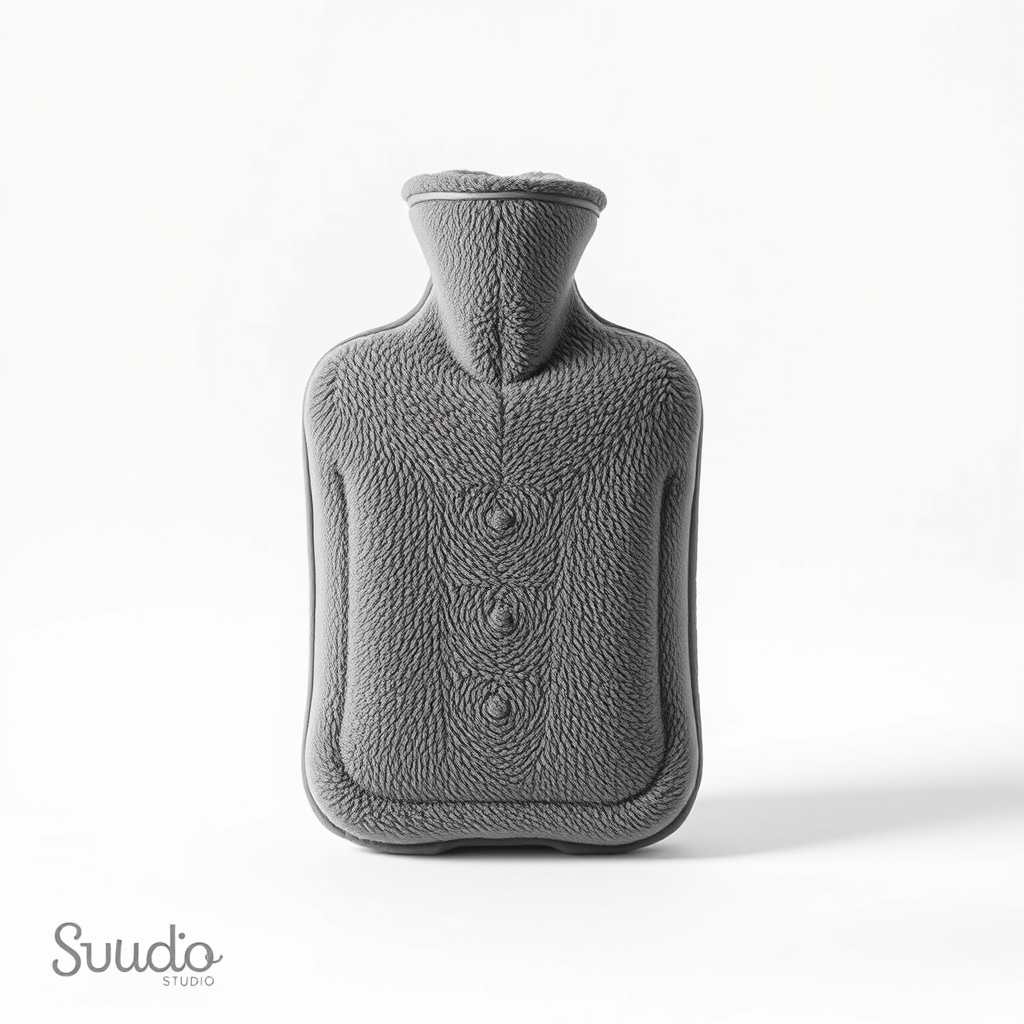
Hot water bottle with a cover
Warms the bed before you get in
- Our pick Illustration
Heated mattress pad
For nights when blankets are not enough
Why it happens
Drafts at the window and door
Gaps around old windows and under the bedroom door let in cold air that flows across the floor and the bed. You feel it as a chill on your face and feet.
Cold walls and glass
Exterior walls and single-pane windows are cold surfaces. Your body loses heat to them, so a bed near a window or outside wall feels colder than the thermostat says.
Heating that does not reach the room
A closed vent, a far-away radiator or a thermostat set low at night can leave one bedroom colder than the rest of the house.
Bedding that does not trap heat
Thin cotton sheets and a light comforter let heat escape. A cold mattress also pulls warmth from you until it warms up.
Try this first (free)
Do these in order, starting with the simplest.
-
Find and stop the drafts
Tool used: Towel or draft stopperOn a windy day, hold your hand near window edges and the bottom of the door. Roll a towel along the door base, or fit a draft stopper. Cold air from gaps matters more than the room temperature.
-
Insulate the window and close curtains
Tool used: Window insulation film kitOn a single-pane window, a clear insulation film kit adds a still-air layer. Close thick or lined curtains at dusk so the glass does not drain heat from the room.
IllustrationCheck price on AmazonTool for this step
Window insulation film kit · Seals a leaky single-pane window from the inside
-
Layer your bedding
Tool used: Wool or fleece blanketUse a flannel or fleece sheet, add a wool or fleece blanket and put your comforter on top. Wear warm socks and a hat if you need to. Several thin layers trap more heat than one thick one.
-
Warm the bed before you get in
Tool used: Hot water bottle with a coverPut a hot water bottle in the bed 15 to 20 minutes before bedtime and take it out when you get in, or keep it near your feet. Use hot, not boiling, water, and a cover.
IllustrationCheck price on AmazonTool for this step
Hot water bottle with a cover · Warms the bed before you get in
-
Use a heated mattress pad on the coldest nights
Tool used: Heated mattress padSwitch it on 15 to 30 minutes before bed. Turn it to low or off when you get in, or use the timer. Follow the maker's instructions and do not fold the pad or put anything hot on top.
IllustrationCheck price on AmazonTool for this step
Heated mattress pad · For nights when blankets are not enough
When free fixes aren't enough
If you have sealed the drafts and layered up and you still wake up cold, the problem is a cold mattress and a cold room that you cannot heat cheaply. A heated pad warms the bed directly, which is the most efficient fix. If the bedroom is much colder than the rest of the house, check the heating vent and the radiator, and ask a pro if one room never warms up. Never use a gas oven, grill or outdoor heater to warm a room, since they give off carbon monoxide. If you use a space heater, keep it 3 feet from bedding and turn it off when you go to sleep.
Buy the fix
Still stuck after the free fixes? These are the products we would look at.
| Pick | Product | Fixes | Who it's for | Buy |
|---|---|---|---|---|
| Best pick | Heated mattress pad with auto shut-off | a cold bed on a cold night, without heating the whole room | Someone who has sealed drafts and layered up and still wakes cold, or a couple who want different temperatures. | Check price |
| Budget pick | Hot water bottle with a fleece cover | a cold bed for a few hours, at a very low cost | Anyone who wants cheap warmth before bed. | Check price |
Heated mattress pad with auto shut-off
Fixes: a cold bed on a cold night, without heating the whole room
Look for: A safety certification from a recognized testing organization, shown in the manual or listing; Auto shut-off after several hours; Dual controls if two people sleep in the bed; A fit that matches your mattress size and depth.
- Who it's for
- Someone who has sealed drafts and layered up and still wakes cold, or a couple who want different temperatures.
- Honest downside
- The sleeper is a baby, a young child, or someone who cannot feel heat or cannot turn it off. Check the manual.
Hot water bottle with a fleece cover
Fixes: a cold bed for a few hours, at a very low cost
Look for: A thick rubber or silicone bottle, with a secure stopper; A cover that stops it from burning skin; A size that reaches your feet.
- Who it's for
- Anyone who wants cheap warmth before bed.
- Honest downside
- The rubber is cracked or stiff. Replace it, since an old bottle can burst.
As an Amazon Associate I earn from qualifying purchases. We don't show prices because they change, so use the button to see today's price.
How we picked: How we picked: this page is based on sleep-temperature guidance from sleep health groups, home-heating safety advice, heated-bedding manuals, and what owners report in reviews. We do not test products by hand.
Which bedding layers do the most?
- Flannel or fleece sheets: warm to the touch the second you get in.
- A wool blanket: traps heat well and stays warm even if damp from sweat.
- A thick comforter on top: holds the layers in place.
- A mattress pad or topper: cuts the heat lost to a cold mattress.
Heating bills: warm the person, not the room
Lowering the thermostat a few degrees at night saves energy. Make up the difference at the bed, with layers and a heated pad. A heated pad uses far less power than a space heater or a higher thermostat setting.
What to skip
Space heaters left on overnight and old electric blankets
A heater left on while you sleep is a fire risk. An old electric blanket with a frayed cord or lumps in the wiring is, too. If either is what you are using, replace it with a heated pad that has auto shut-off, or turn the heater off before you sleep.
Frequently asked questions
Is it bad to sleep in a cold room?
Is a heated mattress pad safe to leave on all night?
Why is my bedroom colder than the rest of the house?
Heated mattress pad or electric blanket?
Related problems
 Free fix inside
Bedroom & Sleep · Bedroom Temperature
Bedroom Not as Cool as the Rest of the House? 5 Fixes
Read the fix Free fix inside
Bedroom & Sleep · Comforter Temperature
Comforter That Keeps You Warm: What to Look For in Winter
Read the fix Free fix inside
Bedroom & Sleep · Bedroom Curtains
Bedroom Curtains Not Blocking Light? What Blackout Really Means
Read the fix Free fix inside
Bedroom & Sleep · Bedroom Humidity
Bedroom Too Dry at Night? Add Moisture Without Wet Walls
Read the fixAs an Amazon Associate I earn from qualifying purchases. Affiliate disclosure