Comforter That Keeps You Warm: What to Look For in Winter
Warmth comes from fill, loft and stitching, not thread count. Learn what to check, what to try tonight for free, and which fill suits cold sleepers.
By Jamilur Rahman Updated November 5, 2026 · 6 min read
- Time
- 15 min tonight
- Cost
- $50-$150
- Difficulty
- Easy
In this guide
Quick answer
A comforter that keeps you warm has a heavy, lofty fill, baffle-box stitching with no cold seams, and a tight-woven shell. Before you buy, layer a blanket you already own, warm the bed with a hot-water bottle and tuck the edges. If you are still cold, a winter-weight down alternative comforter is the simplest long-term fix.
Free fix vs. permanent fix
Layer, warm the bed and tuck
- Add a blanket over or under the comforter
- Warm the bed with a hot-water bottle for 15 minutes
- Tuck the sides and foot to trap warm air
- Wear socks and keep your neck covered
How long it lasts: Works through a mild cold snap. A pile of layers shifts in the night and leaves gaps.
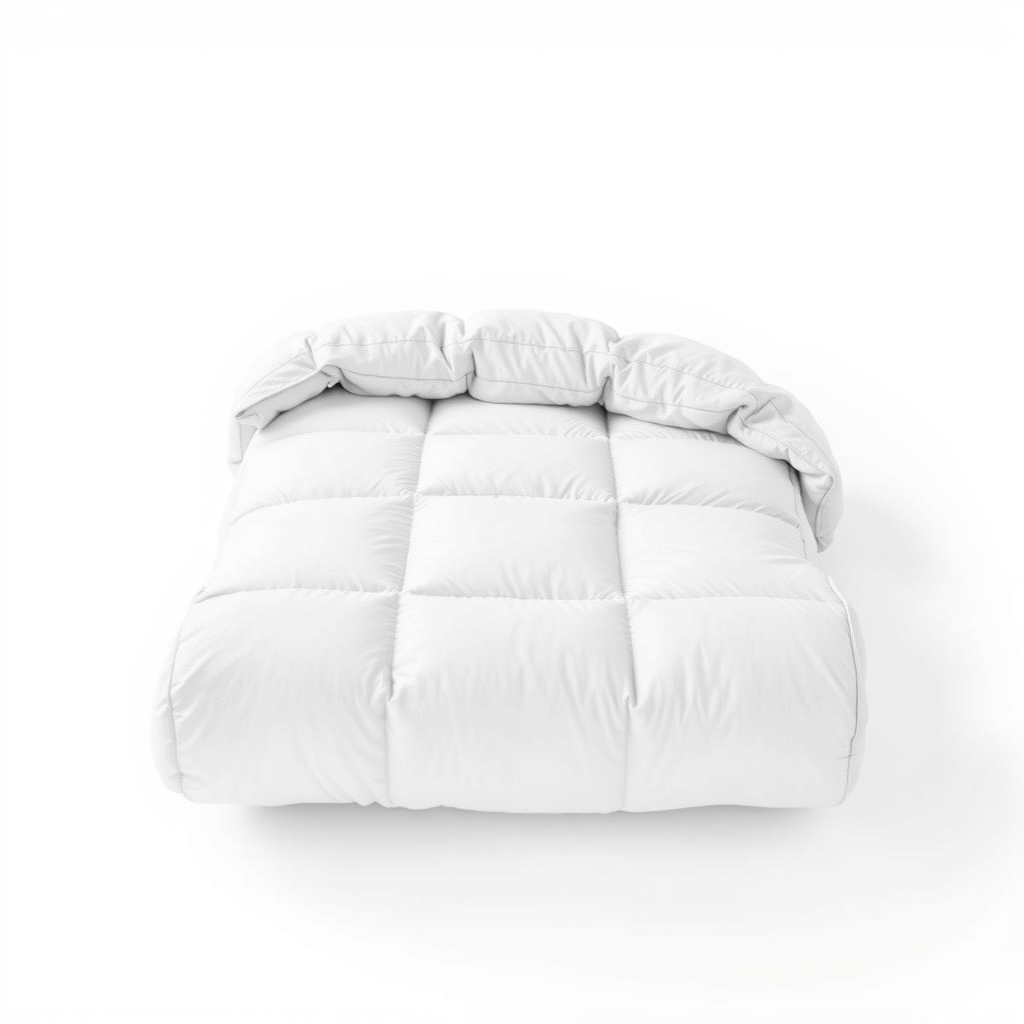
A winter-weight down alternative comforter
Warmth comes from trapped air. A thick fill with baffle-box walls holds a lot of still air evenly across the bed, so there are no cold seams. One good layer is warmer than a pile of mismatched ones, because there are no gaps.
What to get: Winter-weight down alternative comforter
How long it lasts: Years. One layer that traps heat and does not shift in the night.
As an Amazon Associate I earn from qualifying purchases.
What you'll need
-
Spare blanket or quilt
An extra layer for tonight
You have it -
Hot-water bottle
Fill it two-thirds with hot, not boiling, water and screw the cap tight
You have it - Illustration
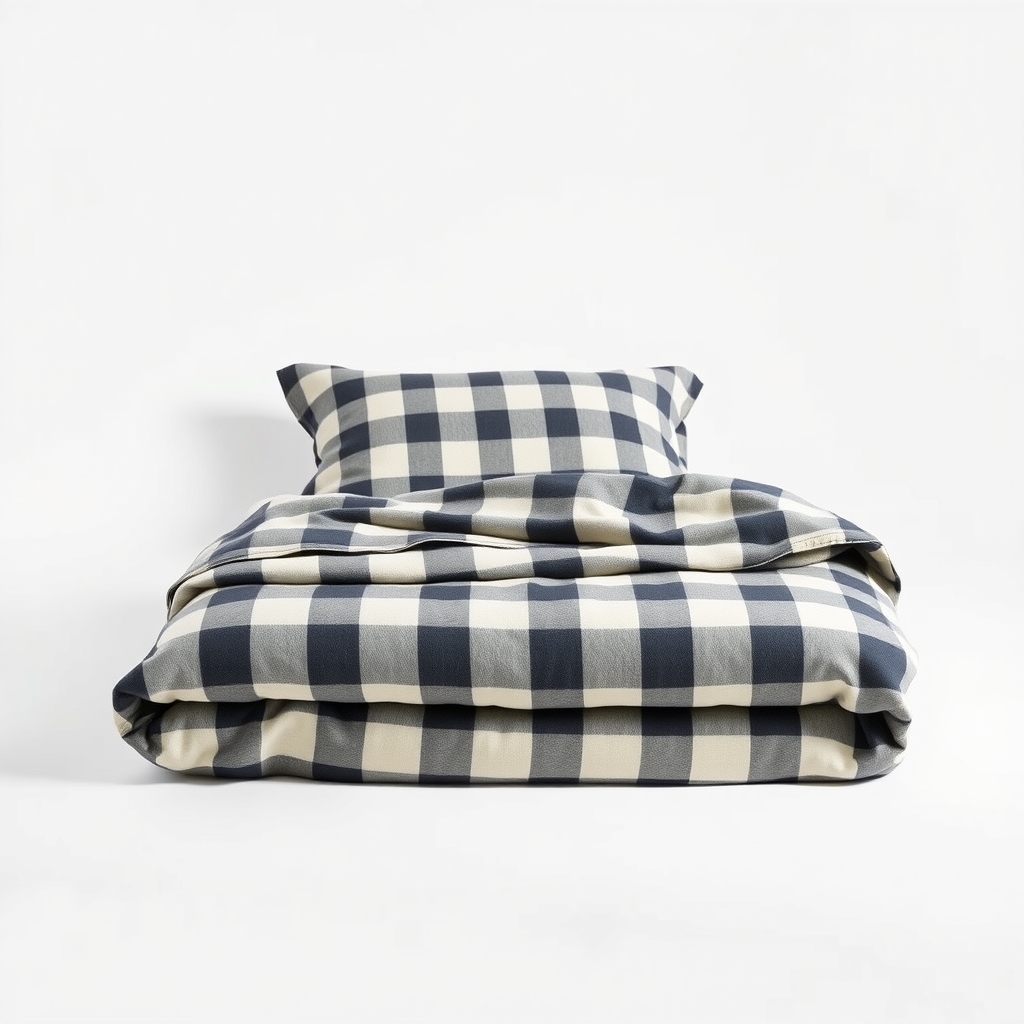
Flannel sheet set
Feels warmer on the skin than smooth cotton percale
- Our pick Illustration
Winter-weight down alternative comforter
The one-layer fix for a cold bed
- Illustration
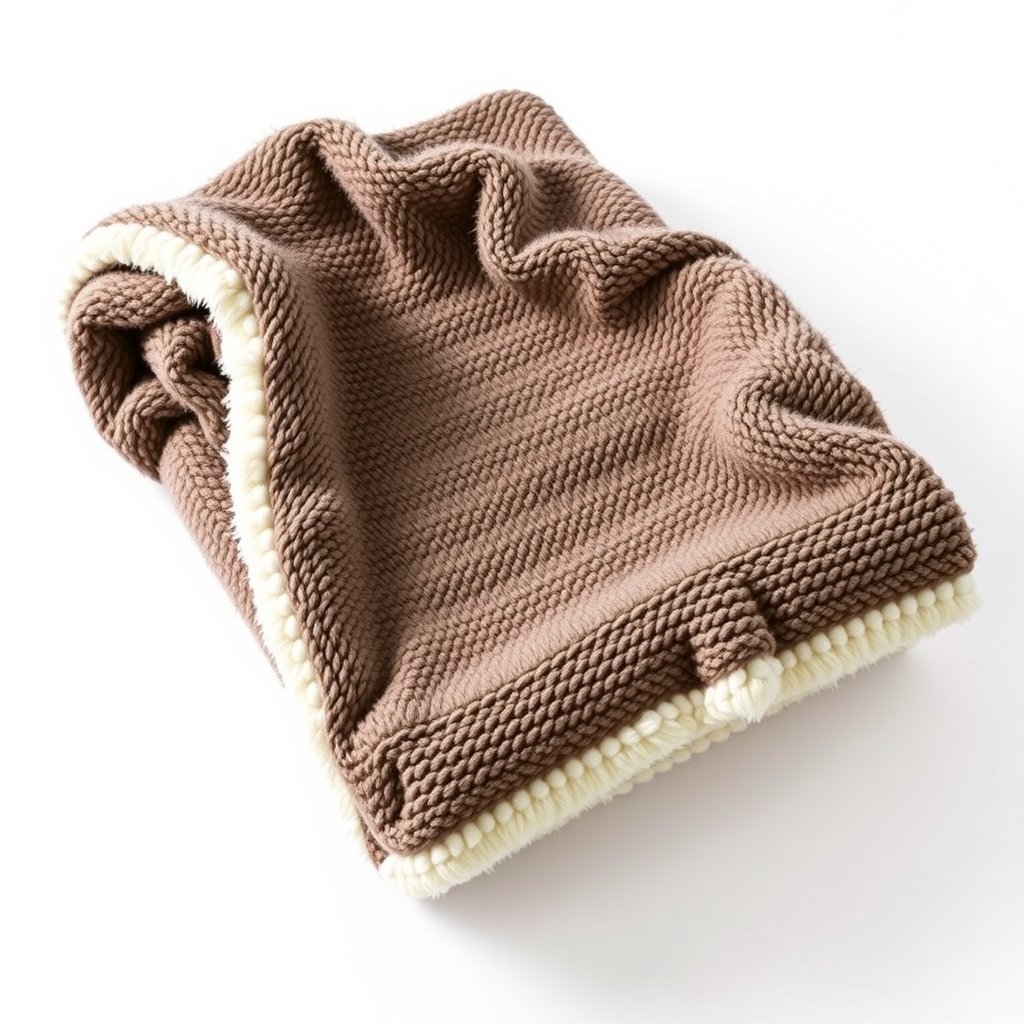
Fleece or sherpa blanket
A cheap extra layer
- Illustration
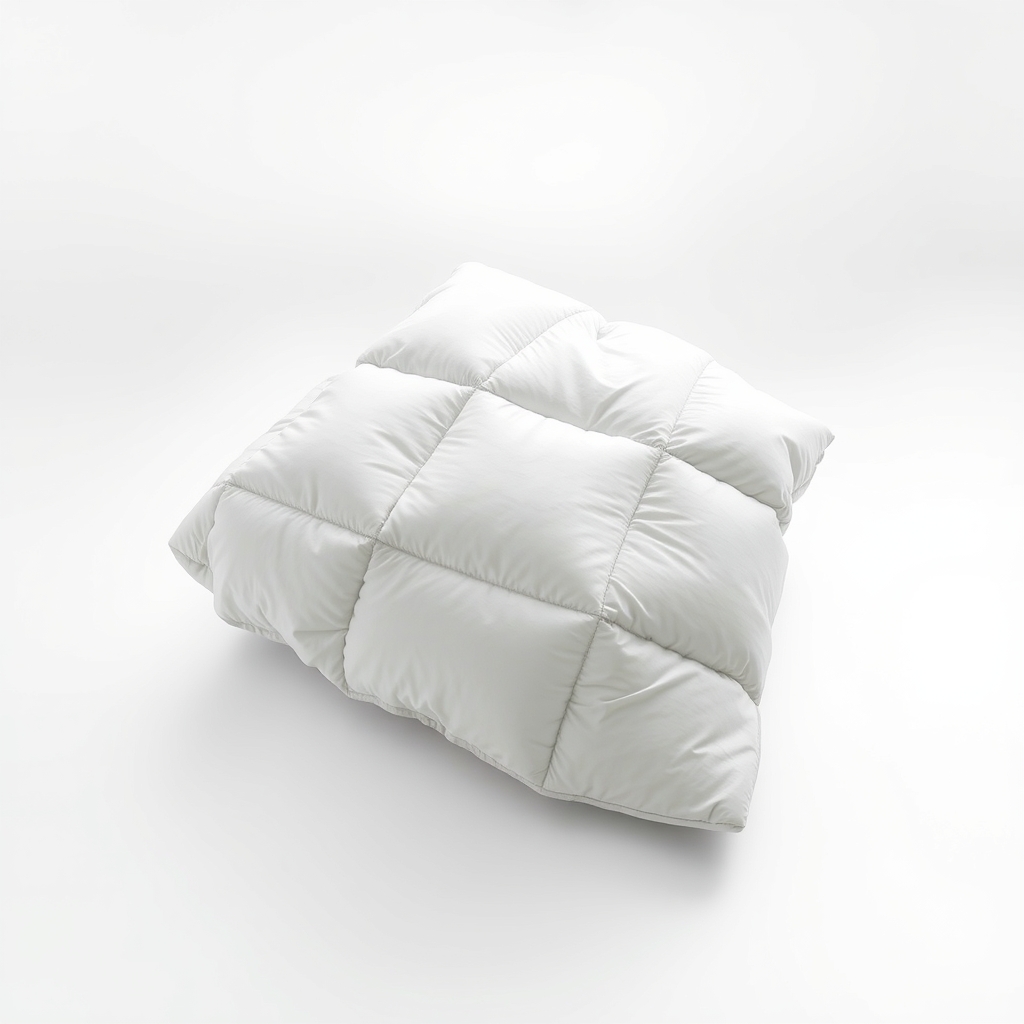
Down comforter
The most warmth for the least weight
Why it happens
A comforter that is too light
Many comforters are sold as all-season. The fill is thin and the loft is low, so body heat passes straight through.
Cold seams
Sewn-through stitching squeezes the fill flat along every seam. Heat escapes at those lines and you feel a cold stripe across the bed.
Gaps at the edges
A comforter that is too small or untucked lets warm air out at the sides and foot, and cold air in. Cold feet are a common sign.
Fill that has gone flat
After years of washing and use the fill loses loft. A flat comforter is not warm, even if it once was.
Try this first (free)
Do these in order, starting with the simplest.
-
Warm the bed first
Tool used: Hot-water bottleFill a hot-water bottle two-thirds with hot, not boiling, water, press out the air and screw the cap tight. Put it under the covers 15 minutes before bed, then take it out or keep it at your feet.
-
Layer in the right order
Tool used: Spare blanket or quiltPut a thin blanket or quilt over the sheet, then the comforter on top. The comforter is the warmest layer, so keep it outermost.
-
Seal the edges
Tuck the comforter along both sides and the foot. A draft under the covers is a common reason for cold feet.
-
Check the room for drafts
Run a hand along the window frame and the door gap. If you feel cold air, push a rolled towel against the door or hang a thicker curtain over the glass.
-
Read the label before you buy
Check the fill weight in ounces, since more means warmer. For down, a fill power of about 600 or more suits winter. If a tog rating is listed, 10.5 to 13.5 is the winter range.
When free fixes aren't enough
Layers work, but they slide apart and leave gaps, and you end up wrestling with three blankets. If you are cold every winter night with the heat set to a normal level, the comforter is too light or too small. A single heavier comforter that is wide enough to tuck, with baffle-box stitching, is the fix. If the room itself is very cold, fix the room too; see the related page on warming the bed.
Buy the fix
Still stuck after the free fixes? These are the products we would look at.
| Pick | Product | Fixes | Who it's for | Buy |
|---|---|---|---|---|
| Best pick | Winter-weight down alternative comforter | a thin, flat or cold-seamed comforter | Cold sleepers who want a warm, washable comforter without a pile of blankets. | Check price |
| Budget pick | Fleece or sherpa blanket | cold nights, as an extra layer over your comforter | Anyone who wants more warmth now, for little money. | Check price |
| Upgrade pick | Down comforter, 600+ fill power | the most warmth for the least weight | Cold sleepers who want the warmest comforter and will give it gentle care. | Check price |
Winter-weight down alternative comforter
Fixes: a thin, flat or cold-seamed comforter
Look for: A heavy fill, listed as extra warm or winter weight; Baffle-box construction so there are no cold seams; A tight-woven shell that holds the fill in; A size at least as wide as your mattress plus the drop.
- Who it's for
- Cold sleepers who want a warm, washable comforter without a pile of blankets.
- Honest downside
- You sleep hot, or share a bed with someone who does. A lighter weight suits you better.
Fleece or sherpa blanket
Fixes: cold nights, as an extra layer over your comforter
Look for: A thick, soft pile; Machine washable; Big enough to tuck in, so check the dimensions.
- Who it's for
- Anyone who wants more warmth now, for little money.
- Honest downside
- You want one tidy layer. Add-on blankets slide and bunch, and fleece can shed and hold static.
Down comforter, 600+ fill power
Fixes: the most warmth for the least weight
Look for: A fill power of about 600 or higher; Baffle-box sewing; A cotton shell with a down-proof weave.
- Who it's for
- Cold sleepers who want the warmest comforter and will give it gentle care.
- Honest downside
- You have a feather allergy, or you want to toss it in any wash. Down needs gentler care.
As an Amazon Associate I earn from qualifying purchases. We don't show prices because they change, so use the button to see today's price.
How we picked: How we picked: this page is based on bedding makers' fill guides, sleep and winter-warmth advice, and what owners report about warm comforters in reviews. We do not test products by hand.
Warmth by fill type
- Down: the warmest for its weight, but it costs more and needs gentle care.
- Down alternative: polyester fill. Cheaper and easy to wash, but bulkier for the same warmth.
- Wool: good at handling moisture, so it suits cold sleepers who also sweat.
- Cotton: breathable and flat. Better for mild winters than hard cold.
Look at the stitching
Baffle-box construction uses inner walls to keep the fill evenly spread, so there are no cold lines. Box-stitch is a good middle option. Sewn-through quilting is the coldest at the seams.
What to skip
Thread count and puffy-looking comforters
A high thread count does not make a comforter warmer. A puffy-looking comforter with little fill and sewn-through stitching feels warm at first, then cold at the seams. Check the fill weight and the stitching instead.
Frequently asked questions
What blanket keeps you warm?
Is down or down alternative warmer?
What does fill power mean?
Can a comforter be too warm?
Related problems
 Free fix inside
Bedroom & Sleep · Bedroom Temperature
Bedroom Too Cold at Night? Warm the Bed, Not the Whole House
Read the fix Free fix inside
Bedroom & Sleep · Comforter Temperature
Comforter Too Hot? 3 Lighter Picks (and 1 to Skip)
Read the fix Free fix inside
Bedroom & Sleep · Comforter
Comforter Not Polyester? Cotton and Wool Fills Compared
Read the fix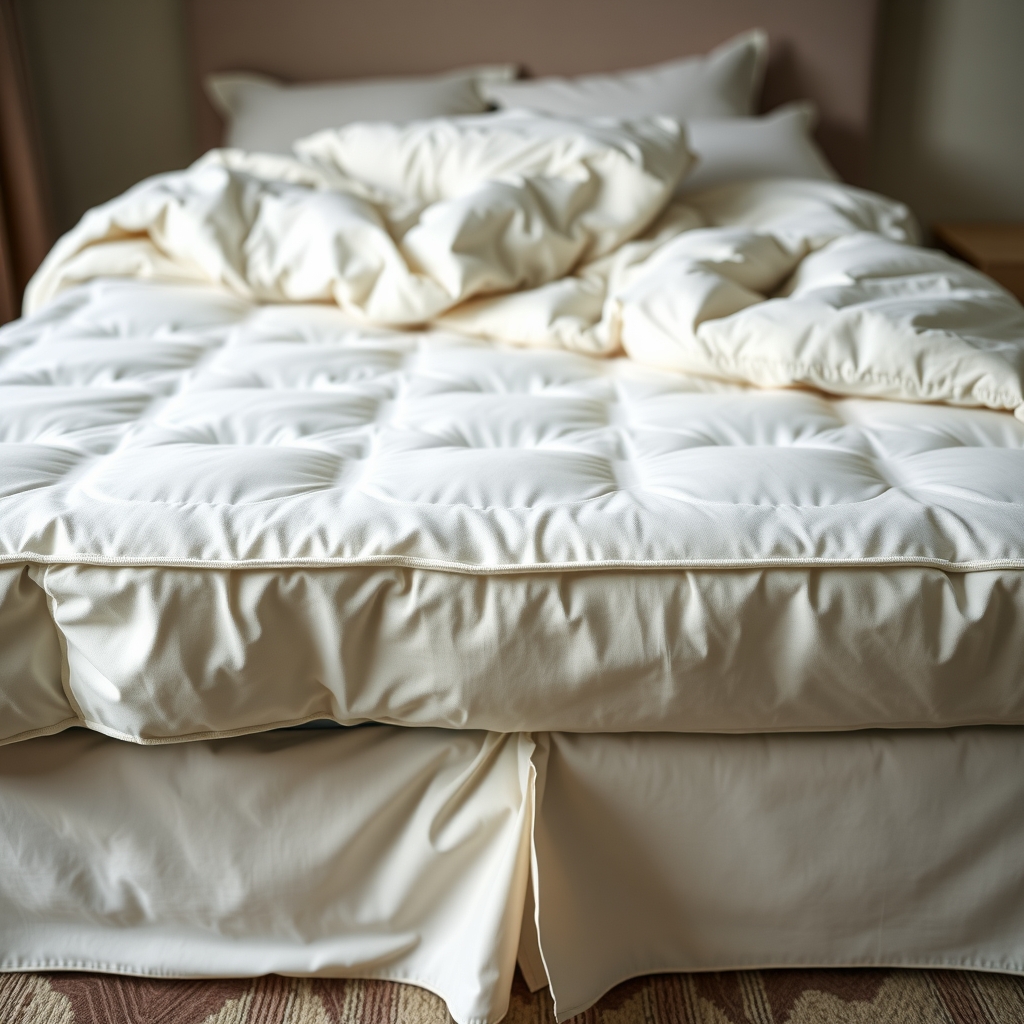 Free fix inside
Bedroom & Sleep · Comforter Size
Comforter Too Small for Your Bed? Why Sizes Lie and What to Buy
Read the fixAs an Amazon Associate I earn from qualifying purchases. Affiliate disclosure