Comforter Not Polyester? Cotton and Wool Fills Compared
Polyester fill traps heat and clumps for many sleepers. Compare cotton and wool comforters by warmth, care and cost, and read the label before you buy.
By Jamilur Rahman Updated November 5, 2026 · 6 min read
- Time
- 15 min to check labels
- Cost
- $50-$150
- Difficulty
- Easy
In this guide
Quick answer
If you want a comforter not polyester, choose an all-cotton comforter for a breathable, washable everyday option, or a wool-filled one for warmth that adjusts as you sleep. Read both the fill line and the cover line on the label, because many comforters have a cotton cover over polyester fill. A cotton cover alone does not make a comforter polyester-free.
Free fix vs. permanent fix
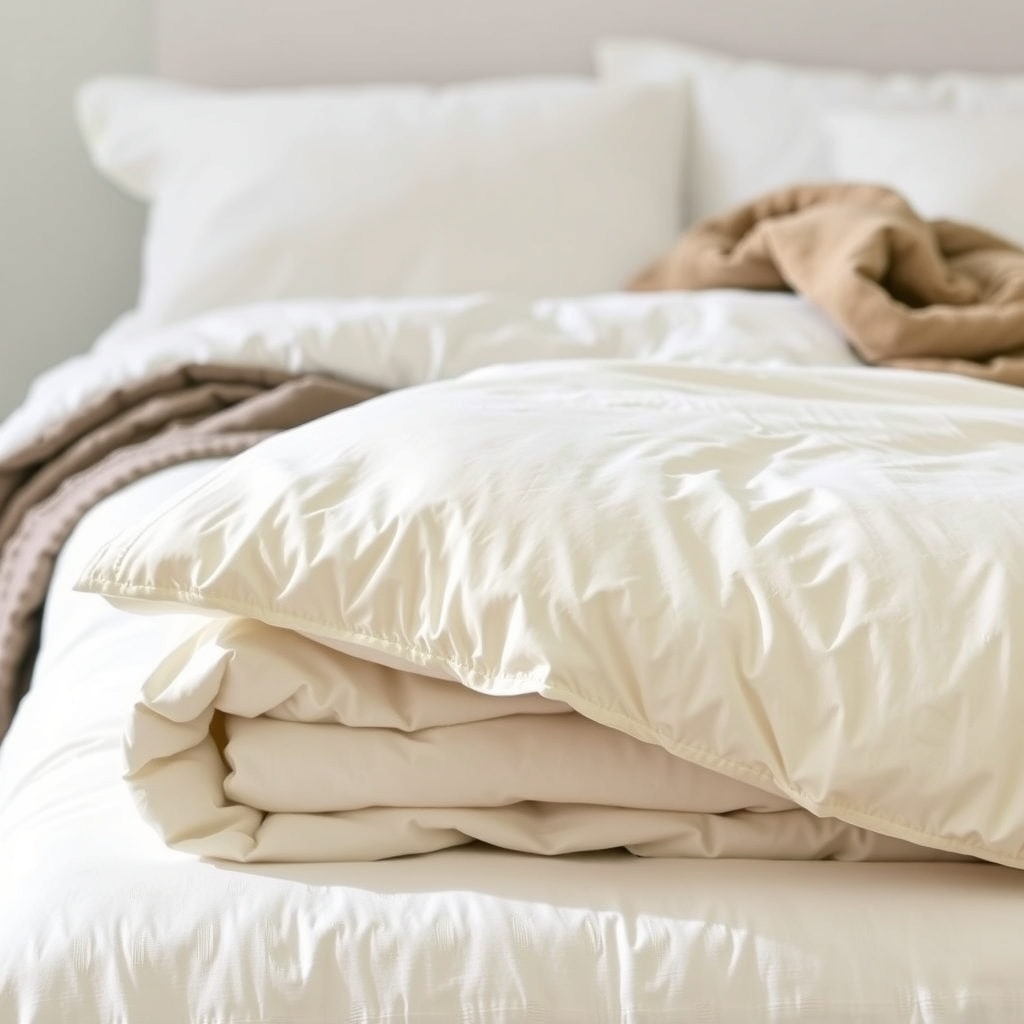
Check, cover and layer what you own
- Read the care tag to see exactly what the fill is
- Put a cotton sheet or duvet cover over it so only cotton touches your skin
- Use a cotton blanket or a wool throw on mild nights
- Wash and dry it fully to break up clumps
How long it lasts: Some relief, but the fill is still polyester, so it does not fix heat or clumping.
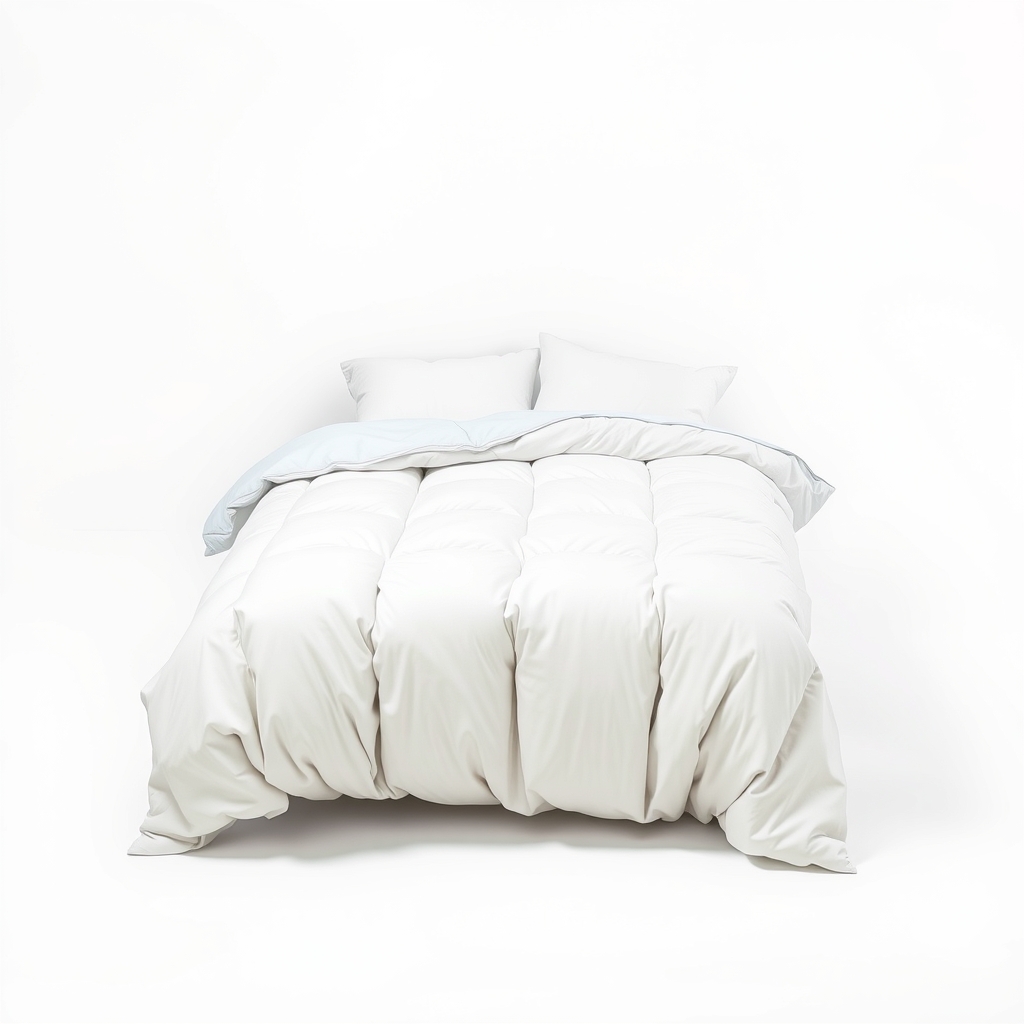
An all-cotton comforter
Cotton is a natural fiber that lets heat and moisture escape better than polyester, and most cotton comforters can be machine-washed. It removes polyester from the fill, so there is nothing to trap heat or clump in the same way.
What to get: All-cotton comforter
How long it lasts: Years of regular washing.
As an Amazon Associate I earn from qualifying purchases.
What you'll need
-
Care tag or product listing
Shows the fill and the cover fibers
You have it -
Cotton sheet or duvet cover
Keeps cotton against your skin
You have it - Our pick Illustration
All-cotton comforter
Cotton fill and cotton cover
- Illustration
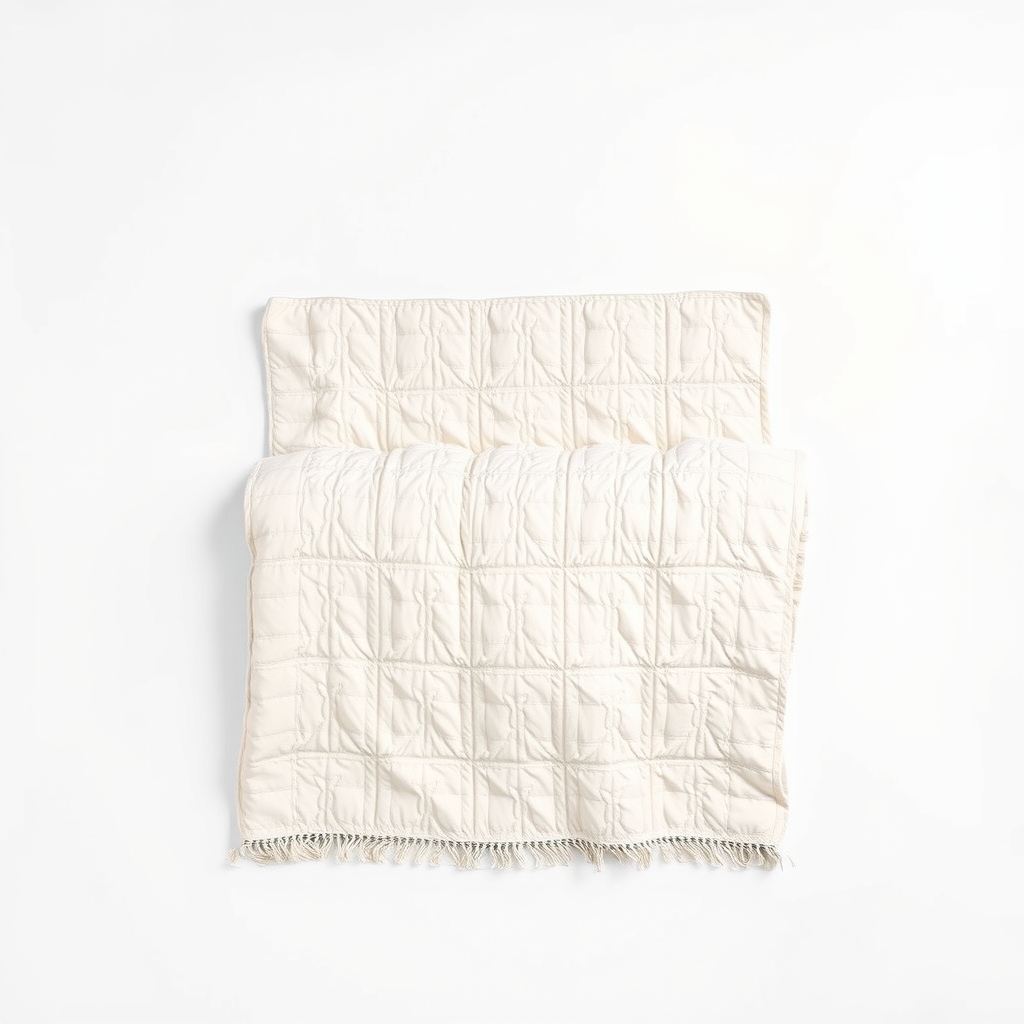
Cotton quilt or coverlet
Light, cool and cheaper
- Illustration
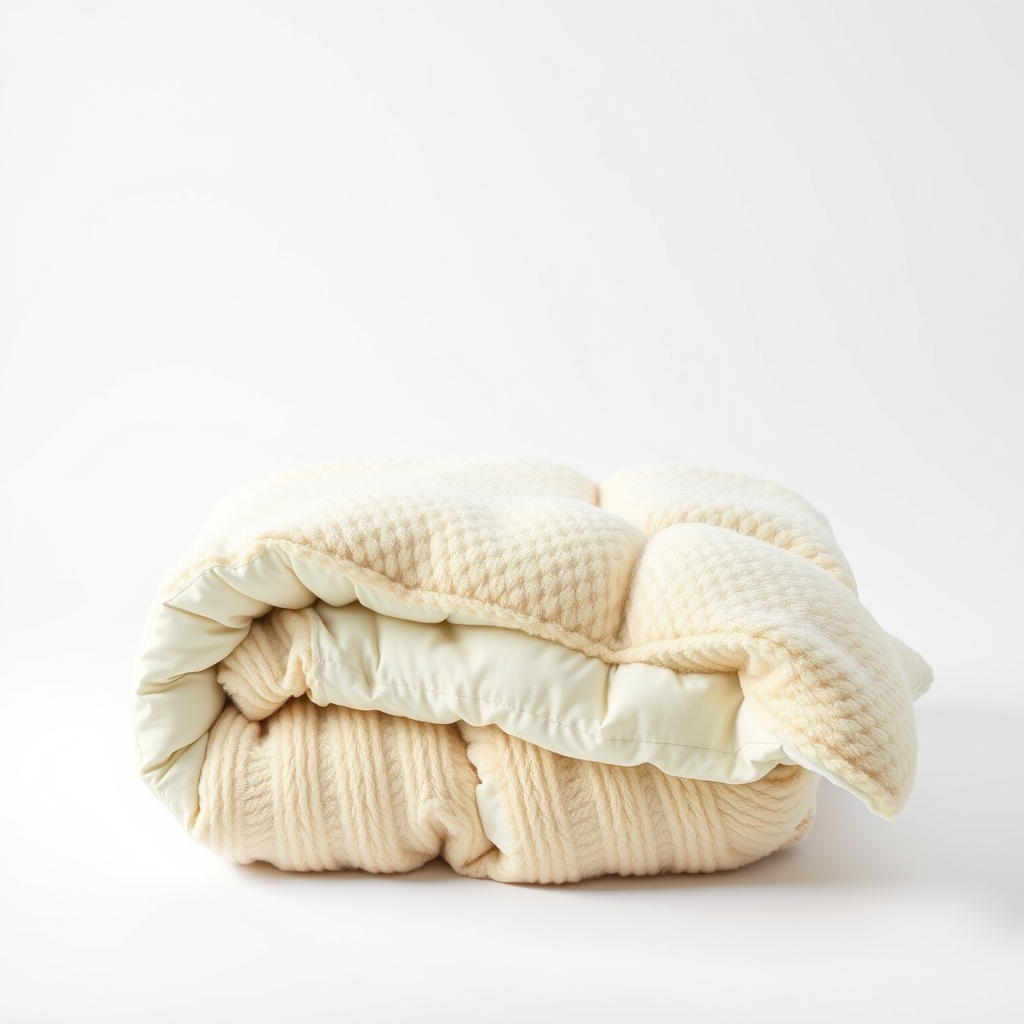
Wool-filled comforter
Warmth that adjusts; costs more
Why it happens
Heat and sweat
Polyester fill can trap warmth and moisture. Some people wake up hot and clammy under a polyester comforter.
Clumping and flattening
Polyester fill fibers shift and bunch with use and washing, which leaves thin spots and lumps.
Static and cling
Synthetic fabrics can build static in dry winter air, so the comforter clings and sparks.
A preference for natural fibers
Some people simply prefer natural fibers against their skin. Irritation can also come from detergent or dust mites, so check those before you blame polyester.
Try this first (free)
Do these in order, starting with the simplest.
-
Read the label, not the headline
Tool used: Care tag or product listingLook for the filling line and the cover (shell) line on the tag or in the product details. A comforter sold as cotton may only have a cotton cover.
-
Keep cotton against your skin
Tool used: Cotton sheet or duvet coverPut a cotton sheet or cotton duvet cover over the comforter. It will not change the fill, but it helps with sweat and cling.
-
Wash and dry it fully
If the tag allows machine washing, use a gentle cycle and dry on low with clean dryer balls until no damp spots remain. This breaks up clumps. Do not wash it if the tag says dry clean only.
-
Swap by season
On mild nights, use a cotton blanket or a wool throw instead of the comforter. You will feel the difference in one night.
-
Rule out detergent and dust mites
If your skin itches, switch to a fragrance-free detergent and wash bedding weekly as the tag allows before you decide polyester is the cause.
When free fixes aren't enough
A cotton cover cannot change what is inside. If you still sleep hot, the comforter keeps clumping or you want no polyester anywhere in the fill, the only fix is a different filling. All-cotton comforters are breathable and washable. Wool-filled ones regulate warmth better in cold rooms, but they cost more and may need gentler care. Check the shell and the fill, and the stitching thread if you are strict about it, since some comforters may use polyester thread.
Buy the fix
Still stuck after the free fixes? These are the products we would look at.
| Pick | Product | Fixes | Who it's for | Buy |
|---|---|---|---|---|
| Best pick | All-cotton comforter | heat, clumping and cling from polyester fill | Most sleepers who want a washable comforter with no polyester inside. | Check price |
| Budget pick | Cotton quilt or coverlet | a hot polyester comforter in mild weather | Warm sleepers and people in mild climates. | Check price |
| Upgrade pick | Wool-filled comforter | temperature swings, since wool breathes and wicks moisture | Sleepers who run hot and cold, or who live with a cool bedroom all winter. | Check price |
All-cotton comforter
Fixes: heat, clumping and cling from polyester fill
Look for: Fill and shell both listed as 100% cotton; Box or quilted stitching so the fill stays put; A machine-washable care tag with a drying time you can follow; A weight (light, medium or heavy) that suits your room.
- Who it's for
- Most sleepers who want a washable comforter with no polyester inside.
- Honest downside
- You sleep cold or dislike heavy bedding. Cotton fill is heavier and slower to dry than polyester.
Cotton quilt or coverlet
Fixes: a hot polyester comforter in mild weather
Look for: Cotton on both the cover and the filling, per the listing; Machine-washable; A lightweight build for warm nights.
- Who it's for
- Warm sleepers and people in mild climates.
- Honest downside
- You need a thick winter layer. Quilts are thinner than comforters.
Wool-filled comforter
Fixes: temperature swings, since wool breathes and wicks moisture
Look for: Fill listed as wool, with a cotton cover; Care instructions you can follow at home, since some are spot-clean only; A fill weight in ounces or grams so you can judge warmth; A return window.
- Who it's for
- Sleepers who run hot and cold, or who live with a cool bedroom all winter.
- Honest downside
- You have a wool allergy or sensitivity, or you want easy washing at a low price.
As an Amazon Associate I earn from qualifying purchases. We don't show prices because they change, so use the button to see today's price.
How we picked: How we picked: this page is based on fiber-content labeling guidance, bedding care guides, and what owners report in reviews about heat, washing and fill quality. We do not test products by hand.
Cotton, wool and down compared
- Cotton: breathable and washable, heavier, slower to dry, lowest price of the natural fills.
- Wool: regulates temperature and wicks moisture, lighter for its warmth, higher price, care varies, not for wool allergies.
- Down: also natural, very light and warm, can bother people with allergies, not covered here.
What to skip
Cotton-labeled comforters with polyester fill
A listing with cotton in the title can still be polyester inside. If you want none, skip any comforter whose fill line says polyester, microfiber or down alternative. Read the full details, not only the headline.
Frequently asked questions
Comforter not made of polyester: what are my options?
Comforter not filled with polyester: how do I check the fill?
Is a cotton comforter cooler than polyester?
Can I put an all-cotton comforter in the washer?
Are wool comforters itchy?
Related problems
 Free fix inside
Bedroom & Sleep · Comforter Temperature
Comforter Too Hot? 3 Lighter Picks (and 1 to Skip)
Read the fix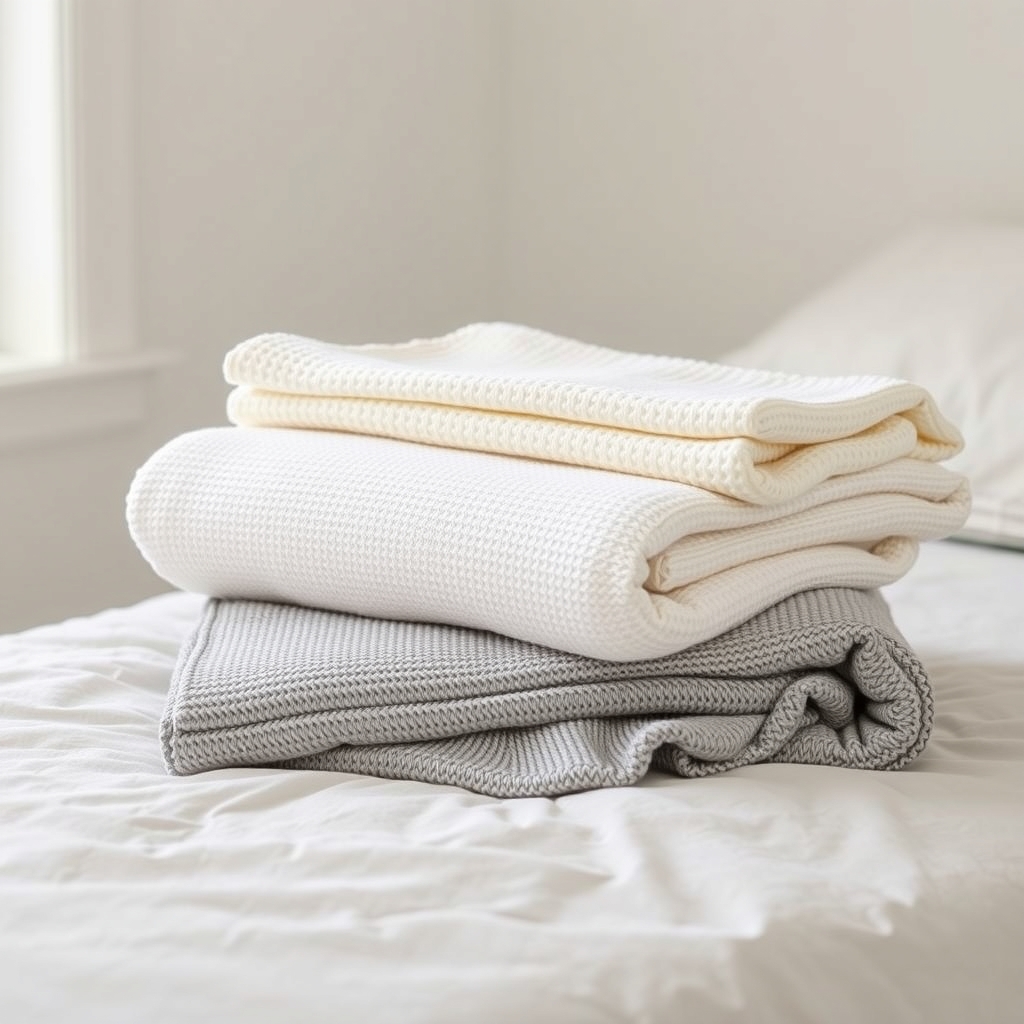 Free fix inside
Bedroom & Sleep · Blanket
Blanket Not Polyester? Cotton, Wool, and Bamboo Throws Compared
Read the fix Free fix inside
Bedroom & Sleep · Comforter Temperature
Comforter That Keeps You Warm: What to Look For in Winter
Read the fix Free fix inside
Bedroom & Sleep · Duvet
Comforter vs. Duvet: Which One Fits Your Sleep and Laundry Habits
Read the fixAs an Amazon Associate I earn from qualifying purchases. Affiliate disclosure