Comforter vs. Duvet: Which One Fits Your Sleep and Laundry Habits
A comforter is a finished blanket you wash whole. A duvet is an insert in a washable cover. Pick by how you sleep and how often you want to do laundry.
By Jamilur Rahman Updated November 5, 2026 · 7 min read
- Time
- 15 min
- Cost
- $50-$150
- Difficulty
- Easy

In this guide
Quick answer
Comforter not duvet? A comforter is a stitched, ready-to-use blanket, usually washed whole and less often. A duvet is a plain insert that lives inside a removable cover, so you wash the cover as often as you wash sheets. Choose a comforter for the simplest setup. Choose a duvet insert with a washable cover if you want easy laundry, a warmth you can change, and bedding that lasts.
Free fix vs. permanent fix
Keep your comforter and wash it right
- Use a top sheet between you and the comforter and wash that weekly
- Check the care label, and wash a few times a year in a large washer
- Dry on low with a couple of clean dryer balls until fully dry
- Air it out in the sun now and then
How long it lasts: For years, if you wash it a few times a year and keep it clean with a top sheet.
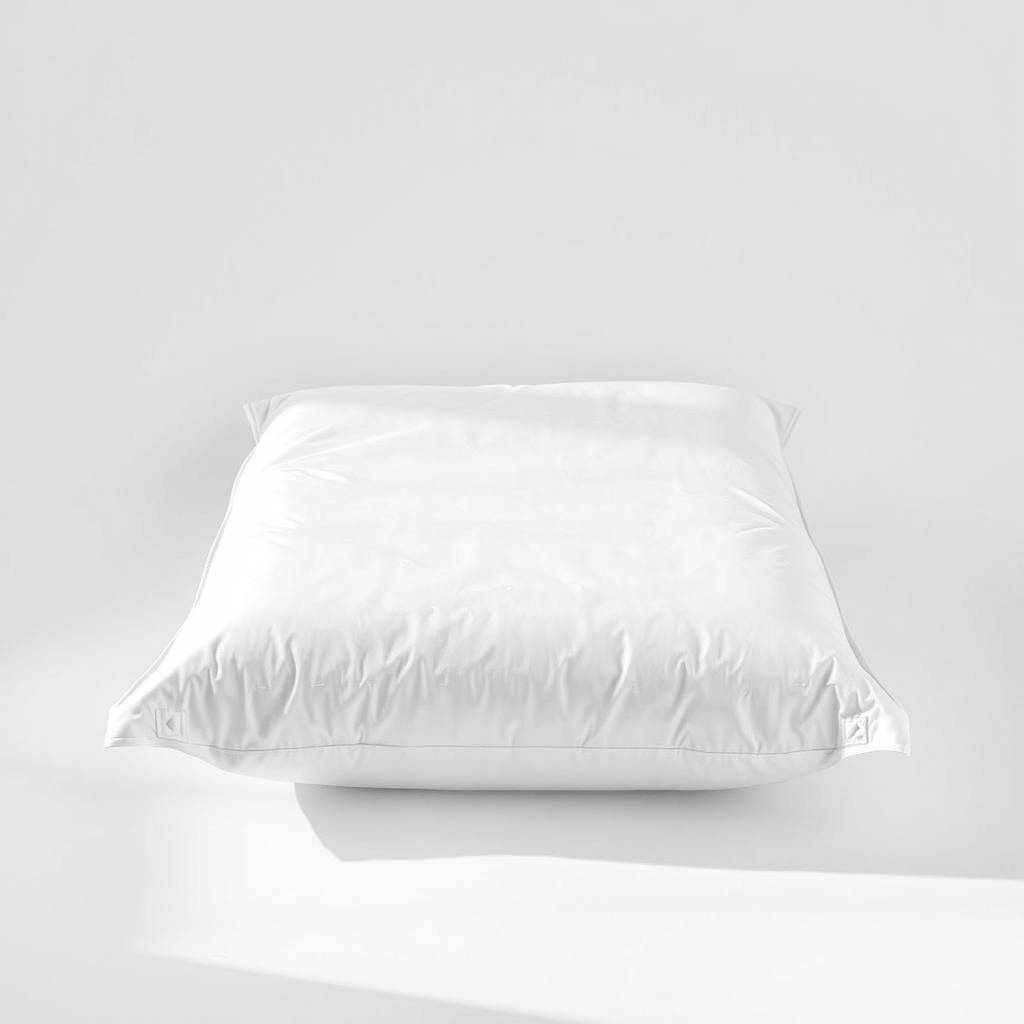
A duvet insert with a washable cover
A cover takes the dirt, sweat and spills instead of the filling, so the insert stays cleaner and lasts longer. It is also easy to change the look, and you can switch to a lighter or warmer insert for the season. A cover is far easier to wash than a bulky comforter.
What to get: Duvet insert with corner tabs and box stitching
How long it lasts: Years. You launder the cover as often as the sheets, and the insert only needs cleaning now and then.
As an Amazon Associate I earn from qualifying purchases.
What you'll need
-
Care label and washer size check
Tells you if your washer can take a king-size comforter
Free - Illustration
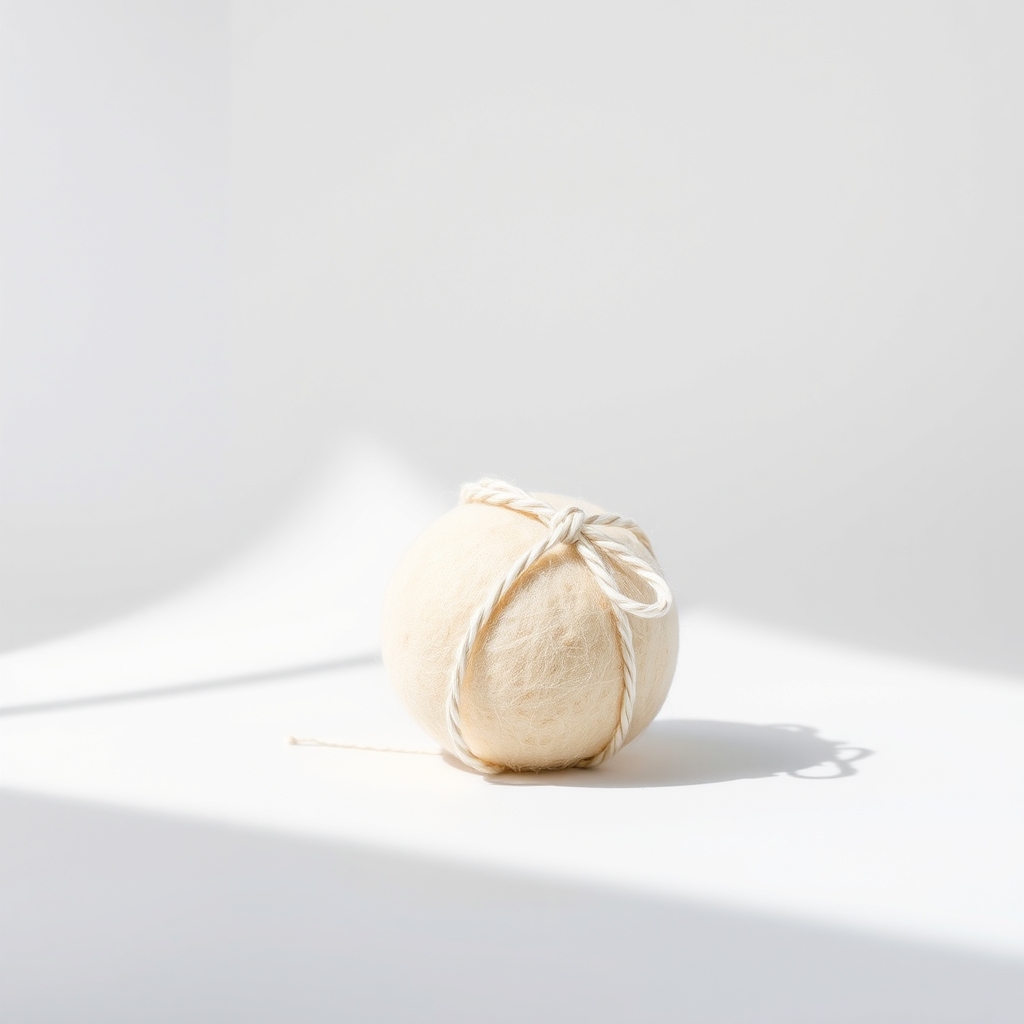
Wool dryer balls
Help fluff the filling and cut drying time
- Illustration
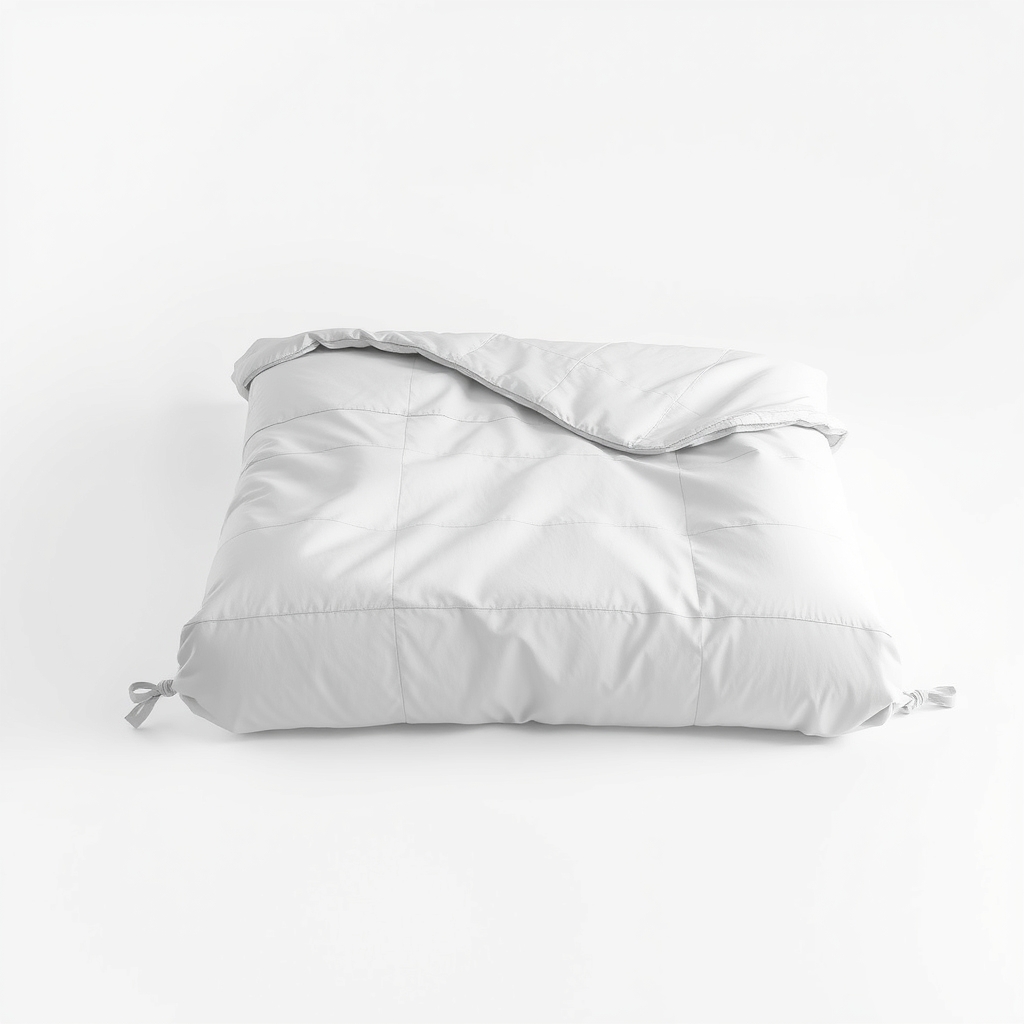
Washable duvet cover with a zipper or corner ties
Works over a duvet insert, or over the comforter you already own
- Our pick Illustration
Duvet insert with corner tabs
A plain, all-season insert that holds in a cover
Why it happens
Comforters are hard to wash
A comforter is stitched into a finished blanket. It is bulky, takes a big washer and a long dry, and many people only wash one when it is badly stained.
A duvet needs a cover
A duvet insert is meant to live in a cover. Without one it gets dirty fast. The cover is an extra purchase and has to match the insert size.
Warmth and size are not interchangeable
Comforters come in set weights. A duvet insert comes in light, all-season and winter weights, and you can swap them. Pick by how hot or cold you sleep.
The filling can bunch and shift
Cheap stitching lets the filling drift to one corner. Box or baffle stitching holds it in place.
Try this first (free)
Do these in order, starting with the simplest.
-
Know the terms
A comforter is a quilted, filled blanket that goes straight on the bed. A duvet is a plain filled insert that goes inside a cover. Many people use them the same way on the bed. The difference is in how you wash them.
-
Check the care label and your washer
Tool used: Care label and washer size checkLook for a size and a drum limit. A king-size comforter often needs an oversize washer or a laundromat machine. If it does not fit freely in your drum, it will not get clean.
-
Dry it fully, with dryer balls
Tool used: Wool dryer ballsDry on low heat, stopping every 30 minutes to shake it out. Toss in two or three dryer balls to break up clumps. A damp filling smells musty and clumps, so make sure it is bone dry.
IllustrationCheck price on AmazonTool for this step
Wool dryer balls · Help fluff the filling and cut drying time
-
Put a washable cover over what you own
Tool used: Washable duvet cover with a zipper or corner tiesA comforter can go inside a duvet cover. That gives you a cover you can wash weekly, with no new insert needed. Tie it at the corners so it does not shift.
IllustrationCheck price on AmazonTool for this step
Washable duvet cover with a zipper or corner ties · Works over a duvet insert, or over the comforter you already own
-
Swap to an insert when the comforter wears out
Tool used: Duvet insert with corner tabsWhen the comforter is flat, stained or hot, replace it with a duvet insert in the weight you want and keep the cover.
IllustrationCheck price on AmazonTool for this step
Duvet insert with corner tabs · A plain, all-season insert that holds in a cover
When free fixes aren't enough
A comforter is fine if you rarely wash it, you use a top sheet and you like a ready-made look. A duvet pays off when you want to wash your bedding often, when kids, pets or night sweats are in the picture, or when you want a lighter summer insert and a heavier winter one. If you have washed a comforter and it comes out lumpy or smelling damp, a cover and an insert are the easier, more reliable setup. They also let you change the look of the bed without buying a whole new blanket.
Buy the fix
Still stuck after the free fixes? These are the products we would look at.
| Pick | Product | Fixes | Who it's for | Buy |
|---|---|---|---|---|
| Best pick | Duvet insert with corner tabs and box stitching | bulky bedding that is hard to wash and loses its loft | Anyone who wants easy laundry and a warmth they can adjust through the seasons. | Check price |
| Budget pick | Washable duvet cover with a zipper or corner ties | the hassle of washing a heavy comforter, by using a cover you can wash weekly | People who already have a comforter and just want something easier to wash. | Check price |
Duvet insert with corner tabs and box stitching
Fixes: bulky bedding that is hard to wash and loses its loft
Look for: Corner tabs or loops, so it can tie into a cover; Box or baffle stitching, so the filling stays spread out; A weight that suits how warm you sleep (light, all-season or winter); A machine-washable fill, and a size that matches your cover.
- Who it's for
- Anyone who wants easy laundry and a warmth they can adjust through the seasons.
- Honest downside
- You hate making a bed with a cover, or already own a comforter you like.
Washable duvet cover with a zipper or corner ties
Fixes: the hassle of washing a heavy comforter, by using a cover you can wash weekly
Look for: A zipper or interior ties, so the insert does not slip out; Breathable cotton or a cotton blend that holds up in the wash; A size that matches your insert or comforter.
- Who it's for
- People who already have a comforter and just want something easier to wash.
- Honest downside
- Your comforter is worn out or too hot. A new insert is the better buy.
As an Amazon Associate I earn from qualifying purchases. We don't show prices because they change, so use the button to see today's price.
How we picked: How we picked: this page is based on bedding care labels, laundry guides from bedding makers, and what owners report in reviews of duvet inserts and covers. We do not test products by hand.
Which one for which sleeper
- You sleep hot: a light duvet insert in a cotton cover, or a thin comforter.
- You hate laundry: a duvet with a zipper cover, since the cover goes in a normal washer.
- You want a quick bed-making routine: a comforter you can pull up and smooth.
- You have pets or kids: a duvet cover you can wash weekly.
Sizing in one line
Match the cover to the insert: a queen cover for a queen insert. Corner ties hold the insert in place so it does not bunch. Check the dimensions on the listing, since sizes vary by brand.
What to skip
Dry-clean-only comforters and heavy matching sets
A comforter that can only be dry-cleaned is a hassle and a cost every time. A set that bundles shams and a bed skirt can look nice but pushes you to buy more than you need. A plain insert and a cover cost less and wash easily.
Frequently asked questions
What is the difference between a comforter and a duvet?
Can I use a comforter as a duvet insert?
Is a duvet warmer than a comforter?
How often should I wash a comforter or duvet?
Related problems
 Free fix inside
Bedroom & Sleep · Duvet
Duvet Cover Bunching Up Inside? Corner Clips End the Wrestling
Read the fix Free fix inside
Bedroom & Sleep · Comforter Care
Comforter Dry Clean Only? A Cover Means You Rarely Need To
Read the fix Free fix inside
Bedroom & Sleep · Duvet
Duvet Cover Keeps Unbuttoning? Switch to a Zipper Closure
Read the fix Free fix inside
Bedroom & Sleep · Duvet Cover
Duvet Cover Doesn't Fit? How Sizing Really Works
Read the fixAs an Amazon Associate I earn from qualifying purchases. Affiliate disclosure