Duvet Cover Keeps Unbuttoning? Switch to a Zipper Closure
Buttons slip out of stretched buttonholes as you toss and turn. Re-sew them free tonight, then switch to a zipper cover so the duvet stays put.
By Jamilur Rahman Updated November 5, 2026 · 6 min read
- Time
- 15 min
- Cost
- $20-$50
- Difficulty
- Easy

In this guide
Quick answer
When a duvet cover keeps unbuttoning, the buttonholes have usually stretched, or the buttons are too small for a heavy duvet pulling on them. Re-sewing the buttons and adding a few snaps is the free fix, and it holds for a while. A zipper-closure cover is the fix that lasts, because it locks the whole opening shut and cannot slip out as you toss and turn.
Free fix vs. permanent fix
Re-sew the buttons and add fasteners
- Re-sew loose buttons with doubled strong thread
- Sew a second button or snap between the old ones
- Stitch across the end of a stretched buttonhole
- Fasten every button before you wash
How long it lasts: A few months if only a button was loose. If the buttonholes are stretched, they keep slipping.

A zipper-closure duvet cover
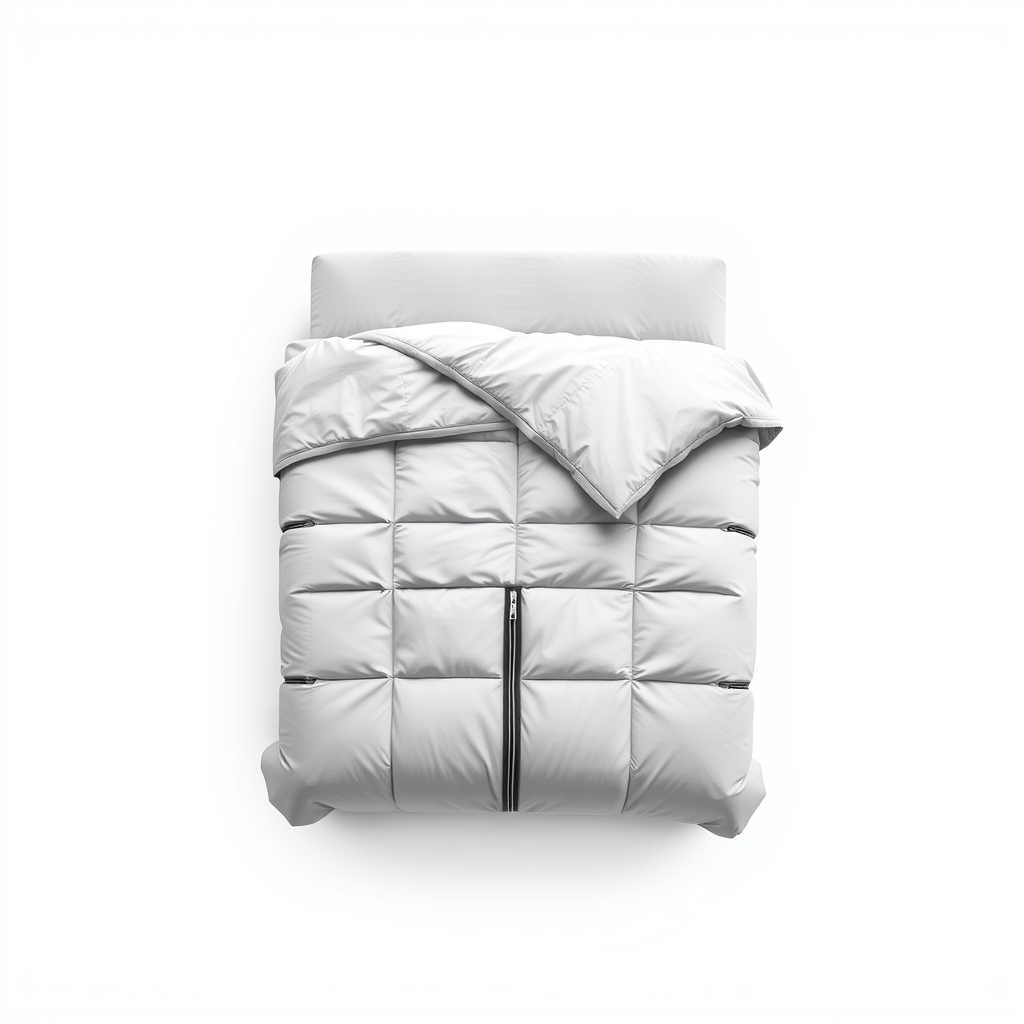
A zipper holds the full edge shut and spreads the pull along its length, so nothing pops open as you move. A fabric flap behind it keeps it comfortable and the insert inside.
What to get: Zipper-closure duvet cover
How long it lasts: Years. The zipper locks the whole edge and cannot slip out like a button.
As an Amazon Associate I earn from qualifying purchases.
What you'll need
-
Needle and strong thread
Use doubled thread for buttons and stitching
You have it -
Spare buttons or snaps
Take them from an old shirt or sewing kit
Free -
Tape measure
To compare the cover and the insert
You have it - Our pick Illustration
Zipper-closure duvet cover
The fix that stays shut
- Illustration
Microfiber zipper duvet cover
A low-cost option for kids and guest beds
- Illustration

Cotton or linen zipper duvet cover with corner ties
A better feel, plus ties that hold the corners
Why it happens
Stretched buttonholes
Buttonholes loosen with every wash and every tug. A loose hole lets even a snug button slide straight through.
Buttons too small or too few
Many covers use small buttons spaced far apart. Gaps open between them as the duvet shifts.
A heavy or oversized insert
A bulky insert pushes on the opening all night. A cover that is slightly too small for the insert strains at the foot.
Washing with the buttons open
Open buttons snag and stretch the holes in the wash. The holes get looser every time.
Try this first (free)
Do these in order, starting with the simplest.
-
Re-sew any loose buttons
Tool used: Needle and strong threadDouble the thread, sew through the holes four or five times, then wrap the thread under the button and knot it. A shank wound with thread lets the button sit properly.
-
Add a second row of fasteners
Tool used: Spare buttons or snapsSew a small snap or an extra button between the existing ones, so there are fewer gaps along the opening.
-
Tighten stretched buttonholes
Tool used: Needle and strong threadSew small stitches across the end of a loose buttonhole to shrink it. Or sew the hole shut and add a pair of fabric ties.
-
Check the cover size
Tool used: Tape measureMeasure the cover and the insert. The cover should be about the same size as the insert or a little larger. A cover that is too small pulls hard at the foot.
-
Fasten everything before washing
Close every button before the cover goes in the machine. Open ones snag and stretch.
-
Switch to a zipper cover
Tool used: Zipper-closure duvet coverIf you keep re-sewing the same spot, stop. Buy a zipper cover and give the buttoned one to a guest bed.
IllustrationCheck price on AmazonTool for this step
Zipper-closure duvet cover · The fix that stays shut
When free fixes aren't enough
Re-sewing is a good fix for one loose button. If the buttonholes are stretched, the fabric around them is frayed or you are sewing every month, the closure itself is the weak point. A zipper cover closes the whole edge in one pull and holds under the weight of a heavy insert. It costs more than thread, and a cheap zipper can snag, so look for a smooth, full-length zipper with a flap behind it. A zipper will not fix a cover that is too small for the insert, so check the size too.
Buy the fix
Still stuck after the free fixes? These are the products we would look at.
| Pick | Product | Fixes | Who it's for | Buy |
|---|---|---|---|---|
| Best pick | Zipper-closure duvet cover | buttons that slip, pop open or stretch out | Anyone who is tired of re-sewing buttons. | Check price |
| Budget pick | Microfiber zipper duvet cover | a cover that will not stay closed, at a lower price | Kids' rooms, guest beds and dorms. | Check price |
| Upgrade pick | Cotton or linen zipper duvet cover with corner ties | a cover that will not stay shut, plus a better feel on the bed | Hot sleepers and anyone who wants a nicer feel. | Check price |
Zipper-closure duvet cover
Fixes: buttons that slip, pop open or stretch out
Look for: A zipper along the full bottom edge, not a short one; A fabric flap or hidden zipper so it does not catch; Corner ties inside to hold the insert in place; A size that matches your duvet insert.
- Who it's for
- Anyone who is tired of re-sewing buttons.
- Honest downside
- Your duvet is an odd size. Check the cover's dimensions against the insert first.
Microfiber zipper duvet cover
Fixes: a cover that will not stay closed, at a lower price
Look for: A zipper along the foot edge; A washable, easy-care fabric; A hem that does not fray.
- Who it's for
- Kids' rooms, guest beds and dorms.
- Honest downside
- You sleep hot. Microfiber can feel warm, so look at cotton or linen.
Cotton or linen zipper duvet cover with corner ties
Fixes: a cover that will not stay shut, plus a better feel on the bed
Look for: A breathable natural fabric; A hidden or flapped zipper; Corner ties, so the insert does not bunch; A care label you can follow at home.
- Who it's for
- Hot sleepers and anyone who wants a nicer feel.
- Honest downside
- You want the lowest price. Natural fabrics cost more.
As an Amazon Associate I earn from qualifying purchases. We don't show prices because they change, so use the button to see today's price.
How we picked: How we picked: this page is based on duvet cover care labels, basic sewing repair guides and what people report in owner reviews of zipper and button covers. We do not test products by hand.
What to skip
Safety pins and glue
Skip safety pins. They open as you move, can scratch or stab, and leave holes in the hem. Skip glue and iron-on tape on a buttonhole too, since it stiffens and cracks in the wash. Sewing, snaps or a zipper are the options that hold.
Frequently asked questions
Why does my duvet cover keep unbuttoning?
How do I stop my duvet cover from coming open at the bottom?
Can I replace the buttons on a duvet cover with a zipper?
Is a zipper duvet cover uncomfortable?
Will the insert still bunch up inside a zipper cover?
Related problems
 Free fix inside
Bedroom & Sleep · Duvet Cover
Duvet Cover Zipper Stuck or Split? How to Fix It Fast
Read the fix Free fix inside
Bedroom & Sleep · Duvet Cover
Duvet Cover Doesn't Fit? How Sizing Really Works
Read the fix Free fix inside
Bedroom & Sleep · Duvet
Duvet Cover Bunching Up Inside? Corner Clips End the Wrestling
Read the fix Free fix inside
Bedroom & Sleep · Duvet
Comforter vs. Duvet: Which One Fits Your Sleep and Laundry Habits
Read the fixAs an Amazon Associate I earn from qualifying purchases. Affiliate disclosure