Duvet Cover Doesn't Fit? How Sizing Really Works
Covers and inserts are sized differently by every maker. Measure both flat, compare the gap, then fix it with ties, clips or a better-fitting insert.
By Jamilur Rahman Updated November 5, 2026 · 7 min read
- Time
- 30 min
- Cost
- $50-$150
- Difficulty
- Easy

In this guide
Quick answer
Why does my duvet cover not fit? Usually because the cover and the insert were sized to different standards, so the two can differ by 4 inches or more. Measure both flat. A good fit is a cover the same size as the insert, up to a few inches larger. Corner ties and clips fix a small gap, and a right-size duvet insert fixes a big one.
Free fix vs. permanent fix
Measure, tie the corners and re-dress it
- Lay both flat and measure width and length
- Tie the insert's corner loops to the cover's ties
- Put the cover on with the inside-out method, then shake it out
- Pin the corners if there are no ties
How long it lasts: Fixes bunching and slipping when the gap is small. A big gap keeps coming back.

A duvet insert sized to your cover
If the insert is several inches too small, the cover swallows it and the fill slides into a lump in the middle. An insert cut to match the cover fills every corner. Box-stitch or baffle-box sewing keeps the fill from shifting.
What to get: Duvet insert in the right size
How long it lasts: Years. An insert that matches the cover fills it edge to edge, so nothing bunches.
As an Amazon Associate I earn from qualifying purchases.
What you'll need
-
Tape measure
Measure the cover and the insert flat
You have it -
Safety pins or ribbon
Anchor each corner of the insert to the cover
You have it - Illustration
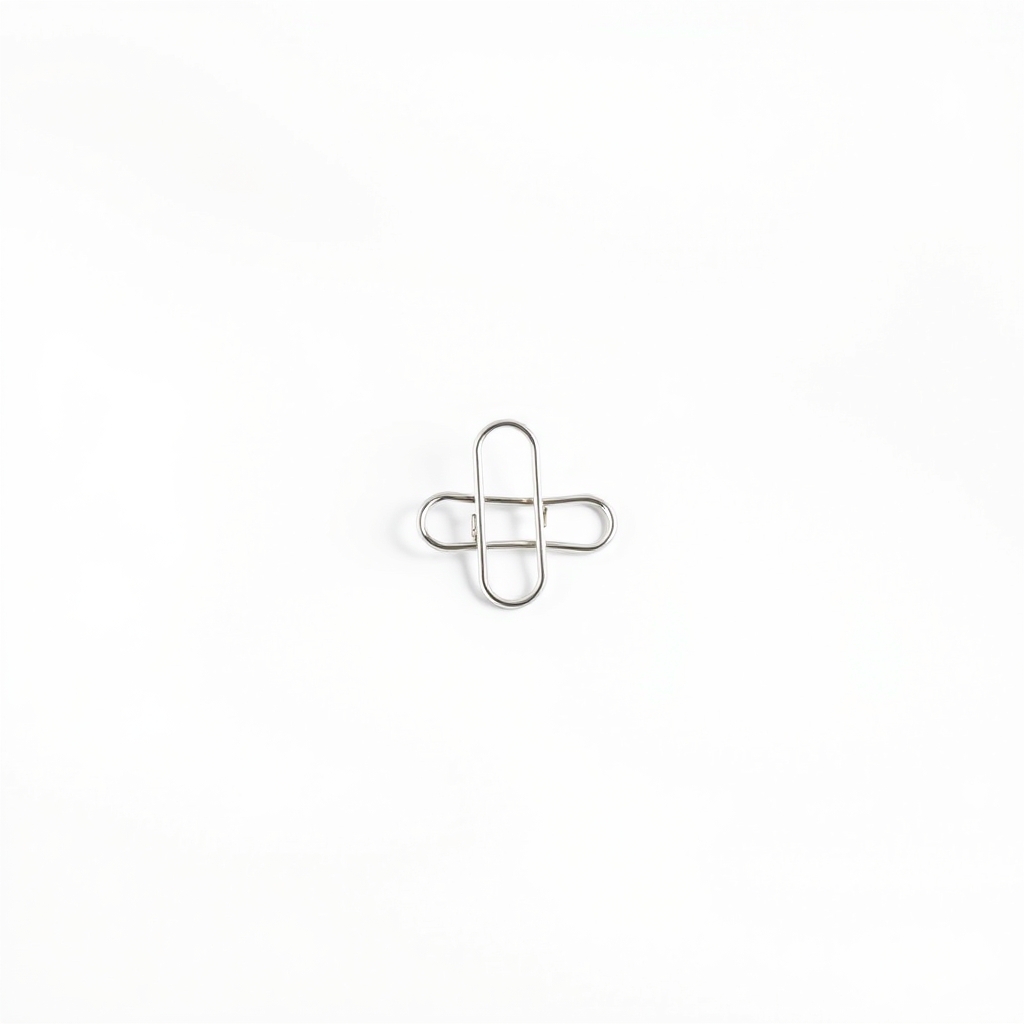
Duvet clips
Hold the insert in place for a small gap
- Our pick Illustration
Duvet insert in the right size
The fix when the gap is big
- Illustration

Baffle-box duvet insert
Keeps the fill from clumping and leaving empty corners
Why it happens
Standard sizes that are not standard
Twin, full, queen and king covers vary by an inch or two between makers, and inserts vary more. There is no single rule.
One cover for two sizes
Many covers are sold as Full/Queen. A full insert is several inches narrower than a queen one, so on a full insert the cover is loose.
A comforter used as an insert
Comforters are cut to hang over the bed, so they can run larger or smaller than a duvet insert of the same name.
Shrinkage
A cotton cover can shrink in a hot wash or dryer, turning a close fit into a tight one. An insert that has lost loft can also look smaller.
Fill that has clumped
When fill gathers in the middle, the corners go empty. The cover looks too big even when the sizes match.
Try this first (free)
Do these in order, starting with the simplest.
-
Measure the cover flat
Tool used: Tape measureLay the cover on the floor or bed, smooth it out and measure width and length from seam to seam. Check the tag too, since the listed size may not match what you measure.
-
Measure the insert
Tool used: Tape measureDo the same with the insert, laid flat and relaxed without stretching it. Write both sets of numbers down.
-
Compare the gap
A cover the same size as the insert, up to a few inches larger, is a good fit. Under about 4 inches of slack, ties and clips will hold. Beyond that, you need a different insert or cover.
-
Anchor the corners
Tool used: Safety pins or ribbonTie the insert's corner loops to the cover's ties. If there are no ties, pin each corner of the insert to the inside corner of the cover, with the pin points turned away from you.
-
Put it on the inside-out way
Turn the cover inside out. Reach in and hold the two top corners, then grab the matching corners of the insert through the cover. Pull the cover down over the insert and shake it out from the foot.
When free fixes aren't enough
If the cover is more than 4 inches wider than the insert, ties and clips cannot stop the insert lying like a lump in the middle. If the fill has clumped, the insert is worn out. In both cases the right fix is a new insert sized to the cover. Look for a listed size within a couple of inches of your cover, with corner loops and box-stitch or baffle-box sewing. If the cover is what is too small, a smaller insert or a bigger cover fits it.
Buy the fix
Still stuck after the free fixes? These are the products we would look at.
| Pick | Product | Fixes | Who it's for | Buy |
|---|---|---|---|---|
| Best pick | Duvet insert in the right size | a cover that swallows the insert, or an insert that bunches | Anyone whose cover and insert differ by more than a few inches. | Check price |
| Budget pick | Duvet clips | an insert that slides around in a slightly loose cover | Anyone with a gap under about 4 inches. | Check price |
| Upgrade pick | Baffle-box duvet insert | fill that migrates and leaves empty corners | People whose insert keeps clumping, or who want a puffier look. | Check price |
Duvet insert in the right size
Fixes: a cover that swallows the insert, or an insert that bunches
Look for: Listed dimensions within a couple of inches of your cover; Corner loops to tie to the cover; Box-stitch or baffle-box sewing so the fill stays put; An all-season fill with a care label you can follow.
- Who it's for
- Anyone whose cover and insert differ by more than a few inches.
- Honest downside
- The insert is fine and the gap is small. Ties and clips cost less.
Duvet clips
Fixes: an insert that slides around in a slightly loose cover
Look for: Smooth, rust-free clips that grip without tearing fabric; Enough for all four corners and a few along the sides; No sharp points that could poke you in bed.
- Who it's for
- Anyone with a gap under about 4 inches.
- Honest downside
- The gap is larger. Clips cannot hold a loose insert in place.
Baffle-box duvet insert
Fixes: fill that migrates and leaves empty corners
Look for: Baffle-box walls that hold the fill in place; A fill weight that suits your season; Corner loops.
- Who it's for
- People whose insert keeps clumping, or who want a puffier look.
- Honest downside
- You sleep hot and want something thin. Choose a light fill instead.
As an Amazon Associate I earn from qualifying purchases. We don't show prices because they change, so use the button to see today's price.
How we picked: How we picked: this page is based on bedding size charts, care labels from duvet makers, and the fit problems owners report in reviews. We do not test products by hand.
Duvet cover not fitting or too loose? Check these sizes
These are rough sizes in inches. Check each listing, since makers differ.
- Twin: cover about 68 by 88; insert about the same.
- Full/Queen: cover about 88 by 90; a full insert is usually narrower, a queen insert close to it.
- King: cover about 104 by 90; inserts are often a little smaller.
What to skip
Forcing a mismatched insert into a cover
Cramming an oversized insert into a small cover stretches the seams and flattens the fill. A cover that pulls at the corners will tear sooner. If the sizes are off, change the insert.
Frequently asked questions
Why is my duvet cover too big for the insert?
Why is my duvet cover bigger than my duvet, and why are duvet covers always too big?
Why do my duvet covers never fit, and why does my duvet cover seem too big?
What is the best duvet cover too big hack?
Duvet cover too small: what can I do?
Related problems
 Free fix inside
Bedroom & Sleep · Duvet
Duvet Cover Bunching Up Inside? Corner Clips End the Wrestling
Read the fix Free fix inside
Bedroom & Sleep · Duvet
Duvet Cover Keeps Unbuttoning? Switch to a Zipper Closure
Read the fix Free fix inside
Bedroom & Sleep · Duvet Cover
Duvet Cover Zipper Stuck or Split? How to Fix It Fast
Read the fix Free fix inside
Bedroom & Sleep · Duvet
Comforter vs. Duvet: Which One Fits Your Sleep and Laundry Habits
Read the fixAs an Amazon Associate I earn from qualifying purchases. Affiliate disclosure