Comforter Dry Clean Only? A Cover Means You Rarely Need To
A dry clean only tag means a bill and a trip every time. Spot-clean and air it out now, then add a washable cover so the comforter itself rarely needs it.
By Jamilur Rahman Updated November 5, 2026 · 7 min read
- Time
- 20 min
- Cost
- $20-$50
- Difficulty
- Easy
In this guide
Quick answer
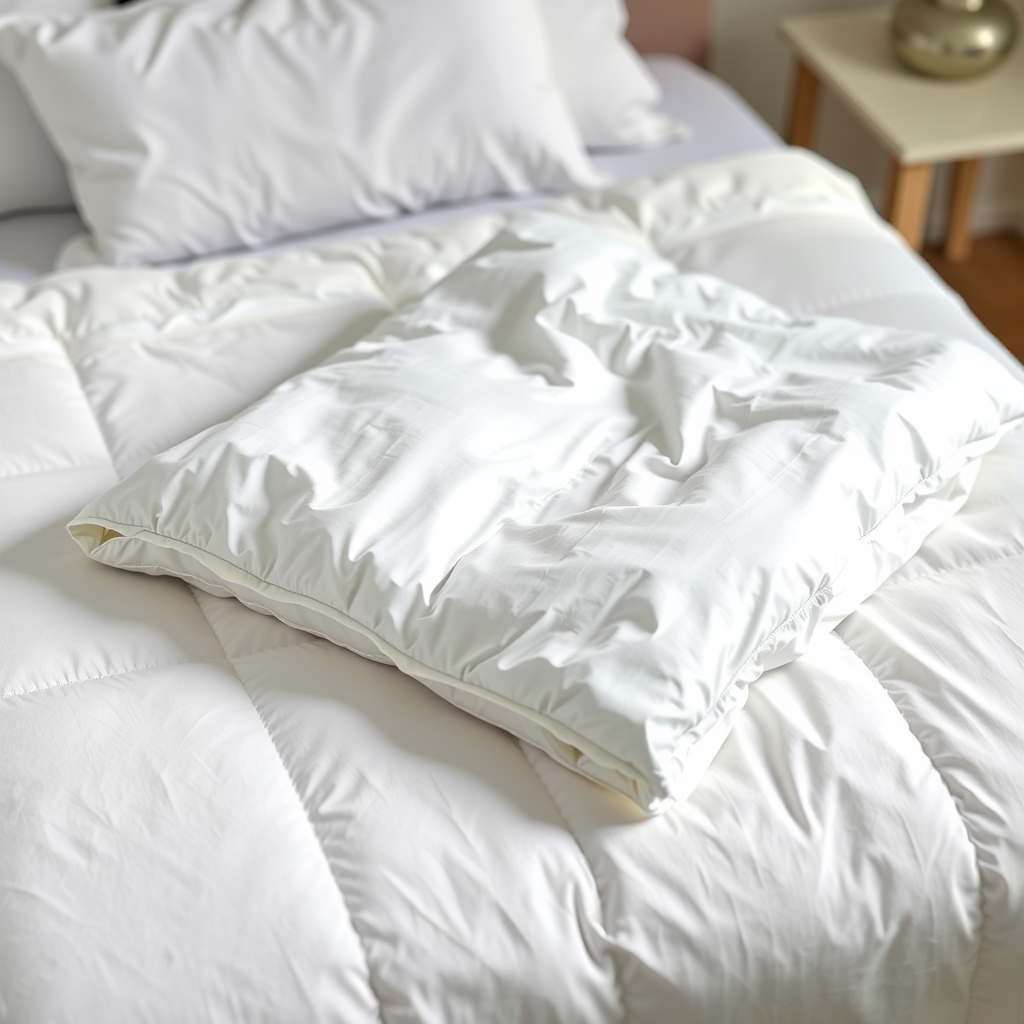
A dry clean only tag usually means the maker thinks the fill, fabric or dye could clump, shrink or bleed in a home washer. You do not have to clean the comforter often. Spot-clean marks, air it out, then put it inside a washable duvet cover, so only the cover goes in the wash. The same trick works for big blankets that will not fit your machine.
Free fix vs. permanent fix
Spot-clean, air it out, add a top sheet
- Check the care label for the exact wording
- Dab marks with a damp white cloth and a drop of mild detergent
- Air it out in the shade or by an open window for a few hours
- Sleep with a flat sheet between you and the comforter
How long it lasts: A few weeks between deeper cleans. Airing and a top sheet slow the buildup, but body oils and dust still soak into the shell over time.
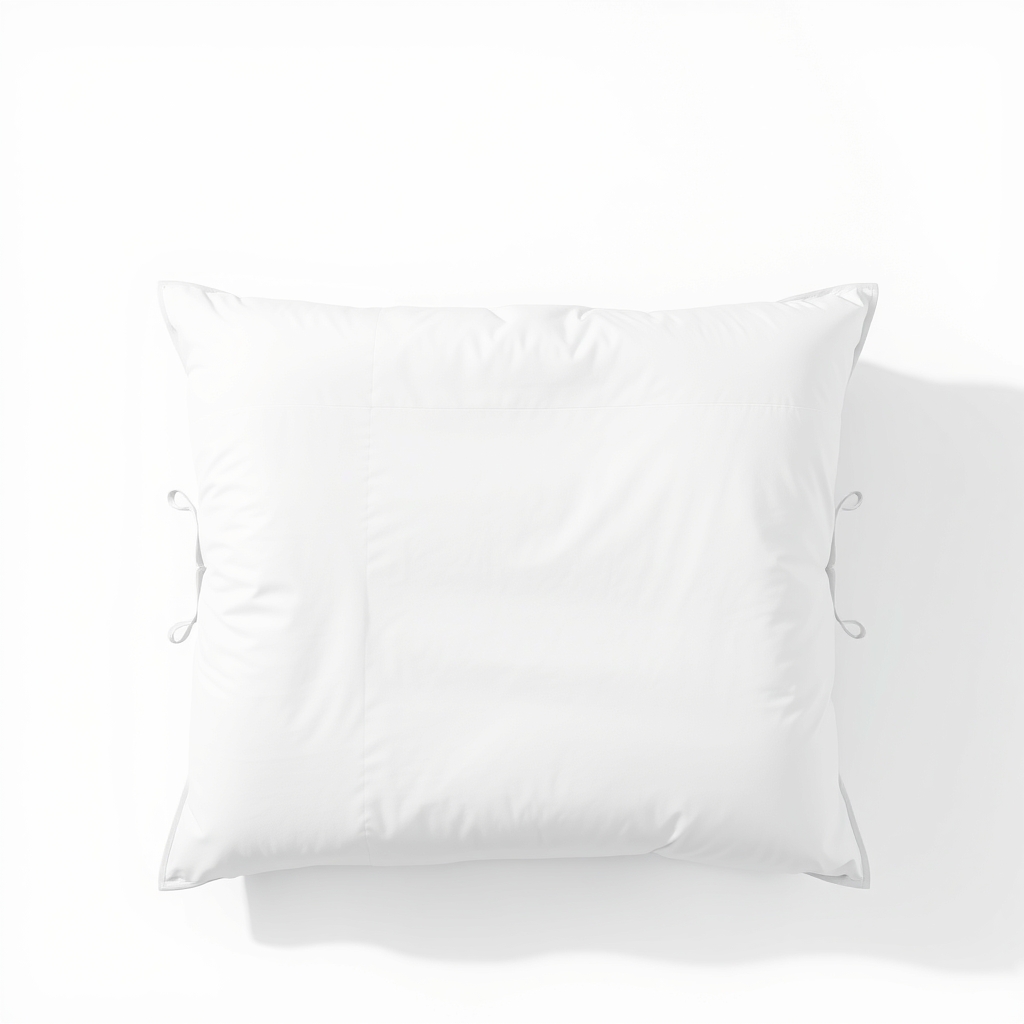
A washable duvet cover
Most of the dirt on a comforter comes from touching you. A zippered cover takes that contact, and you wash it every week or two. The comforter stays clean inside, so a professional clean becomes something you do once in a long while, not every season.
What to get: Washable duvet cover with a zipper and corner ties
How long it lasts: Years. The cover takes the sweat, spills and dust, and goes in the wash with your sheets.
As an Amazon Associate I earn from qualifying purchases.
What you'll need
-
Vacuum with upholstery attachment
Lifts dust and pet hair before you spot-clean
You have it -
White cloth and mild detergent
Test on a hidden corner first
You have it -
Flat sheet
Goes between you and the comforter
You have it - Our pick Illustration
Washable duvet cover
Match the size to your comforter
- Illustration
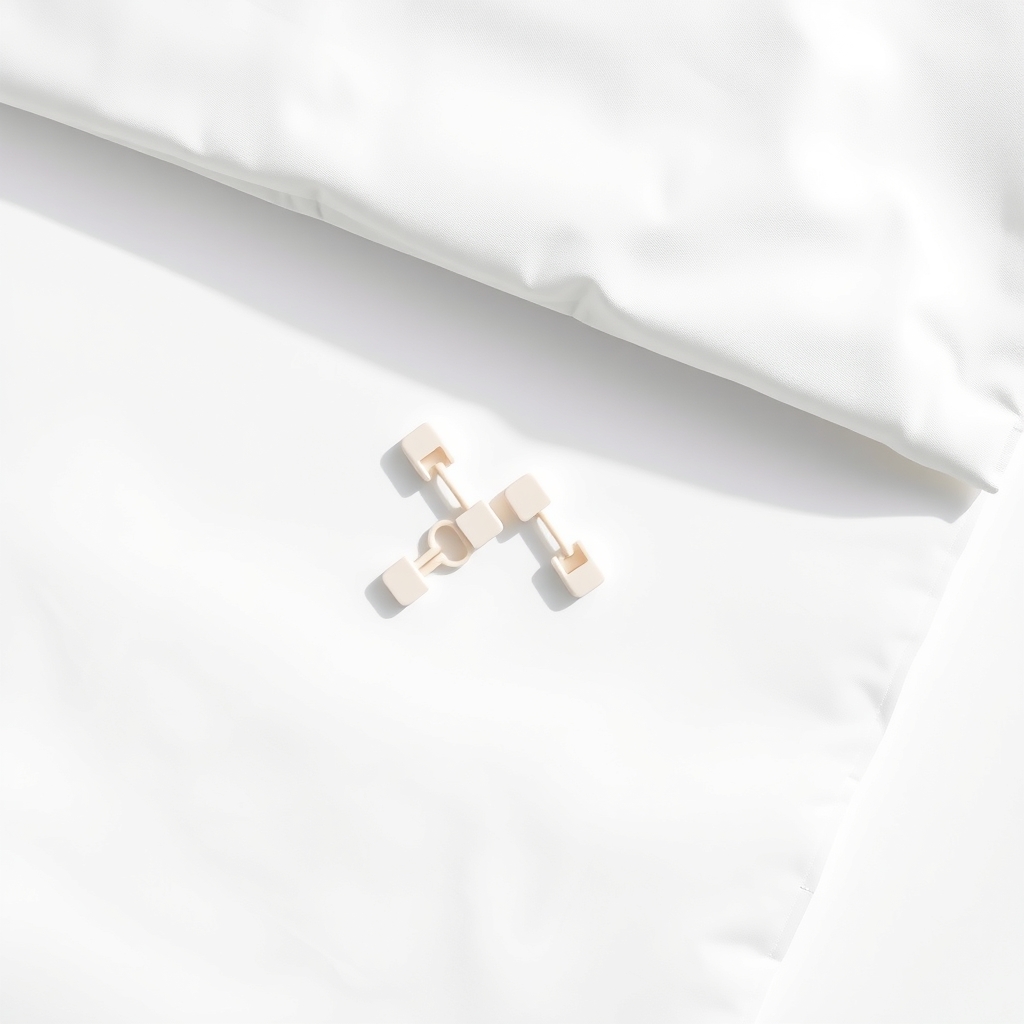
Duvet corner clips
Keep the comforter from bunching inside the cover
- Illustration
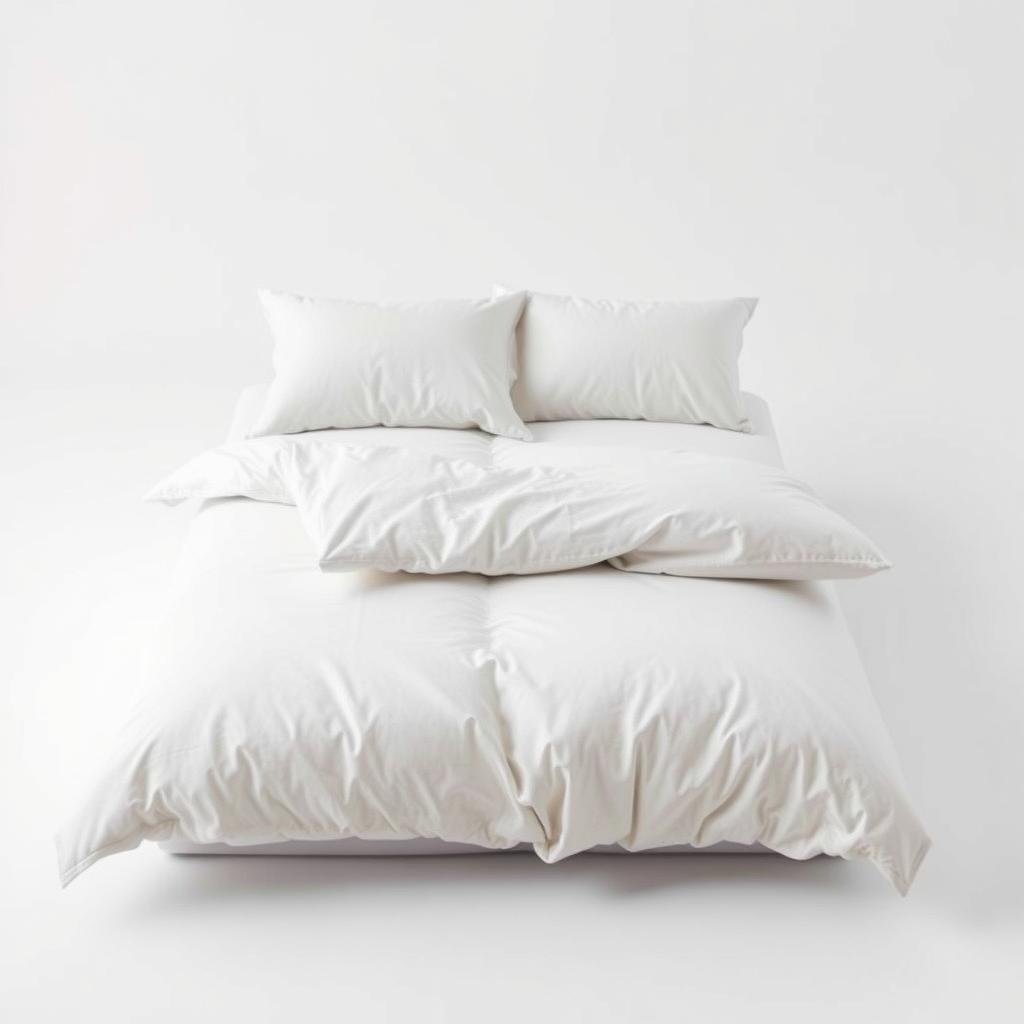
Machine-washable duvet insert
Only if the old comforter is worn out
Why it happens
A fill and fabric the maker will not risk
Down, wool, silk and some polyester fills can clump or shrink in a home wash, and some dyes run. A dry clean only label is the maker's way of staying safe.
Nothing between you and the comforter
Sweat, skin oils, drool and dust go straight into the shell. Over months it turns dingy and smells stale, and you are left with a cleaning job you cannot do at home.
Size and weight
A wet comforter is far heavier than a dry one. In a drum that is too small it cannot tumble, so soap stays in and the fill clumps.
Try this first (free)
Do these in order, starting with the simplest.
-
1. Read the care label
Note the exact wording and the fill. A circle symbol means professional cleaning. A wash tub symbol means a home wash is fine. If it only says dry clean, treat the label as final.
-
2. Vacuum both sides
Tool used: Vacuum with upholstery attachmentUse the upholstery attachment on low suction. This lifts dust, crumbs and pet hair that would turn to a smear when you add water.
-
3. Spot-clean marks
Tool used: White cloth and mild detergentMix a drop of mild detergent in cool water. Dab, do not rub, with a white cloth, then dab again with a cloth wet with plain water. Press dry with a towel. Try a hidden corner first.
-
4. Air it out
Drape it over a line or two chairs in the shade, or by an open window, for two to four hours. Flip it halfway. Direct sun can fade the fabric, so keep it out of strong light.
-
5. Put it inside a washable cover
Tool used: Washable duvet coverTurn the cover inside out, grab the comforter's two top corners through the cover's corners, then shake the cover down over it. Tie or clip the corners and zip it up. Wash the cover every one to two weeks.
IllustrationCheck price on AmazonTool for this step
Washable duvet cover · Match the size to your comforter
When free fixes aren't enough
Spot-cleaning only reaches the surface. If the comforter still smells after airing, has a yellowed middle, or feels greasy, skin oils have soaked into the fill, and no amount of dabbing fixes that. A cover is what stops it, because it takes every night's contact so the comforter never gets that dirty again. Take a badly soiled comforter to a professional cleaner once, then protect it with a cover. If you give up on a cover because it bunches, corner ties or clips inside it fix that.
Buy the fix
Still stuck after the free fixes? These are the products we would look at.
| Pick | Product | Fixes | Who it's for | Buy |
|---|---|---|---|---|
| Best pick | Washable duvet cover with a zipper and corner ties | dirt, sweat and spills reaching a dry clean only comforter | Anyone with a dry clean only comforter, or a washable one too bulky for the machine. | Check price |
| Upgrade pick | Machine-washable duvet insert | an old comforter that is worn out or will never be washable | People who are replacing a tired comforter and want one they can wash a few times a year. | Check price |
Washable duvet cover with a zipper and corner ties
Fixes: dirt, sweat and spills reaching a dry clean only comforter
Look for: A size that matches your comforter, so measure the comforter before you order; A zipper that runs most of the width, so filling it is easy; Inside corner ties or loops to hold the comforter in place; A fabric labeled machine washable, such as cotton or a cotton blend.
- Who it's for
- Anyone with a dry clean only comforter, or a washable one too bulky for the machine.
- Honest downside
- Your comforter is already washable and fits your machine easily. Then a cover is optional.
Machine-washable duvet insert
Fixes: an old comforter that is worn out or will never be washable
Look for: A care label that says machine wash and dry; A fill weight that suits your climate, lighter for warm sleepers; Corner tabs that attach to a cover; Stitched boxes or baffles so the fill does not shift.
- Who it's for
- People who are replacing a tired comforter and want one they can wash a few times a year.
- Honest downside
- Your current comforter is in good shape. Use a cover and keep it.
As an Amazon Associate I earn from qualifying purchases. We don't show prices because they change, so use the button to see today's price.
How we picked: How we picked: this page is based on garment and bedding care-label guidance, maker instructions for comforters and duvet covers, and the problems owners report in reviews. We do not test products by hand.
Too big or too heavy for your washer?
This is the other reason people give up on washing bedding at home. A big comforter or blanket gets several times heavier when it is soaked, which strains the machine and your back.
- If the label says machine wash: take it to a laundromat with a large front-loader, where it has room to tumble. Do not force it into a standard drum.
- If it says dry clean only: skip the wash and use a washable cover.
- Weighted blankets: these are among the heaviest. Use one with a removable cover, and follow the maker's wash rules.
Keeping a comforter clean between washes
- Use a flat sheet between you and the comforter.
- Keep food, drinks and pets off the bed when you can.
- Shake it out and air it every few weeks.
- Store it off-season in a breathable cotton bag, not sealed plastic.
What to skip
Washing it at home on a hunch
A dry clean only comforter can clump, shrink or bleed in a home washer, and the maker will not cover the damage. Skip it unless you are ready to lose the comforter. A cover is the safer way to keep it clean.
Frequently asked questions
Can I wash a dry clean only comforter at home?
How often should I clean a comforter?
Does my comforter fit inside a duvet cover?
Why is my comforter so dirty if I never see it get dirty?
Related problems

As an Amazon Associate I earn from qualifying purchases. Affiliate disclosure