Blanket Not Polyester? Cotton, Wool, and Bamboo Throws Compared
Polyester blankets run hot, hold static and shed fibers. Here is how cotton, wool and bamboo compare, and which one suits your bed.
By Jamilur Rahman Updated November 5, 2026 · 7 min read
- Time
- 15 min
- Cost
- $20-$50
- Difficulty
- Easy
In this guide
Quick answer
If you want a blanket not polyester, pick the fiber by how you sleep. Cotton is breathable and easy to wash, wool is warmest and handles damp, and bamboo viscose is soft and drapey. Check the label first, since many blankets sold as soft or cozy are polyester or a blend. A 100 percent cotton throw is the easy default for most beds.
Free fix vs. permanent fix
Read your labels and use what you own
- Read the care labels on every blanket you own for the fiber content
- Layer an old cotton quilt, cotton sheet or wool blanket if you have one
- Wash a polyester blanket with dryer balls to cut static and fuzz
- Skip the fleece next to your skin if it makes you hot
How long it lasts: As long as you have a natural-fiber blanket, quilt or sheet at home.
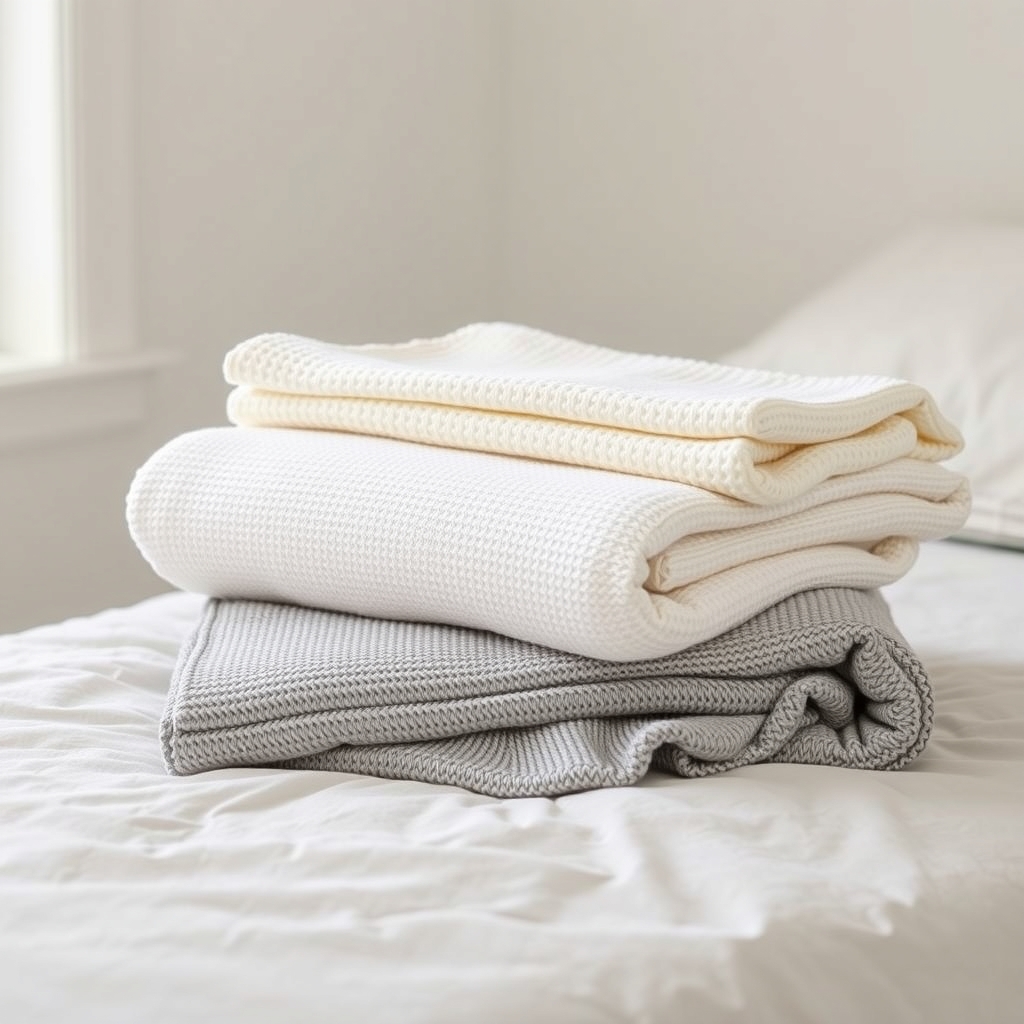
A 100 percent cotton throw blanket
Cotton is a natural fiber that lets heat and moisture pass through, so it avoids the clammy feel of polyester. A woven or waffle cotton throw can go in the washer, which makes it easy to live with.
What to get: 100 percent cotton throw blanket
How long it lasts: Years. Cotton gets softer with washing and does not hold static like synthetics.
As an Amazon Associate I earn from qualifying purchases.
What you'll need
-
Blanket care labels
They list the fiber content. Look for percent cotton, wool or polyester
You have it -
Cotton flat sheet or old cotton quilt
A quick natural layer while you shop
You have it - Our pick Illustration
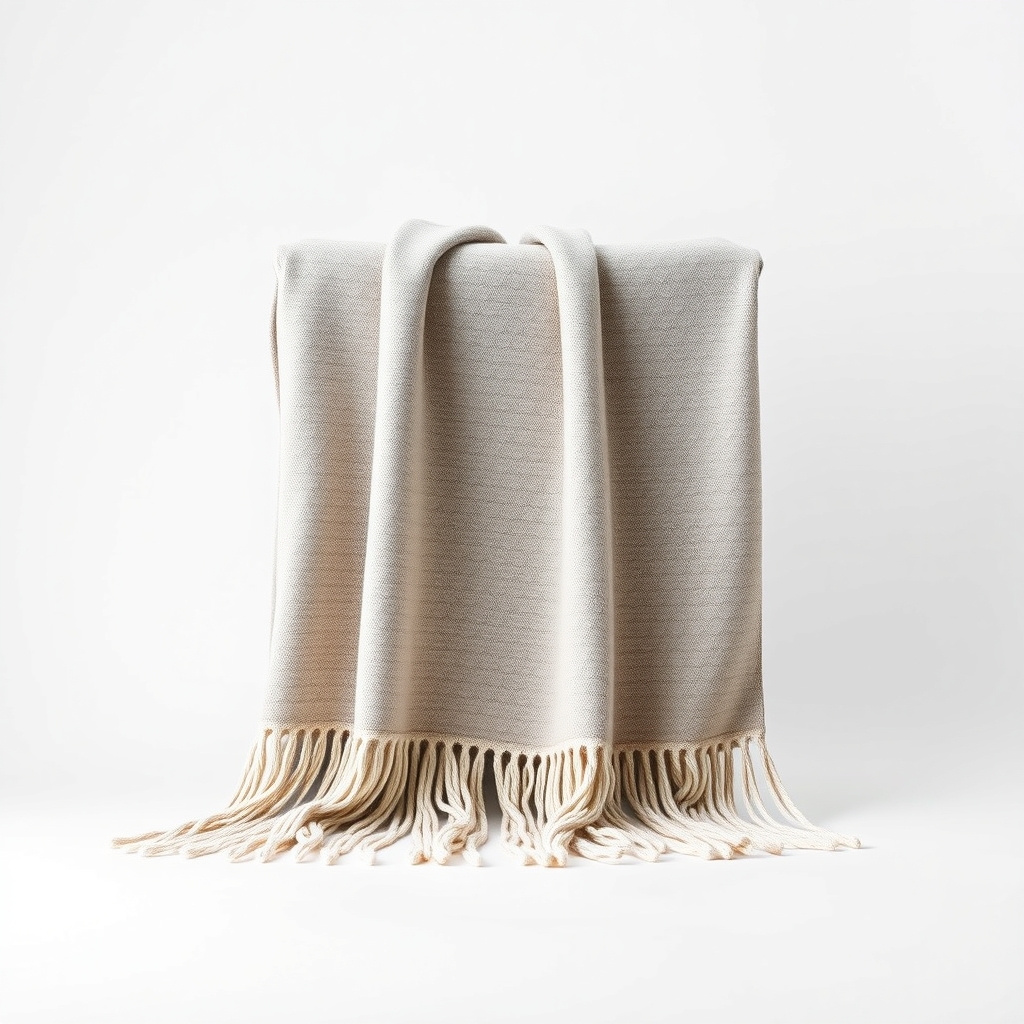
100 percent cotton throw blanket
Breathable, washable and good for most people
- Illustration
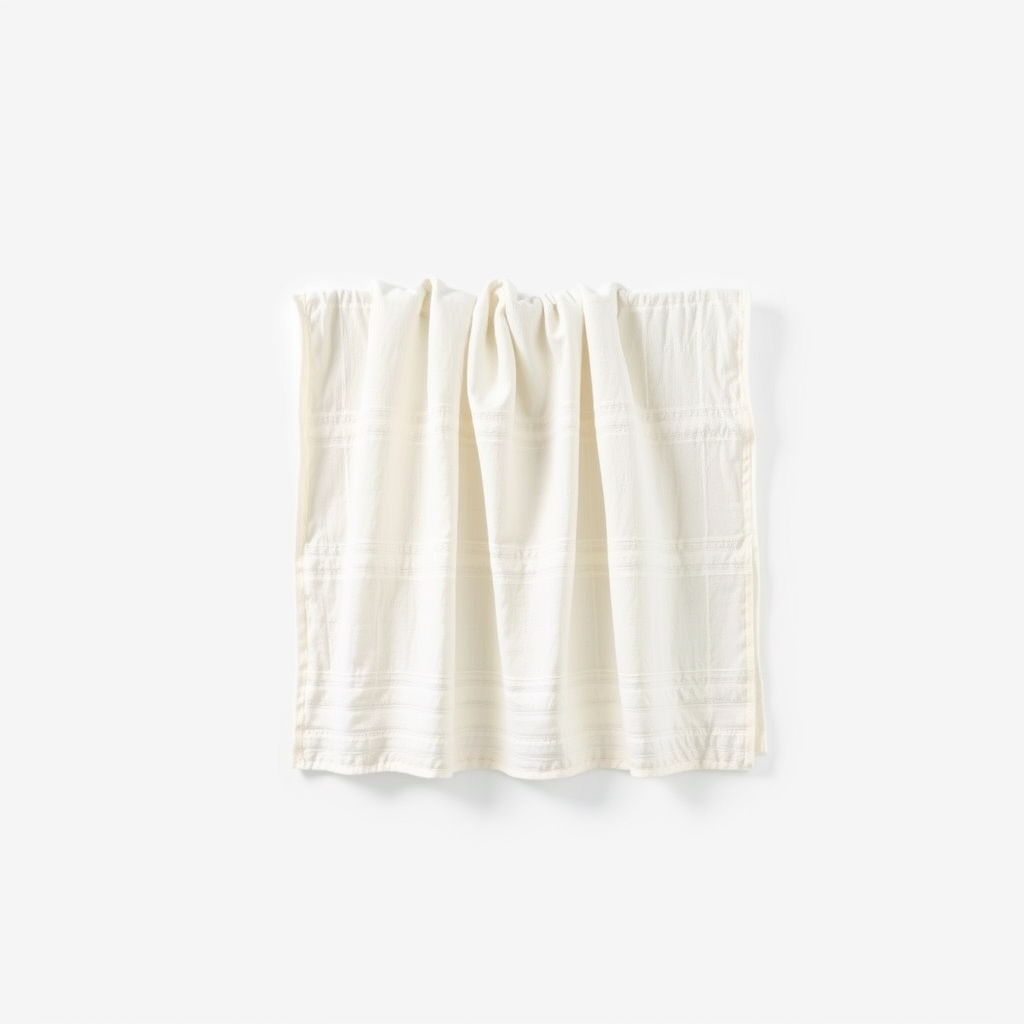
Cotton muslin or gauze throw
A light, lower-cost cotton option for warm sleepers
- Illustration
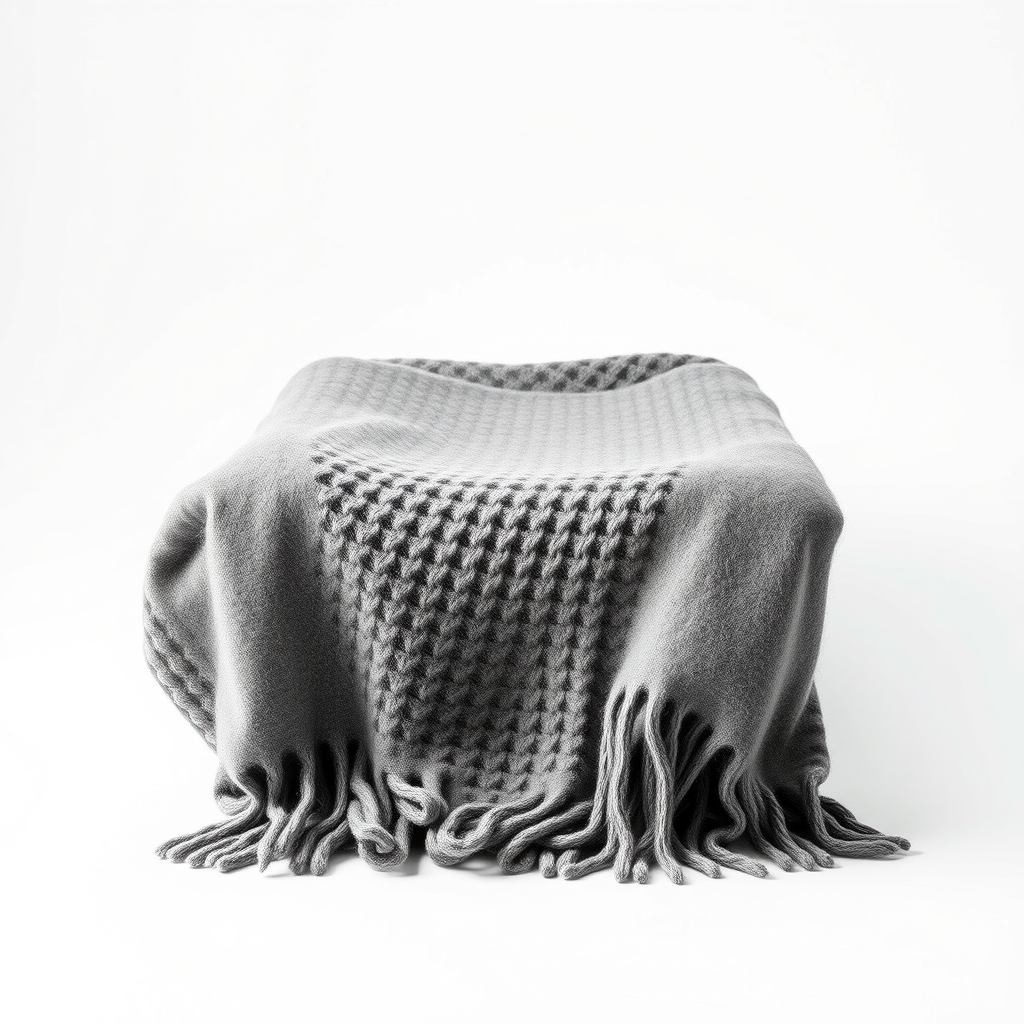
Merino or lambswool throw blanket
The warmest option, for cold rooms and chilly nights
Why it happens
Heat and sweat
Polyester does not absorb moisture the way cotton or wool does. Many people find it warm and clammy for the same reason.
Static and shocks
Synthetic fibers build up static in dry air, which means sparks, cling and lint.
Shedding and pilling
Fleece and microfiber throws pill and shed fine fibers in the wash. Those fibers end up on your clothes and in the drain.
Skin sensitivity and smell
Some people find polyester itchy, or notice a plastic smell on new blankets. A natural fiber is a reasonable choice if that bothers you.
Try this first (free)
Do these in order, starting with the simplest.
-
Check the fiber on the label
Tool used: Blanket care labelsFind the tag and look at the percent breakdown. Many blankets sold as soft, plush or cozy are 100 percent polyester, and others are a blend with only a little cotton. The label tells you what you really have.
-
Use a natural layer you already own
Tool used: Cotton flat sheet or old cotton quiltAn old cotton quilt, a cotton flat sheet or a wool blanket from a closet may do the job. Layer it over your sheet and under any polyester cover if you need the warmth.
-
Cut static on the polyester you keep
Wash it with a splash of white vinegar in the rinse and tumble it with dryer balls on low. Pull it out while it is still slightly damp.
-
Keep polyester off your skin
If a throw is the only thing that bothers you, put a cotton sheet between you and it, or use the throw over the bed as a decoration.
-
Pick your replacement by fiber
Tool used: 100 percent cotton throw blanketFor warm sleepers and easy care, choose cotton. For cold rooms, choose wool. For a silky drape, choose bamboo viscose. Read the full fiber percentage on the listing, not just the title.
IllustrationCheck price on AmazonTool for this step
100 percent cotton throw blanket · Breathable, washable and good for most people
When free fixes aren't enough
You can cut static and fuzz on a polyester blanket you own, but you cannot change what it is made of. If you want a natural fiber against your skin, a replacement is the only way. Also look at blends. A blanket labeled cotton may be 20 percent polyester, which can still hold heat and shed. If you have a wool allergy, test a small piece first, or choose cotton or bamboo. If you are shopping for a baby, follow safe-sleep advice, which says to keep loose blankets out of the crib.
Buy the fix
Still stuck after the free fixes? These are the products we would look at.
| Pick | Product | Fixes | Who it's for | Buy |
|---|---|---|---|---|
| Best pick | 100 percent cotton throw blanket | a blanket that runs hot, holds static and sheds synthetic fibers | Most people, especially hot sleepers and anyone who wants a blanket they can toss in the wash. | Check price |
| Budget pick | Cotton muslin or gauze throw | a hot, clingy synthetic blanket in summer | Warm sleepers, people in hot climates and shoppers who want a lower price. | Check price |
| Upgrade pick | Merino or lambswool throw blanket | a cold room and a need for natural warmth that handles damp | Cold sleepers, camping or cabin use, and anyone who wants a long-lasting throw. | Check price |
100 percent cotton throw blanket
Fixes: a blanket that runs hot, holds static and sheds synthetic fibers
Look for: A 100 percent cotton label, not a cotton blend; A weave you like, such as waffle, knit or woven; A machine-washable care label; A size that fits your bed or sofa, usually about 50 by 60 inches for a throw.
- Who it's for
- Most people, especially hot sleepers and anyone who wants a blanket they can toss in the wash.
- Honest downside
- You sleep in a cold room and want maximum warmth. Cotton is breathable, so wool will feel warmer.
Cotton muslin or gauze throw
Fixes: a hot, clingy synthetic blanket in summer
Look for: A 100 percent cotton label; Several thin layers that soften with washing; A hem that is stitched, not loose.
- Who it's for
- Warm sleepers, people in hot climates and shoppers who want a lower price.
- Honest downside
- You want a heavy blanket to snuggle under. Gauze is light and will not give much warmth by itself.
Merino or lambswool throw blanket
Fixes: a cold room and a need for natural warmth that handles damp
Look for: A label that says 100 percent wool, merino or lambswool; Soft, fine fibers, with merino usually less itchy than coarse wool; Clear care instructions, such as wash cold on a wool cycle or dry clean.
- Who it's for
- Cold sleepers, camping or cabin use, and anyone who wants a long-lasting throw.
- Honest downside
- You have a wool allergy or sensitive skin, or you want an easy toss-in-the-wash blanket.
As an Amazon Associate I earn from qualifying purchases. We don't show prices because they change, so use the button to see today's price.
How we picked: How we picked: this page is based on textile fiber guides, fabric care labels, safe-sleep advice, and what owners report in reviews of cotton, wool and bamboo throws. We do not test products by hand.
Cotton, wool and bamboo side by side
- Cotton: breathable, easy to wash, good in every season. Can wrinkle and shrink if you dry it too hot.
- Wool: the warmest. Stays warm when damp and resists odor. Needs gentle care, and coarse wool can itch.
- Bamboo viscose: soft, smooth and drapey, and often feels cool to the touch. It can pill and wear faster, so follow the care label.
- Linen: a lightweight alternative that is very breathable and softens with washing.
What to look for on the label
Check the percentage of each fiber, the care instructions and any textile safety certification the seller lists. A 100 percent label is more reliable than a vague claim like natural or organic feel.
What to skip
Blankets called 'cotton feel' or 'soft as cotton'
Wording like cotton feel, cozy or luxury usually means a synthetic made to look natural. Check the fiber percentage on the label. A blend with a bit of cotton is still mostly polyester.
Frequently asked questions
What is the best blanket that is not polyester?
Is bamboo a natural fiber?
Is a wool blanket too hot to sleep under?
How do I wash a cotton, wool or bamboo blanket?
Related problems
 Free fix inside
Bedroom & Sleep · Comforter
Comforter Not Polyester? Cotton and Wool Fills Compared
Read the fix Free fix inside
Bedroom & Sleep · Blanket
Blanket Shedding Fuzz Everywhere? How to Stop It for Good
Read the fix Free fix inside
Bedroom & Sleep · Blanket
Blanket So Static It Shocks You? 4 Fixes That Stop Sparks
Read the fix Free fix inside
Bedroom & Sleep · Blanket
Blanket Too Short? Extra-Long Throws That Cover Your Feet
Read the fixAs an Amazon Associate I earn from qualifying purchases. Affiliate disclosure