Blanket Shedding Fuzz Everywhere? How to Stop It for Good
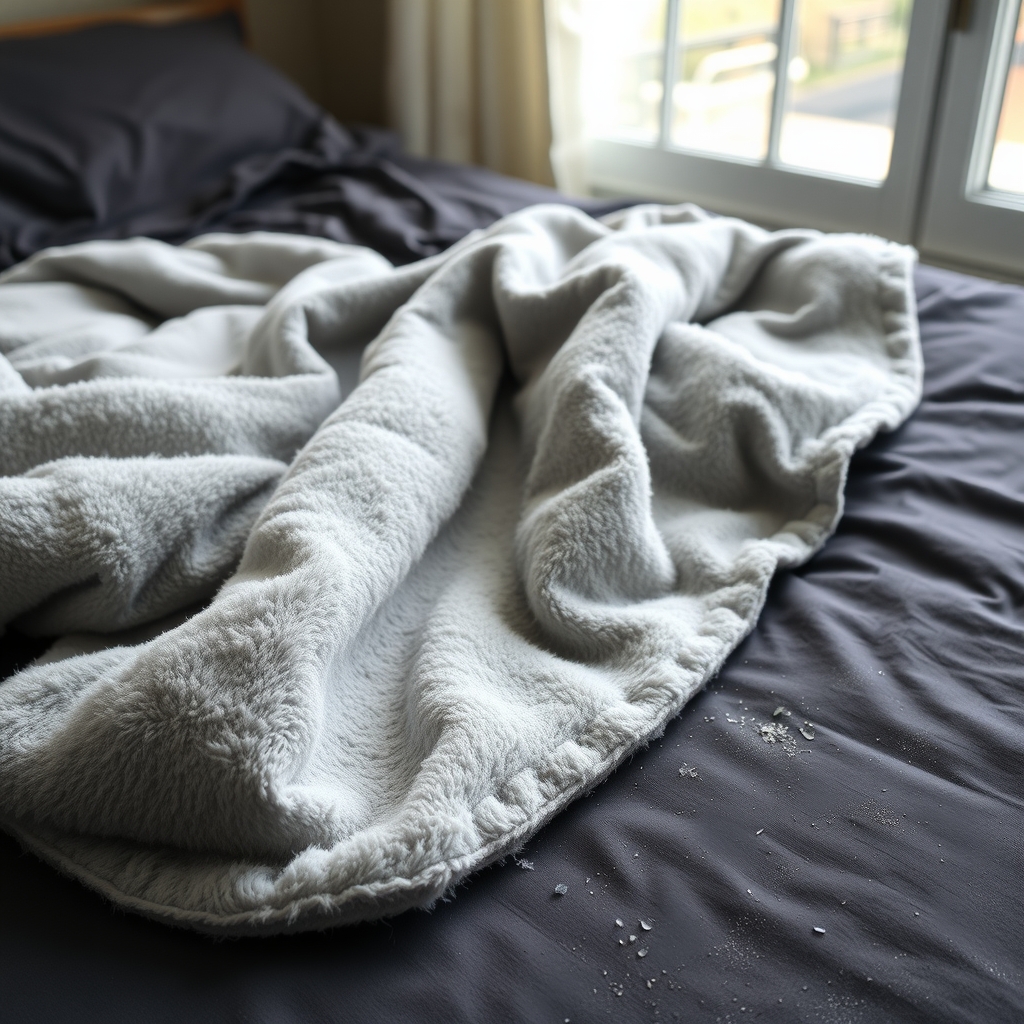
Loose fibers from a plush blanket end up on your sheets, sofa and clothes. Wash most of them out, then lift the rest with a wide lint roller.
By Jamilur Rahman Updated November 5, 2026 · 7 min read
- Time
- 30 min, plus a wash cycle
- Cost
- Under $20
- Difficulty
- Easy
In this guide
Quick answer
To stop a blanket from shedding, shake it out, tumble it on no heat to loosen the fibers, then wash it alone with a cup of white vinegar in the rinse. Most shedding is loose fiber left from manufacturing, and it fades after two or three washes. A wide pet-hair and lint roller lifts the fuzz that lands on sheets, sofas and clothes in the meantime, so the blanket stops following you around.
Free fix vs. permanent fix
Shake, tumble on no heat, then wash alone
- Shake it hard outside to knock off loose fibers
- Tumble 10 minutes on air-only with a couple of dry towels
- Wash alone on gentle with 1 cup of white vinegar in the rinse
- Clean the lint trap before and after every cycle
How long it lasts: Cuts shedding a lot after one or two washes. A blanket with a loose pile still drops some fuzz for a few weeks.
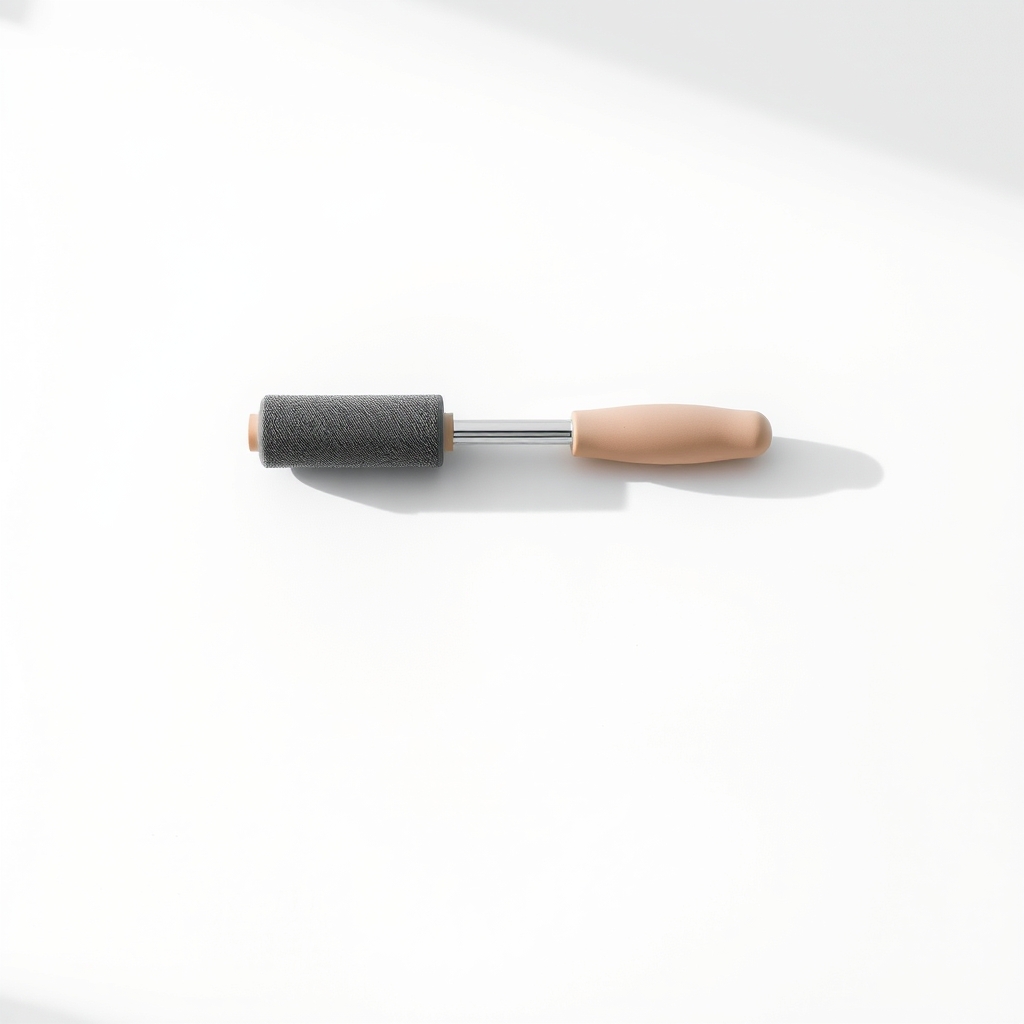
A wide pet-hair and lint roller
Once the loose fibers are washed out, what is left sits on surfaces, such as sheets, clothes and the sofa. A wide roller lifts it off the blanket and off everything it touches in a few passes. A reusable roller with a washable pad saves you from buying refills.
What to get: Wide pet-hair and lint roller
How long it lasts: For as long as you keep using it. It does not stop the blanket shedding, but it catches the fuzz before it spreads. Shedding itself fades after a few washes.
As an Amazon Associate I earn from qualifying purchases.
What you'll need
-
Dry towels
Tumbled with the blanket, they catch loose fibers
You have it -
White vinegar
A cup in the rinse helps release loose fibers
You have it - Our pick Illustration
Wide pet-hair and lint roller
Lifts fuzz off the blanket, sheets, sofa and clothes
- Illustration
Adhesive lint roller multipack
A cheaper way to catch stray fibers on clothes
- Illustration
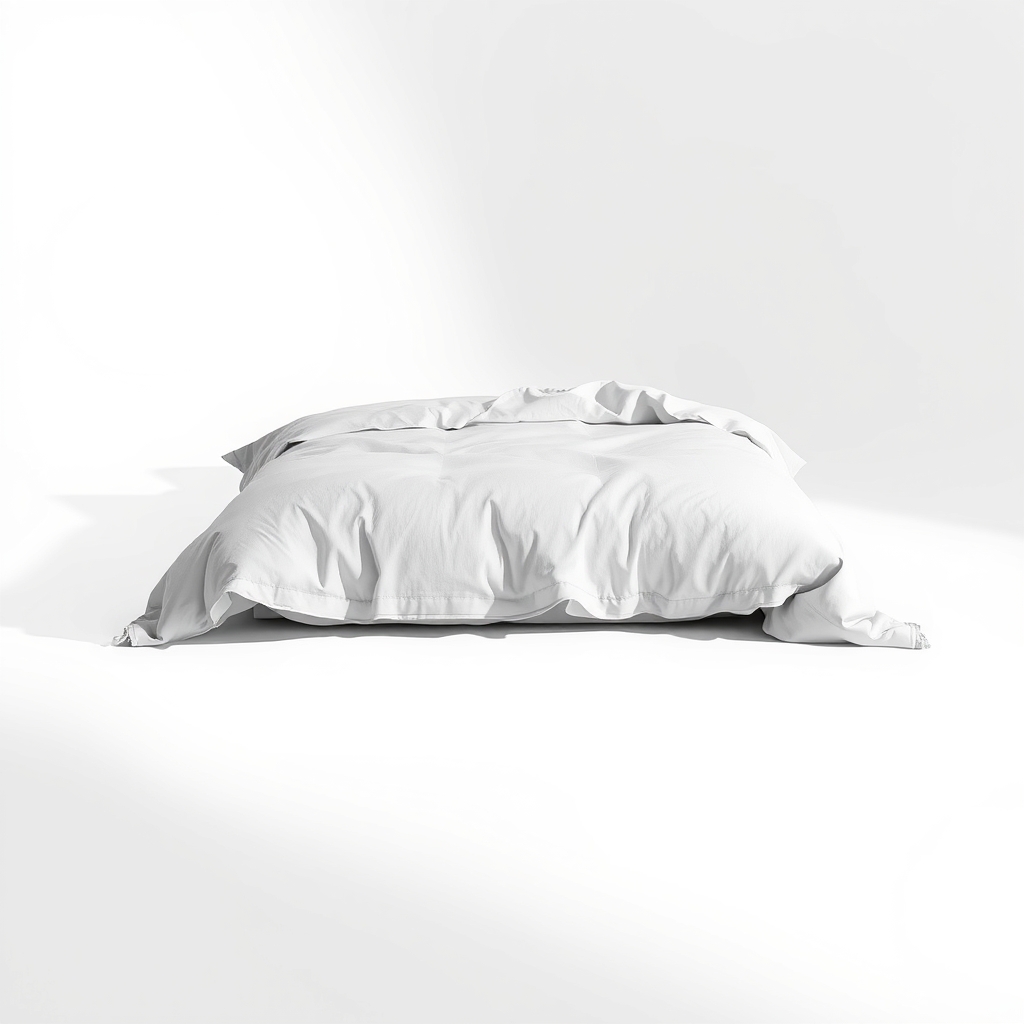
Duvet cover
Contains a comforter that sheds
Why it happens
Loose fibers left from manufacturing
Fleece, sherpa, chenille and plush blankets are cut or brushed during making, and loose fiber ends stay in the pile. The first few washes release them.
A thin or low-grade pile
Cheaper blankets use short fibers that are not locked into the backing. They keep shedding until the pile wears thin.
Rough washing and hot drying
Hot water, hard spinning and high dryer heat break fibers and mat the pile. Washing with towels or jeans adds friction that pulls more fuzz loose.
Friction and static in use
A blanket rubbing on sheets or a sofa sheds on contact. Static in dry air then pulls the fuzz toward clothes and pets.
Try this first (free)
Do these in order, starting with the simplest.
-
Shake it outside
Take the blanket outside and shake it hard for a minute, or do it over a trash bag. This knocks off the loosest fibers before they clog your washer.
-
Loosen with a no-heat tumble
Tool used: Dry towelsClean the lint trap. Tumble the blanket on air-only or the lowest heat for about 10 minutes with two or three dry towels. Clean the trap again.
-
Wash it alone
Tool used: White vinegarUse a gentle cycle in cool water, by itself, with half the usual detergent. Add 1 cup of white vinegar to the rinse. Skip fabric softener on fleece, microfiber and plush.
-
Dry it gently
Tool used: Dry towelsTumble on low or no heat with clean towels, and clear the lint trap halfway through. High heat can melt or mat synthetic fleece. Fluff the blanket by hand at the end.
-
Lift the leftover fuzz
Tool used: Wide pet-hair and lint rollerRoll a lint roller over the blanket in one direction, then over the sheets, sofa and clothes it touches. Repeat after the first week, since loose fibers keep working free.
IllustrationCheck price on AmazonTool for this step
Wide pet-hair and lint roller · Lifts fuzz off the blanket, sheets, sofa and clothes
When free fixes aren't enough
After two or three washes, a decent blanket sheds far less. If it still leaves a visible layer of fuzz each time you use it, the fibers are short and loosely anchored, and no wash will fix that. Put a throw sheet between you and it, or replace it. If a new blanket sheds heavily straight out of the package, ask for a return. A wide roller earns its place because it also picks up pet hair and the fuzz already on your sheets and sofa, which a wash cannot reach.
Buy the fix
Still stuck after the free fixes? These are the products we would look at.
| Pick | Product | Fixes | Who it's for | Buy |
|---|---|---|---|---|
| Best pick | Wide pet-hair and lint roller | leftover fuzz on the blanket, bed, sofa and clothes | Anyone with a fleece, sherpa or chenille blanket, or with pets that share the bed. | Check price |
| Budget pick | Adhesive lint roller multipack | stray fibers on clothes after you use the blanket | People who only need to de-fuzz a few things before leaving the house. | Check price |
Wide pet-hair and lint roller
Fixes: leftover fuzz on the blanket, bed, sofa and clothes
Look for: A wide head so you cover a throw in a few passes; Strong grip on fleece and plush; A washable or refillable pad so it keeps working.
- Who it's for
- Anyone with a fleece, sherpa or chenille blanket, or with pets that share the bed.
- Honest downside
- The blanket still sheds a thick layer every time. Wash it first, because a roller cannot keep up.
Adhesive lint roller multipack
Fixes: stray fibers on clothes after you use the blanket
Look for: Tear-off sheets with strong adhesive; A comfortable handle; Refills that fit the handle.
- Who it's for
- People who only need to de-fuzz a few things before leaving the house.
- Honest downside
- You need to cover a whole blanket or sofa. The sheets run out fast.
As an Amazon Associate I earn from qualifying purchases. We don't show prices because they change, so use the button to see today's price.
How we picked: How we picked: this page is based on blanket and textile care labels, laundry guides, and the fixes and complaints owners share in reviews. We do not test products by hand.
Blanket keeps shedding lint? Match the fix to the fabric
- Fleece and microfleece: wash alone and dry on low. High heat mats the pile.
- Sherpa and faux fur: shake it out, then brush gently with a soft brush. Skip heat.
- Chenille: it sheds most in the first few washes. Wash on gentle and let it settle.
- Cotton knit or waffle: sheds lint early on. Hot water makes it worse, so wash cool.
- Wool: shake and brush it, and follow the care label.
How to stop a comforter from shedding or releasing tiny hairs
The tiny hairs from a comforter are usually polyester fill or fabric fibers escaping through seams or thin spots. Shake it outside, check the seams for loose stitching, and wash and dry it on low. A duvet cover keeps the fibers off you and off the sheets. If the comforter leaks feathers rather than fuzz, that is a different problem, since the quills are poking through the shell.
What to skip
Fabric softener, high heat and a vacuum
Fabric softener leaves a film that can make plush piles clump. High heat can melt or mat synthetic fleece. A vacuum pulls more fibers out of the pile and does not stop the shedding.
Frequently asked questions
Why is my blanket shedding so much, and why does it keep shedding?
How to stop a blanket from shedding lint or fluff?
How to stop blankets from leaving fuzz on clothes and sheets?
How to fix blanket shedding for good?
Should I wash a new blanket before using it?
Related problems
 Free fix inside
Bedroom & Sleep · Comforter Care
Down Comforter Shedding Feathers? Stop the Leaks Fast
Read the fix Free fix inside
Bedroom & Sleep · Comforter
Comforter Pilling? Shave It Smooth and Stop It Coming Back
Read the fix Free fix inside
Bedroom & Sleep · Comforter
Comforter Balling Up in the Dryer? Fluff It Back for Good
Read the fix Free fix inside
Bedroom & Sleep · Blanket
Blanket So Static It Shocks You? 4 Fixes That Stop Sparks
Read the fixAs an Amazon Associate I earn from qualifying purchases. Affiliate disclosure