Comforter Pilling? Shave It Smooth and Stop It Coming Back
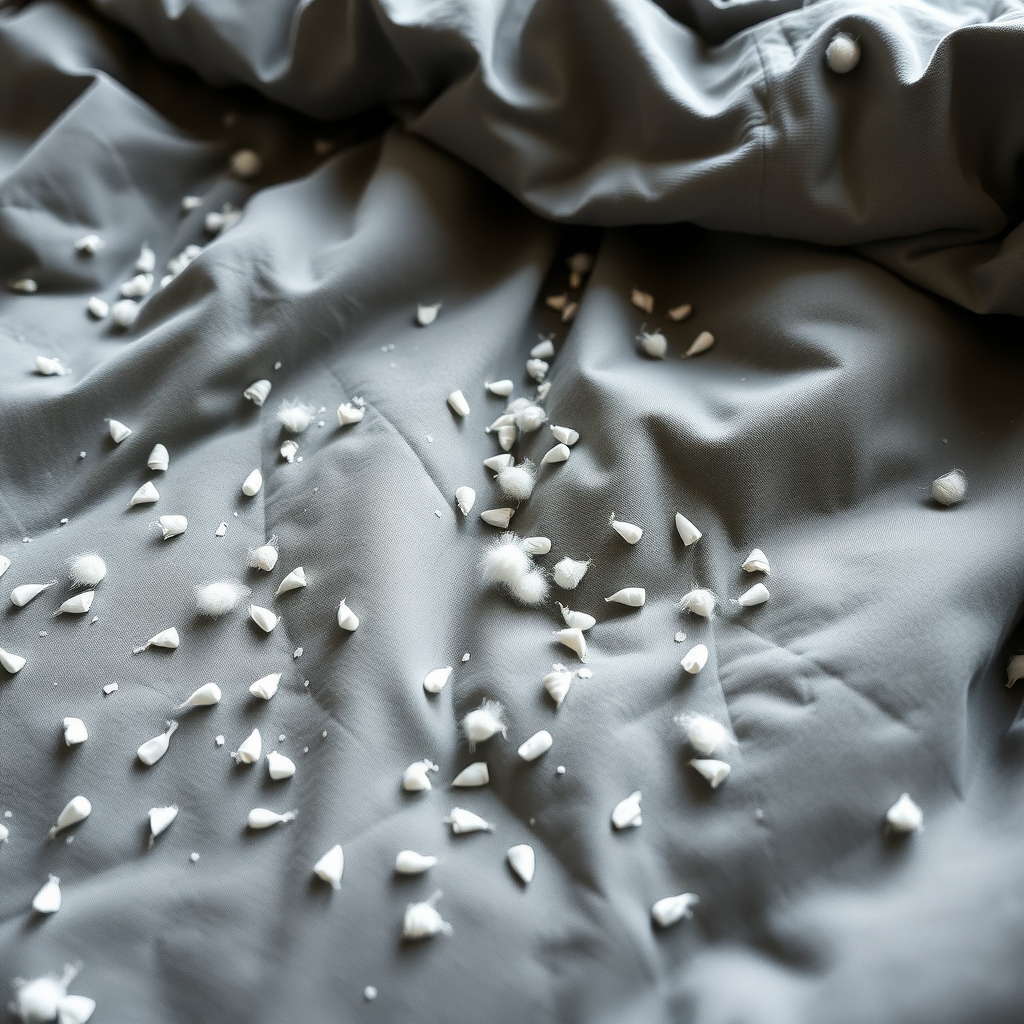
Pills form where short fibers rub and tangle. Shave them off with a fabric shaver, then change how you wash and cover the comforter so they stay gone.
By Jamilur Rahman Updated November 5, 2026 · 7 min read
- Time
- 30 min
- Cost
- Under $20
- Difficulty
- Easy
In this guide
Quick answer
Pilling is short fibers rubbing together until they tangle into small balls. Remove them by laying the comforter flat and running an electric fabric shaver over the surface, which takes minutes. Then slow new pills down: wash on a gentle cycle with a small amount of detergent, skip fabric softener, dry on low heat and put a duvet cover over the comforter so it stops rubbing on you and your sheets.
Free fix vs. permanent fix
Snip and lift the pills by hand
- Lay the comforter flat in bright light
- Lift each large pill and snip it off with small, sharp scissors
- Never tug a pill. Pulling draws out more fiber
- Pick up the loose fuzz with a lint roller
How long it lasts: Until the next round of rubbing. It is slow, and pulling pills can loosen the fabric.
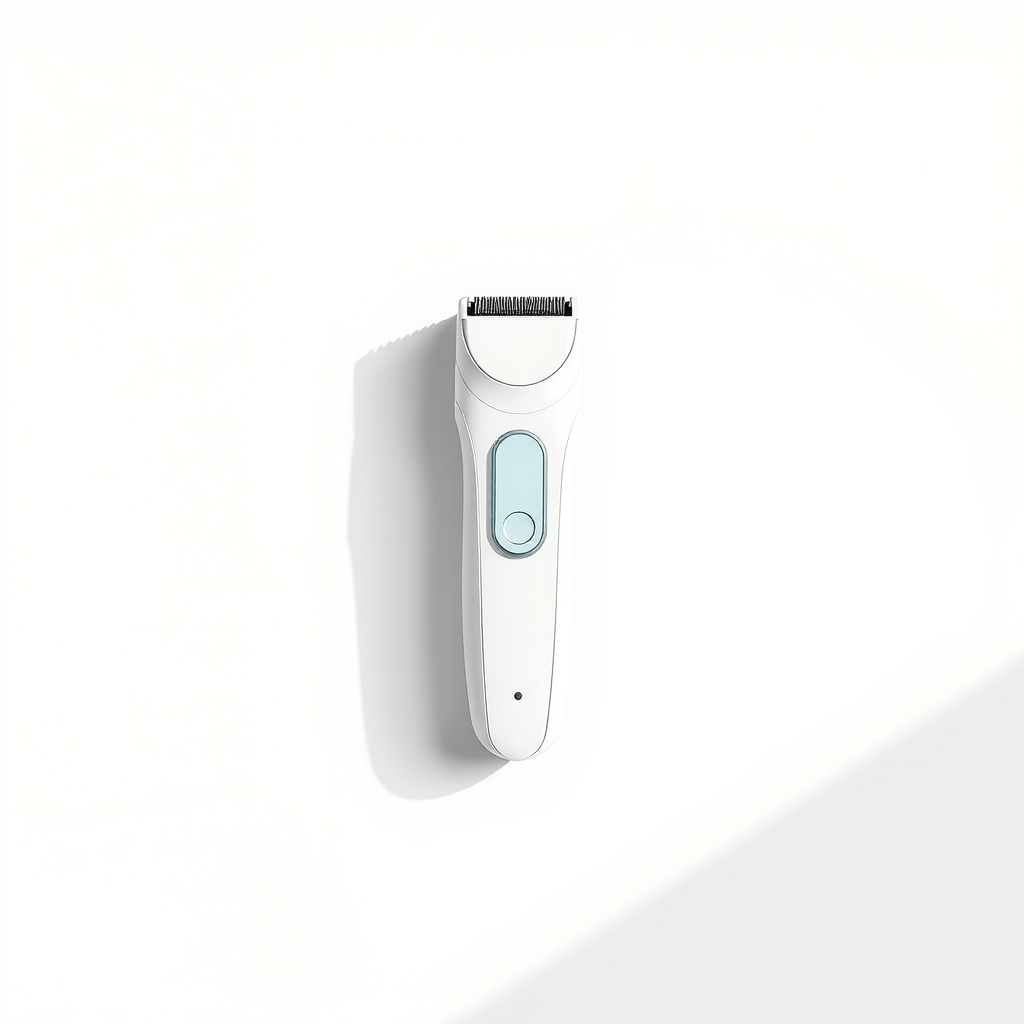
An electric fabric shaver
Snipping a whole comforter takes hours, and one slip cuts the weave. A fabric shaver has a guarded blade that sits above the cloth and cuts only the pills, so it clears a full comforter in minutes. Paired with a gentler wash and a cover, it keeps the surface smooth.
What to get: Electric fabric shaver
How long it lasts: Years of use on comforters, blankets, sweaters and throws. You repeat it only when new pills form.
As an Amazon Associate I earn from qualifying purchases.
What you'll need
-
Small sharp scissors
For stubborn pills on seams and edges
You have it -
Lint roller
Picks up loose fuzz after you remove the pills
You have it - Our pick Illustration
Electric fabric shaver
Choose one with a lint bin and a guard over the blade
- Illustration
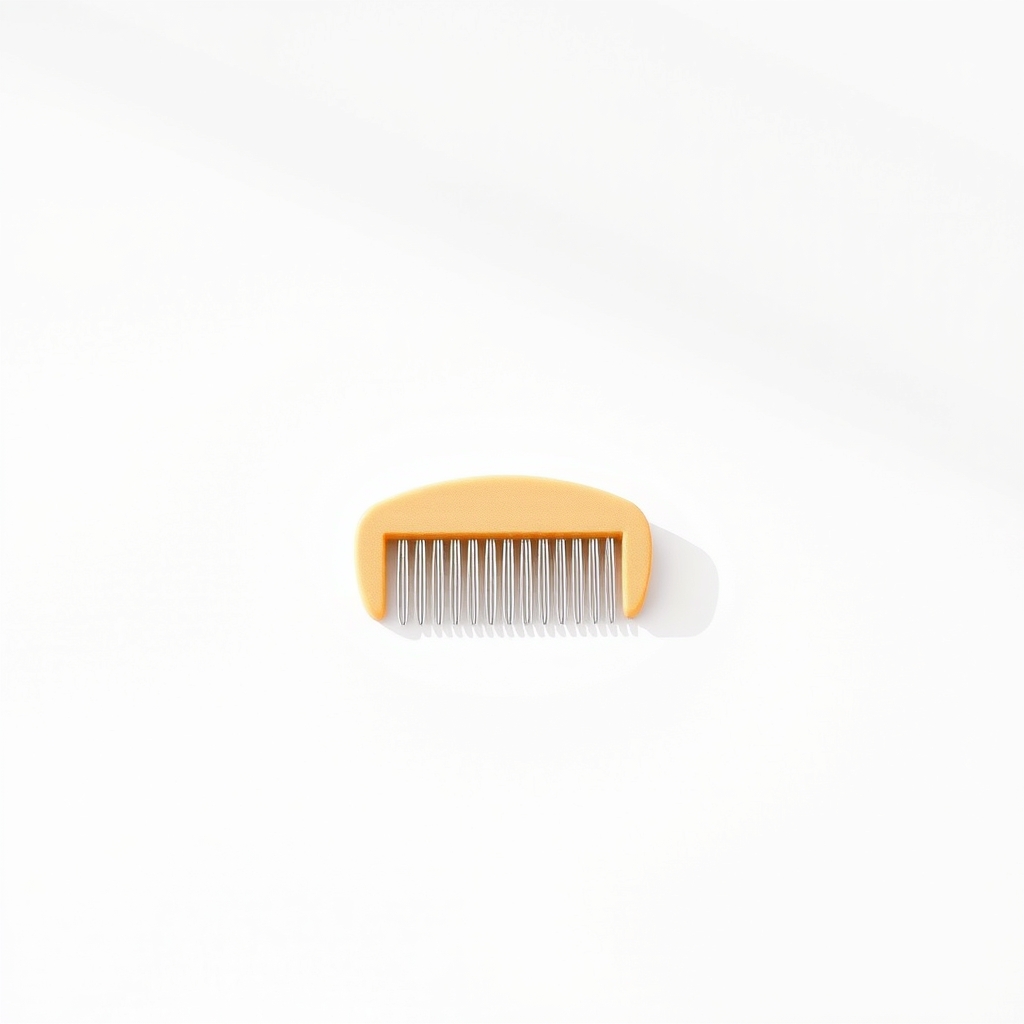
Manual fabric comb
For small areas, a sweater or the edge of a blanket
- Illustration
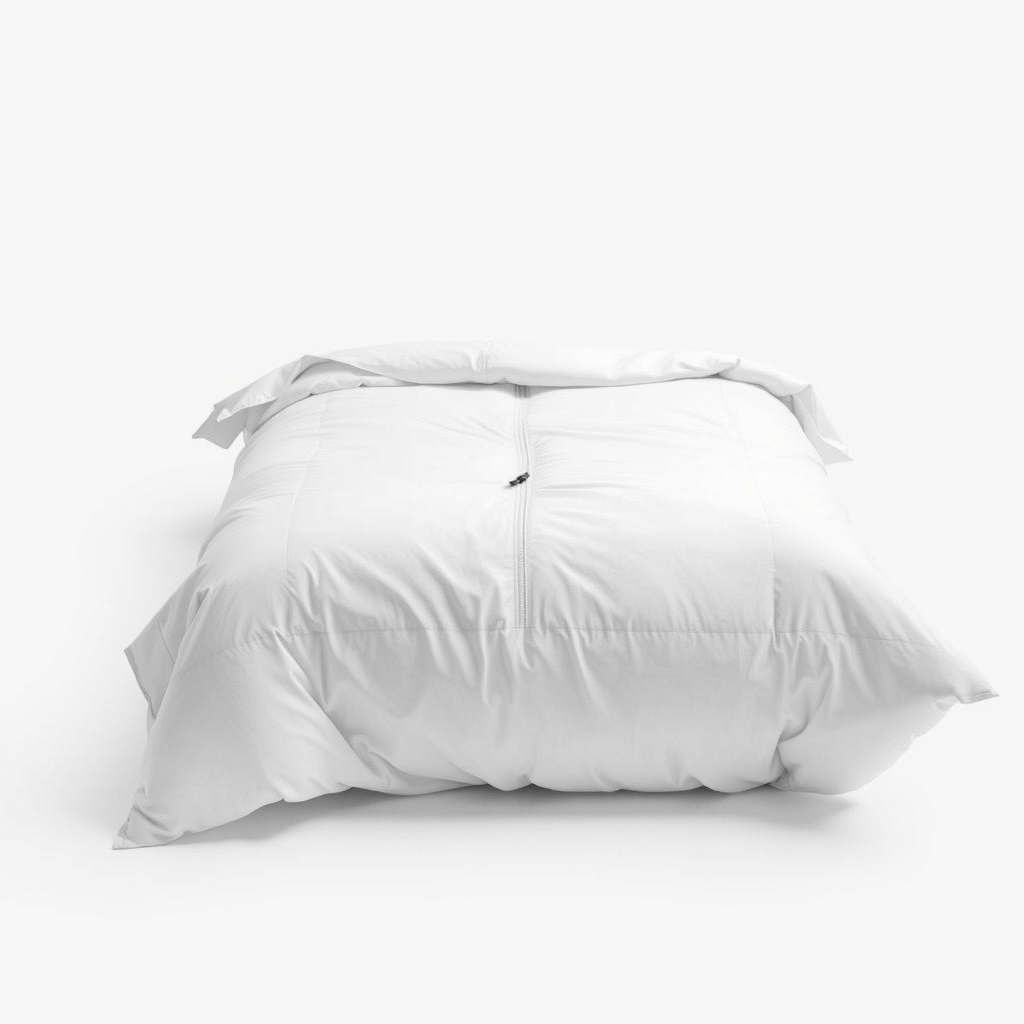
Duvet cover
Takes the rubbing off the comforter itself
Why it happens
Friction from skin, sheets and movement
Pills form where fabric rubs most: the top third near your chest and face, the sides where you tuck and the foot end. Rubbing pulls loose fibers to the surface, and they tangle.
Short or loosely spun fibers
Microfiber, fleece, polyester blends and short-staple cotton have short fibers that work free easily. Soft, brushed covers tend to pill first.
Rough washing
Washing with jeans, zippers or towels, overloading the drum and using a long, hot cycle all scrub the surface. Too much detergent left in the fabric adds to the stiffness.
Hot drying and fabric softener
High heat roughens fibers. Softener can coat them and, on microfiber and fleece, leave matted patches that feel flat or greasy.
Try this first (free)
Do these in order, starting with the simplest.
-
Lay it flat and look it over
Spread the comforter on a clean bed or a large table, in bright light, so the pills cast small shadows. Check for holes or thin spots before you start. Do not shave over a hole.
-
Snip the large ones
Tool used: Small sharp scissorsLift each big pill with your fingertips and snip it at the base. Do not tug it. Tugging pulls fiber out of the weave and starts new pills.
-
Shave the rest
Tool used: Electric fabric shaverGlide the shaver over the surface in light, slow strokes, working in small areas. Keep the guard on, empty the lint bin often and stay clear of seams, piping and quilting stitches.
IllustrationCheck price on AmazonTool for this step
Electric fabric shaver · Choose one with a lint bin and a guard over the blade
-
Lift off the fuzz
Tool used: Lint rollerRoll a lint roller over the surface to pick up what the shaver left behind, then shake the comforter out.
-
Fluff any matted patches
Matting is fiber pressed flat and tangled, with no clear pills. Shake the comforter hard, then tumble it on low heat or the air-fluff setting for about 20 minutes. Heavy matting on fleece will not fully recover, but this brings back some loft.
-
Wash it gently from now on
Use a gentle cycle in cool or warm water, about half the usual detergent and no fabric softener. Wash it alone or with other soft items, then dry on low heat. Follow the care label.
When free fixes aren't enough
If the fabric is thin or worn, pills come back within weeks because the fibers themselves are failing, not just tangled. Shaving removes a little cloth along with the pills, so you cannot do it forever. If there are holes, bald patches or fill poking through the shell, repair or replace the comforter. On a down comforter, go lightly. A shaver on a thin shell can nick it and leak feathers, so spot-snip instead. A cover over the comforter takes most of the rubbing away.
Buy the fix
Still stuck after the free fixes? These are the products we would look at.
| Pick | Product | Fixes | Who it's for | Buy |
|---|---|---|---|---|
| Best pick | Electric fabric shaver | pills and lint balls on the comforter surface | Anyone with a pilled comforter, blanket, sweater or throw. One shaver handles all of them. | Check price |
| Budget pick | Manual fabric comb or pill-removing brush | light pilling on small areas | A few pills on a sweater, a throw or the edge of a blanket. | Check price |
| Upgrade pick | Duvet cover with a zipper or button closure | new pills, by moving the rubbing from the comforter to the cover | Anyone who wants to protect a comforter they like, or who would rather wash a cover than a bulky comforter. | Check price |
Electric fabric shaver
Fixes: pills and lint balls on the comforter surface
Look for: A guarded blade that sits above the fabric, so it cuts pills and not cloth; A wide head, since a comforter is a large surface; Rechargeable or battery power with a lint bin you can empty; Adjustable height, if available, for different fabrics.
- Who it's for
- Anyone with a pilled comforter, blanket, sweater or throw. One shaver handles all of them.
- Honest downside
- Your comforter has a very fine shell or a loose weave that snags. Hand-snip it instead.
Manual fabric comb or pill-removing brush
Fixes: light pilling on small areas
Look for: Fine teeth or a flat blade that glides over the cloth; A comfortable grip; A built-in guard or a stone that lifts rather than cuts.
- Who it's for
- A few pills on a sweater, a throw or the edge of a blanket.
- Honest downside
- The whole comforter is pilled. It takes hours.
Duvet cover with a zipper or button closure
Fixes: new pills, by moving the rubbing from the comforter to the cover
Look for: A size that matches your comforter; A zipper or buttons that hold; Corner ties or loops to keep the comforter from shifting inside.
- Who it's for
- Anyone who wants to protect a comforter they like, or who would rather wash a cover than a bulky comforter.
- Honest downside
- Your comforter is thin and the cover would bunch. Choose one with corner ties, or skip the cover.
As an Amazon Associate I earn from qualifying purchases. We don't show prices because they change, so use the button to see today's price.
How we picked: How we picked: this page is based on fabric-care guides from makers, textile advice on pilling and matting, and the problems and fixes people report in reviews of fabric shavers. We do not test products by hand.
Pilling, matting or lumpy fill? How to tell
- Pilling: small balls sitting on top of the fabric. Shave them off.
- Matting: flat, stiff, felted patches with no clear balls. Fluff and shake, and expect partial recovery.
- Lumps inside: the fill has clumped, which is not pilling. A low-heat tumble with a couple of clean dryer balls spreads it out.
A gentler wash routine
- Wash the comforter alone or with other soft items.
- Choose a gentle cycle and cool or warm water.
- Use about half the usual detergent and skip fabric softener.
- Dry on low heat or air-dry, and take it out as soon as the cycle ends.
What to skip
Fabric softener, hot dryers and razors
Softener can leave a coating that mats microfiber and fleece. A hot dryer roughens fibers. A razor will shave pills, but it cuts cloth with a single slip, and it gives no guard. A fabric shaver does the same job with a guard on.
Frequently asked questions
Why does my comforter keep pilling?
Will the pilling go away on its own?
Does pilling make a comforter less warm?
Is it safe to use a fabric shaver on a down comforter?
Related problems
As an Amazon Associate I earn from qualifying purchases. Affiliate disclosure