Down Comforter Shedding Feathers? Stop the Leaks Fast
Loose feathers come from poking quills and tiny seam holes. Stop the leaks you can reach, then add a down-proof cover to catch the rest.
By Jamilur Rahman Updated November 5, 2026 · 7 min read
- Time
- 30 min
- Cost
- $20-$50
- Difficulty
- Easy

In this guide
Quick answer
A down comforter that keeps shedding is leaking through tiny seam holes or through quills poking out of the fabric, which is common in older comforters and in the first few washes of new ones. Pluck the poking quills, sew up small holes and wash with care. For shedding that does not stop, a tightly woven down-proof duvet cover traps what leaks and protects the comforter, and you wash the cover instead.
Free fix vs. permanent fix
Find and mend the leaks
- Pluck poking quills gently, in the direction they point
- Close small seam holes with tiny stitches
- Tumble on low with dryer balls to settle the down
- Wash only when needed, on a gentle cycle
How long it lasts: Weeks to months for a few leaks. An aging shell keeps releasing down.
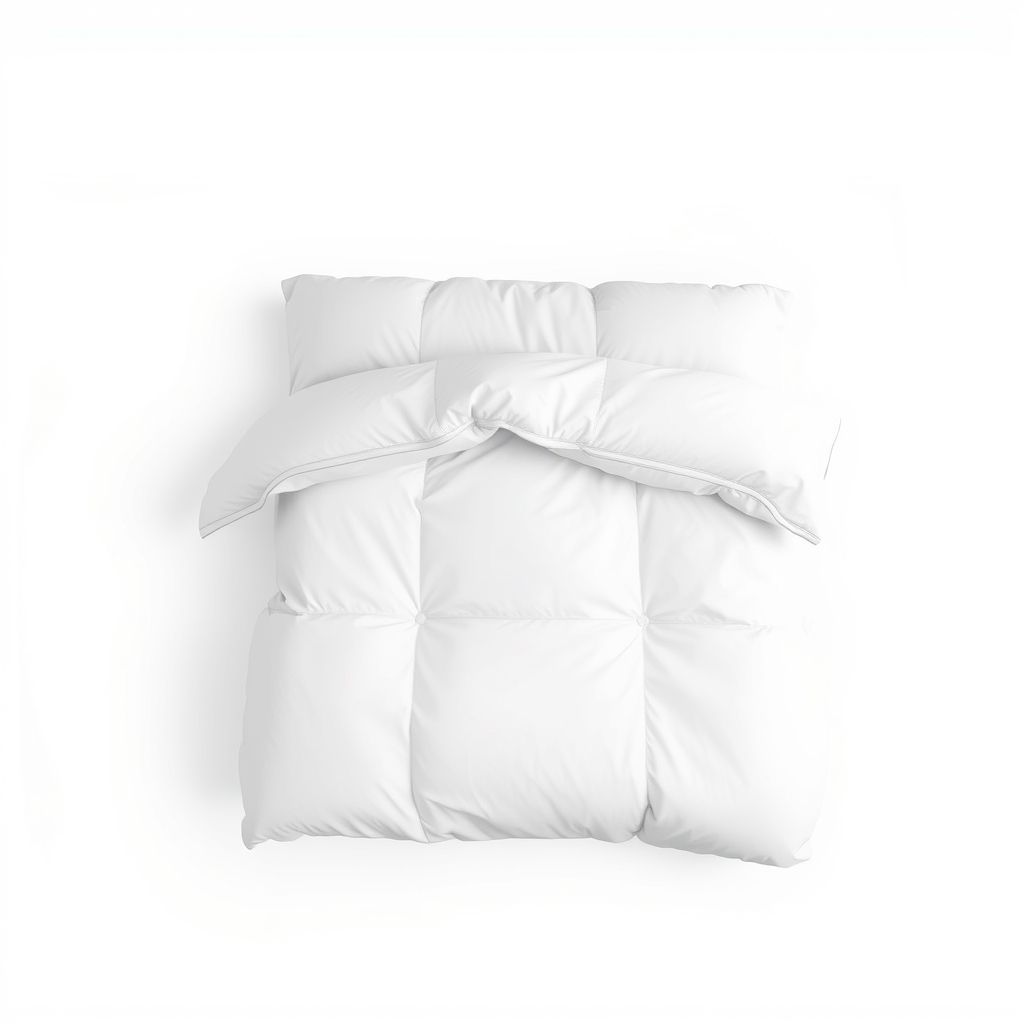
A down-proof duvet cover
Shedding comes from a shell that no longer holds the fill. A down-proof cover adds a tightly woven outer layer, so feathers that escape stay inside it, and you wash the cover instead of the comforter.
What to get: Down-proof duvet cover with zipper closure
How long it lasts: Years. The tight weave traps escaping feathers, and the cover is the part you wash.
As an Amazon Associate I earn from qualifying purchases.
What you'll need
-
Fine needle and thread
For small holes along seams
You have it -
Dryer balls or clean tennis balls
Break up clumps and settle the down
You have it -
Lint roller
Picks up loose feathers on the bed
You have it - Our pick Illustration
Down-proof duvet cover
The lasting fix for ongoing shedding
- Illustration
Fabric repair patch kit
For one or two small holes
- Illustration
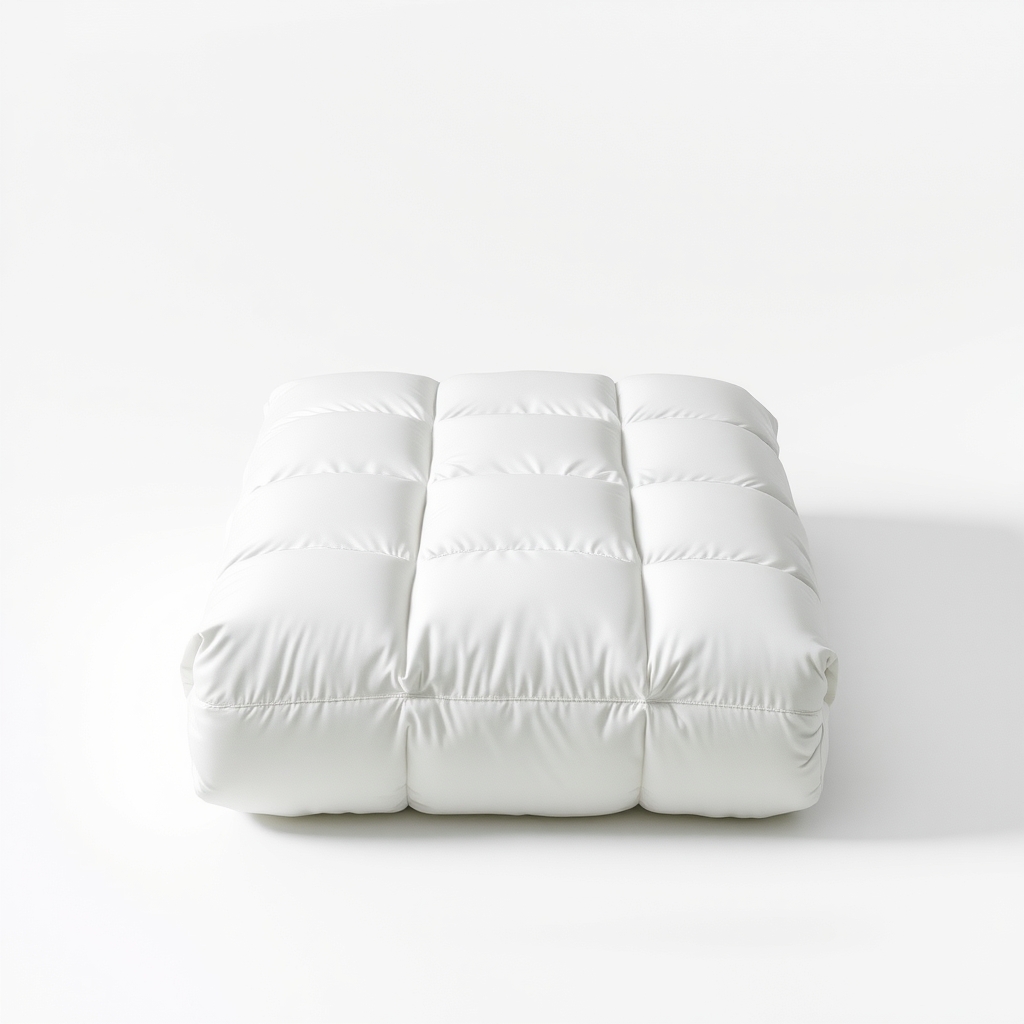
Down comforter with a down-proof shell
For a comforter that is worn out
Why it happens
Quills poking through the shell
Down clusters are soft, but the feathers mixed in have hard quills. Over time they can punch through the fabric and then drop out.
Tiny holes along the seams
Seams and baffle stitching wear with washing and use. A hole the size of a pinprick can release a steady trickle of down.
A shell with a loose weave
Cheaper comforters use a looser fabric, which lets small feathers work through. A tighter, down-proof weave lets far less out.
Rough washing and drying
An overfilled machine, a hot dryer and pulling a wet comforter out by one corner all strain the seams and shell.
Try this first (free)
Do these in order, starting with the simplest.
-
Do a quick leak check
Shake the comforter over a clean sheet, then hold it up to a bright window. Quills poking out show as dark spots, and small holes show as pinpoints of light.
-
Pluck poking quills
Pinch a poking quill and pull it out the way it points. Do not tug it sideways, which tears the fabric. Rub the spot with a fingertip to close the hole.
-
Close small holes
Tool used: Fine needle and threadUse a fine needle and matching thread. Sew a few tiny stitches across the hole and the seam, and knot it well. For a larger tear, use a patch.
-
Wash carefully
Wash on a gentle cycle with a little mild soap, in a machine big enough for the comforter to move freely. Rinse twice and spin. Skip fabric softener.
-
Dry on low with balls
Tool used: Dryer balls or clean tennis ballsTumble on low heat with dryer balls or clean tennis balls until it is completely dry, and check the center. Damp down can mildew, and a stressed shell leaks more.
-
Add a down-proof cover
Tool used: Down-proof duvet coverZip the comforter into a down-proof duvet cover. You then wash the cover often, and the comforter itself only once or twice a year.
IllustrationCheck price on AmazonTool for this step
Down-proof duvet cover · The lasting fix for ongoing shedding
When free fixes aren't enough
Plucking and stitching cure a few leaks. They do not help when the shell is worn all over. If you find new feathers every day, the fabric is thin or the stitching is giving way. A down-proof duvet cover is the practical fix, since it traps feathers and protects the shell from body oils and wear. If the comforter is also flat, lumpy or smells after washing, it may be at the end of its life. That is the time to replace it.
Buy the fix
Still stuck after the free fixes? These are the products we would look at.
| Pick | Product | Fixes | Who it's for | Buy |
|---|---|---|---|---|
| Best pick | Down-proof duvet cover with zipper closure | feathers escaping through a worn comforter shell | Anyone with a shedding down comforter that is still warm and in good shape. | Check price |
| Budget pick | Fabric repair patch kit for small holes | one or two small holes | Comforters with just a few leaks. | Check price |
| Upgrade pick | Down comforter with a down-proof shell and baffle-box stitching | an old comforter that cannot be saved | Anyone whose comforter is flat, clumpy or leaking all over. | Check price |
Down-proof duvet cover with zipper closure
Fixes: feathers escaping through a worn comforter shell
Look for: A tightly woven fabric listed as down-proof; A full zipper and corner ties to hold the comforter; A size that matches your comforter; Machine washable.
- Who it's for
- Anyone with a shedding down comforter that is still warm and in good shape.
- Honest downside
- The comforter is flat, lumpy or smells bad even after washing. The fill is worn out and a cover will not help.
Fabric repair patch kit for small holes
Fixes: one or two small holes
Look for: Fabric weight that matches your shell; An adhesive rated for washing; Round patches without sharp corners.
- Who it's for
- Comforters with just a few leaks.
- Honest downside
- There are many holes or the fabric is thin. Patches keep peeling.
Down comforter with a down-proof shell and baffle-box stitching
Fixes: an old comforter that cannot be saved
Look for: A shell listed as down-proof or tight-weave; Baffle-box construction to keep the fill in place; A fill power and weight that match your climate; A care label you can follow at home.
- Who it's for
- Anyone whose comforter is flat, clumpy or leaking all over.
- Honest downside
- Your current one still has good loft, so try the cover first. Also skip down if you are allergic to it.
As an Amazon Associate I earn from qualifying purchases. We don't show prices because they change, so use the button to see today's price.
How we picked: How we picked: this page is based on care guidance for down bedding, basic repair advice and what people report in owner reviews of down-proof covers. We do not test products by hand.
Is some shedding normal?
Yes. New down items shed a few feathers at first, and a comforter that is shaken or tumbled will let some loose pieces go. A few feathers now and then is normal. Shedding every day, or a growing pile on the sheets, means the shell or seams need attention.
How to wash a down comforter without making it worse
- Use a large machine, ideally a front-loader, so the comforter can move freely.
- Use a small amount of mild soap and a gentle cycle, then add an extra rinse.
- Dry on low heat with dryer balls for as long as it takes to dry through.
- Do not wash it more than once or twice a year. Use a cover for everyday protection.
What to skip
Hot dryers, glue and sideways yanking
Skip hot dryer settings, which cook the shell. Skip glue on holes, which stiffens the fabric and peels. Never tug a poking quill sideways or run a vacuum over the comforter. Both widen the hole.
Frequently asked questions
Is it normal for a new down comforter to shed?
How do I stop feathers poking through my comforter?
Can I wash a down comforter that is shedding?
What is a down-proof duvet cover?
When should I replace a shedding down comforter?
Related problems
 Free fix inside
Bedroom & Sleep · Comforter Care
Comforter Dry Clean Only? A Cover Means You Rarely Need To
Read the fix Free fix inside
Bedroom & Sleep · Comforter
Comforter Smells Bad After Washing? The Reset That Fixes It
Read the fix Free fix inside
Bedroom & Sleep · Comforter Care
Ripped Comforter? A No-Sew Repair That Survives the Wash
Read the fix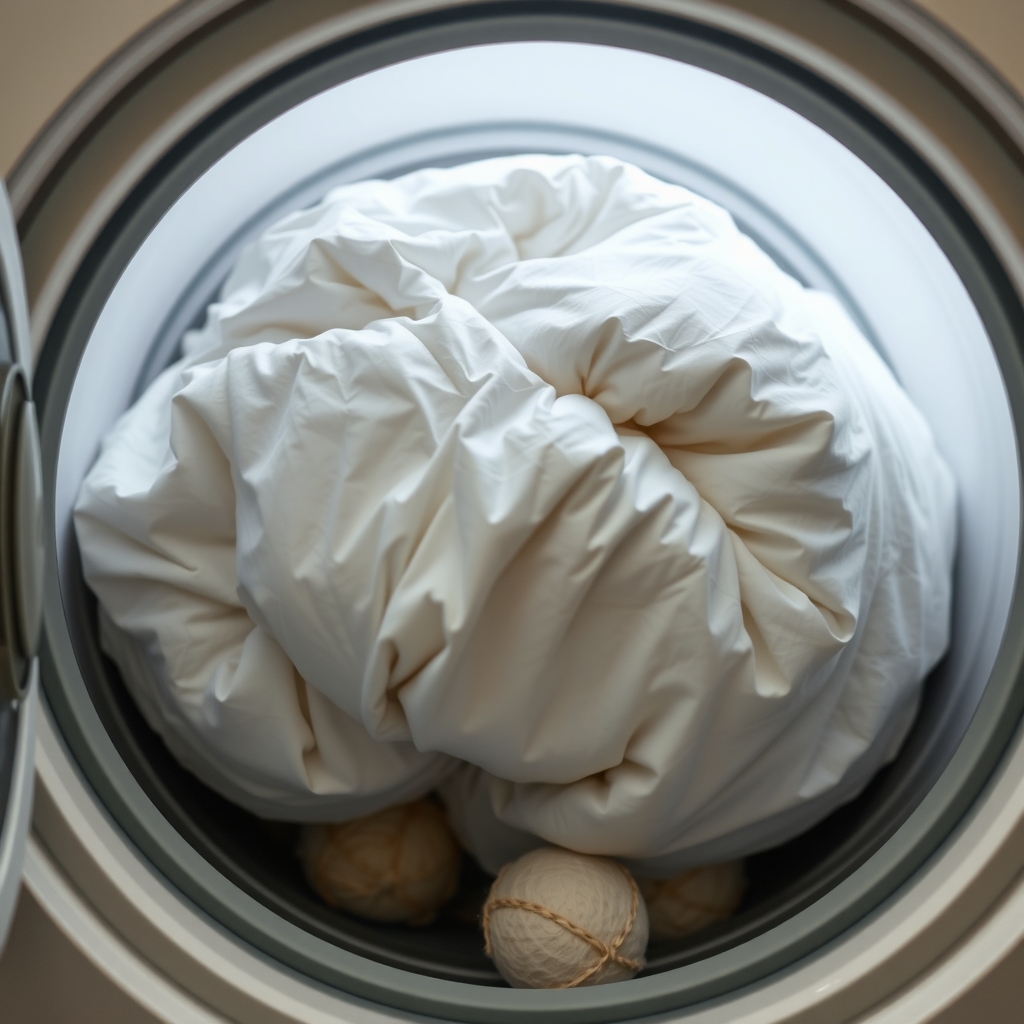 Free fix inside
Bedroom & Sleep · Comforter
Comforter Balling Up in the Dryer? Fluff It Back for Good
Read the fixAs an Amazon Associate I earn from qualifying purchases. Affiliate disclosure