Ripped Comforter? A No-Sew Repair That Survives the Wash
A small rip leaks fill and grows with every wash. Close it with no-sew fabric patches, or stitch it by hand if you would rather use what you own.
By Jamilur Rahman Updated November 5, 2026 · 6 min read
- Time
- 20 min
- Cost
- Under $20
- Difficulty
- Easy

In this guide
Quick answer
To fix a comforter without sewing, use a no-sew fabric repair patch over a clean, dry tear. Push any escaped fill back in first, and pin the gap shut while you work. A split seam can be hand-stitched for free, but a torn shell is better covered with a patch, which does not pull on a few stitches or leave needle holes.
Free fix vs. permanent fix
Pin it tonight, or hand-stitch the seam
- Push escaped fill back in with a pencil tip
- Close a split seam with a ladder stitch
- Use safety pins to hold a gap shut for tonight
- Knot the thread twice and keep stitches small
How long it lasts: A neat stitch can hold for months on a split seam. A tear in the fabric itself often pulls open again in the wash.
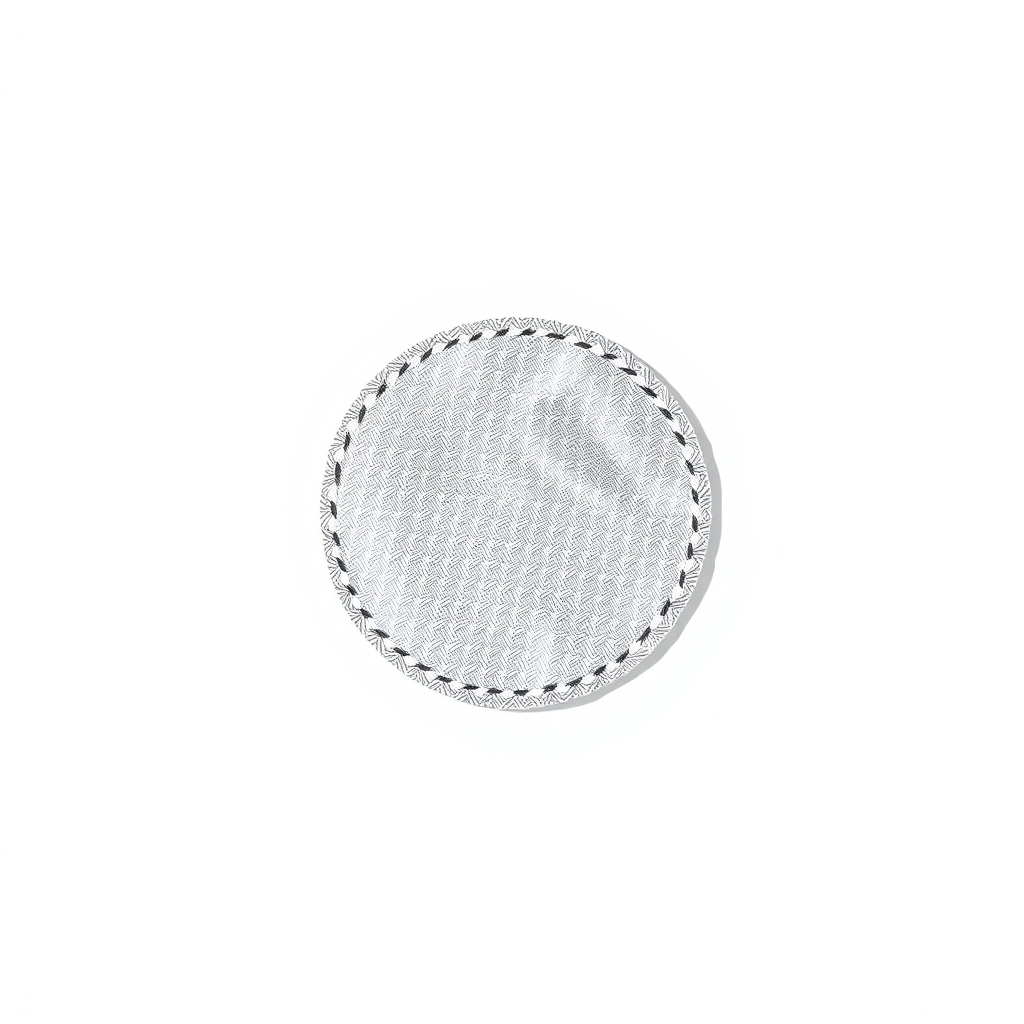
No-sew fabric repair patches
A patch covers the whole tear and grips the fabric around it, instead of pulling on a few stitches. There are no needle holes to leak fill, and the patch spreads the strain, so a corner or hole does not tear wider.
What to get: No-sew fabric repair patches, self-adhesive or iron-on
How long it lasts: Through many washes when the patch goes on clean, dry fabric and sets for the time on the pack.
As an Amazon Associate I earn from qualifying purchases.
What you'll need
-
Needle and thread
For a split seam, in a matching color
You have it -
Safety pins
To hold the gap closed while you work
You have it -
Scissors
To trim loose threads and shape the patch
You have it -
Iron and a thin cloth
Only if your patches are iron-on
You have it - Our pick Illustration
No-sew fabric repair patches
Pick iron-on or self-adhesive to suit your shell
- Illustration
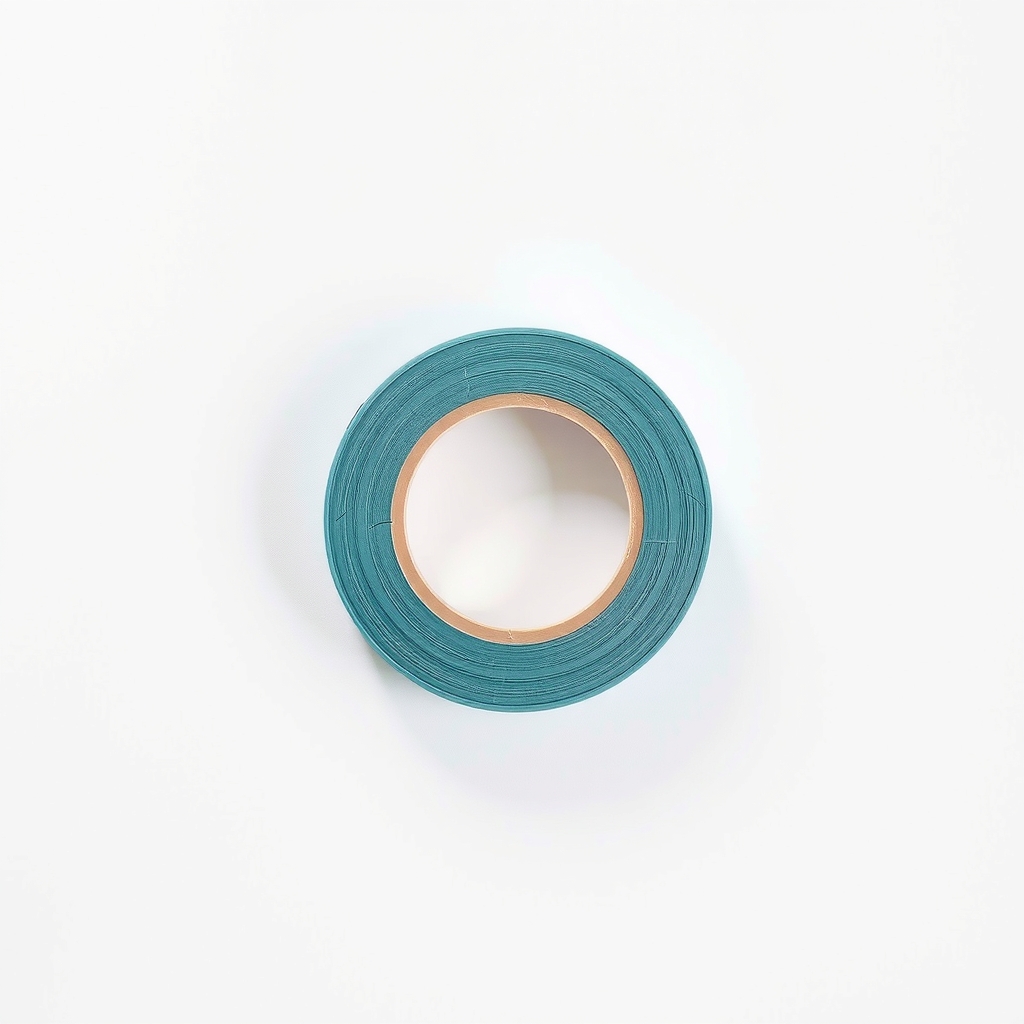
Fusible hem tape
For a seam that has opened along its length
Why it happens
A seam that gave way
Comforter seams carry the weight of the fill. After years of washing, the thread weakens and a corner or side seam opens.
Snags and sharp edges
A zipper, a bed frame corner, a pet claw or a belt buckle can catch the thin shell and tear it.
Overloading the washer or dryer
A big comforter jammed into a small drum, or twisted around an agitator, puts heavy strain on the fabric.
Worn, thin fabric
Lightweight shells thin out with age, and the fabric splits along the quilting lines.
Try this first (free)
Do these in order, starting with the simplest.
-
Work out what kind of rip it is
A split seam means the stitching opened and the fabric is fine. A tear or hole means the fabric itself has torn. Seams are easy to close. Tears need a patch.
-
Push the fill back and hold it shut
Tool used: Safety pinsPoke loose fill back inside with a pencil tip. Pin the opening closed with safety pins so it holds while you work. Do this over a bare bed or a sheet to catch strays.
-
Hand-stitch a split seam
Tool used: Needle and threadUse a ladder stitch with strong thread in a matching color. Keep the stitches small and tie off twice. Do not pull so tight that the fabric puckers.
-
Prepare a tear or hole
Tool used: ScissorsTrim loose threads, wipe off lint and make sure the area is completely dry. Patches grip only clean fabric.
-
Apply the no-sew patch
Tool used: No-sew fabric repair patchesCut the patch with rounded corners, at least half an inch bigger than the tear on every side. Peel and press, or iron on low with a thin cloth, as the pack says. Hold for the time it gives, then leave it to set before washing.
IllustrationCheck price on AmazonTool for this step
No-sew fabric repair patches · Pick iron-on or self-adhesive to suit your shell
When free fixes aren't enough
Stitching works on a seam that has split, but thread can pull through thin torn fabric and the hole grows each wash. A patch is the fix when the shell itself is torn, when you do not sew, or when you want the repair to survive the machine. Patches will not rescue a comforter with wide, scattered wear. If the shell is thin all over, or fill leaks from many spots, a new comforter makes more sense. Always read the care label first. Some patches say not to use them on silk, wool or heat-sensitive fabrics.
Buy the fix
Still stuck after the free fixes? These are the products we would look at.
| Pick | Product | Fixes | Who it's for | Buy |
|---|---|---|---|---|
| Best pick | No-sew fabric repair patches, self-adhesive or iron-on | a torn shell that stitching cannot hold | Anyone with a hole or tear who wants a quick repair that survives the wash. | Check price |
| Budget pick | Fusible hem tape | a seam that has split open and that you would rather not stitch | Anyone with a seam opening on a cotton or blend shell. | Check price |
No-sew fabric repair patches, self-adhesive or iron-on
Fixes: a torn shell that stitching cannot hold
Look for: Listed as machine washable; Matches your shell, iron-on for cotton blends or self-adhesive for slick nylon; A color close to your comforter, or clear; Large enough to cover the tear with a half-inch margin.
- Who it's for
- Anyone with a hole or tear who wants a quick repair that survives the wash.
- Honest downside
- Your comforter is silk, wool or dry clean only, or the fabric is heat-sensitive. Check the care label first.
Fusible hem tape
Fixes: a seam that has split open and that you would rather not stitch
Look for: Listed as machine washable; Wide enough to cover the seam gap; Works at the iron setting your comforter allows.
- Who it's for
- Anyone with a seam opening on a cotton or blend shell.
- Honest downside
- The shell is nylon or silk that cannot take iron heat. Use hand stitching or a self-adhesive patch.
As an Amazon Associate I earn from qualifying purchases. We don't show prices because they change, so use the button to see today's price.
How we picked: How we picked: this page is based on bedding care guides, fabric repair patch instructions from makers, and what owners report in reviews. We do not test products by hand.
Pick the repair for the damage
- Split seam: a ladder stitch or fusible hem tape.
- Small hole in the shell: a patch with a half-inch margin all round.
- Torn corner: a patch with rounded corners, pressed flat along both edges.
- Wide scattered wear: patches will not last, so plan to replace it.
Patch type: iron-on or self-adhesive?
Iron-on patches suit cotton and blends that can take low heat. Self-adhesive patches suit slick nylon or polyester shells that would melt under an iron. If you are not sure what your shell is made of, check the care label and test a hidden corner. When in doubt, use the self-adhesive type.
What to skip
Super glue and duct tape
Super glue turns fabric stiff and brittle, and it cracks in the wash. Duct tape leaves gum on the shell and peels off in hot water. Use a fabric repair product made to survive washing.
Frequently asked questions
How to repair a comforter?
How do I fix a comforter with a hole in it?
Will a no-sew patch survive the washing machine?
Can I fix a down comforter with leaking feathers?
Related problems
 Free fix inside
Bedroom & Sleep · Duvet Cover
Duvet Cover Zipper Stuck or Split? How to Fix It Fast
Read the fix Free fix inside
Bedroom & Sleep · Comforter Care
Comforter Dry Clean Only? A Cover Means You Rarely Need To
Read the fix Free fix inside
Bedroom & Sleep · Comforter Care
Down Comforter Shedding Feathers? Stop the Leaks Fast
Read the fix Free fix inside
Bedroom & Sleep · Comforter
Comforter Pilling? Shave It Smooth and Stop It Coming Back
Read the fixAs an Amazon Associate I earn from qualifying purchases. Affiliate disclosure