Apartment Smoke Alarm Beeping? Start With the Battery
A smoke alarm that chirps every minute or so usually wants a new battery. Swap it, reset the alarm and check the date on the back before you go back to bed.
By Jamilur Rahman Updated November 5, 2026 · 7 min read
- Time
- 10 min
- Cost
- Under $20
- Difficulty
- Easy
In this guide
Quick answer
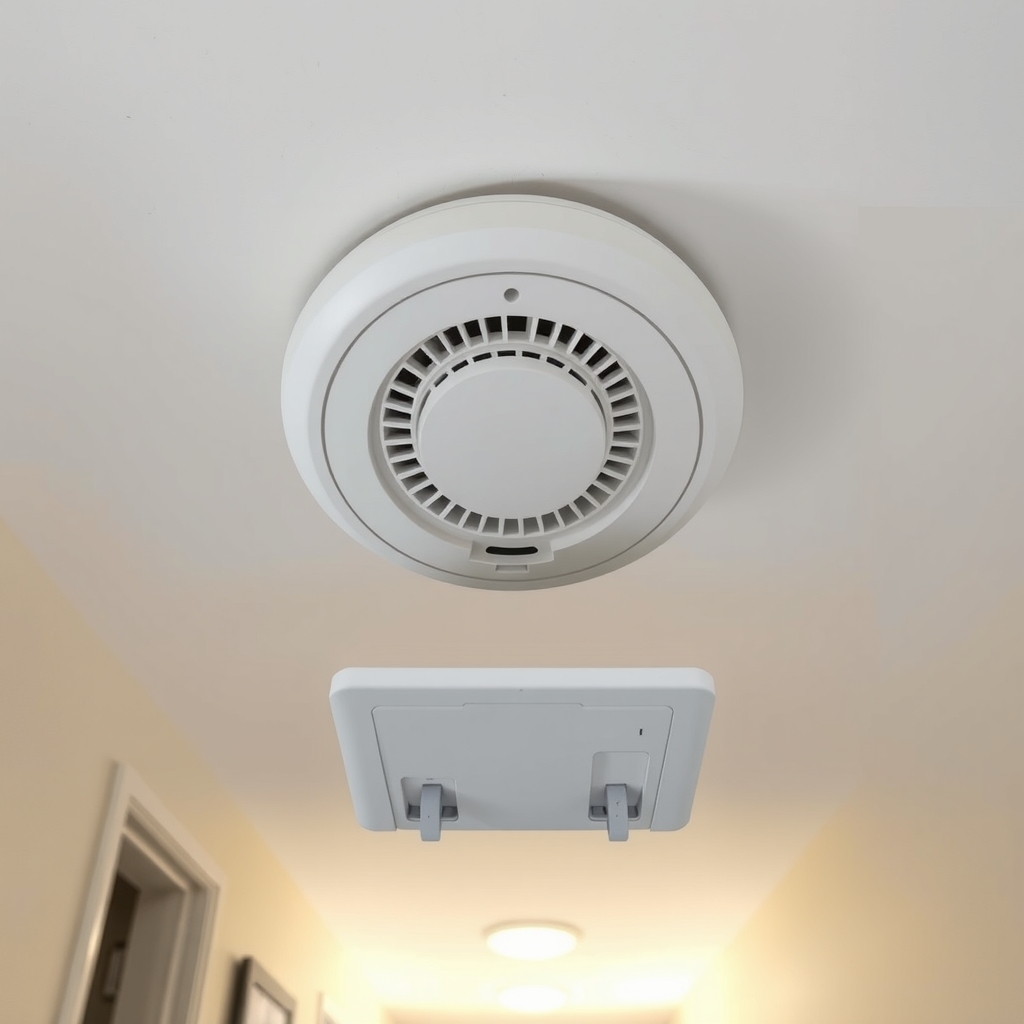
A short chirp every 30 to 60 seconds usually means a low battery, and it often starts at night when the air cools. Twist the alarm off its base, swap in a fresh 9V battery, hold the test button for about 15 seconds to clear leftover charge, then press it to test. If it still chirps, check the date on the back: alarms are replaced about every 10 years. A 9V lithium battery makes this chore come around far less often. Never leave the battery out.
Free fix vs. permanent fix
Reset the alarm and clear the dust
- Twist the alarm off its base and read the date on the back
- Vacuum the vents with a brush attachment
- Take the battery out and hold the test button for 15 seconds
- Fit a fresh battery and press test
How long it lasts: Only works if the chirp is a glitch or dust, or if you already own a fresh 9V battery. A truly weak battery chirps again in days.
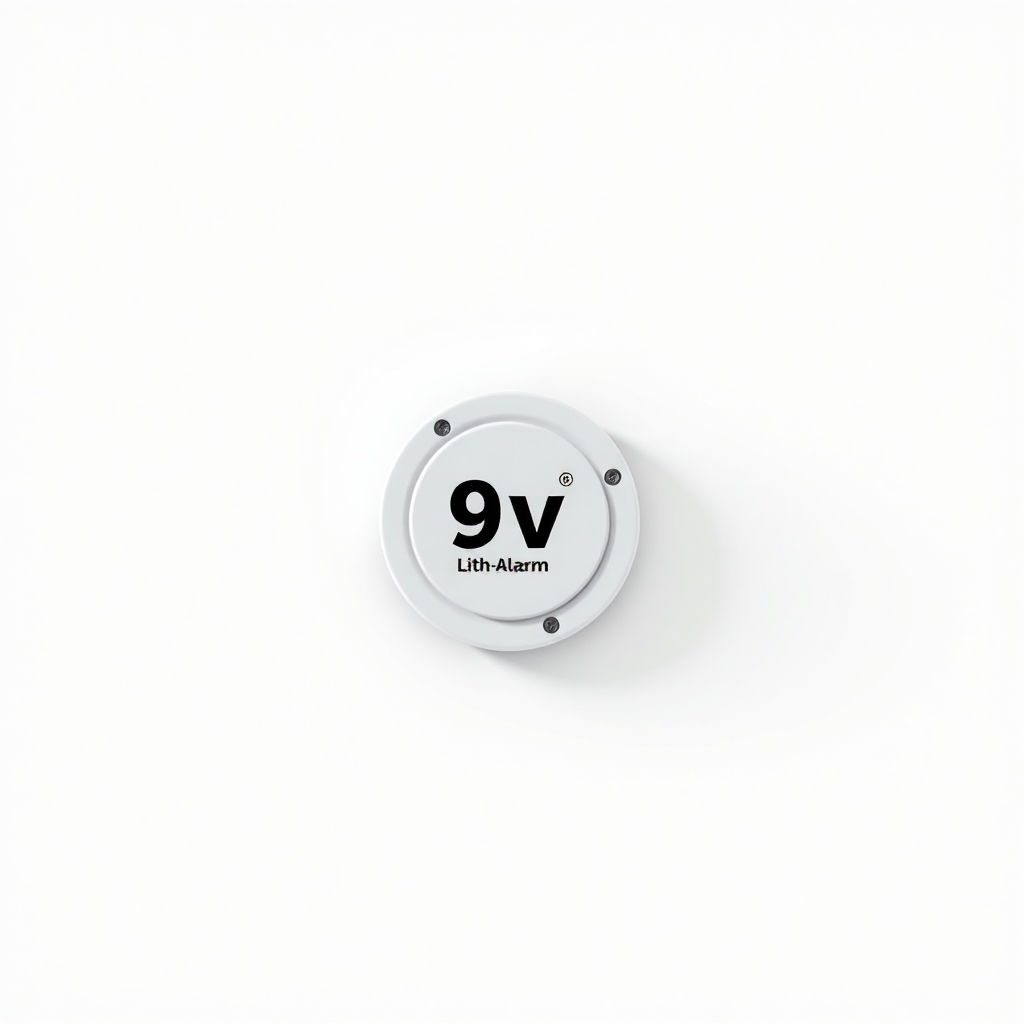
A 9V lithium battery
The chirp is the alarm warning that battery voltage is falling. A cheap alkaline battery fades within a year, and it tends to do it at 3 a.m. A lithium battery holds a steady voltage far longer, so the alarm stays quiet for years and you are not climbing on a chair every winter.
What to get: 9V lithium smoke alarm battery
How long it lasts: Several years in a smoke alarm. Makers often advertise up to 10, so check your alarm's manual first. An alkaline battery needs swapping about once a year.
As an Amazon Associate I earn from qualifying purchases.
What you'll need
-
Step stool or sturdy chair
So you can reach the alarm without stretching
You have it -
Vacuum with brush attachment
Clears dust and tiny bugs from the vents
You have it -
Marker or pen
Write the date on the new battery
You have it - Our pick Illustration
9V lithium battery
Use the type your alarm's manual allows
- Illustration
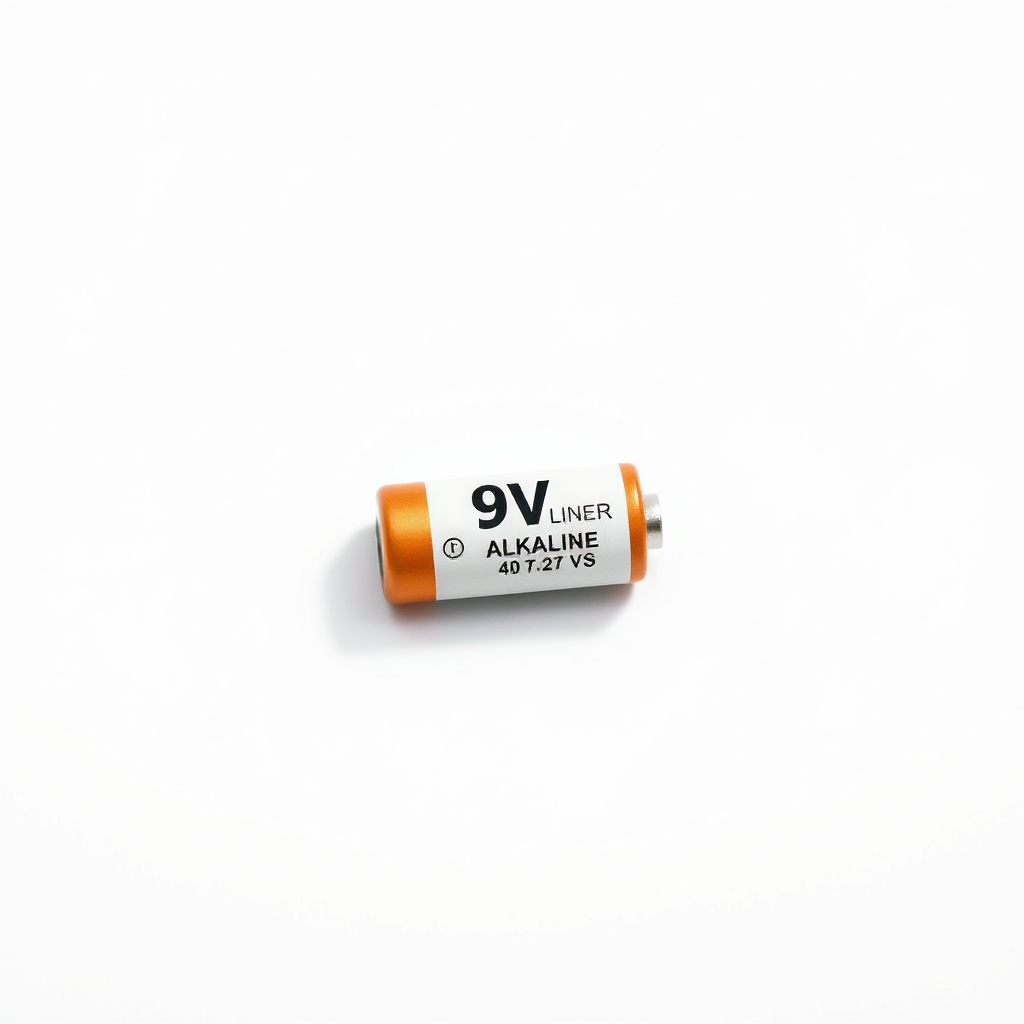
9V alkaline battery
The cheaper option, swapped once a year
- Illustration
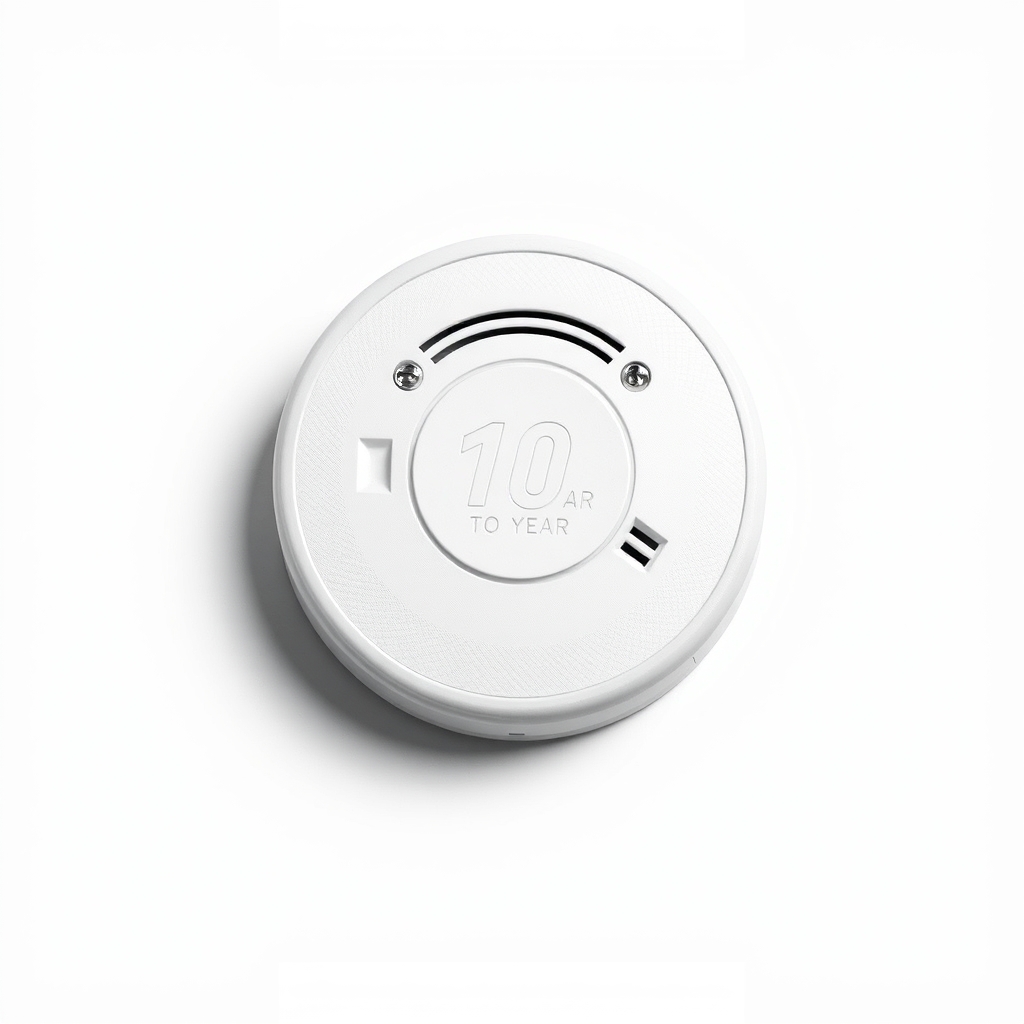
10-year sealed smoke alarm
For an alarm that is past its date
Why it happens
A low battery
Most chirps are the battery warning. As the voltage sags, the alarm chirps once every 30 to 60 seconds. Cooler night air drops it a little further, so the chirp often starts in the small hours.
An alarm that has expired
Smoke alarms wear out. After about 10 years the sensor can no longer be trusted, and many alarms chirp to say so. The manufacture date is printed on the back.
Dust, a bug or leftover charge
Dust or an insect in the sensor chamber can cause a chirp or a false alarm. A new battery in an old alarm can also keep chirping until the old charge drains.
A battery that is not seated
A battery that is not clipped in fully, or a battery door that is not shut, gives a chirp that sounds just like a low battery.
Try this first (free)
Do these in order, starting with the simplest.
-
Find which alarm is chirping
In a hallway with several alarms, the chirp is hard to place. Listen from beneath each one, or look for a flashing light. Some alarms are wired together, so one can set off the rest.
-
Twist it off the base and read the back
Tool used: Step stool or sturdy chairTurn it counterclockwise and look for the manufacture date and the battery type. If it is over 10 years old, replace the whole alarm. If it is hardwired, switch off its breaker first.
-
Drain the leftover charge
Take the old battery out and hold the test button for 15 seconds. Most manuals suggest this, and it clears charge that can keep the chirp going.
-
Clear the dust
Tool used: Vacuum with brush attachmentRun a brush attachment over the vents to lift dust and tiny bugs out of the sensor.
-
Fit a fresh battery and test
Tool used: 9V lithium batterySnap the new 9V battery in, shut the battery door, mount the alarm and press the test button. A loud alarm means it works. Write the date on the battery so you know when it went in.
IllustrationCheck price on AmazonTool for this step
9V lithium battery · Use the type your alarm's manual allows
When free fixes aren't enough
If the chirp comes back within days of cleaning the alarm and fitting a new battery, the alarm is probably past its life or faulty, and it is cheap to replace. A fresh alkaline battery works fine, but you will be back on the chair in about a year. A lithium battery costs more up front and spares you most of the yearly chirp. Check the alarm's manual first, since some alarms name the battery type. In a rental, many places require the landlord to supply working alarms. Tell them if one is expired or hardwired.
Buy the fix
Still stuck after the free fixes? These are the products we would look at.
| Pick | Product | Fixes | Who it's for | Buy |
|---|---|---|---|---|
| Best pick | 9V lithium smoke alarm battery | the yearly low-battery chirp | Anyone tired of climbing on a chair at 3 a.m., and renters with several battery alarms. | Check price |
| Budget pick | 9V alkaline battery | the chirp tonight, at the lowest cost | Anyone who wants the cheapest fix today and does not mind a yearly swap. | Check price |
| Upgrade pick | 10-year sealed battery smoke alarm | an expired alarm, with no battery to change | Anyone whose alarm is past 10 years, or tenants whose landlord lets them replace it. | Check price |
9V lithium smoke alarm battery
Fixes: the yearly low-battery chirp
Look for: Listed for smoke alarms, or approved by the alarm maker; A long-life rating of several years, not a one-year alkaline; Sold as a pair or multipack if you have several alarms.
- Who it's for
- Anyone tired of climbing on a chair at 3 a.m., and renters with several battery alarms.
- Honest downside
- Your alarm's manual says alkaline only, or the alarm is over 10 years old. Replace the alarm instead.
9V alkaline battery
Fixes: the chirp tonight, at the lowest cost
Look for: A fresh date on the pack; A multipack so you have spares; The type your alarm's manual lists.
- Who it's for
- Anyone who wants the cheapest fix today and does not mind a yearly swap.
- Honest downside
- You hate the chirp coming back. Pay a little more once for lithium.
10-year sealed battery smoke alarm
Fixes: an expired alarm, with no battery to change
Look for: A sealed 10-year battery that cannot be removed; A hush button for cooking false alarms; A photoelectric sensor, which gives fewer cooking false alarms.
- Who it's for
- Anyone whose alarm is past 10 years, or tenants whose landlord lets them replace it.
- Honest downside
- Your alarm is hardwired into the building. Ask the landlord or an electrician before swapping it.
As an Amazon Associate I earn from qualifying purchases. We don't show prices because they change, so use the button to see today's price.
How we picked: How we picked: this page is based on smoke-alarm care guidance from fire-safety groups, alarm manuals, and what owners report about battery life in reviews. We do not test products by hand.
Chirp, beep or siren? What each one means
- One short chirp every 30 to 60 seconds: usually a low battery.
- A chirp every minute even with a new battery: often end of life, so check the date on the back.
- Loud repeating beeps or a siren: treat it as real. If you see smoke or smell burning, get out and call 911.
- A carbon monoxide alarm: uses its own pattern, so read its manual. If one sounds, get everyone outside and call 911.
What to skip
Taking the battery out and leaving it out
A silent alarm protects no one. A missing battery is a common reason alarms are dead when people need them. Do not leave the battery out to stop a chirp, and do not bury a chirping alarm in a drawer. Mixing an old battery with a new one gives the same chirp back.
Frequently asked questions
Why does my smoke alarm chirp at night?
Why is my smoke alarm still chirping after a new battery?
How do I stop my alarm going off when I cook?
Is the beeping my problem or the building's?
Related problems
As an Amazon Associate I earn from qualifying purchases. Affiliate disclosure