How to Keep Extension Cords From Tangling: Wraps and Reels That Work
Tangles start with twists you wind in. Coil over-under, strap each cord and hang it, and a reel handles the long ones.
By Jamilur Rahman Updated November 5, 2026 · 6 min read
- Time
- 5 min per cord
- Cost
- Under $20
- Difficulty
- Easy
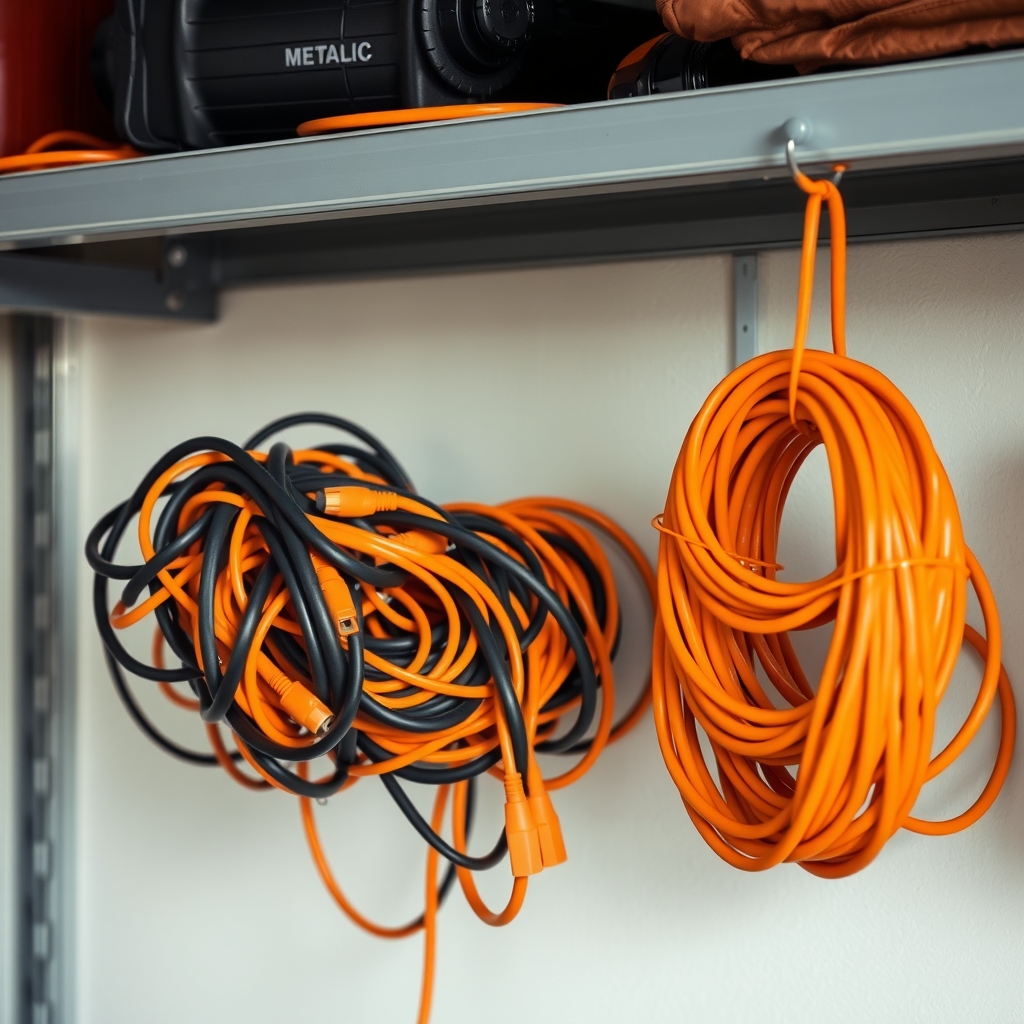
In this guide
Quick answer
How to keep extension cords from tangling: coil them with the over-under method, which cancels the twists that cause knots, then secure each coil with a hook-and-loop strap and hang it on a hook. Free ties work for most people, but reusable straps stay on the cord and are quicker to use every time. For long cords you use often, a cord reel is the tidier choice.
Free fix vs. permanent fix
Over-under coil, tie it and hang it
- Hold the plug end and coil in alternating over-under loops
- Tie with a strip of hook-and-loop or a twist tie
- Hang the coil on a hook, never pile it
- Unwind it fully before running a heavy load
How long it lasts: Works as long as you coil every cord the same way. Free ties tend to get lost.
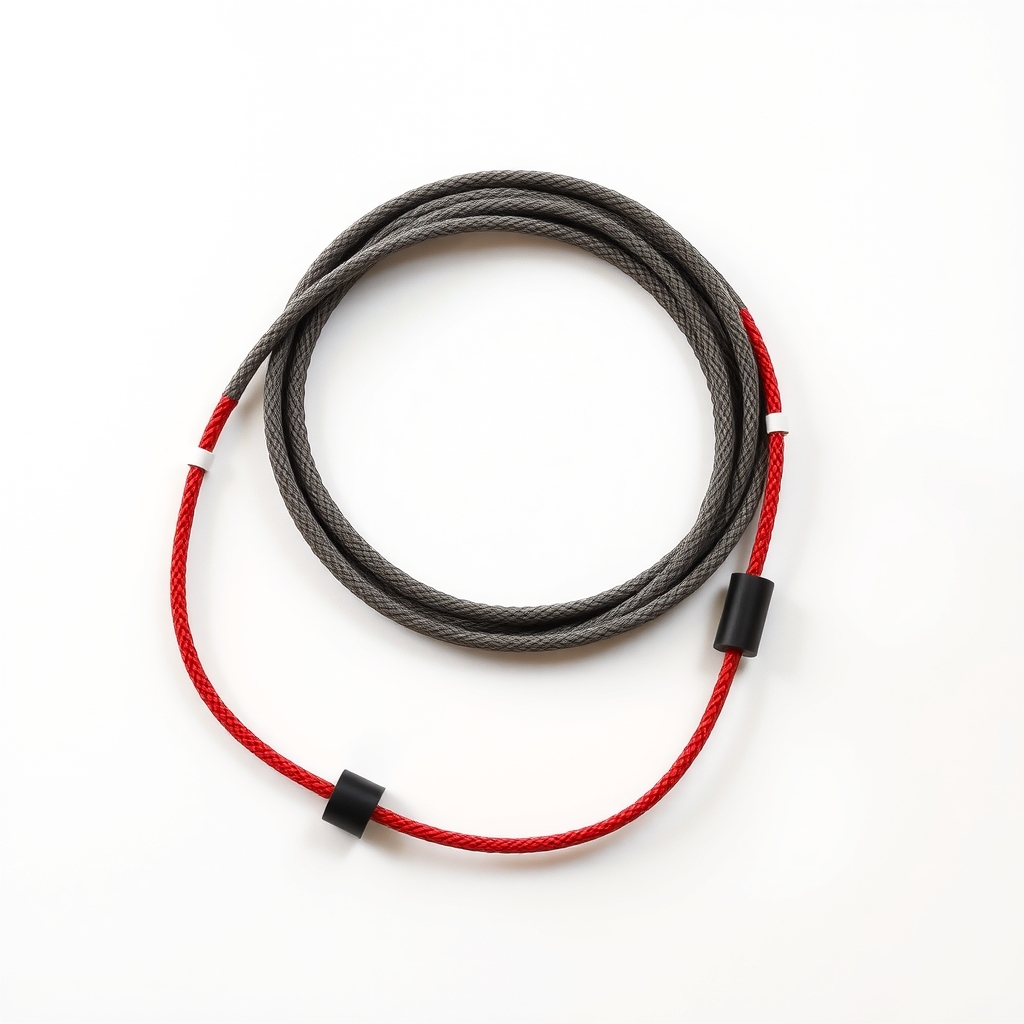
Reusable extension cord wrap straps
Twist ties and string get lost and can crimp a cord. A hook-and-loop wrap strap stays attached to the cord and snaps tight in seconds, so each cord stays coiled without knots. Different colors help you grab the right cord without unwinding to check.
What to get: Extension cord wrap straps
How long it lasts: Years. The strap stays on the cord, so the coil stays neat.
As an Amazon Associate I earn from qualifying purchases.
What you'll need
-
Hook-and-loop strips or twist ties
Good enough to start with
You have it -
Wall hook or peg
Hang coils so they do not pile up
You have it - Our pick Illustration
Extension cord wrap straps
Reusable straps that stay on the cord
- Illustration
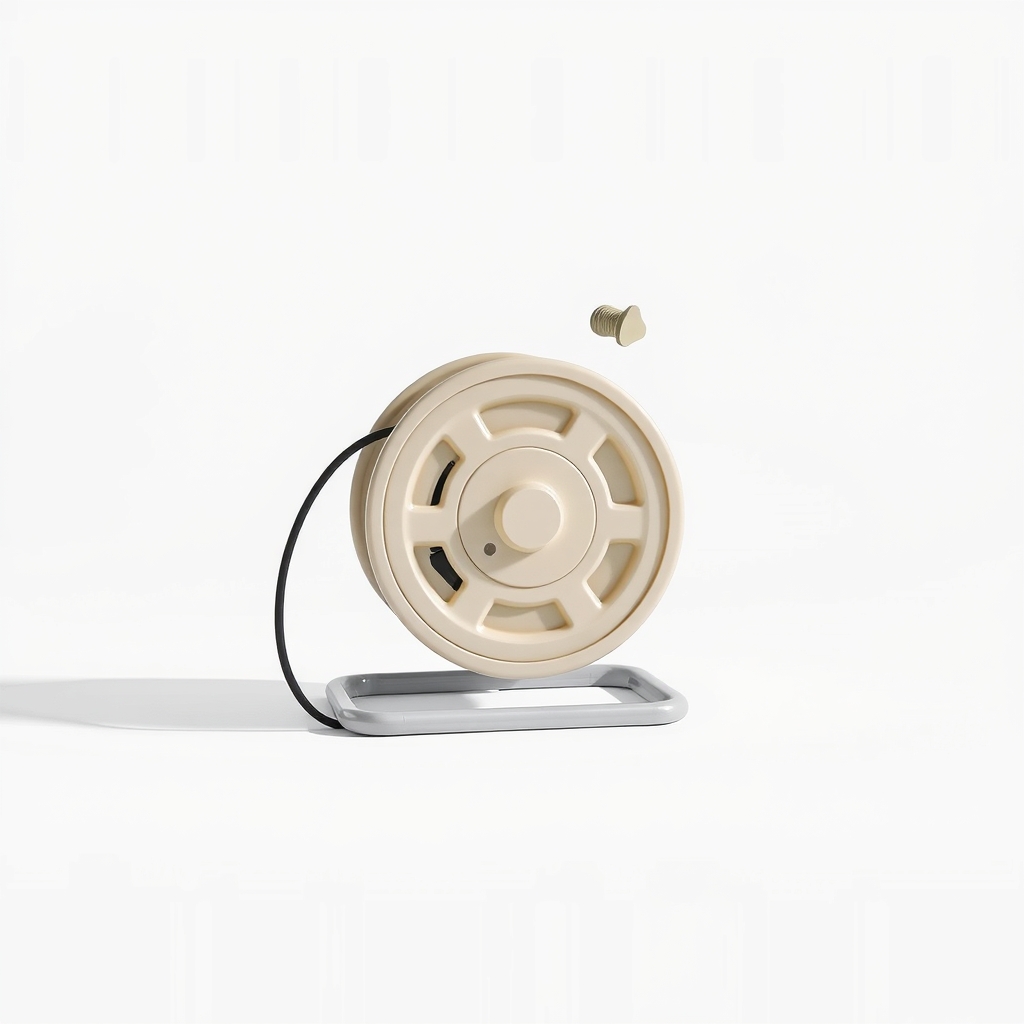
Cord storage reel
For long cords you use often
- Illustration
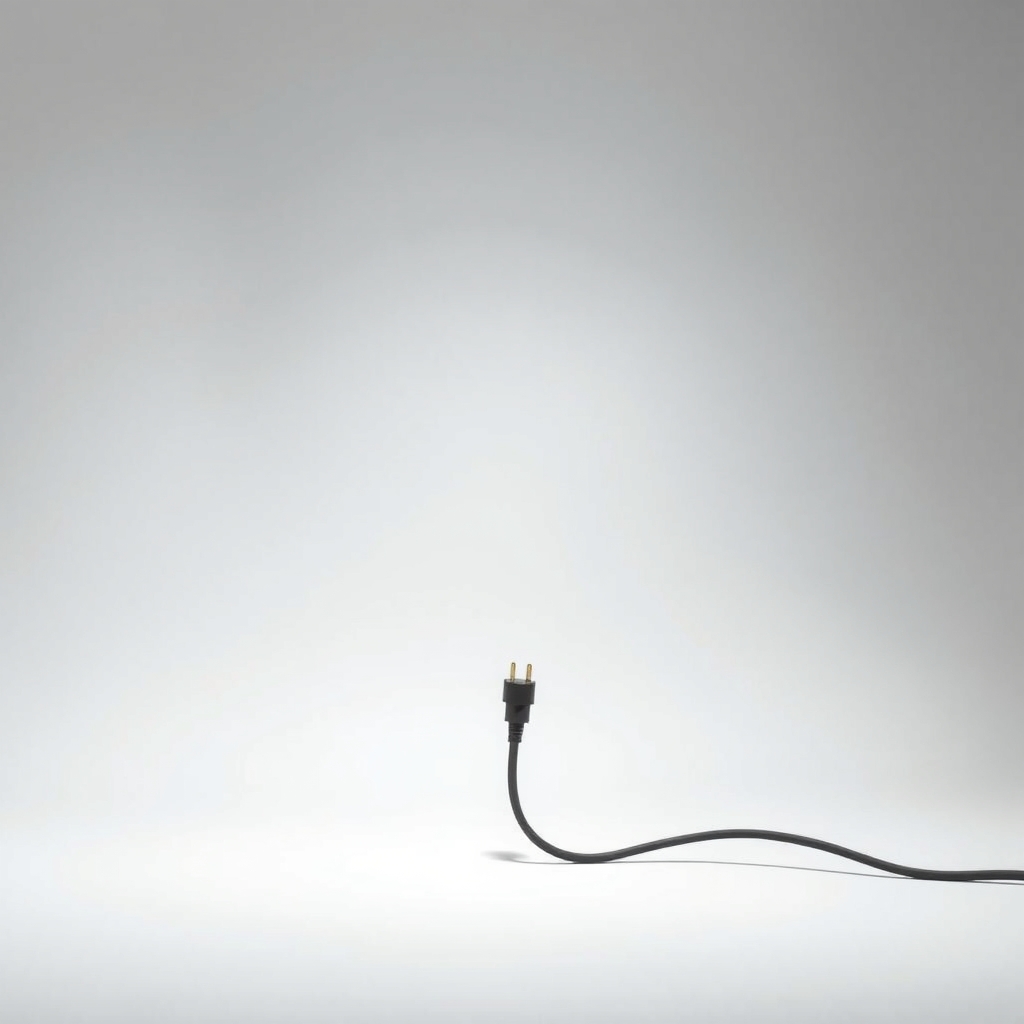
Shorter extension cord
Match the length to the job
Why it happens
Coiling in one direction
Every loop wound the same way adds a twist, and twists add up. When you pull, the cord kinks into knots.
Loose, unsecured coils
A coil with no tie slides open in a drawer or on a shelf and snags other cords.
A cord longer than the job
A 50-foot cord used for a 6-foot reach leaves 44 feet to tangle. Extra length is the biggest source of mess.
Cords stored in a heap
In a bin, plugs hook other cords and every pull tightens a knot.
Try this first (free)
Do these in order, starting with the simplest.
-
Let the cord untwist
Hang it by the plug end and let it spin free. Then run it through your hands from the outlet end to straighten any kinks.
-
Coil with the over-under method
Make each loop alternate: one over, the next under, turning your wrist so the twists cancel. Keep the loops about 12 to 18 inches wide.
-
Secure the coil
Tool used: Hook-and-loop strips or twist tiesClose it with a hook-and-loop strip or a twist tie around the middle. Do not wrap it tight.
-
Hang it, do not pile it
Tool used: Wall hook or pegHang each coil on a wall hook or peg through the loop. A hanging cord stays tidy and easy to find.
-
Strap and color-code the keepers
Tool used: Extension cord wrap strapsPut a reusable strap on each cord, in a different color for each length. You will see which cord you need without unwinding anything.
IllustrationCheck price on AmazonTool for this step
Extension cord wrap straps · Reusable straps that stay on the cord
-
Use the shortest cord that does the job
Tool used: Shorter extension cordKeep a short cord for desks and workbenches and a long one for yard work. Extra length is just extra tangle.
IllustrationCheck price on AmazonTool for this step
Shorter extension cord · Match the length to the job
When free fixes aren't enough
If you have many cords, or long ones that keep unwinding, ties alone are not enough. A cord storage reel or a wall-mounted holder keeps 25 to 50 foot cords neat and gives them one place to live. If a cord is hot to the touch, or has cracks, bare wire or a loose plug, replace it instead of organizing it. For a space heater or other high-wattage appliance, plug into the wall, not an extension cord.
Buy the fix
Still stuck after the free fixes? These are the products we would look at.
| Pick | Product | Fixes | Who it's for | Buy |
|---|---|---|---|---|
| Best pick | Extension cord wrap straps | coils that come loose and tangle in storage | Anyone with a drawer, bin or shelf full of cords. | Check price |
| Upgrade pick | Extension cord storage reel | long cords that tangle when stored | People with 25-foot and longer cords for the yard, garage or workshop. | Check price |
Extension cord wrap straps
Fixes: coils that come loose and tangle in storage
Look for: A hook-and-loop closure that re-grips many times; A hole or loop so you can hang the coil; Wide enough to hold a thick cord coil; A few colors or sizes.
- Who it's for
- Anyone with a drawer, bin or shelf full of cords.
- Honest downside
- You have only one or two cords and spare hook-and-loop strips already.
Extension cord storage reel
Fixes: long cords that tangle when stored
Look for: Sized for the length and thickness of your cord; A hand-wind or wall-mount design for an empty reel you wrap yourself; A handle or hook for hanging.
- Who it's for
- People with 25-foot and longer cords for the yard, garage or workshop.
- Honest downside
- Your cord is short, or a hook on the wall already holds it neatly.
As an Amazon Associate I earn from qualifying purchases. We don't show prices because they change, so use the button to see today's price.
How we picked: How we picked: this page is based on electrical safety guidance from safety groups, cord storage advice from tool makers, and what owners report in reviews of cord straps and reels. We do not test products by hand.
Strap, hook or reel? Pick by cord length
- Under 10 feet: a strap is all you need.
- 10 to 25 feet: a strap and a wall hook.
- 25 feet and longer: a storage reel or wall holder.
Check each cord before you coil it
Look for cracked or frayed insulation and bent plug prongs. A cord that feels warm in normal use is a sign to replace it. Match the cord to the load too: thicker cords with a higher amp rating suit power tools and heaters, and thin ones suit lamps and chargers.
What to skip
Rubber bands, tight wraps and staples
Do not wrap a cord tightly around your hand and elbow, bind it with a rubber band that bites into the insulation, or tie it in a knot to shorten it. These crimp the wires inside, and damage can cause heat. Do not staple or nail cords to walls either.
Frequently asked questions
How do I stop electrical cords from twisting?
Why does my extension cord keep twisting?
My extension cord is too long. What can I do?
Is it safe to leave an extension cord coiled while it is plugged in?
Related problems
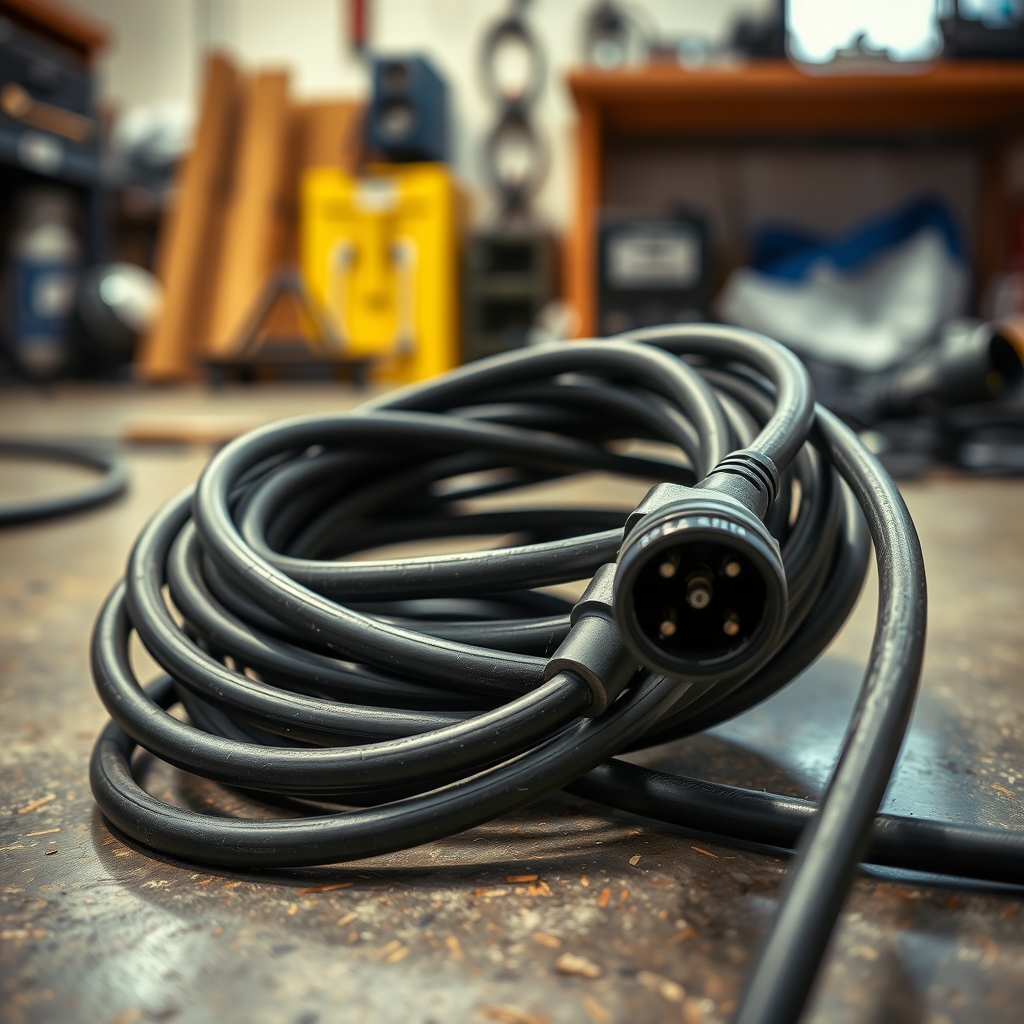 Free fix inside
Home Office & Cables · Extension Cord Buying
Extension Cord Getting Hot? When It's Normal and When to Replace It
Read the fix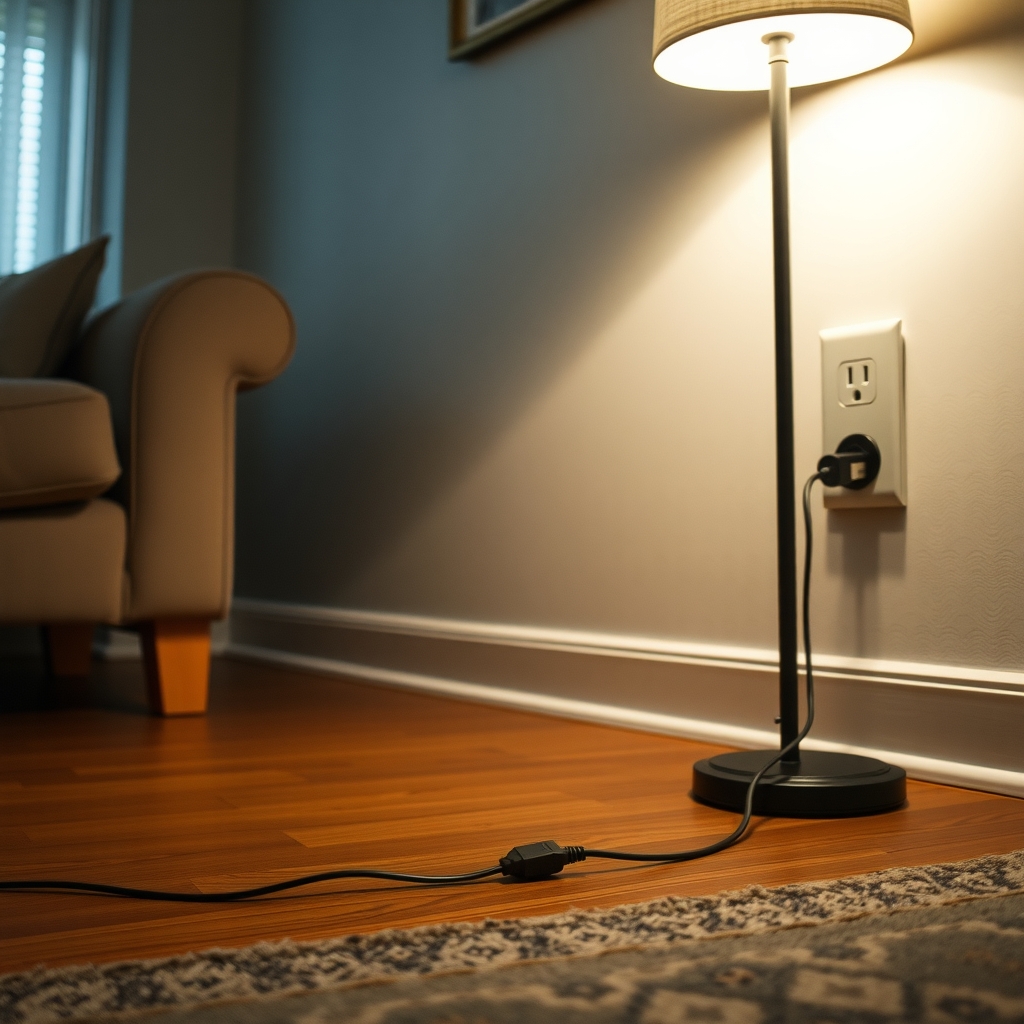 Free fix inside
Home Office & Cables · Extension Cord Buying
Extension Cord Not Long Enough? Safe Ways to Reach Farther
Read the fix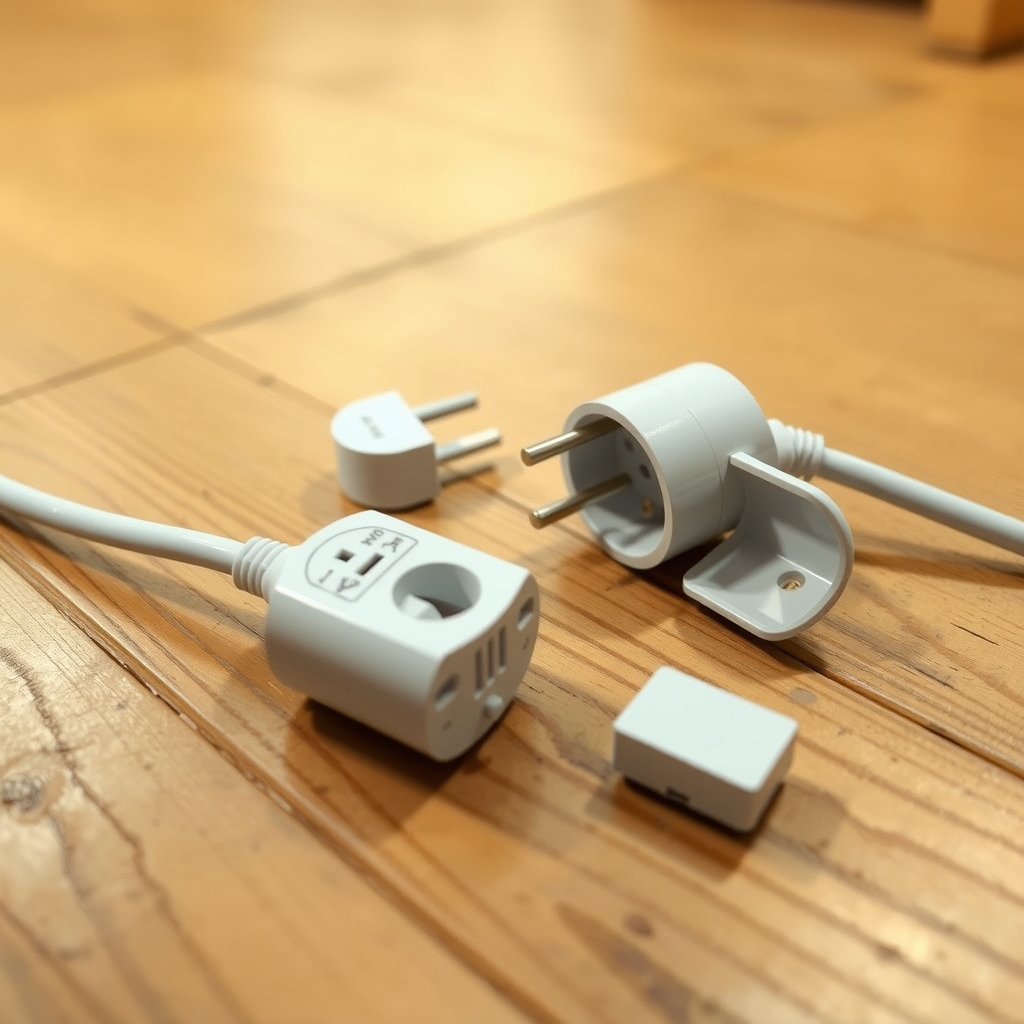 Free fix inside
Home Office & Cables · Extension Cord Organizing
Extension Cord Keeps Unplugging? Locks That Hold the Plugs Together
Read the fix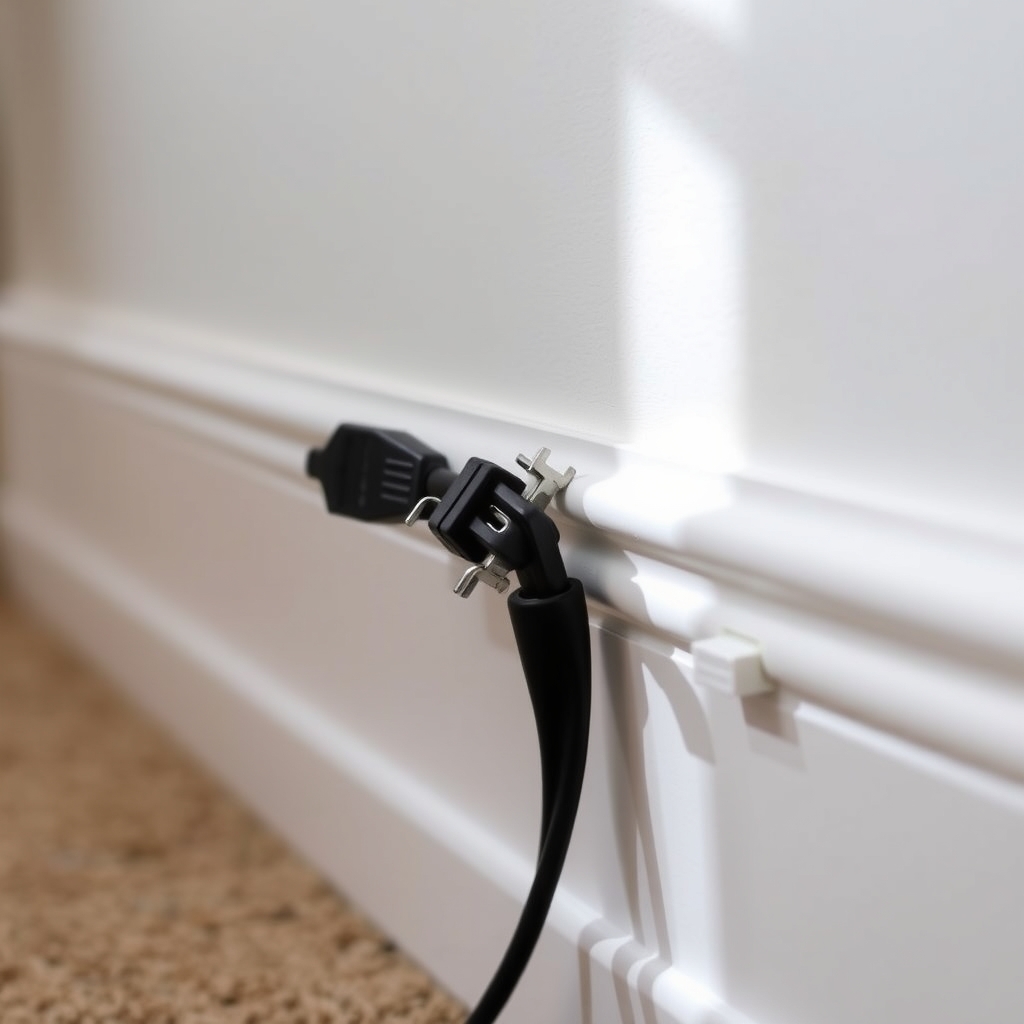 Free fix inside
Home Office & Cables · Extension Cord Organizing
How to Keep an Extension Cord Against the Wall: Covers and Clips
Read the fixAs an Amazon Associate I earn from qualifying purchases. Affiliate disclosure