How to Keep an Extension Cord Against the Wall: Covers and Clips
A cord across the floor trips people and gets stepped on. Tape or clip it to the wall for now, or use an adhesive cord cover for a clean, lasting finish.
By Jamilur Rahman Updated November 5, 2026 · 7 min read
- Time
- 20 min
- Cost
- Under $20
- Difficulty
- Easy
In this guide
Quick answer
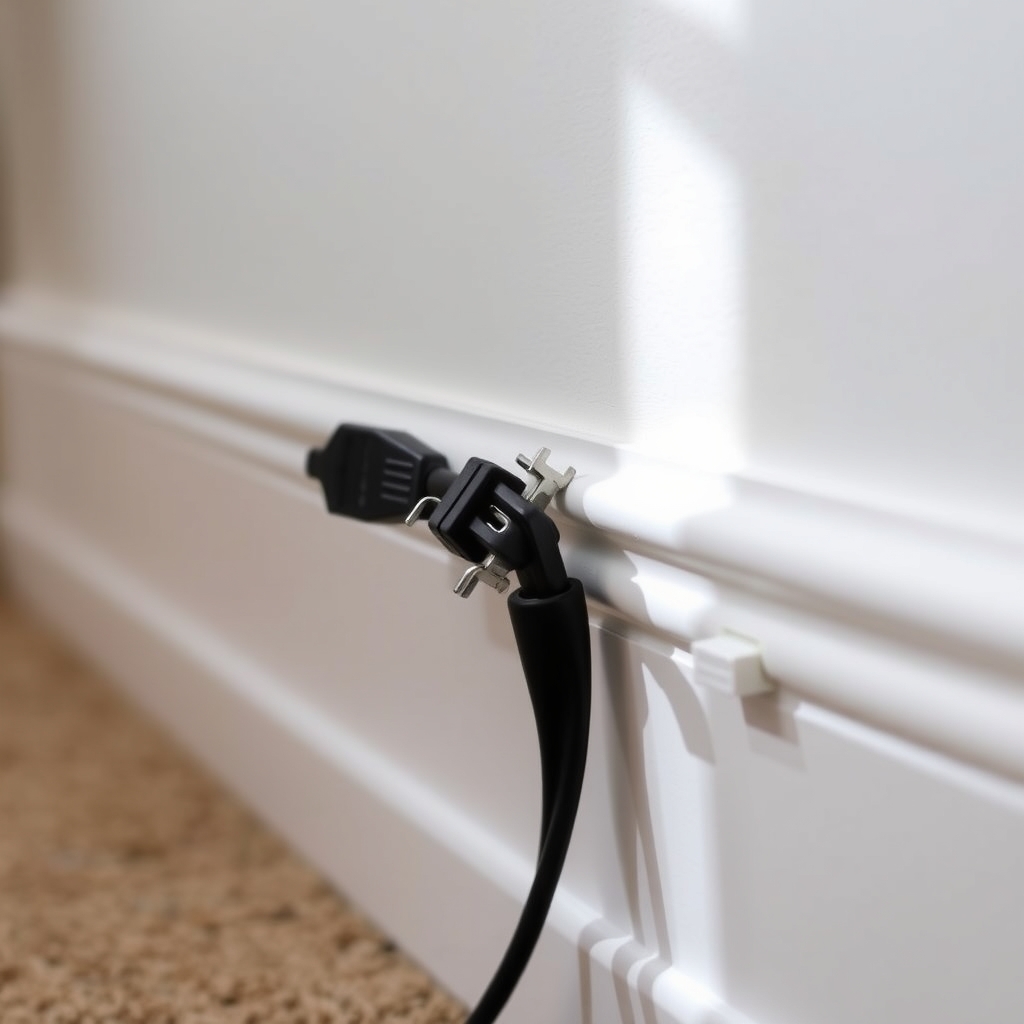
To keep an extension cord against the wall, clean the wall, plan the shortest path along the baseboard or corner, and secure the cord with painter's tape or small adhesive clips every foot or so. That works for a few weeks. For a neat, lasting finish, an adhesive cord cover (a raceway) hides the cord and stays put, which is the better fix if the cord is staying.
Free fix vs. permanent fix
Tape or clip it along the baseboard
- Unplug the cord and clean the wall with rubbing alcohol
- Run the cord along the baseboard or a corner
- Press painter's tape or a clip on every foot or so
- Leave the plug end easy to reach
How long it lasts: Weeks to a few months. Tape loosens and clips can peel on dusty or textured walls.
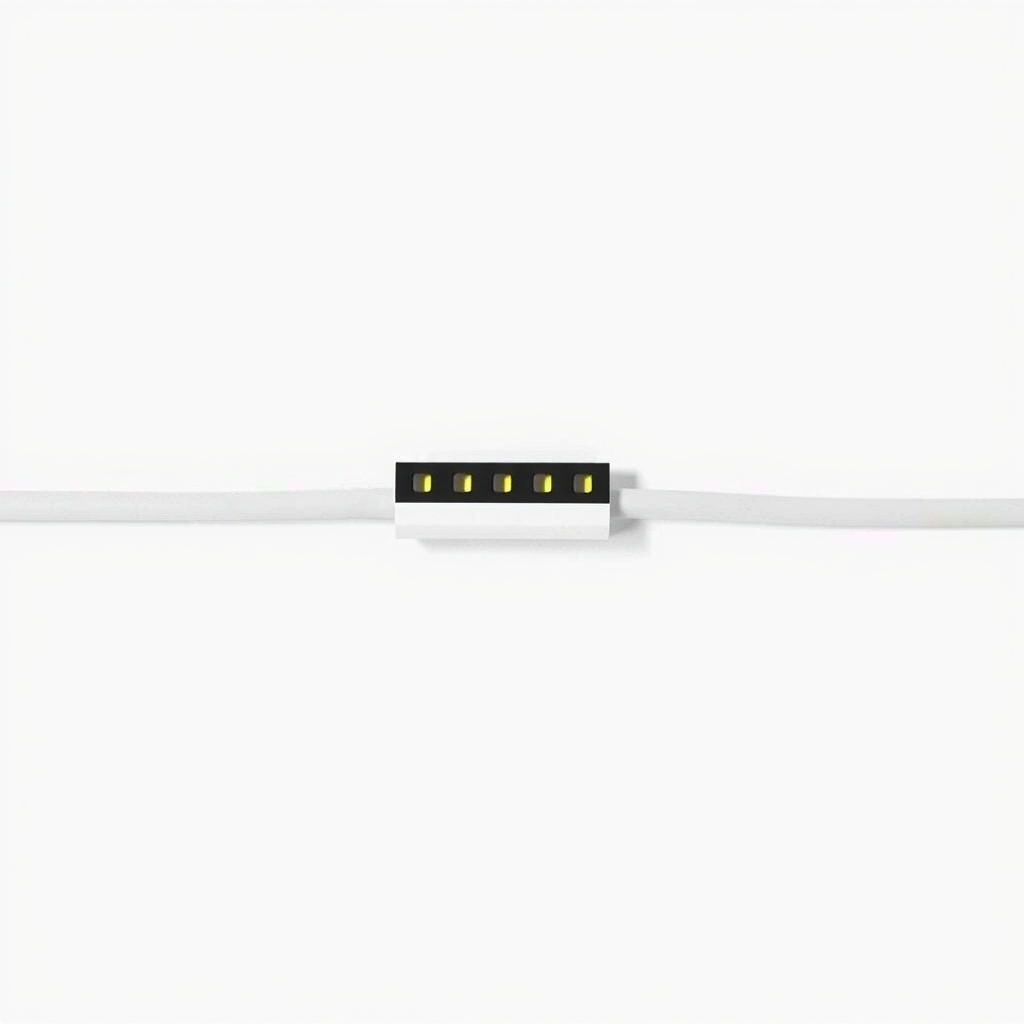
An adhesive cord cover (raceway)
Tape and clips hold a cord in place but leave it exposed. A raceway wraps the cord in a flat channel stuck to the wall, so it is out of sight, off the floor and hard to snag.
What to get: Adhesive cord cover raceway
How long it lasts: Years. The cover protects the cord from feet and furniture, and you can paint it to match.
As an Amazon Associate I earn from qualifying purchases.
What you'll need
-
Rubbing alcohol and a cloth
Clean the wall so adhesive sticks
You have it -
Painter's tape
A quick, no-mark way to hold the cord for now
You have it -
Tape measure and pencil
Measure the path before you cut anything
You have it - Illustration
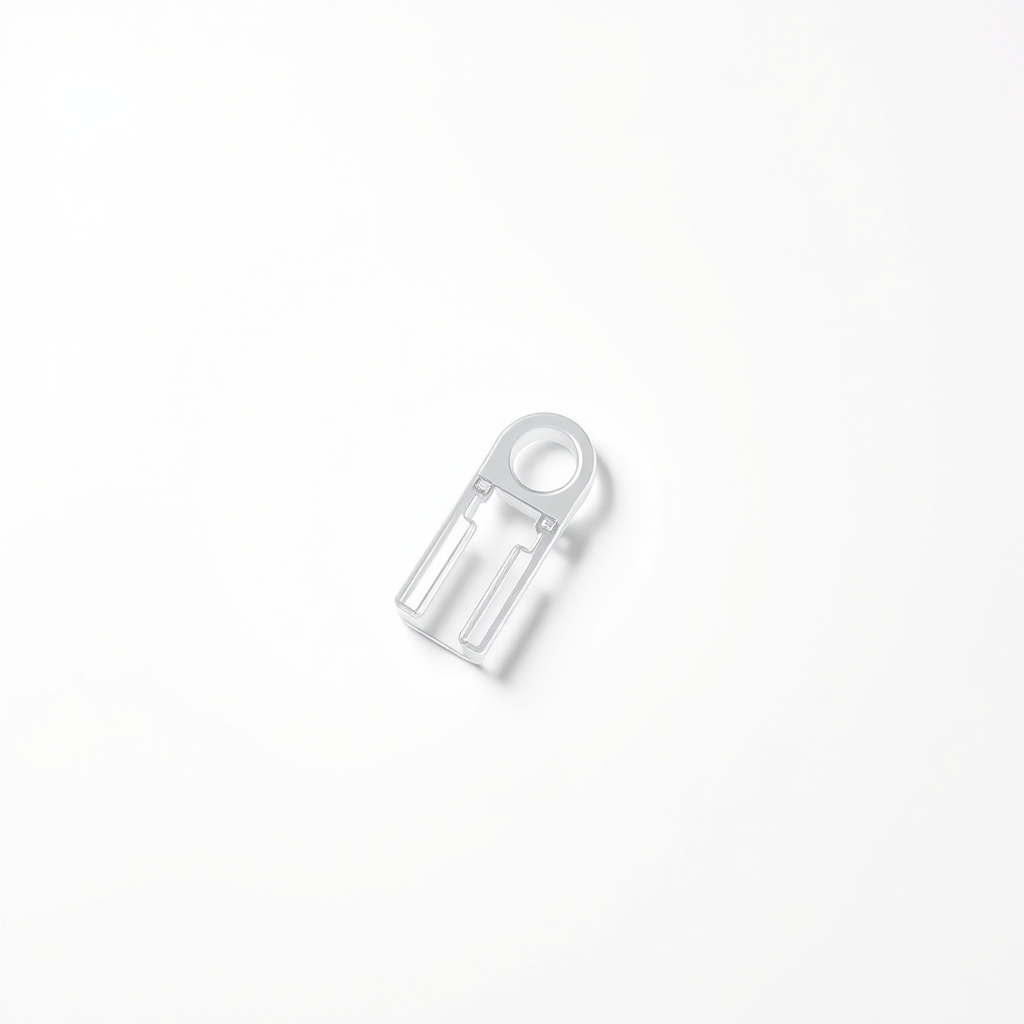
Adhesive cord clips
A cheap, simple option for a short run
- Our pick Illustration
Adhesive cord cover raceway
Wide enough for an extension cord, not just a thin lamp cord
Why it happens
The outlet is far from where you need power
Most people reach for an extension cord because the outlet is across the room. The cord then drifts across the floor and into walking paths.
Cords are heavier and stiffer than lamp cords
An extension cord is thicker than a phone charger or lamp cord, and it springs back. A thin strip of tape often cannot hold it flat.
Weak adhesive on dust, paint or texture
Adhesive clips and covers need a clean, smooth, dry surface. Dust, fresh paint, wallpaper and rough texture all make them peel.
Cord tension from a short or tight route
A cord pulled tight around a corner tugs at its clips. Leave a little slack so the pull does not peel the adhesive.
Try this first (free)
Do these in order, starting with the simplest.
-
Plan the shortest path along the wall
Tool used: Tape measure and pencilUnplug the cord. Lay it along the baseboard or the corner where two walls meet. Measure the route so you know how many clips or feet of cover you need.
-
Clean the wall and let it dry
Tool used: Rubbing alcohol and a clothWipe the strip where the cord will sit with rubbing alcohol and a cloth. Dust and oils are the main reason adhesive fails. Wait a minute or two until it is dry.
-
Hold the cord with painter's tape
Tool used: Painter's tapePress the cord flat and stick painter's tape across it every 12 inches or so. This is a temporary hold, and it peels off without marking most painted walls.
-
Switch to clips for a longer hold
Tool used: Adhesive cord clipsPeel and stick an adhesive clip every 12 to 18 inches, press it for 30 seconds and snap the cord in. Leave a little slack at corners so the pull does not peel the clip.
IllustrationCheck price on AmazonTool for this step
Adhesive cord clips · A cheap, simple option for a short run
-
Cover the run for a clean finish
Tool used: Adhesive cord cover racewayCut a raceway to length with scissors or a small saw, peel the backing and press it along the cleaned wall. Lay the cord in the channel and snap the lid shut. Keep the plug end outside the cover so you can unplug it.
IllustrationCheck price on AmazonTool for this step
Adhesive cord cover raceway · Wide enough for an extension cord, not just a thin lamp cord
When free fixes aren't enough
Tape and clips are fine for a short run you will change soon. If the cord is staying, or people walk past it daily, they will start to peel and sag, and the cord ends up back on the floor. A cord cover protects the cord and gives a clean line. Remember that an extension cord is a temporary fix. If you need power in the same spot for good, an electrician can add an outlet. If a cord is warm to the touch or has damage, swap it before you hide it.
Buy the fix
Still stuck after the free fixes? These are the products we would look at.
| Pick | Product | Fixes | Who it's for | Buy |
|---|---|---|---|---|
| Best pick | Adhesive cord cover raceway | a cord on the floor or loose against the wall | Anyone whose cord has to stay in place for months, such as behind a desk, TV or sofa. | Check price |
| Budget pick | Adhesive cable clips | a loose cord on a short, plain run | Anyone with a short run, or who wants a cheap, low-effort hold. | Check price |
Adhesive cord cover raceway
Fixes: a cord on the floor or loose against the wall
Look for: A channel wide enough for your cord, so measure its thickness first; Strong self-adhesive backing, plus screw holes if you want a backup; A paintable surface and a lid that snaps shut; Corner and end pieces, or an easy way to make turns.
- Who it's for
- Anyone whose cord has to stay in place for months, such as behind a desk, TV or sofa.
- Honest downside
- The cord is warm, frayed or a cheap thin type. Replace it first. Also skip if you rent and the wall cannot take adhesive.
Adhesive cable clips
Fixes: a loose cord on a short, plain run
Look for: A clip wide enough for your cord; Strong foam or acrylic adhesive; A pack with enough clips to space one every foot or so.
- Who it's for
- Anyone with a short run, or who wants a cheap, low-effort hold.
- Honest downside
- Your wall is rough, dusty or freshly painted. Clips will peel, and a cover with screw holes is the safer choice.
As an Amazon Associate I earn from qualifying purchases. We don't show prices because they change, so use the button to see today's price.
How we picked: How we picked: this page is based on electrical-safety guidance on extension cords, cord-cover product instructions, and the problems and fixes people report in reviews. We do not test products by hand.
Where an extension cord should not go
- Under rugs, carpets or furniture legs.
- Through doorways where the door can pinch it.
- Through walls, ceilings or floors.
- Over hot surfaces such as heaters and radiators.
Extension cords are for temporary use. If you need power in the same place every day, ask an electrician about a new outlet.
Measure the cord before you buy a cover
Extension cords are thicker than lamp or TV cords, so a narrow cover may not close. Measure the width of the cord at its thickest, and include the plug if it has to pass through. Pick a raceway at least a bit wider than that, with an inner channel that lets the lid snap shut without squeezing the cord.
What to skip
Staples, nails and running cords under rugs
Never staple or nail through an extension cord. It can cut the insulation and cause a shock or fire risk. Do not run one under a rug or carpet, where heat can build up and damage goes unseen. Do not run it through a wall or ceiling either.
Frequently asked questions
How do I fix an extension cord on a wall without nails?
How can I keep an extension cord off the ground?
Is it safe to put a cord cover over an extension cord?
Will adhesive clips ruin my paint?
Related problems
 Free fix inside
Home Office & Cables · Desk Cables
How to Hide Cables on Your Desk: The Under-Desk Tray Setup
Read the fix Free fix inside
Home Office & Cables · Desk Cables
How to Stop Cables Falling Off Your Desk: Clips That Actually Stick
Read the fix Free fix inside
Home Office & Cables · Extension Cord Organizing
How to Keep Extension Cords From Tangling: Wraps and Reels That Work
Read the fix Free fix inside
Home Office & Cables · Extension Cord Buying
Extension Cord Getting Hot? When It's Normal and When to Replace It
Read the fixAs an Amazon Associate I earn from qualifying purchases. Affiliate disclosure