Extension Cord Getting Hot? When It's Normal and When to Replace It
Warm under load can be normal. Hot, soft or smelly is not. Unplug it, match the cord to the load, and use a 12-gauge cord for heavy draws.
By Jamilur Rahman Updated November 5, 2026 · 7 min read
- Time
- 15 min
- Cost
- $20-$50
- Difficulty
- Easy
In this guide
Quick answer
A cord that feels slightly warm under a steady load can be normal. A cord that is hot to the touch, has a soft or discolored plug, smells like burning or trips the breaker is not safe. Unplug it, uncoil it and check that its amp rating is above what you have plugged in. If the load is heavy, switch to a 12-gauge cord, because thicker wire stays cooler.
Free fix vs. permanent fix
Unplug, uncoil and match the cord to the load
- Unplug it and let it cool
- Uncoil the whole length and keep it off rugs
- Add up the watts of everything plugged in
- Plug high-draw devices straight into the wall
How long it lasts: It fixes coiled or overloaded cords for good. It cannot fix a thin or damaged cord.
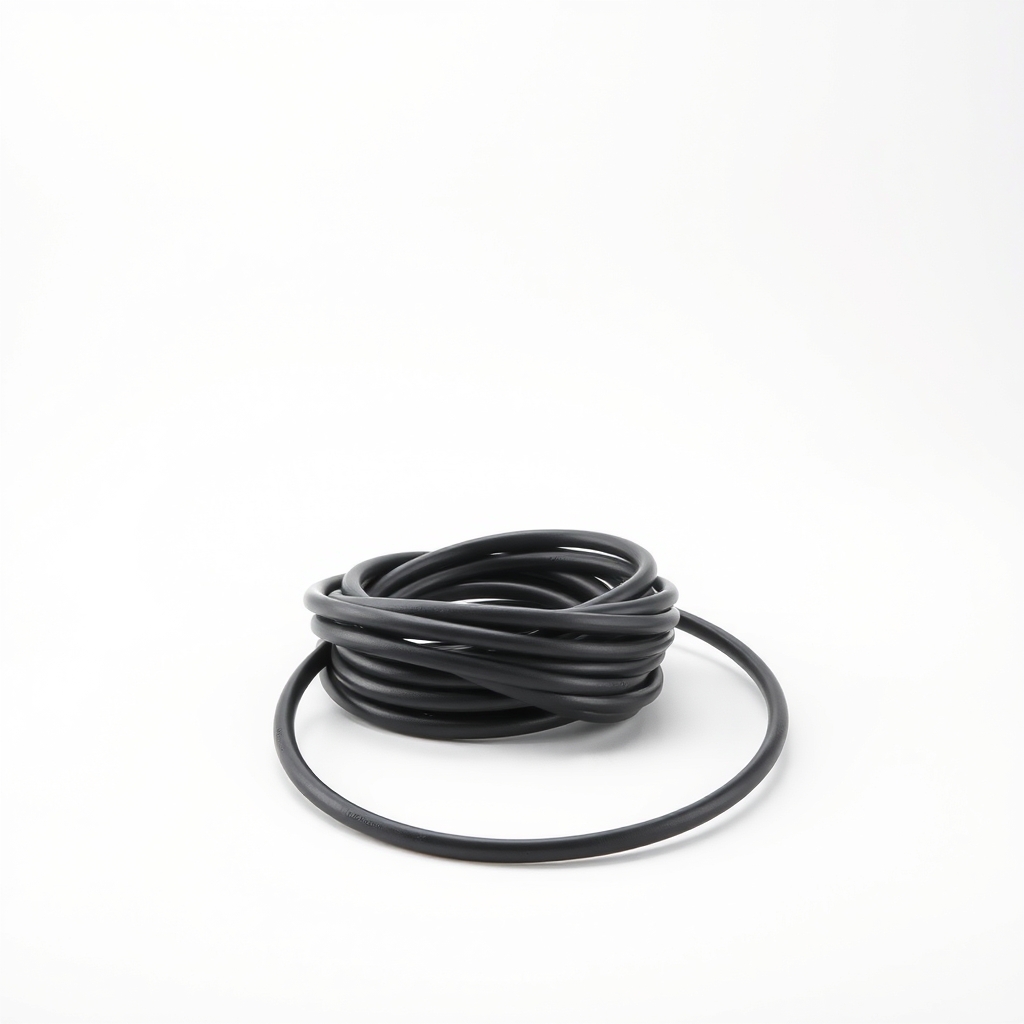
A 12-gauge heavy-duty extension cord
A cord heats up because its wire is too thin for the load or too long for it. A 12-gauge cord has thicker wire, so it carries heavy loads cooler. It fixes the cause instead of just hiding the heat.
What to get: 12-gauge heavy-duty extension cord
How long it lasts: Years. Thicker wire carries more current with less heat.
As an Amazon Associate I earn from qualifying purchases.
What you'll need
-
Appliance labels and a calculator
Read the watts or amps on each device and add them up
You have it -
A free wall outlet
High-draw devices go straight in, with no cord
You have it - Our pick Illustration
12-gauge heavy-duty extension cord
Choose the shortest length that reaches
- Illustration
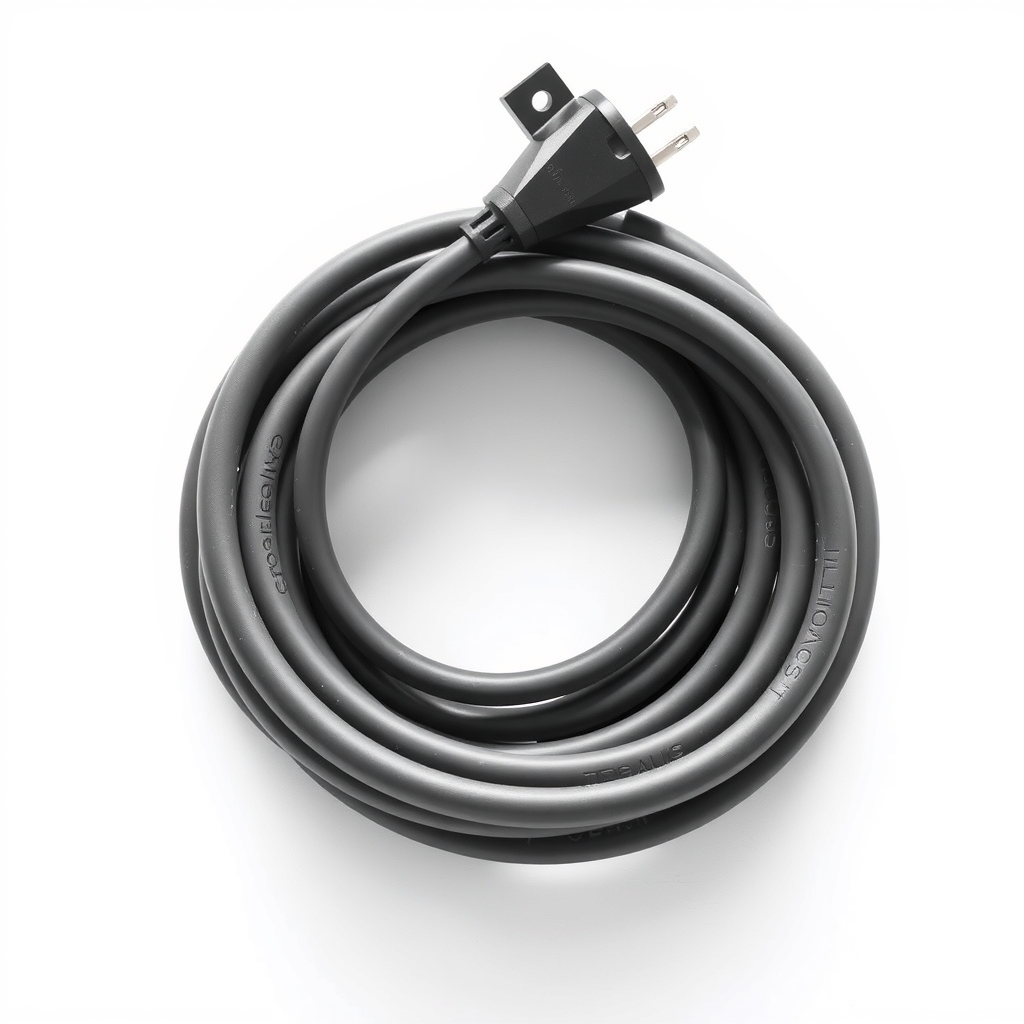
14-gauge extension cord
For lighter loads over short runs
Why it happens
A cord too thin for the load
Thin cords carry less current. When a device draws more than the cord is made for, the wire heats up. A lower gauge number means thicker wire: 16 is thin, 12 is heavy-duty.
A long cord with a big load
More wire means more resistance, so more heat. A 100-foot cord runs hotter than a 10-foot cord carrying the same load.
A coiled or covered cord
A coiled cord cannot shed heat. Rugs, boxes and furniture trap it the same way.
Damage or a loose plug
A nicked cord, a bent plug blade or a loose outlet creates resistance at one spot, and that spot heats up. This is more dangerous than an evenly warm cord.
Try this first (free)
Do these in order, starting with the simplest.
-
Unplug it and let it cool
Pull the plug, not the cord. After a few minutes, feel the cord, the plug and the wall outlet. Melted plastic, scorch marks or a burning smell mean the cord goes in the trash and the outlet needs an electrician.
-
Uncoil the whole length
Lay the cord straight or in a loose zigzag, off rugs and out from under furniture. Never run it coiled or under a rug.
-
Check the load
Tool used: Appliance labels and a calculatorRead the watts or amps on each device's label. In the US, watts divided by 120 gives amps. Compare the total with the amp rating printed on the cord or its plug.
-
Plug high-draw devices into the wall
Tool used: A free wall outletSpace heaters, portable air conditioners, microwaves and hair dryers should go straight into the wall. They draw more than most extension cords are made for.
-
Switch to a 12-gauge cord for heavy loads
Tool used: 12-gauge heavy-duty extension cordIf you must use a cord for a power tool or a heavy appliance, choose a 12-gauge cord in the shortest length that reaches. Check for a safety mark and a rating that covers your load.
IllustrationCheck price on AmazonTool for this step
12-gauge heavy-duty extension cord · Choose the shortest length that reaches
When free fixes aren't enough
Replace the cord if the plug or cord is discolored, soft, cracked or stiff, if a blade is bent, if the cord feels hot rather than just warm, or if it smells like burning. Tape does not fix any of that. If the outlet itself is hot, or the plug sparks or buzzes, stop using it and call an electrician. The same goes for a breaker that trips when you plug the cord in. A new 12-gauge cord only helps when the cord was the weak point. It cannot fix a bad outlet or an overloaded circuit.
Buy the fix
Still stuck after the free fixes? These are the products we would look at.
| Pick | Product | Fixes | Who it's for | Buy |
|---|---|---|---|---|
| Best pick | 12-gauge heavy-duty extension cord | a cord that overheats under a heavy load | Anyone running power tools, a shop vacuum or a long run to a medium or heavy load. | Check price |
| Budget pick | 14-gauge extension cord, short length | a thin 16-gauge cord on a medium load | People who run a computer, monitor, fan or vacuum over a short run. | Check price |
| Upgrade pick | 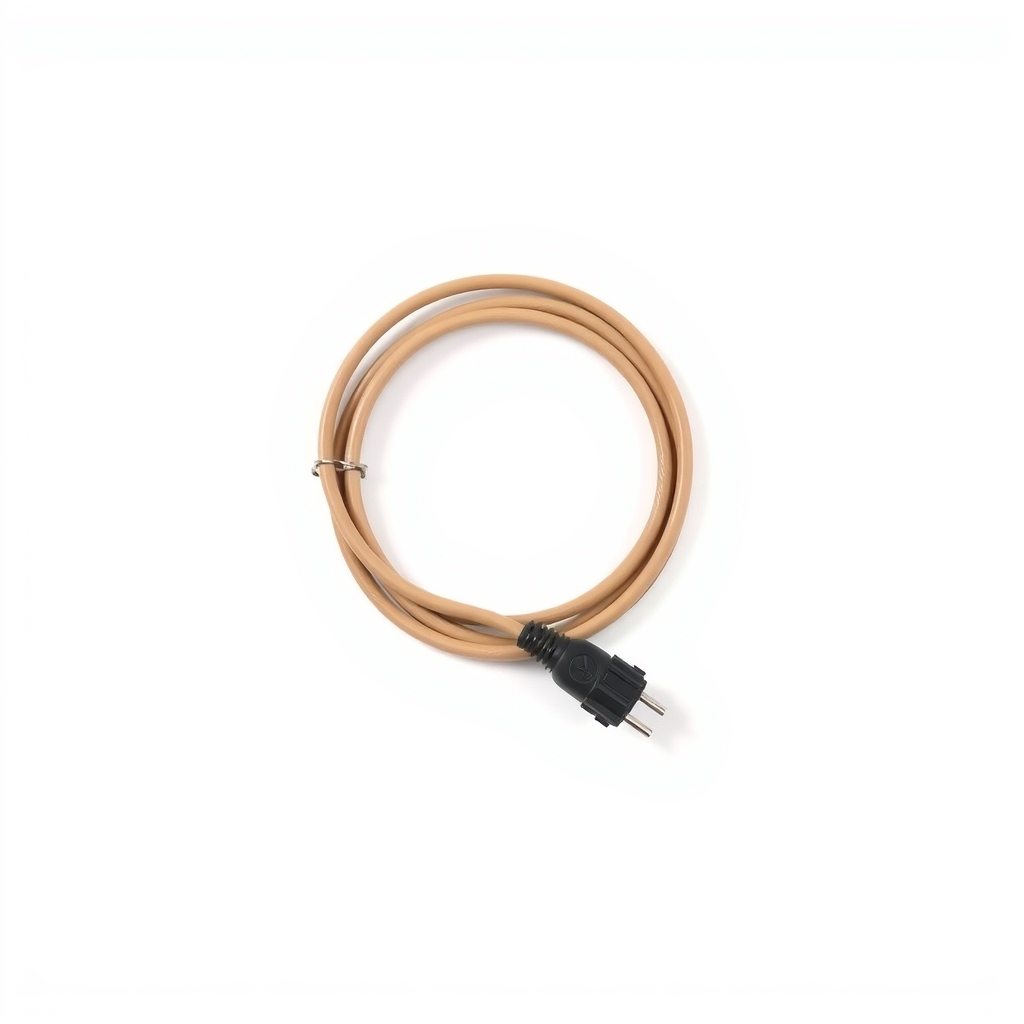 10-gauge extension cord | long, heavy runs where even a 12-gauge cord runs warm | Workshop users and contractors with long runs and big loads. | Check price |
12-gauge heavy-duty extension cord
Fixes: a cord that overheats under a heavy load
Look for: 12 AWG printed on the cord; A grounded three-prong plug and a safety mark such as UL or ETL; An outdoor rating, if you will use it outside; The shortest length that reaches your outlet.
- Who it's for
- Anyone running power tools, a shop vacuum or a long run to a medium or heavy load.
- Honest downside
- You only run a lamp or a charger. A lighter cord is fine, and a 12-gauge cord is stiff and heavy.
14-gauge extension cord, short length
Fixes: a thin 16-gauge cord on a medium load
Look for: 14 AWG printed on the cord; A short length, 10 to 25 feet; A grounded plug and a safety mark.
- Who it's for
- People who run a computer, monitor, fan or vacuum over a short run.
- Honest downside
- You plug in a heater, air conditioner or large power tool. Use a 12-gauge cord or the wall outlet.
10-gauge extension cord
Fixes: long, heavy runs where even a 12-gauge cord runs warm
Look for: 10 AWG printed on the cord; A flexible outdoor-rated jacket; A rating that covers your heaviest tool.
- Who it's for
- Workshop users and contractors with long runs and big loads.
- Honest downside
- The run is short and the load is small. It is heavy and stiff.
As an Amazon Associate I earn from qualifying purchases. We don't show prices because they change, so use the button to see today's price.
How we picked: How we picked: this page is based on electrical safety guidance on extension cord use, wire gauge and amp rating charts, and the problems and fixes owners report in reviews. We do not test products by hand.
What the gauge numbers mean
- 16 gauge: light loads, such as a lamp or a phone charger.
- 14 gauge: medium loads, such as a computer, fan or vacuum.
- 12 gauge: heavy loads, such as power tools.
- 10 gauge: long runs with heavy loads.
A lower number is thicker wire. Check the amp rating printed on the cord too.
When to stop and call an electrician
Stop using the cord and unplug it if you see scorch marks, melted plastic or a discolored plug, or if you smell burning. Call an electrician if the wall outlet is hot, sparks, buzzes or loosely grips the plug, or if the breaker trips when you plug in. These are problems in the wiring, not the cord.
What to skip
Thin power strips as cords, and tape repairs
A power strip with a thin cord is not made for heaters or tools, and plugging strips into each other is a classic cause of heat. Electrical tape over a damaged cord hides the damage and does not restore the insulation. Replace the cord.
Frequently asked questions
Why is my extension cord hot?
Is it normal for an extension cord to get warm?
What is the largest gauge extension cord?
Can I use an extension cord for a space heater?
Can I plug two extension cords together?
Related problems
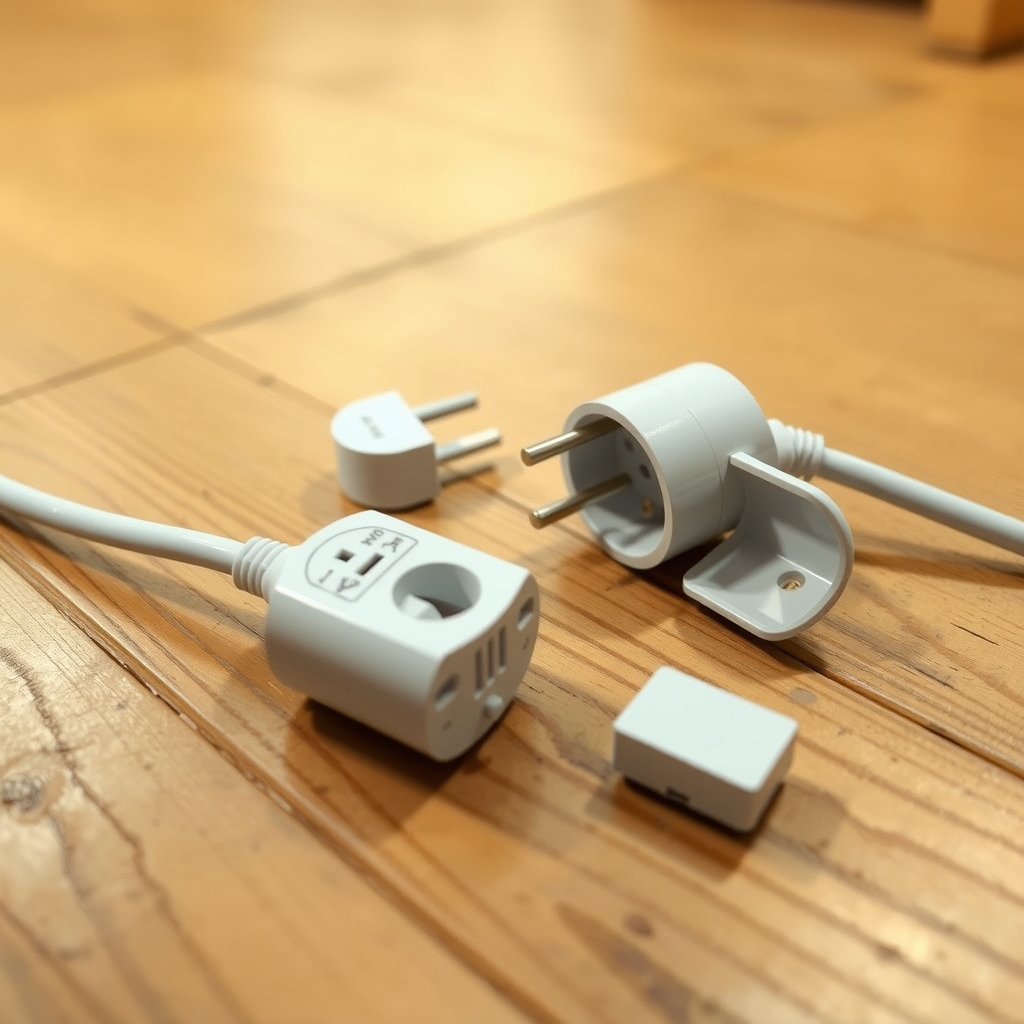 Free fix inside
Home Office & Cables · Extension Cord Organizing
Extension Cord Keeps Unplugging? Locks That Hold the Plugs Together
Read the fix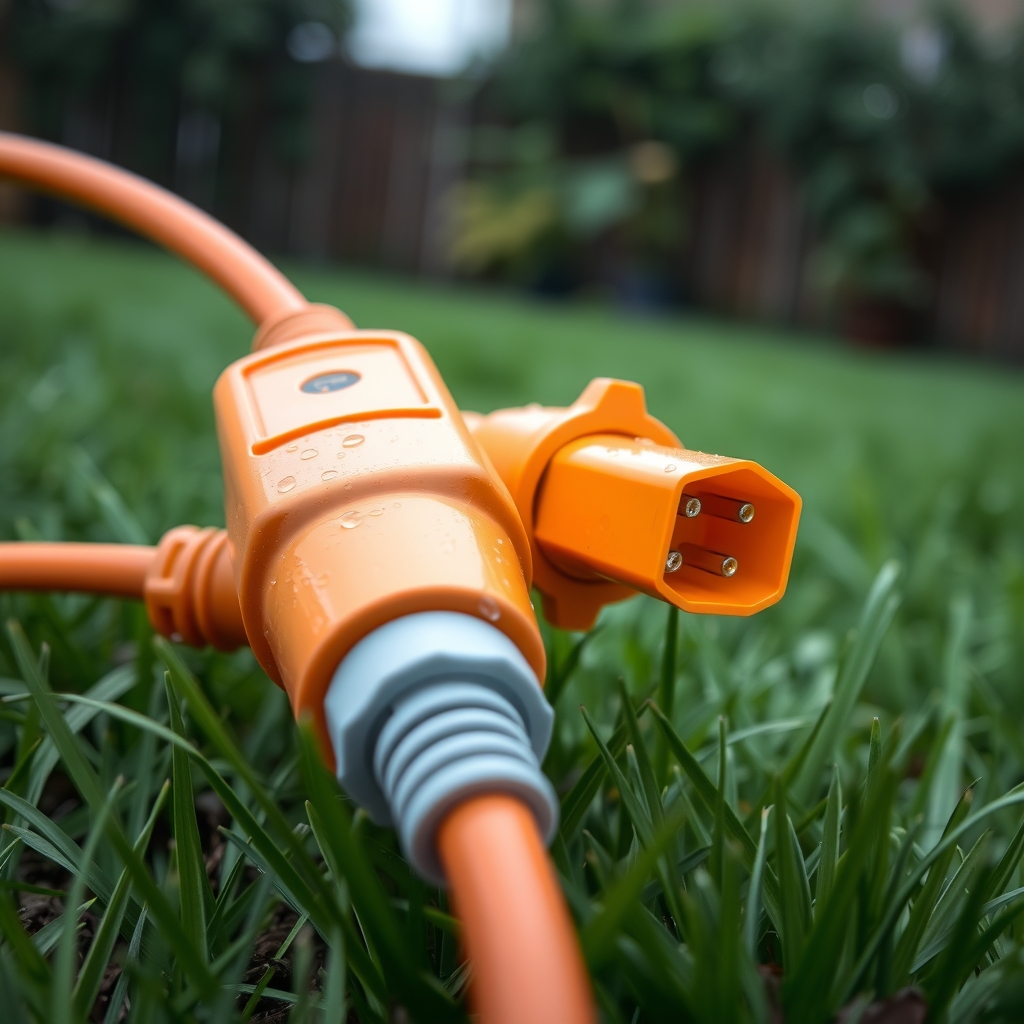 Free fix inside
Home Office & Cables · Extension Cord Organizing
How to Keep Extension Cords Dry Outside: Covers for Every Plug
Read the fix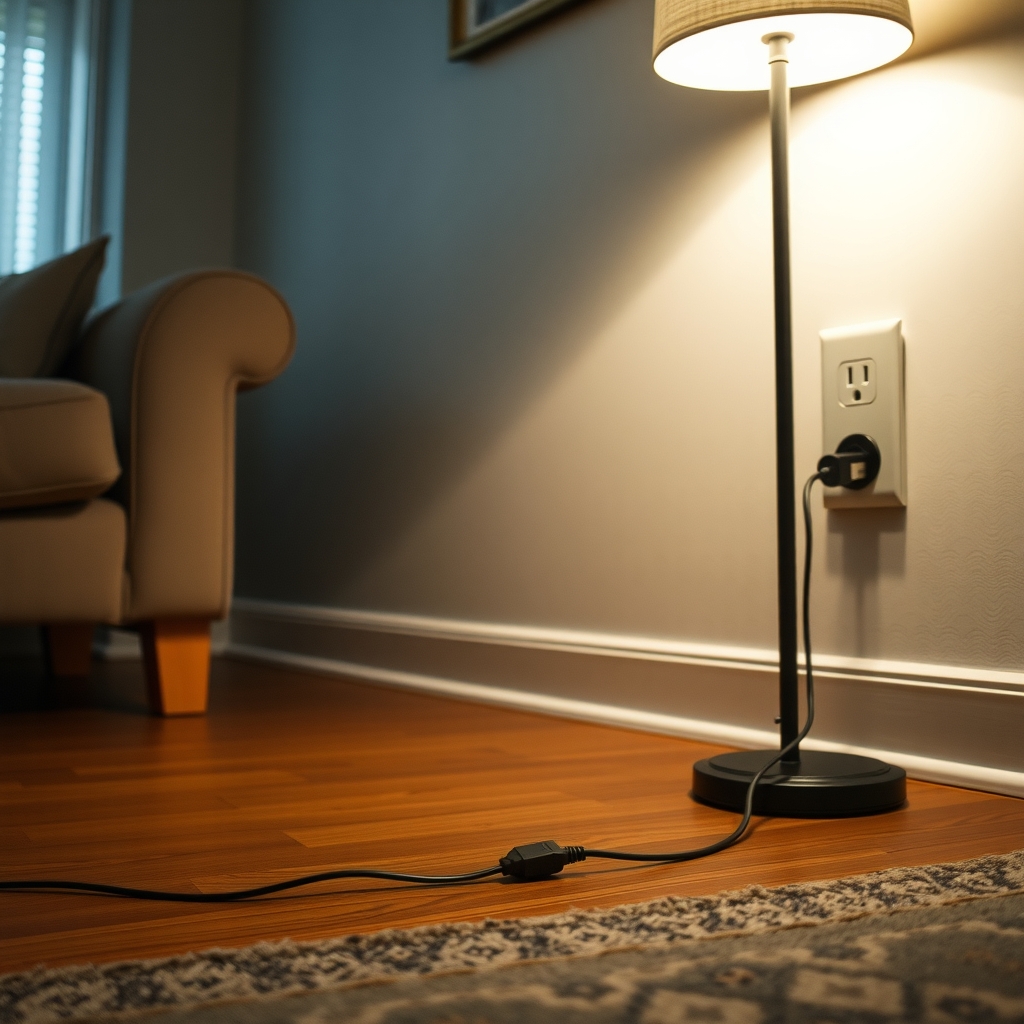 Free fix inside
Home Office & Cables · Extension Cord Buying
Extension Cord Not Long Enough? Safe Ways to Reach Farther
Read the fixAs an Amazon Associate I earn from qualifying purchases. Affiliate disclosure