How to Keep Extension Cords Dry Outside: Covers for Every Plug
Rain gets in where two plugs meet, not along the cord. Lift the connection, add a drip loop, then seal it in a weatherproof cover.
By Jamilur Rahman Updated November 5, 2026 · 7 min read
- Time
- 10 min
- Cost
- Under $20
- Difficulty
- Easy
In this guide
Quick answer
Water gets into an outdoor extension cord at the connection, where one plug meets the next, not along the cord itself. Use a cord rated for outdoor use, plug into a GFCI outlet, lift the connection off the wet ground and give the cord a drip loop. Then seal the plugs in a weatherproof connection cover so rain and sprinklers cannot reach the metal. That also answers the safety question: an outdoor cord is fine for temporary jobs as long as the connection stays dry.
Free fix vs. permanent fix
Raise it, loop it, shelter it
- Use only a cord marked for outdoor use, with a W in the letter code
- Plug into a GFCI-protected outlet
- Set the connection on a brick or an upturned plastic crate
- Hang the cord in a low loop so water drips off before the plug
How long it lasts: One dry spell. A raised connection with a drip loop handles light rain, but wind-driven rain, sprinklers and wet grass can still reach the plugs.
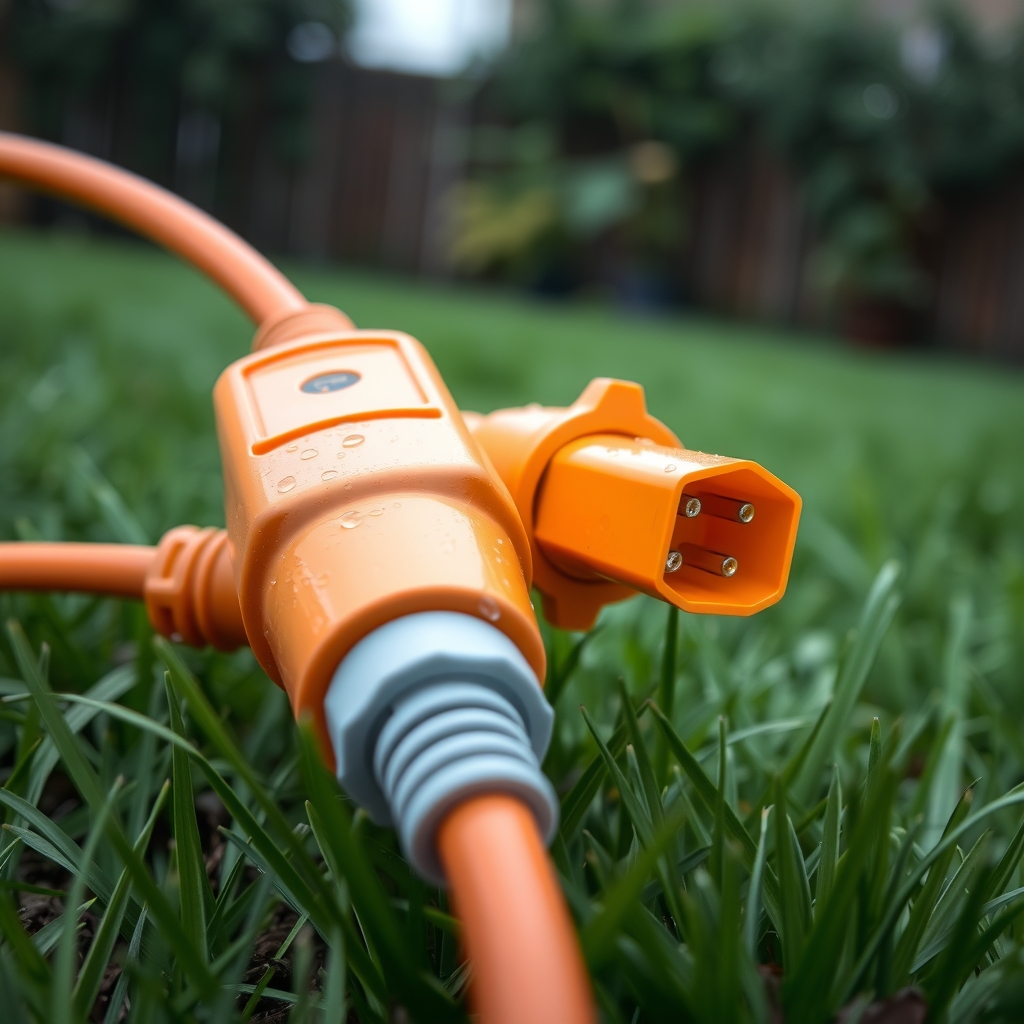
A weatherproof cord connection cover
A cover closes around the two plugs where they meet, with a sealed opening for each cord. Rain and spray cannot reach the metal prongs, which is what shorts the circuit and trips the GFCI. It handles rain, not standing water, so keep the connection raised as well.
What to get: Weatherproof extension cord connection cover
How long it lasts: Years. It stays on through every rain until the plastic cracks.
As an Amazon Associate I earn from qualifying purchases.
What you'll need
-
Outdoor-rated extension cord
Check the jacket print for a W, as in SJTW
You have it -
Brick, paver or plastic crate
Lifts the connection out of puddles
Free - Our pick Illustration
Weatherproof cord connection cover
Encloses the plug-to-plug connection
- Illustration
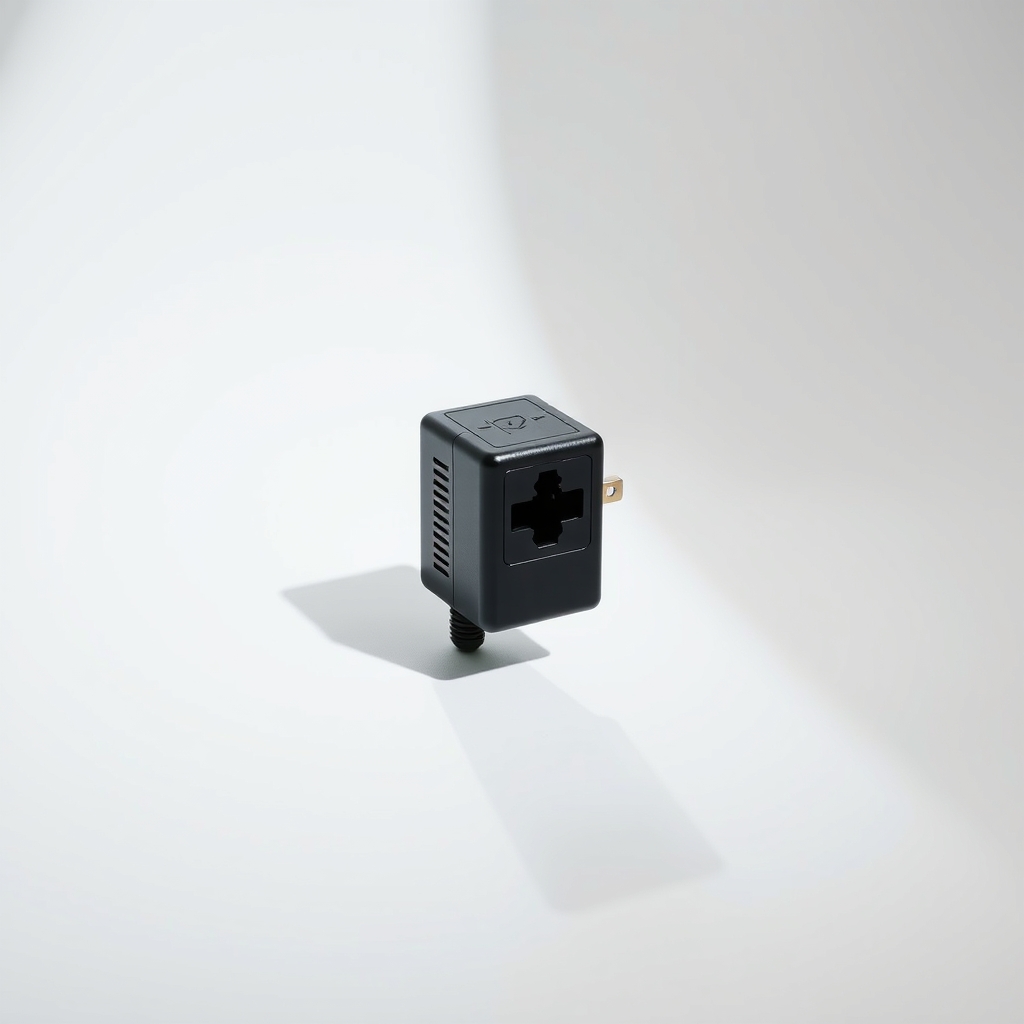
Portable outdoor GFCI adapter
Only if your outdoor outlet has no test and reset buttons
- Illustration
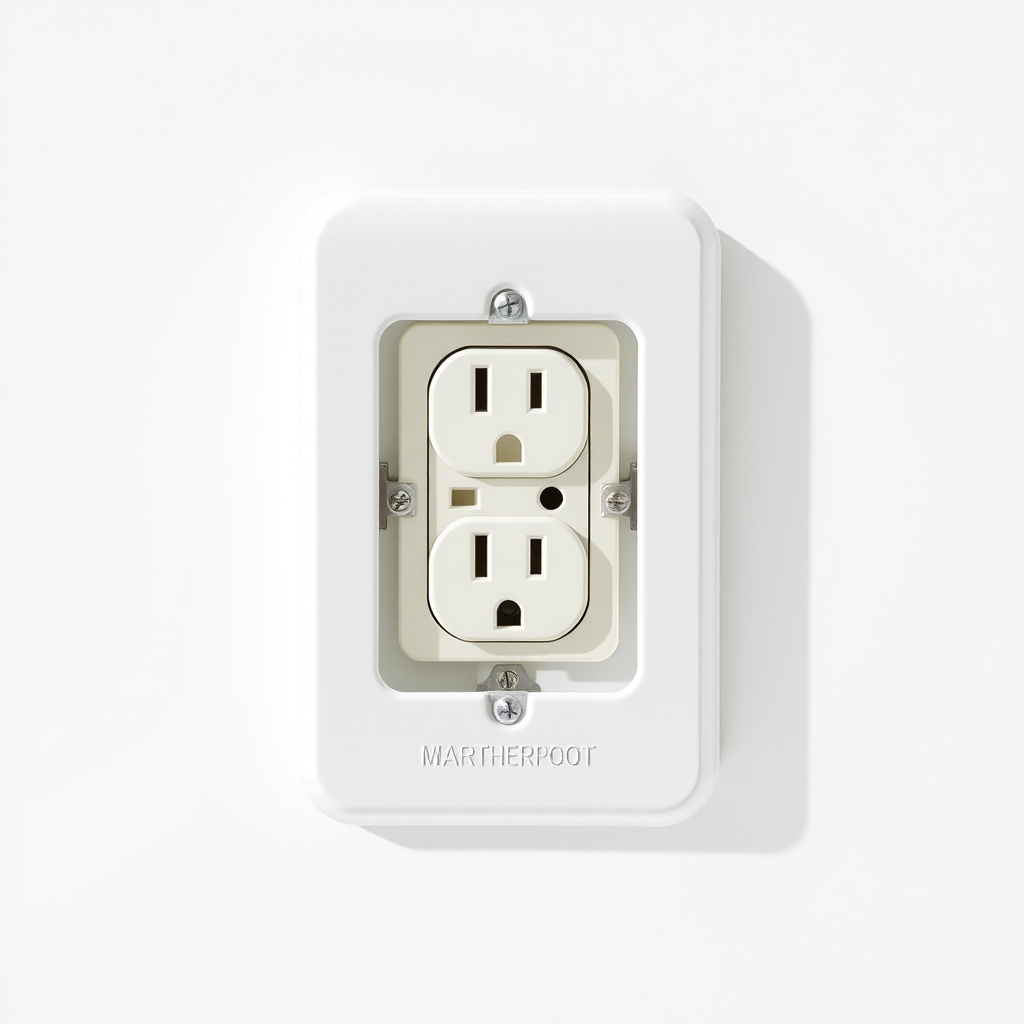
In-use outdoor outlet cover
For a wall outlet you plug into again and again
Why it happens
Water at the plug connection
The weak spot is the gap where two plugs meet. Rain runs down the cord into it, and sprinkler spray blows in sideways. Water on live metal can short the circuit and trip the GFCI.
An indoor-only cord outside
Indoor cords have jackets that crack in sun and cold and let water in. If the label does not carry a W, it does not belong outdoors, even for a weekend.
Connections lying on wet ground
A plug sitting in a puddle or soaked grass is in the worst spot. Even an outdoor-rated plug is not made to sit in water.
No drip loop
A cord that runs straight down into a plug funnels rain right to the connection. A low loop gives the water somewhere to drip off first.
Leaving the cord out for weeks
Extension cords are built for temporary use. Weeks of sun, rain and foot traffic wear the jacket and the plug faces. For long-term power outside, an installed outdoor outlet is the right answer.
Try this first (free)
Do these in order, starting with the simplest.
-
Read the cord label
Tool used: Outdoor-rated extension cordLook at the print on the jacket. A W in the letter code, such as SJTW, means it is rated for outdoor use. If it says indoor use only, take it inside and swap it for an outdoor cord.
-
Plug into a GFCI outlet
Tool used: Portable outdoor GFCI adapterOutdoor outlets should be GFCI protected. Press the test button, which should click the outlet off, then press reset. No buttons? Use a portable GFCI adapter between the cord and the outlet.
IllustrationCheck price on AmazonTool for this step
Portable outdoor GFCI adapter · Only if your outdoor outlet has no test and reset buttons
-
Lift the connection off the ground
Tool used: Brick, paver or plastic crateSet the joined plugs on a brick, paver or upturned crate, away from puddles, sprinkler heads and the spot under a downspout.
-
Hang a drip loop
Let the cord dip in a low U just before the connection so water drips off the bottom of the loop. Keep the plugs pointing sideways or down, never up into the rain.
-
Seal the connection in a cover
Tool used: Weatherproof cord connection coverPush the plugs fully together, set them in the cover and close it with the cords running out through the openings. Check that the lid latches all the way.
IllustrationCheck price on AmazonTool for this step
Weatherproof cord connection cover · Encloses the plug-to-plug connection
When free fixes aren't enough
Raising and looping the cord handles light rain, but not sideways rain, sprinklers, dew or a lawn that stays wet. If the cord stays out for a day or more, for holiday lights, a pond pump or a hedge trimmer, the connection needs a cover that closes around it. If the GFCI keeps tripping, a plug feels warm or looks discolored, or the jacket is cracked, unplug it and replace the cord. If you need power outside every week, an electrician can install a weatherproof outlet. An extension cord is a temporary tool.
Buy the fix
Still stuck after the free fixes? These are the products we would look at.
| Pick | Product | Fixes | Who it's for | Buy |
|---|---|---|---|---|
| Best pick | Weatherproof extension cord connection cover | rain and spray getting into the plug connection | Anyone running a cord outdoors for more than a quick job, such as holiday lights, a pump, power tools or a party. | Check price |
| Upgrade pick | In-use weatherproof outdoor outlet cover | rain reaching the wall outlet end of the cord | Anyone who plugs in at the same outdoor outlet again and again, for lights, a pump or a fountain. | Check price |
Weatherproof extension cord connection cover
Fixes: rain and spray getting into the plug connection
Look for: Closes around the full plug-to-plug connection with a snug fit; Rubber or gasket seals where the cords leave the cover; Fits your plug size, including thicker 12 or 14 gauge cords; UV-resistant plastic that will not crack in sun and cold.
- Who it's for
- Anyone running a cord outdoors for more than a quick job, such as holiday lights, a pump, power tools or a party.
- Honest downside
- The connection will sit where water pools or under a downspout. Covers resist rain and spray, not standing water.
In-use weatherproof outdoor outlet cover
Fixes: rain reaching the wall outlet end of the cord
Look for: A deep hinged cover that closes over the plugged-in cord; Fits your outlet: single or double, vertical or horizontal; A gasket that seals against the wall; UV-resistant housing.
- Who it's for
- Anyone who plugs in at the same outdoor outlet again and again, for lights, a pump or a fountain.
- Honest downside
- You are not comfortable working at an outlet. Turn off the breaker first, or have an electrician swap it. Skip it if the outlet is not GFCI protected; fix that first.
As an Amazon Associate I earn from qualifying purchases. We don't show prices because they change, so use the button to see today's price.
How we picked: How we picked: this page is based on extension cord and outdoor electrical safety guidance, cord labeling standards, product instructions for cord covers, and what owners report in reviews. We do not test products by hand.
What the letters on the cord mean
The print on the jacket tells you what the cord can take. A W in the letter code, such as SJTW, means weather-resistant and rated for outdoor use. Codes without a W, such as SJT, are for indoor use. Jacket color is no guide, so read the print.
When to stop and call an electrician
Stop using the cord if a plug is hot, melted or scorched, if the jacket is cracked or cut, or if the GFCI trips again right after you reset it. If you find water in an outlet box, or the outlet itself looks burned, turn off the breaker and call a licensed electrician. Do not use that outlet until it has been checked.
What to skip
Electrical tape and plastic bags
Tape wrapped around plugs and sandwich bags over the connection trap moisture against the metal. Water gets in at the gaps and cannot dry out. Neither makes the connection safe. A cover built for the job beats both.
Frequently asked questions
Is it safe to have extension cords outside?
Can I leave an extension cord outside overnight?
What do I do if a plug gets wet?
Does a cover make an indoor cord safe outside?
What cord thickness do I need?
Related problems
 Free fix inside
Home Office & Cables · Extension Cord Buying
Extension Cord Getting Hot? When It's Normal and When to Replace It
Read the fix Free fix inside
Home Office & Cables · Extension Cord Buying
Extension Cord Not Long Enough? Safe Ways to Reach Farther
Read the fix Free fix inside
Home Office & Cables · Extension Cord Buying
Extension Cord That's Not Ugly: Braided Picks That Blend In
Read the fixAs an Amazon Associate I earn from qualifying purchases. Affiliate disclosure