Extension Cord Not Long Enough? Safe Ways to Reach Farther
Do not join two cords or stretch one tight. Measure the real route and try a closer outlet, then buy one longer cord with the right wire thickness.
By Jamilur Rahman Updated November 5, 2026 · 6 min read
- Time
- 15 min
- Cost
- $20-$50
- Difficulty
- Easy
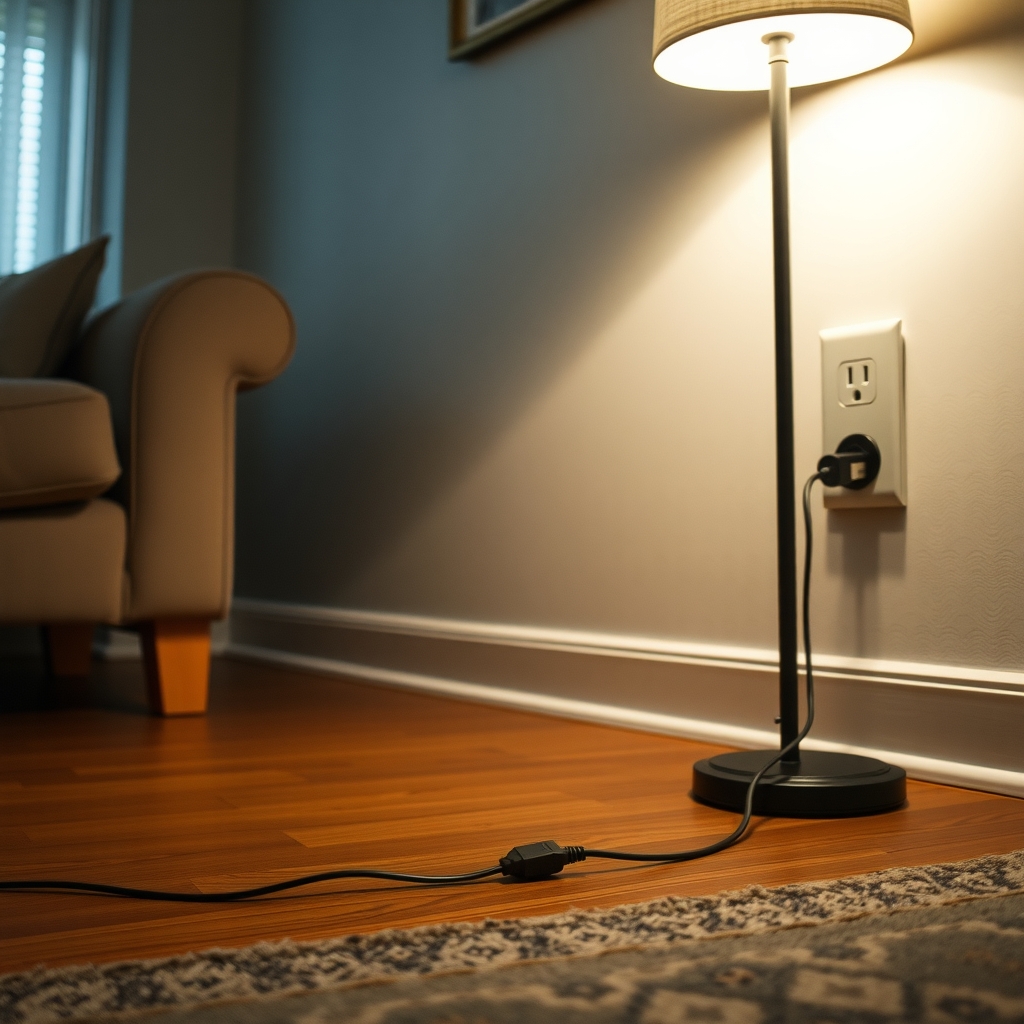
In this guide
Quick answer
When a cord falls short, the safe fix is one cord that reaches, not two cords joined together or one pulled tight. Measure the route the cord will really take, try a closer outlet and move the device if you can. If you still need more length, buy a longer cord with wire thick enough for the load: a lower gauge number for longer runs and bigger loads.
Free fix vs. permanent fix
Measure the route and try a closer outlet
- Measure the real path along the wall with string
- Try another outlet or another wall in the room
- Move the device closer if you can
- Never stretch a cord or leave a plug half out of the wall
How long it lasts: It fixes the problem for good if a closer outlet or a new spot works. If the device has to stay put, you need a longer cord.
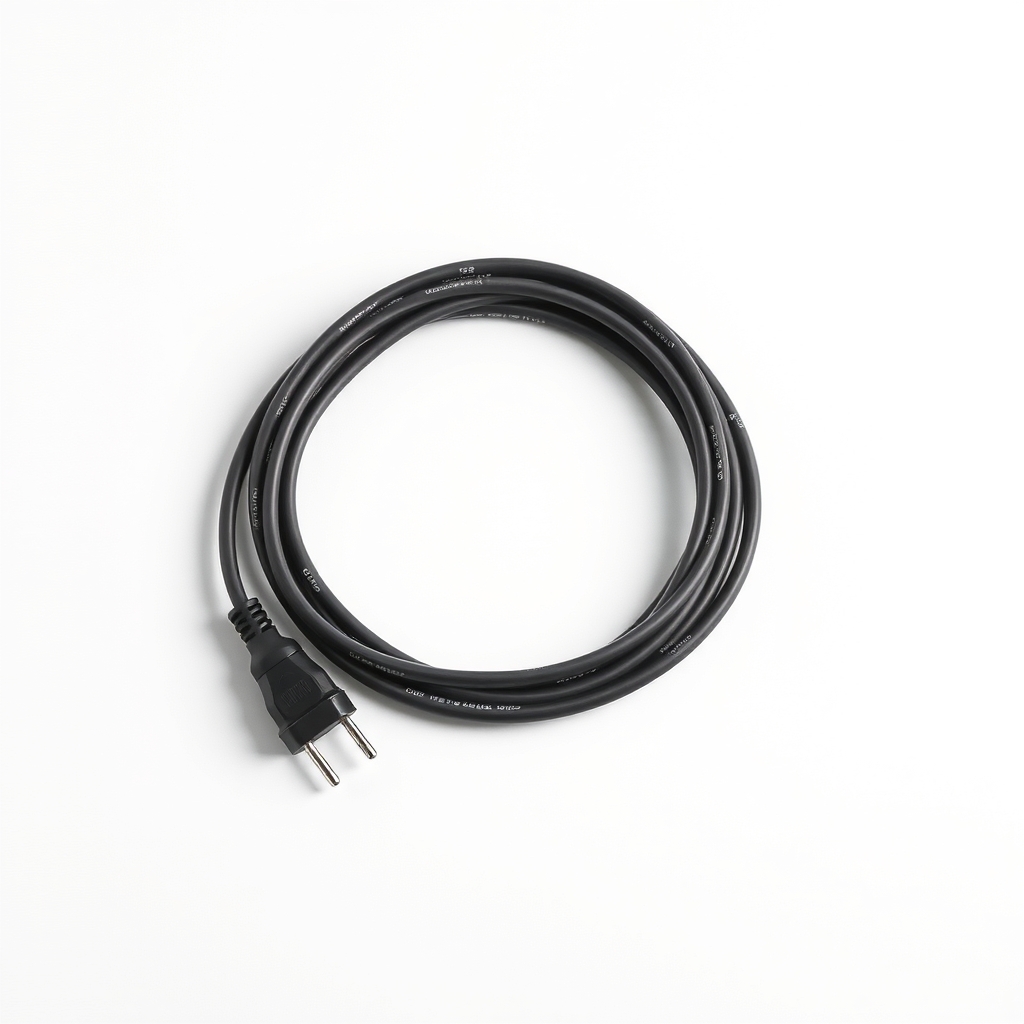
One longer heavy-duty extension cord
Two cords joined together add resistance and loose connections, which are where heat builds. One longer cord, thick enough for the load, delivers the power safely and lies flat along the wall.
What to get: Longer heavy-duty extension cord (12-gauge)
How long it lasts: Years. The right length and thickness carry the load without heat.
As an Amazon Associate I earn from qualifying purchases.
What you'll need
-
String and a tape measure
Measure the route the cord will really take, not the straight line
You have it - Illustration
Floor cord cover
Only if the cord must cross a walkway
- Our pick Illustration
Longer heavy-duty extension cord
Choose the length from your string, plus a few feet
- Illustration
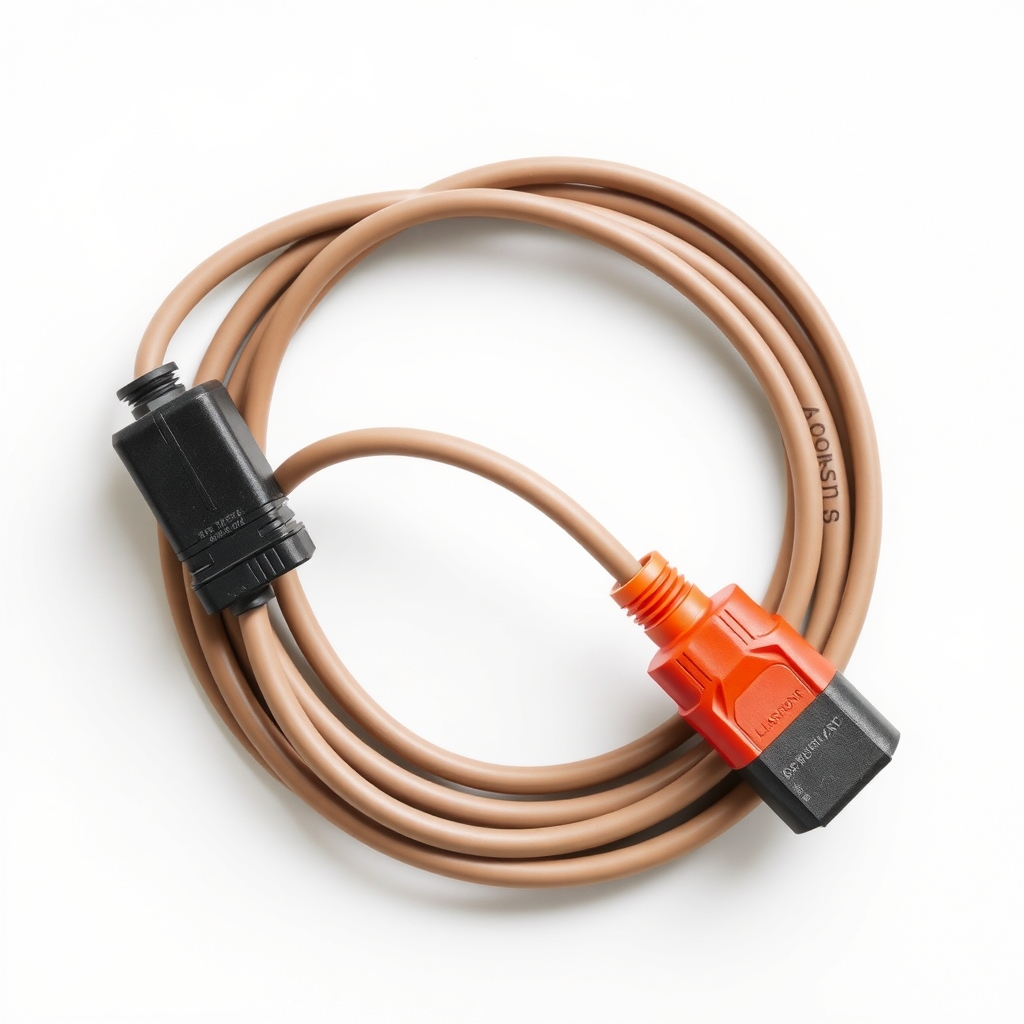
14-gauge extension cord
For lamps, fans and small electronics
Why it happens
The cord was bought for another spot
A 6-foot cord fits one corner and fails in the next. Plans change, but the cord does not.
Measuring in a straight line
The cord has to go around furniture and door frames and along the wall. The real route is often well over the straight-line distance.
Outlets in the wrong place
Older rooms have few outlets, and furniture covers some of them.
Daisy-chaining as the quick fix
Plugging one cord into another feels easy, but each joint adds resistance and a place for heat to build.
Try this first (free)
Do these in order, starting with the simplest.
-
Measure the real route with string
Tool used: String and a tape measureRun string from the outlet to the device along the wall, around furniture and over door frames. Measure the string and add a few feet of slack. That is the cord length you need.
-
Look for a closer outlet
Check the next wall, the other side of a doorway or a floor outlet. A closer outlet can save you from a long cord.
-
Move the device
Shift the lamp, router or desk a few feet toward an outlet you can reach. Moving the device is free and the safest option.
-
Never daisy-chain or stretch
Do not plug cords into each other, and never pull a cord tight across a room. A taut cord pulls the plug partway out of the wall, where it can overheat.
-
Buy one cord for the whole run
Tool used: Longer heavy-duty extension cordPick one cord that matches your measured length, rounded up, and the gauge for your load. Run it along the wall, never under a rug. Use a cover if it must cross a walkway.
IllustrationCheck price on AmazonTool for this step
Longer heavy-duty extension cord · Choose the length from your string, plus a few feet
When free fixes aren't enough
If the device has to stay where it is and the nearest outlet is out of reach, a longer cord is the right answer. But a cord is not permanent wiring. If you use the same cord in the same spot every day, ask an electrician to add an outlet. Unplug it if the cord or plug feels warm, if it lies under a rug or across a doorway, or if it is damaged. Never run a cord through a wall, a ceiling or a door frame.
Buy the fix
Still stuck after the free fixes? These are the products we would look at.
| Pick | Product | Fixes | Who it's for | Buy |
|---|---|---|---|---|
| Best pick | Longer heavy-duty extension cord (12-gauge) | a cord that cannot reach without stretching or joining | Anyone running a long indoor or outdoor route to a medium or heavy load. | Check price |
| Budget pick | 14-gauge extension cord for light loads | a short reach for a lamp, fan or small electronics | Anyone with a light or medium load on a run of 25 feet or less. | Check price |
Longer heavy-duty extension cord (12-gauge)
Fixes: a cord that cannot reach without stretching or joining
Look for: A length that matches your measured route plus a few feet; 12 AWG wire for long runs and bigger loads; A grounded plug and a safety mark such as UL or ETL; An outdoor rating, if it will go outside.
- Who it's for
- Anyone running a long indoor or outdoor route to a medium or heavy load.
- Honest downside
- The load is a lamp or a phone charger on a short run. A lighter cord is fine.
14-gauge extension cord for light loads
Fixes: a short reach for a lamp, fan or small electronics
Look for: 14 AWG printed on the cord; A grounded plug and a safety mark; A length no longer than you need.
- Who it's for
- Anyone with a light or medium load on a run of 25 feet or less.
- Honest downside
- You power a heater, air conditioner or power tool, or the run is 50 feet or more.
As an Amazon Associate I earn from qualifying purchases. We don't show prices because they change, so use the button to see today's price.
How we picked: How we picked: this page is based on electrical safety guidance on extension cords, wire gauge and length charts, and the problems and fixes owners report in reviews. We do not test products by hand.
Length and gauge in plain terms
Wire resists electric current, and the longer it is, the more resistance it adds. That resistance becomes heat. Thicker wire has less resistance, which is why long runs and big loads call for a lower gauge number. Always read the amp rating on the cord, and make sure it is above what you plug in.
Keeping a long cord safe
- Run it along the wall, never under a rug or through a door frame.
- Use a cord cover if it crosses a walkway.
- Never nail or staple it down.
- Uncoil it fully when it is in use, since a coil traps heat.
What to skip
Joining two cords or a thin cord for a long run
Plugging cords end to end adds resistance. A long cord of thin wire does the same and heats up. Skip light-duty indoor cords outside, and skip any cord with no safety mark.
Frequently asked questions
How long can an extension cord be?
Can I connect two extension cords together?
What gauge extension cord do I need for a long run?
Is an extension cord OK as a permanent solution?
Related problems
 Free fix inside
Home Office & Cables · Extension Cord Organizing
Extension Cord Keeps Unplugging? Locks That Hold the Plugs Together
Read the fix Free fix inside
Home Office & Cables · Extension Cord Buying
Extension Cord Getting Hot? When It's Normal and When to Replace It
Read the fix Free fix inside
Home Office & Cables · Extension Cord Buying
Extension Cord That's Not Ugly: Braided Picks That Blend In
Read the fixAs an Amazon Associate I earn from qualifying purchases. Affiliate disclosure