Extension Cord Keeps Unplugging? Locks That Hold the Plugs Together
Plugs slide apart from the cord's weight, tugs and worn outlets. Check for heat first, then lock the plugs together with a cord lock.
By Jamilur Rahman Updated November 5, 2026 · 6 min read
- Time
- 10 min
- Cost
- Under $20
- Difficulty
- Easy
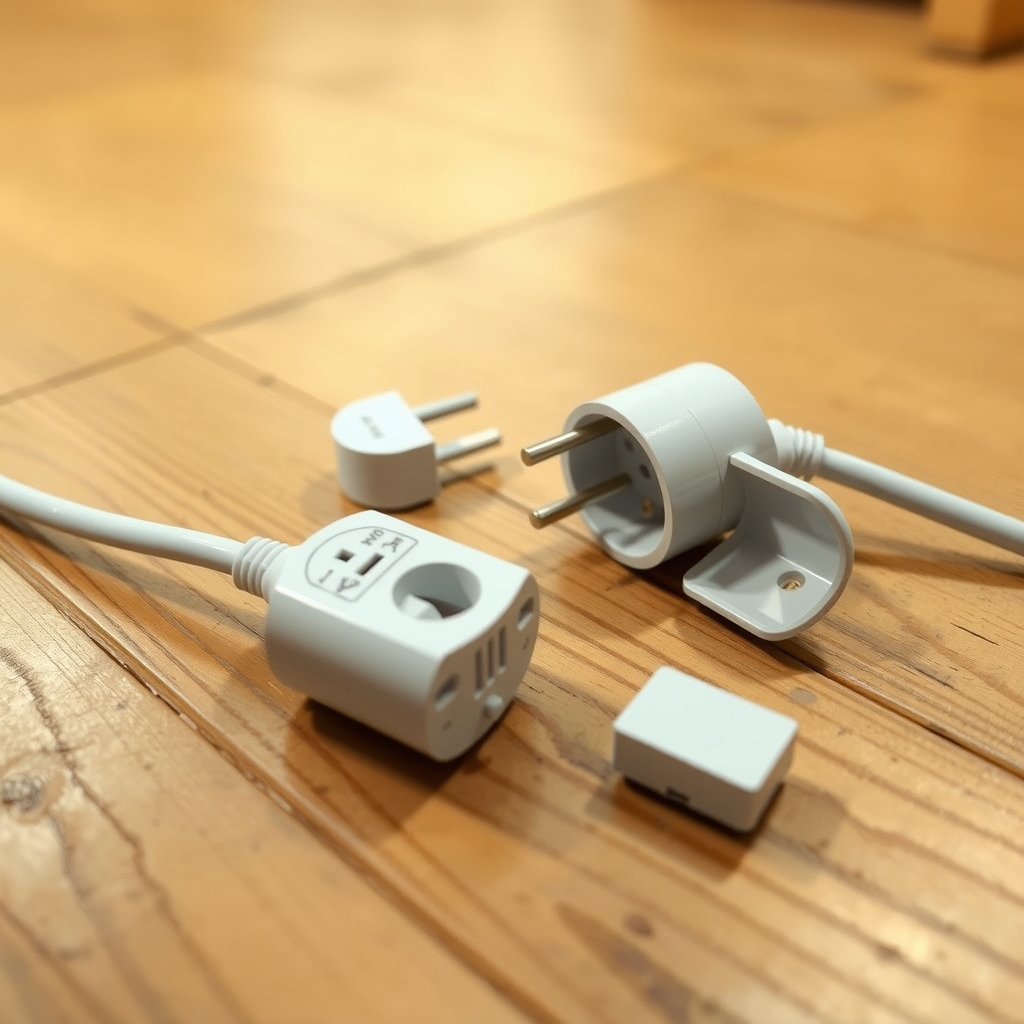
In this guide
Quick answer
An extension cord comes apart when the cord's weight, a tug or a loose outlet pulls the plugs out. First check for a hot, discolored or burning-smelling plug, and stop if you find one. Otherwise take the pull off the connection and hold the plugs together with a plug lock. A lock is a small plastic housing that grips both plugs so the connection cannot slide apart.
Free fix vs. permanent fix
Take the strain off the plugs
- Push each plug in fully
- Tie the cords together behind the plugs
- Route the cord so it does not hang or get kicked
- Never tie a tight knot or bend a cord sharply
How long it lasts: It works if the pull was the only problem. A knot or strap cannot help if the outlet is worn.
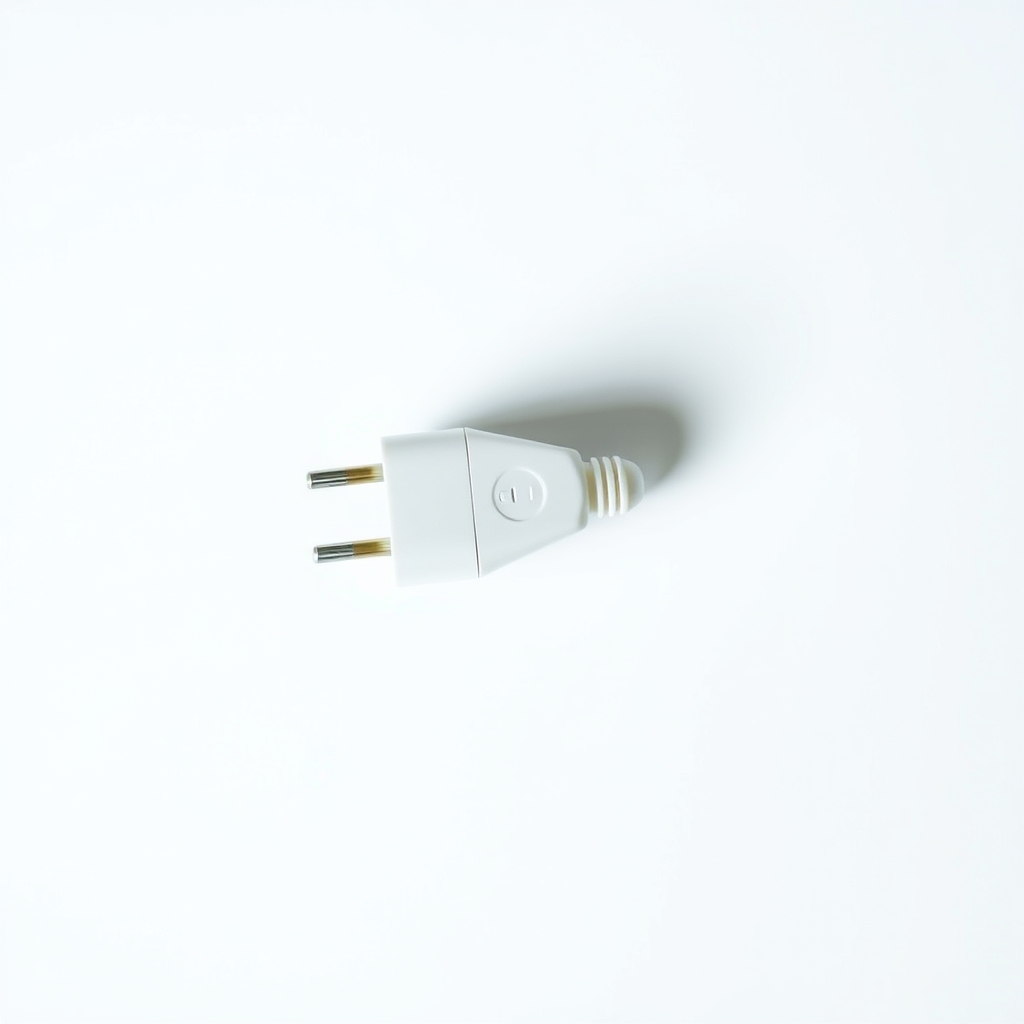
An extension cord plug lock
A plug lock is a plastic housing that holds the two plugs side by side, so a pull on the cord cannot slide them apart. The free steps lower the pull, and the lock holds the connection no matter what else tugs it.
What to get: Extension cord plug lock (clamshell style)
How long it lasts: Years. It stays closed until you open it.
As an Amazon Associate I earn from qualifying purchases.
What you'll need
-
Back of your hand
Feel the plug and outlet after the cord has run for a while
Free - Illustration
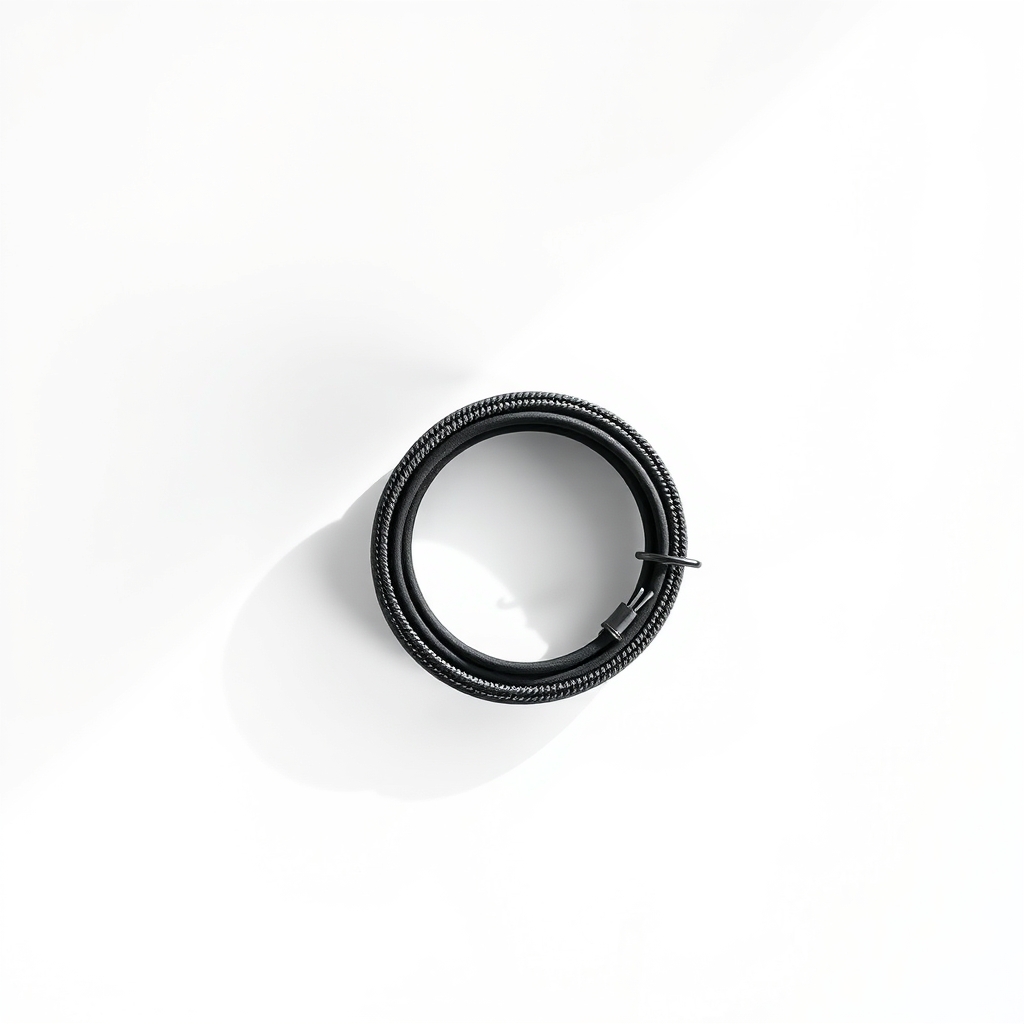
Hook-and-loop cable strap
Ties the two cords together behind the plugs
- Our pick Illustration
Extension cord plug lock
Match it to your plug type
- Illustration
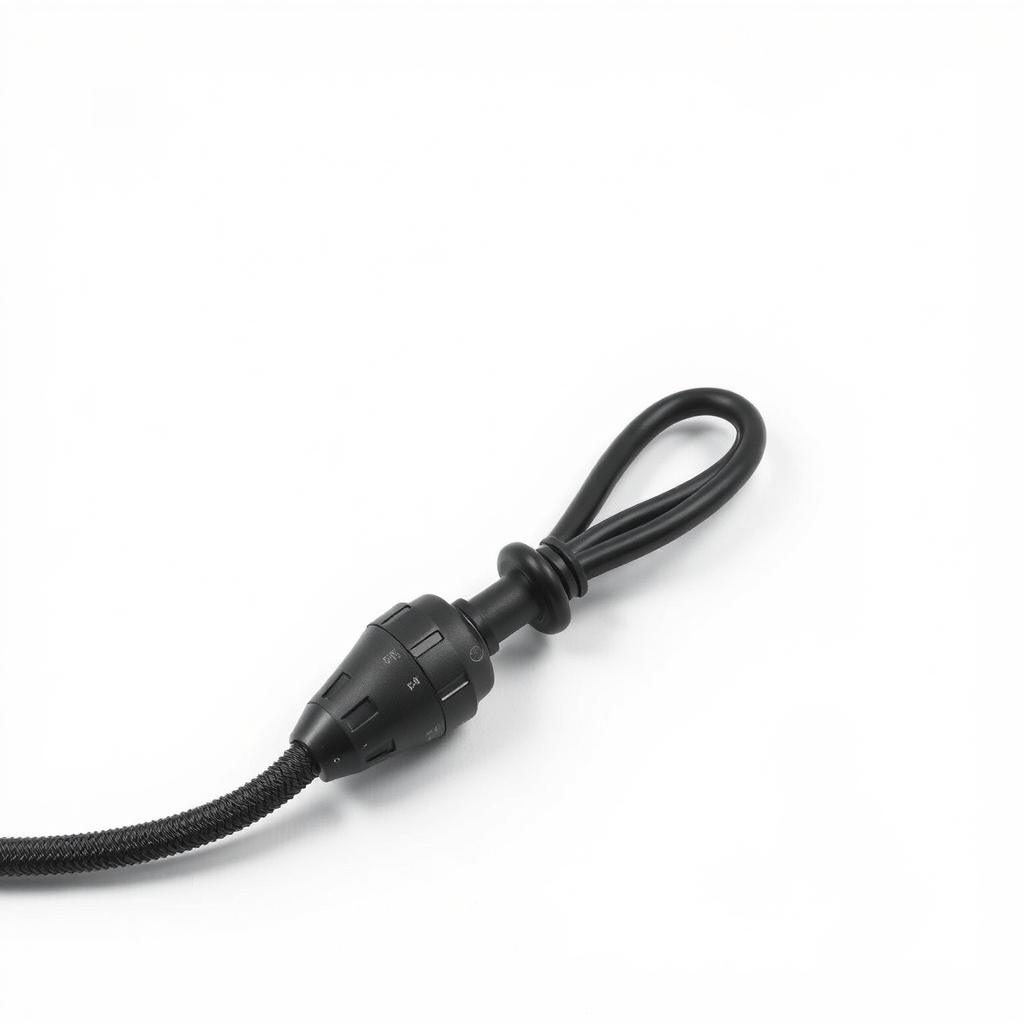
Heavy-duty extension cord
Only if the cord is damaged or too light for the load
Why it happens
The cord's weight and tugs
A heavy cord hanging from an outlet, or a cord that gets stepped on or kicked, pulls on the plug. A plug only holds by friction.
A worn outlet
Outlet contacts lose their grip over the years. A plug that slides out of an outlet usually means worn contacts, which can also run hot. Have an electrician replace the outlet.
Loose-fitting or bent plugs
Cheap plugs and bent blades make a loose connection. A plug that wriggles in the socket will work its way out.
Two cords joined in the middle
Each cord pulls in a different direction, so the join is the weak point. A single cord of the right length has no join to pull apart.
Try this first (free)
Do these in order, starting with the simplest.
-
1. Stop and check for heat
Tool used: Back of your handUnplug the cord after it has run under load, and feel the plugs and the outlet. If a plug is hot, discolored or melted, or you smell burning, stop using it. Replace the cord and call an electrician about the outlet.
-
2. Push the plugs in fully
Make sure each plug is seated all the way. If a blade is bent, replace the cord instead of bending it back.
-
3. Take the pull off the connection
Lay the cord along a wall instead of letting it hang from the outlet. Leave a little slack and keep it out of walkways.
-
4. Tie the cords together behind the plugs
Tool used: Hook-and-loop cable strapWrap a hook-and-loop strap around both cords just behind the plugs. A loose overhand knot also works. Keep it loose, because a tight knot can damage the wires.
IllustrationCheck price on AmazonTool for this step
Hook-and-loop cable strap · Ties the two cords together behind the plugs
-
5. Snap on a plug lock
Tool used: Extension cord plug lockOpen the lock, lay the two plugs in their slots and close it until it clicks. The cord runs out of the end. Check the fit before you plug in.
IllustrationCheck price on AmazonTool for this step
Extension cord plug lock · Match it to your plug type
When free fixes aren't enough
A strap or knot holds the cords together but still depends on the plugs gripping. A hard tug can still pull a loose plug out. If the cord keeps separating, or it is under heavy use for a workshop, garage freezer or outdoor lights, a lock holds the join even when the cord is yanked. A lock does not fix a worn outlet, a hot plug or a cord too thin for its load. If a plug or outlet feels hot, the cord is warm along its length or a breaker trips, replace the cord or call an electrician.
Buy the fix
Still stuck after the free fixes? These are the products we would look at.
| Pick | Product | Fixes | Who it's for | Buy |
|---|---|---|---|---|
| Best pick | Extension cord plug lock (clamshell style) | plugs pulling apart | Anyone whose cord separates from a tug, a long run or outdoor lights. | Check price |
| Budget pick | Reusable hook-and-loop cable straps | light pulls on a cord join | Anyone who needs a quick fix for a lamp or light-duty cord. | Check price |
Extension cord plug lock (clamshell style)
Fixes: plugs pulling apart
Look for: A fit for your plug type, two-prong or three-prong, flat or round cord; A snug clamshell with a locking latch or tab; An indoor or outdoor rating that matches how you use it, shown in the listing.
- Who it's for
- Anyone whose cord separates from a tug, a long run or outdoor lights.
- Honest downside
- The plug or outlet is hot, melted or loose in the wall, or the cord is damaged. Replace the cord or call an electrician first.
Reusable hook-and-loop cable straps
Fixes: light pulls on a cord join
Look for: Wide enough to wrap two cords; Reusable, not one-use zip ties; Long enough to wrap twice.
- Who it's for
- Anyone who needs a quick fix for a lamp or light-duty cord.
- Honest downside
- The cord feeds a heater or power tool. Use a lock, or one single longer cord.
As an Amazon Associate I earn from qualifying purchases. We don't show prices because they change, so use the button to see today's price.
How we picked: How we picked: this page is based on electrical safety guidance for extension cords, instructions from plug lock and cable strap makers, and the problems and fixes owners report in reviews. We do not test products by hand.
Extension cord rules that matter here
- Use a cord only for temporary jobs, not as permanent wiring.
- Match the cord's rating to the load, and use a thicker cord for heaters and tools.
- Do not run cords under rugs or through doorways.
- Replace a cord with a cracked jacket, bent blades or a hot plug.
What to skip
Tape around the plugs
Electrical or duct tape over the plugs traps heat, can slip off and can hide a plug that is failing. Never tape over the blades or use tape to patch a loose outlet.
Frequently asked questions
Is it safe to tie extension cords in a knot?
Why does my plug keep falling out of the outlet?
How do I keep an extension cord from pulling apart outside?
Can I plug one extension cord into another?
Related problems
 Free fix inside
Home Office & Cables · Extension Cord Buying
Extension Cord Getting Hot? When It's Normal and When to Replace It
Read the fix Free fix inside
Home Office & Cables · Extension Cord Buying
Extension Cord Not Long Enough? Safe Ways to Reach Farther
Read the fix Free fix inside
Home Office & Cables · Extension Cord Organizing
How to Keep Extension Cords Dry Outside: Covers for Every Plug
Read the fixAs an Amazon Associate I earn from qualifying purchases. Affiliate disclosure