Hardwood Floor Squeaking? Powder, Screws, and a Quiet-Floor Kit
Squeaks come from boards rubbing a nail, the subfloor or each other. Quiet them with powder first, then lock the loose board down with a repair kit.
By Jamilur Rahman Updated November 5, 2026 · 7 min read
- Time
- 30 min
- Cost
- $20-$50
- Difficulty
- Medium
In this guide
Quick answer
Why does my hardwood floor squeak? Usually a loose board rubs against its neighbor, a nail or the subfloor, and dry air makes the gaps worse. Sweep talcum powder into the seam first. If the squeak comes back, a squeak repair kit screws the board down into the joist from above and snaps the screw head off below the surface, so the board stops moving.
Free fix vs. permanent fix
Powder in the seam, then a screw from below
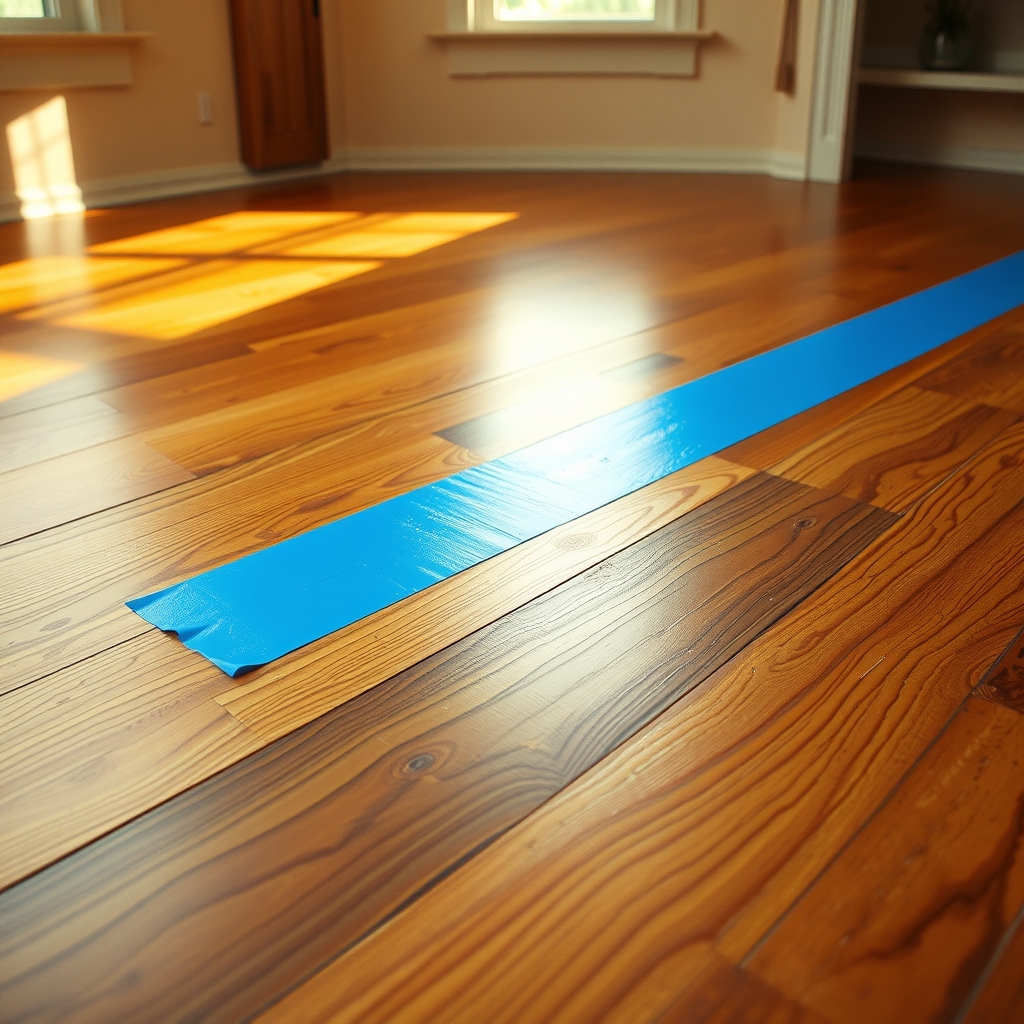
- Mark the loudest board with painter's tape
- Sweep talcum or baby powder into the seams and walk over them
- Wipe up the extra so the floor is not slippery
- If you can reach the underside, drive a short screw up through the subfloor
How long it lasts: Weeks to a season. Powder cuts friction between boards, but it does not hold a loose board down.
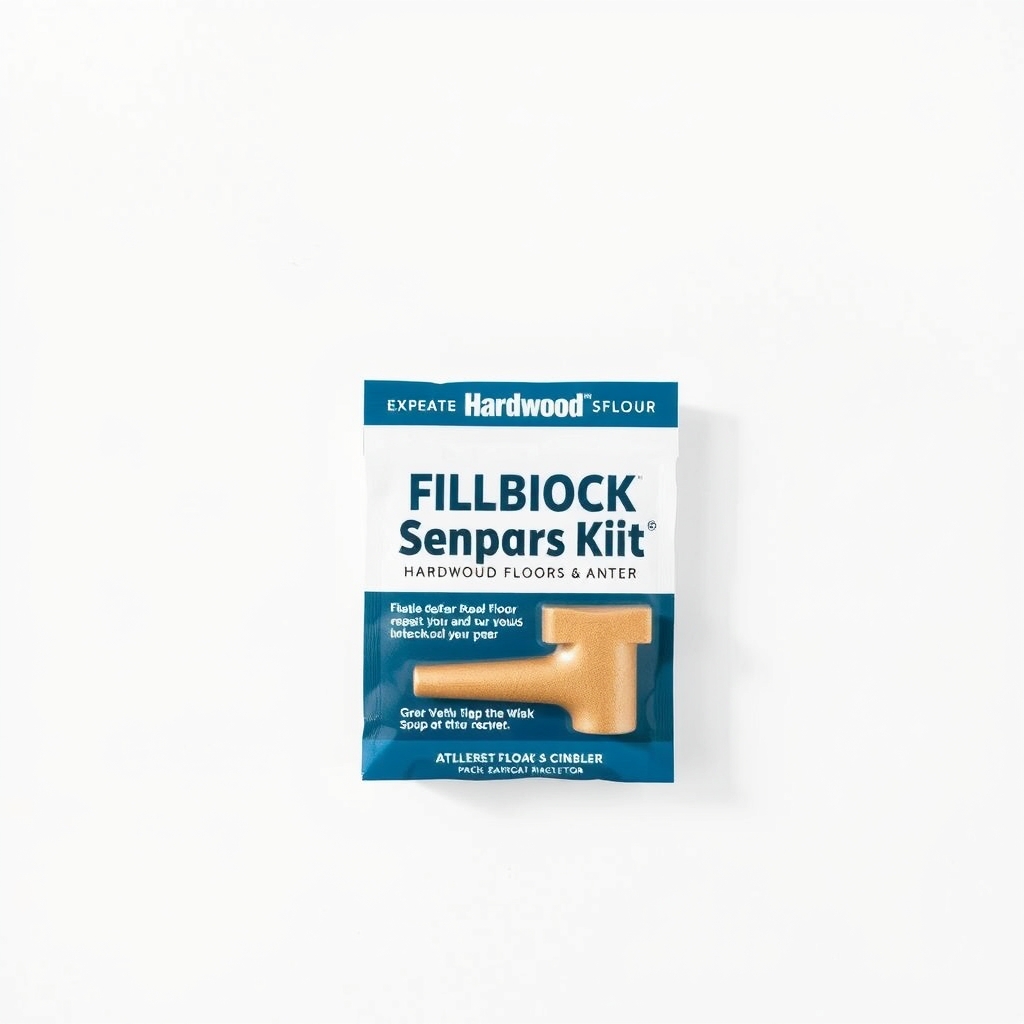
A hardwood floor squeak repair kit
A squeak nearly always means a board that moves when you step on it. The kit screws it down from above, through the board and subfloor into the joist, and the scored screw head snaps off below the surface. Powder only reduces friction. The screw ends the movement.
What to get: Hardwood floor squeak repair kit
How long it lasts: Years, as long as the board stays screwed to the joist.
As an Amazon Associate I earn from qualifying purchases.
What you'll need
-
Painter's tape
Marks the squeak and the joist line
You have it -
Talcum or baby powder
The cheapest first test
You have it - Illustration

Stud finder with joist detection
Finds the joist so the screw hits solid wood
- Our pick Illustration
Hardwood floor squeak repair kit
Scored screws, a depth guide and a bit for fixing from above
- Illustration
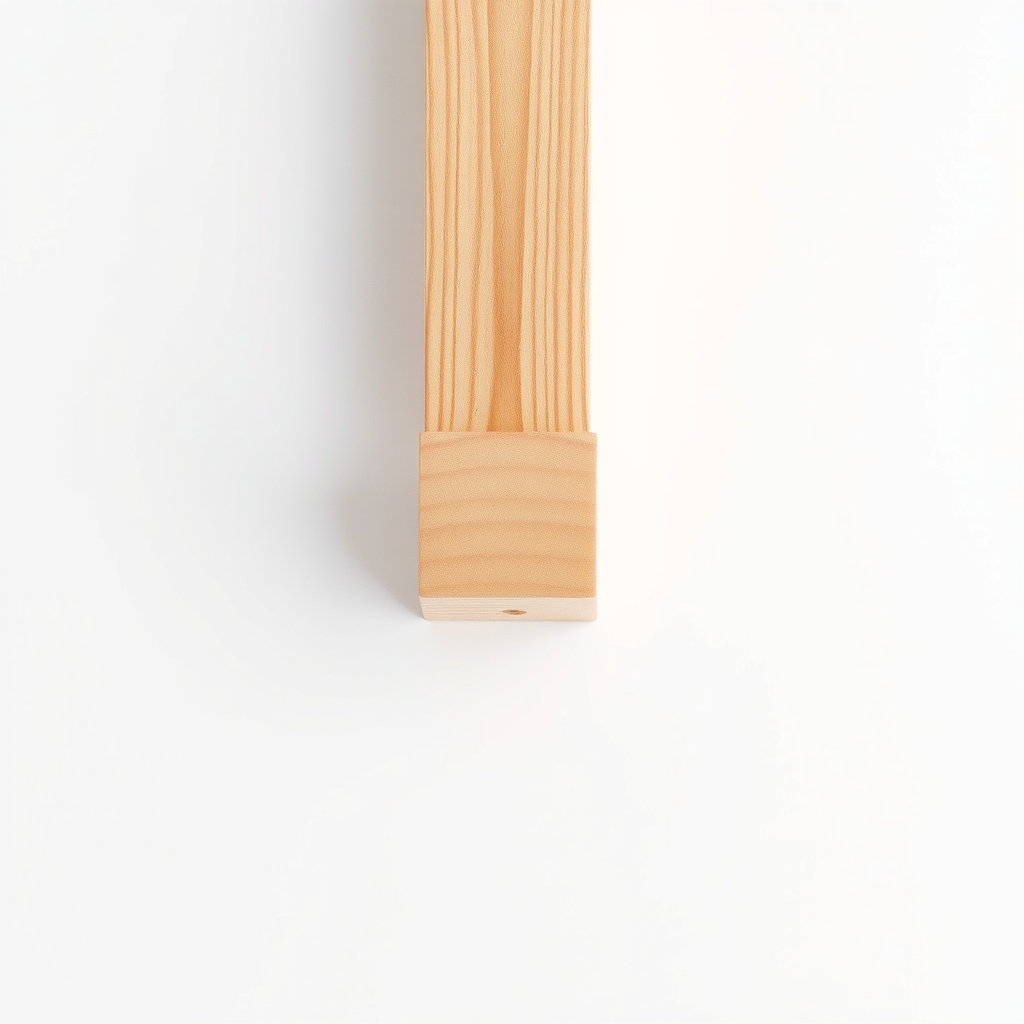
Wood shims
Only if you can see the underside of the floor
Why it happens
Boards rubbing each other
Tongue-and-groove boards shrink a little when the air is dry, and the joints rub as you step. That gives the classic creak, and it often returns every winter.
A loose board over a joist
Nails loosen over the years. A board that lifts a hair and drops back as you walk rubs the nail shank and squeaks on every step.
A gap between the subfloor and a joist
When the subfloor has pulled away from a joist, a whole panel flexes. You hear a wide, low squeak across several boards, not one spot.
Humidity swings
Wood swells in humid summers and shrinks in dry winters. A squeak that comes and goes with the season points to humidity, not damage.
Try this first (free)
Do these in order, starting with the simplest.
-
Find the exact spot
Tool used: Painter's tapeHave a helper walk slowly while you listen on your knees. Mark the loudest board with tape, then mark the joist line. Joists usually sit 16 inches apart, and a row of nail heads often shows where one runs.
-
Try powder in the seam
Tool used: Talcum or baby powderSprinkle talcum or baby powder along the seam, sweep it into the gap with a soft brush and walk on it. It fills the gap and cuts the friction. Wipe off the extra so the floor is not slippery.
-
Fix it from below if you can reach it
Tool used: Wood shimsIn an unfinished basement, have a helper stand on the squeak while you look up. If a gap shows between the subfloor and the joist, glue a wood shim and tap it in until snug. Do not hammer so hard that you lift the floor.
IllustrationCheck price on AmazonTool for this step
Wood shims · Only if you can see the underside of the floor
-
Find the joist before you screw from above
Tool used: Stud finder with joist detectionRun the stud finder across the marked board and mark both edges of the joist. The screw has to land in the middle of it, or it will just pull the board down against the subfloor and do little.
IllustrationCheck price on AmazonTool for this step
Stud finder with joist detection · Finds the joist so the screw hits solid wood
-
Screw the board down from above
Tool used: Hardwood floor squeak repair kitPre-drill, then drive a scored screw through the board into the joist with the kit's depth guide. Snap the head off just below the surface and fill the hole with color-matched filler.
IllustrationCheck price on AmazonTool for this step
Hardwood floor squeak repair kit · Scored screws, a depth guide and a bit for fixing from above
-
Add moisture in the dry months
If squeaks arrive every winter, aim for indoor humidity of about 30% to 50%. A cheap humidity meter shows where you are, and a humidifier in the dry months slows the shrinking.
When free fixes aren't enough
If powder works for a week and the squeak comes back, the board is moving, not just rubbing, and powder cannot hold it. A kit anchors the board to the joist so it stops moving, and you do not have to pull up any flooring. Stop and call a pro if the floor sags or feels bouncy, cracks run across several boards, or the squeaks come with water stains, cupped boards or a musty smell. Those point to a structural or moisture problem, and screws will not fix it.
Buy the fix
Still stuck after the free fixes? These are the products we would look at.
| Pick | Product | Fixes | Who it's for | Buy |
|---|---|---|---|---|
| Best pick | Hardwood floor squeak repair kit | a loose board that squeaks over a joist, repaired from above with no demolition | Anyone with a finished basement ceiling, a slab below or living space under the floor, where you cannot reach from underneath. | Check price |
| Budget pick | Wood shims for squeaks over a joist | a visible gap between the subfloor and a joist, repaired from below | Anyone who can see the underside of the floor in an unfinished basement or crawl space. | Check price |
Hardwood floor squeak repair kit
Fixes: a loose board that squeaks over a joist, repaired from above with no demolition
Look for: Scored screws that snap off below the surface; A depth guide or bit so you do not overdrive; Enough screws for a whole room, not one board; Color-matched filler or an easy way to fill the hole.
- Who it's for
- Anyone with a finished basement ceiling, a slab below or living space under the floor, where you cannot reach from underneath.
- Honest downside
- Your floor is thin engineered wood or glued straight to concrete. Screws can split it, so check the maker's instructions first.
Wood shims for squeaks over a joist
Fixes: a visible gap between the subfloor and a joist, repaired from below
Look for: Tapered cedar or pine shims; Thin enough to slide into a small gap; Wood glue to hold each one in place.
- Who it's for
- Anyone who can see the underside of the floor in an unfinished basement or crawl space.
- Honest downside
- You cannot reach the joists from below, or the gap is large. A kit works from above.
As an Amazon Associate I earn from qualifying purchases. We don't show prices because they change, so use the button to see today's price.
How we picked: How we picked: this page is based on flooring care guides, squeak-repair kit instructions, and the problems and fixes people report in owner reviews. We do not test products by hand.
How to fix hardwood floor squeaks: pick the method by what you can reach
- Unfinished basement or crawl space: shim the gap between the subfloor and the joist, or drive a short screw up through the subfloor into the board.
- Finished ceiling below or a slab: screw from above with a squeak repair kit, then fill the hole.
- Boards rubbing in a seam: sweep in talcum powder and wipe up the extra. This is the first thing to try on any floor.
What to skip
Oil, spray lubricants and extra nails through the top
Oil sprays soak into the wood, leave a slippery film and can stain the boards or make a later refinish harder. Powder is the safe lubricant. Skip hammering extra nails through the face of the floor too. They split boards, leave visible holes and rarely hold.
Frequently asked questions
Why does my hardwood floor creak?
Why do my hardwood floors squeak when I walk on them, and why does the floor make noise in only some spots?
How to stop hardwood floors from squeaking and creaking noises in winter?
How to stop hardwood floor from making noise if I cannot get under it?
When is a squeaky floor a sign of damage?
Related problems
 Free fix inside
Cleaning · Hardwood Floor
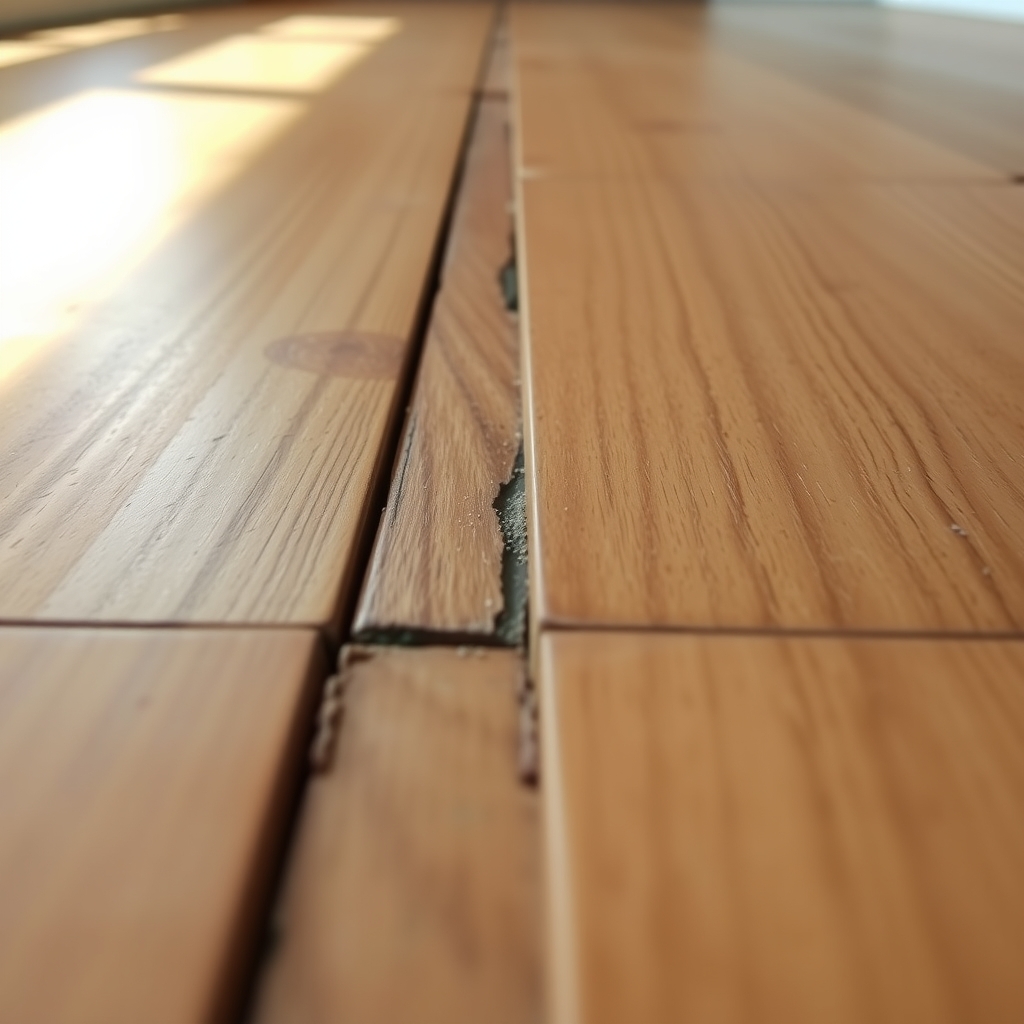
Hardwood Floor Gaps? Filler, Humidity Control, and When to Worry
Read the fix Free fix inside
Cleaning · Hardwood Floor Moisture
Hardwood Floor Cupping? Find the Moisture Source First
Read the fix Free fix inside
Air & Temperature · Floor Squeak
Squeaky Upstairs Floors? Quiet Them From Above, No Demo
Read the fix Free fix inside
Cleaning · Carpeted Stairs
Carpeted Stairs Creaking? A Kit Quiets Them From Above, No Tear-Out
Read the fixAs an Amazon Associate I earn from qualifying purchases. Affiliate disclosure