Hardwood Floor Gaps? Filler, Humidity Control, and When to Worry
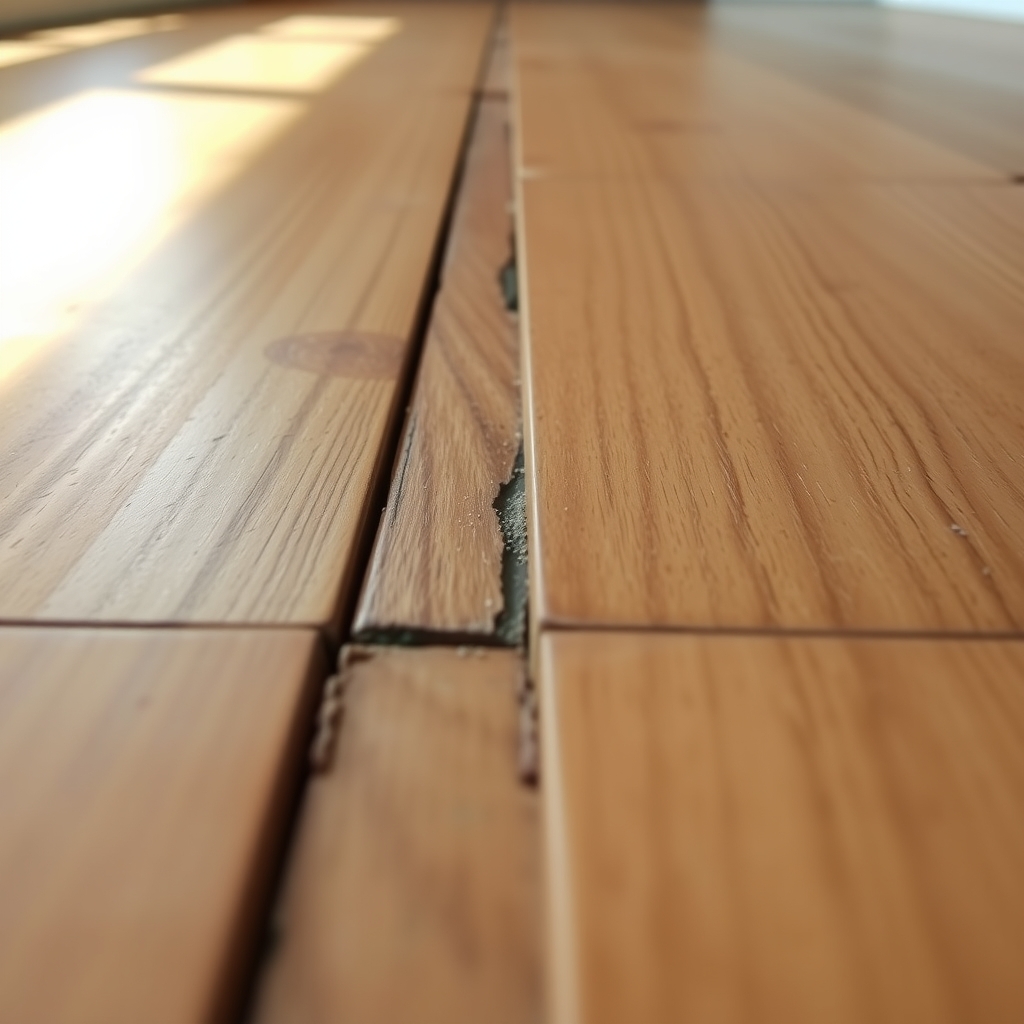
Dry air shrinks boards and opens gaps. Steady the humidity first, then fill the gaps that stay with a flexible filler. Wide or cupped boards need a pro.
By Jamilur Rahman Updated November 5, 2026 · 7 min read
- Time
- 1 hour, plus 2 weeks
- Cost
- $20-$50
- Difficulty
- Medium
In this guide
Quick answer
Hardwood boards shrink when indoor air gets dry, usually in winter, and that opens gaps. Thin gaps that close again in humid months are normal. Check your humidity, keep it steady for a couple of weeks, then fill the gaps that stay open with a flexible gap filler. Never use rigid putty. Wide gaps, cupped boards or a musty smell point to moisture, so call a flooring pro.
Free fix vs. permanent fix
Steady the humidity and vacuum the gaps
- Measure the room's humidity and aim for your floor maker's range, often about 30 to 50 percent
- Add moisture in dry months and hold it steady for 2 to 3 weeks
- Vacuum the gaps with a crevice tool so grit does not pack in
- Fill only the gaps that stay open
How long it lasts: Seasonal gaps often narrow by themselves. It will not close a gap where boards have shrunk for good.
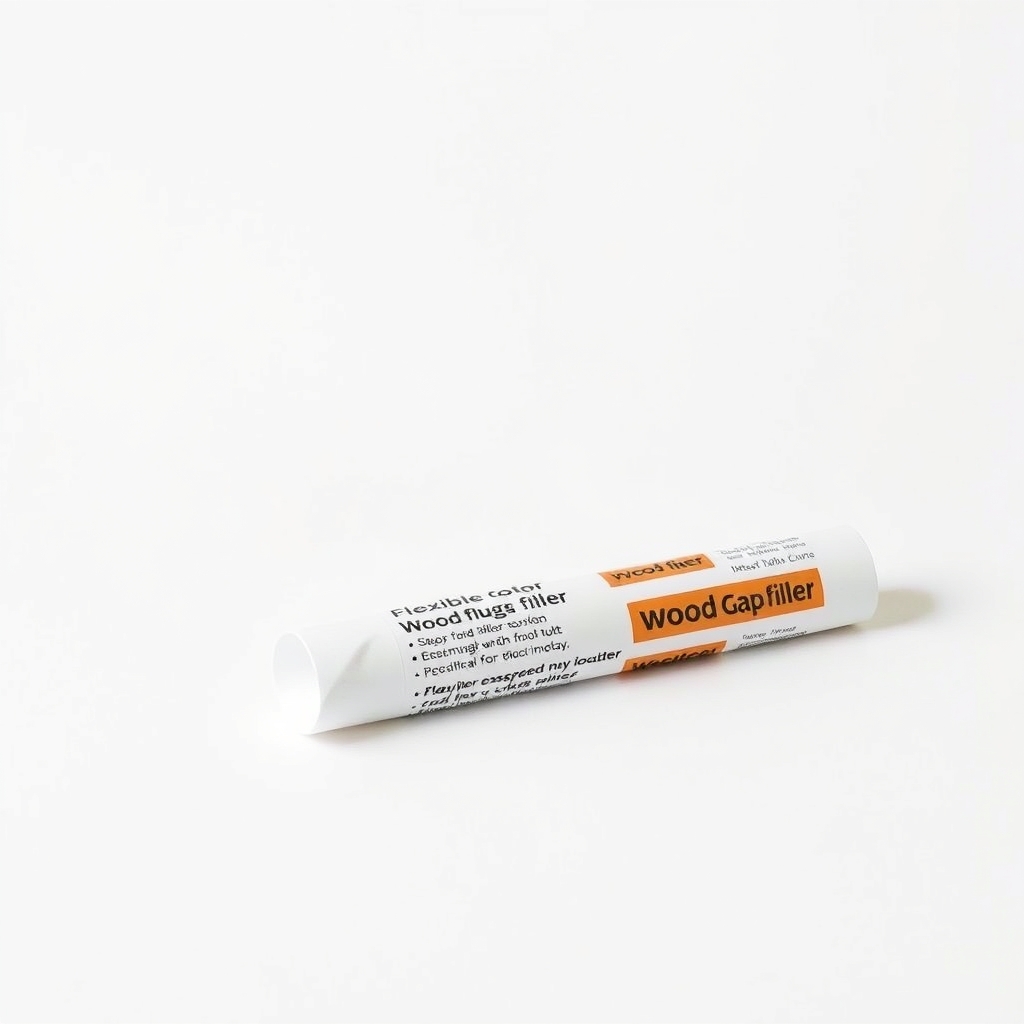
A flexible wood floor gap filler
Boards move with the seasons. Rigid putty cannot, so it cracks and pops out. A flexible filler stretches and compresses with the boards, which keeps dirt out of the gap and keeps the floor looking tidy.
What to get: Flexible wood floor gap filler
How long it lasts: Years if humidity stays steady. The filler moves with the boards instead of cracking out.
As an Amazon Associate I earn from qualifying purchases.
What you'll need
-
Vacuum with crevice tool
Pulls dust and grit out of the gaps before you fill
You have it -
Humidifier
Any clean one works; a built-in humidistat holds the level for you
You have it -
Painter's tape
Keeps filler off the board faces
You have it -
Putty knife
To press the filler in and wipe the excess
You have it - Illustration
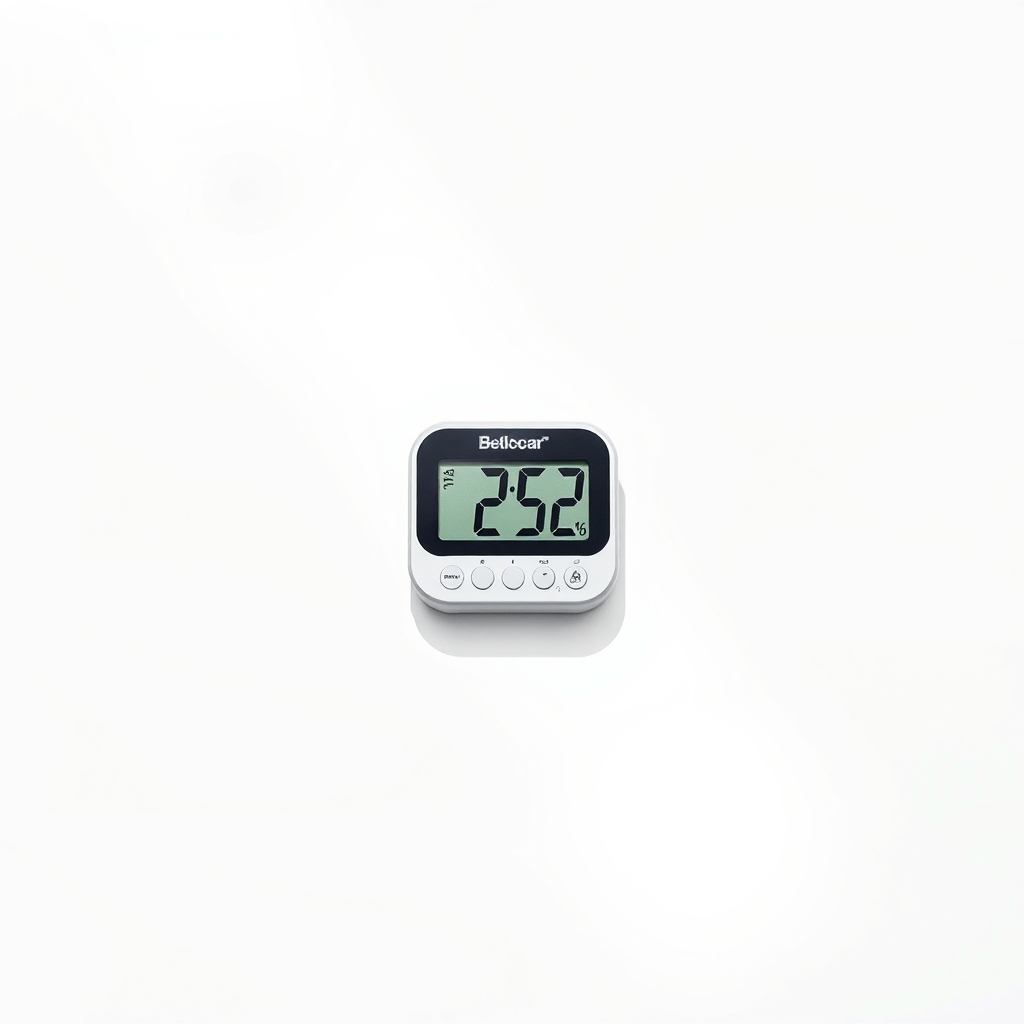
Digital hygrometer
Shows your real indoor humidity
- Our pick Illustration
Flexible wood floor gap filler
Pick a color close to your floor
Why it happens
Dry indoor air
Wood gives up moisture when the air is dry, and it shrinks across the grain. Heating in winter often drops indoor humidity well below what a hardwood floor likes.
Natural seasonal movement
Boards swell in humid months and shrink in dry ones. Wide planks move more than narrow strips, so gaps look bigger on wide-plank floors.
Heat close to the floor
Vents, radiant heating and sun through a big window dry the boards near them faster. Gaps often show up first in those spots.
A moisture or installation problem
Gaps with cupping, lifted boards, soft spots or a musty smell point to moisture, not dry air. Gaps in the first year can mean the wood was not acclimated to the house before it was installed.
Try this first (free)
Do these in order, starting with the simplest.
-
Measure the room's humidity
Tool used: Digital hygrometerPlace a hygrometer in the middle of the room, away from vents, and check it morning and night. Compare it to your floor maker's recommended range. About 30 to 50 percent is common.
IllustrationCheck price on AmazonTool for this step
Digital hygrometer · Shows your real indoor humidity
-
Add moisture if the air is dry
Tool used: HumidifierIf the reading is below your range, run a humidifier in the room and keep the level steady. Clean the humidifier as its manual says, because a dirty one spreads mold.
-
Vacuum out the gaps
Tool used: Vacuum with crevice toolRun a crevice tool along each gap to lift dust, grit and pet hair. Grit packed into a gap can chip the board edges when you walk on it.
-
Wait two to three weeks
Hold the humidity steady and watch the gaps. Seasonal gaps often narrow. Fill only the ones that stay open, because filling a gap that would close can force the boards upward.
-
Tape the edges and fill the gap
Tool used: Flexible wood floor gap fillerTest your filler color in a hidden spot. Tape both sides of the gap, press the filler in with a putty knife, wipe off the excess and peel the tape before the filler skins over. Follow the product's directions.
IllustrationCheck price on AmazonTool for this step
Flexible wood floor gap filler · Pick a color close to your floor
When free fixes aren't enough
If gaps stay open after the humidity is steady, the boards have shrunk for good, or were laid with room to spare. Flexible filler closes them, keeps dirt out and is gentler on the boards than rigid putty. Filler will not fix cupped boards, boards that lift, gaps wider than about 1/8 inch that keep widening, or a musty smell. Those signal moisture or a failing install. Call a flooring pro. Very wide gaps are usually fixed by gluing in thin wood slivers.
Buy the fix
Still stuck after the free fixes? These are the products we would look at.
| Pick | Product | Fixes | Who it's for | Buy |
|---|---|---|---|---|
| Best pick | Flexible wood floor gap filler | open gaps that collect dirt and look worse each winter | Homeowners with narrow gaps, about 1/16 to 1/8 inch, that stay open after the humidity is steady. | Check price |
| Budget pick | Digital hygrometer | guessing about dry air, the usual cause of seasonal gaps | Anyone who sees gaps open in winter and does not know their real room humidity. | Check price |
| Upgrade pick | 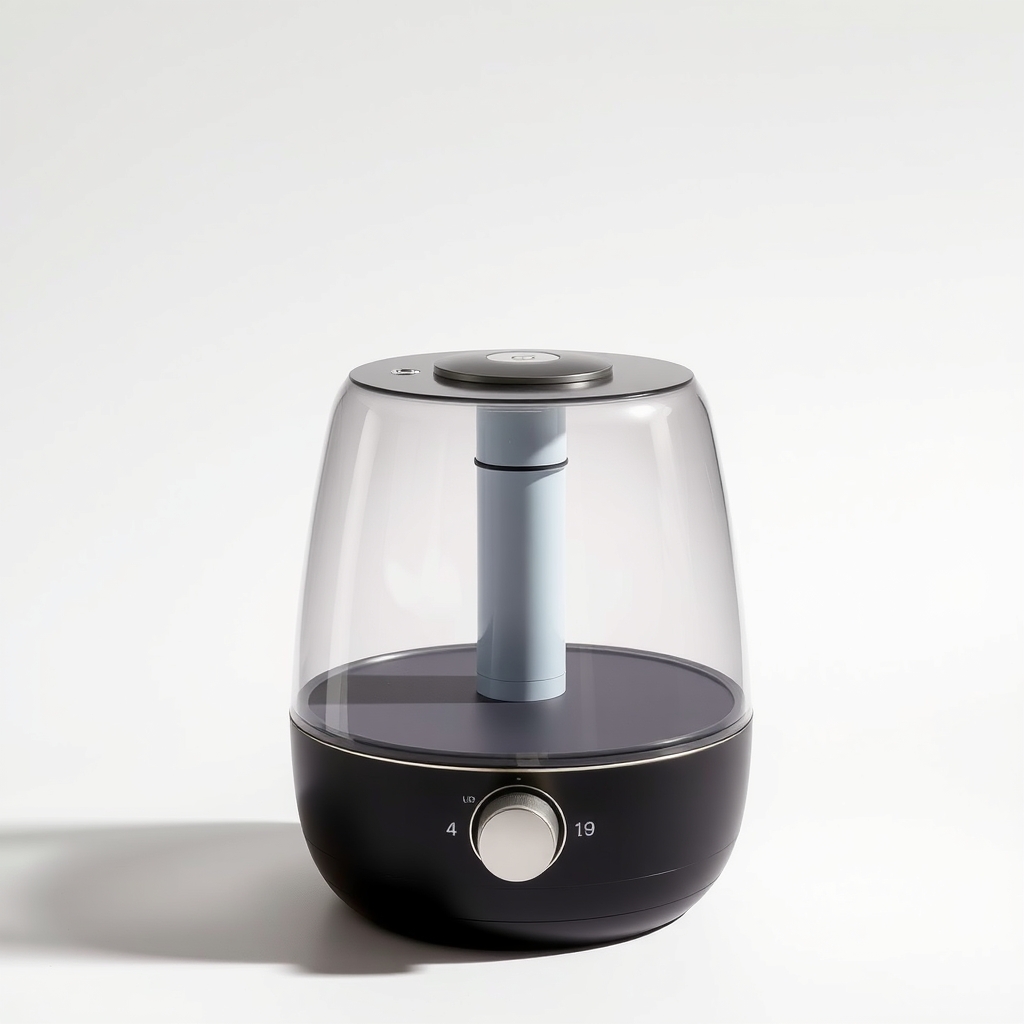 Humidifier with a built-in humidistat | dry winter air, the cause of most seasonal gaps | Homes with forced-air heat where humidity falls below 30 percent in winter. | Check price |
Flexible wood floor gap filler
Fixes: open gaps that collect dirt and look worse each winter
Look for: Stays flexible after curing, so it moves with the boards; A color you can match to your floor; Made for hardwood floors, according to the maker; A tube or nozzle that fits narrow gaps.
- Who it's for
- Homeowners with narrow gaps, about 1/16 to 1/8 inch, that stay open after the humidity is steady.
- Honest downside
- The gaps are wider than 1/8 inch, the boards are cupped or lifting, or the gaps close fully in summer. Do not fill gaps that close on their own.
Digital hygrometer
Fixes: guessing about dry air, the usual cause of seasonal gaps
Look for: A humidity readout in percent; Accuracy within a few percent, stated in the listing; A replaceable battery.
- Who it's for
- Anyone who sees gaps open in winter and does not know their real room humidity.
- Honest downside
- You already have a thermostat or humidistat readout you trust.
Humidifier with a built-in humidistat
Fixes: dry winter air, the cause of most seasonal gaps
Look for: A humidistat that holds your chosen level; A tank and output sized for the room; A tank that is easy to clean; Automatic shutoff when the tank is empty.
- Who it's for
- Homes with forced-air heat where humidity falls below 30 percent in winter.
- Honest downside
- Your humidity is already in range, or you will not clean it often. A dirty humidifier spreads mold.
As an Amazon Associate I earn from qualifying purchases. We don't show prices because they change, so use the button to see today's price.
How we picked: How we picked: this page is based on hardwood floor care guides from flooring groups and makers, humidity guidance for wood floors, and what owners report in reviews of gap fillers and hygrometers. We do not test products by hand.
Normal gap or problem?
- Normal: thin, even gaps between many boards, widest in winter, and narrowing again in humid months.
- Worry: cupping, where the board edges are higher than the middle, or crowning, where the middle is higher.
- Worry: boards that lift, buckle or feel soft, dark staining, or a musty smell.
- Worry: gaps wider than about 1/8 inch that keep widening, or gaps that appeared within months of installation.
Which floors move the most
Wide planks move more than narrow strips. Floors near vents, over radiant heating or in sunny rooms dry faster, so gaps show up there first. A steady humidity level matters more than any single product.
What to skip
Rigid putty and sawdust-and-glue mixes
Hard fillers cannot move. When the boards swell in the humid season, a rigid fill pops out or pushes against the boards and can lift their edges. Use a flexible filler made for floors.
Frequently asked questions
Are gaps in hardwood floors normal?
How do I fix hardwood floors that are separating?
What humidity is best for a hardwood floor?
Will the gaps close on their own?
Related problems
As an Amazon Associate I earn from qualifying purchases. Affiliate disclosure