Baseboards Not Flush With the Floor? Shoe Molding Hides the Gap
A gap under the baseboard means the floor dips or the board has lifted. Find out which, then cover the gap with shoe molding in an afternoon.
By Jamilur Rahman Updated November 5, 2026 · 7 min read
- Time
- 2 hours
- Cost
- $20-$50
- Difficulty
- Medium
In this guide
Quick answer
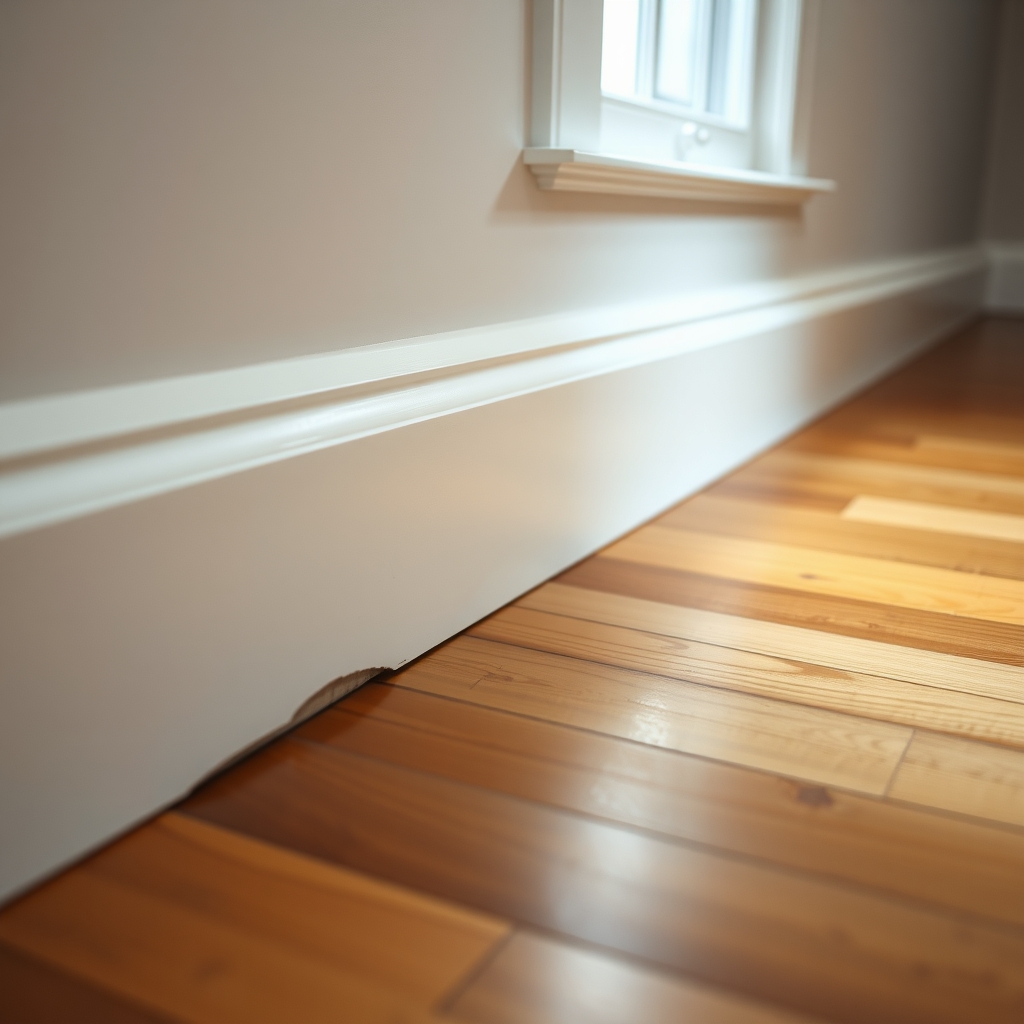
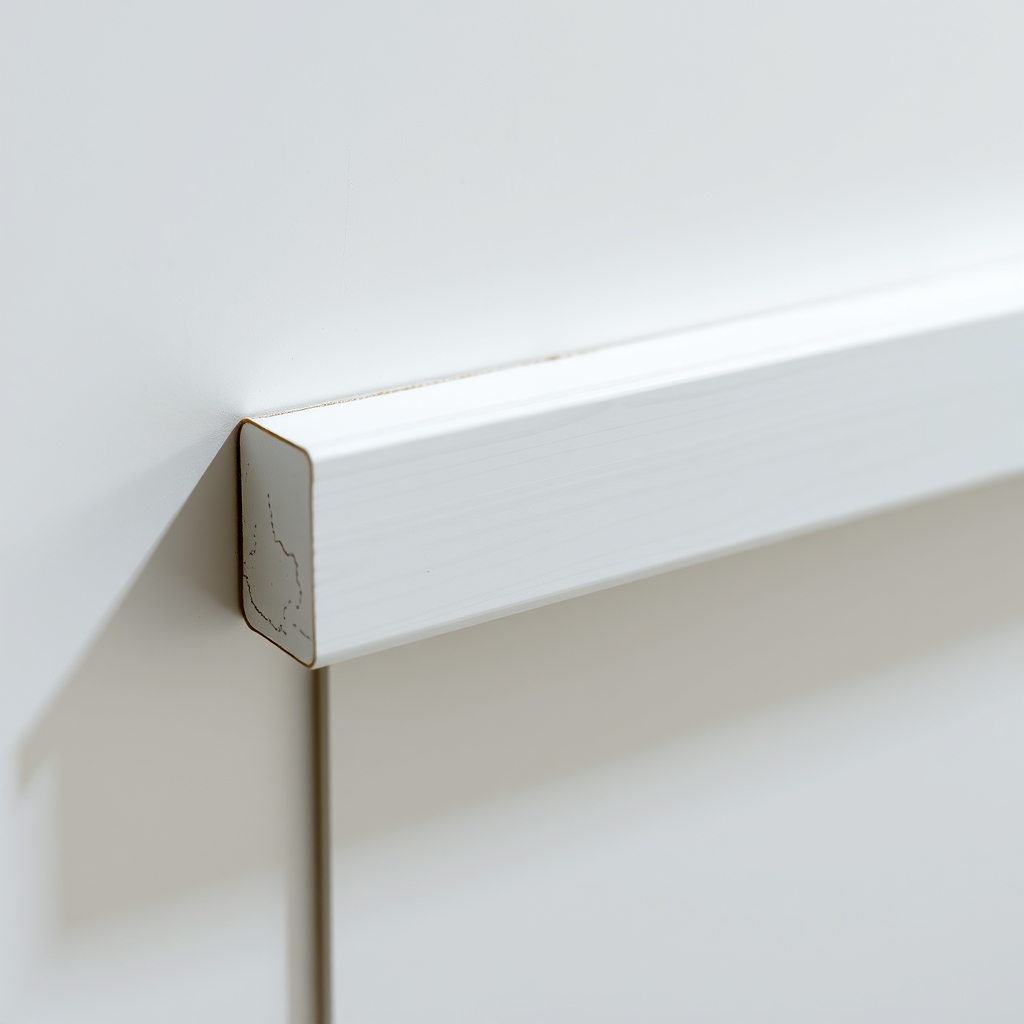
Baseboards leave a gap because the floor is uneven, or because the board has lifted off its nails. If the board is loose, re-nail it into the studs. If the floor dips, which is the usual reason, do not force the board down. Cover the gap with shoe molding, a thin strip nailed to the baseboard and painted to match. It hides small and medium gaps and lets the floor move behind it.
Free fix vs. permanent fix
Check, re-nail and measure
- Press along the board to find loose spots
- Re-nail loose sections into the wall studs
- Lay a level on the floor to see if it dips
- Measure the widest part of the gap
How long it lasts: Permanent if the board had simply lifted. It does nothing for a gap caused by a dip in the floor.

Primed shoe molding nailed to the baseboard
A dip in the floor will not close no matter how hard you push the baseboard down. Shoe molding sits in front of the gap and covers it instead of fighting it. Nailed to the baseboard and not the floor, it also leaves the floor free to expand and shrink.
What to get: Primed shoe molding
How long it lasts: Years. It follows the floor, and the gap stays hidden when the floor shifts with the seasons.
As an Amazon Associate I earn from qualifying purchases.
What you'll need
-
Tape measure and level
To find the widest gap and see whether the floor dips
You have it -
Hammer and 1.5-inch finish nails
Buy a small box of nails if you have none
You have it - Illustration
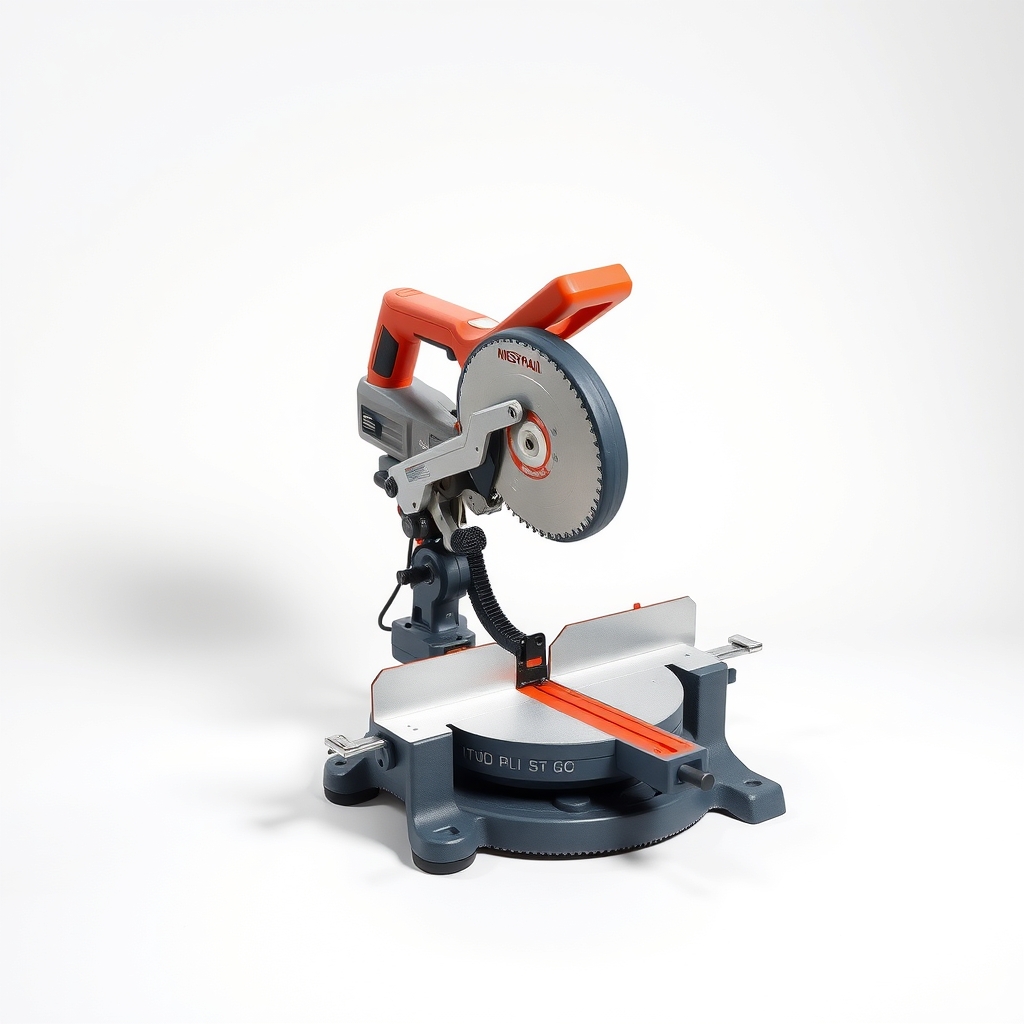
Miter box and hand saw
Makes clean 45-degree corner cuts
- Our pick Illustration
Primed shoe molding
Choose a height that covers your widest gap
- Illustration
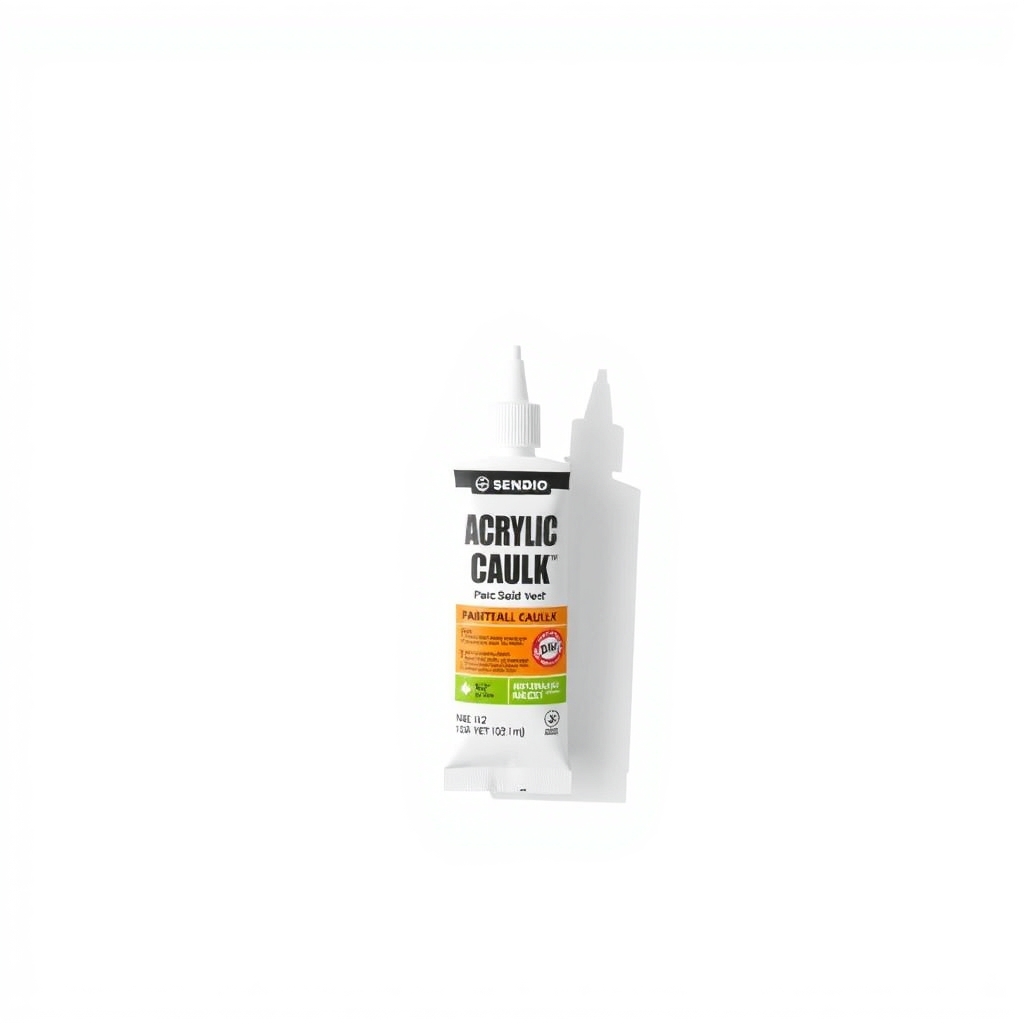
Paintable caulk
Seals the top seam, and can close hairline gaps alone
- Illustration
Flexible shoe molding
Bends to follow wavy floors
Why it happens
A floor that dips or slopes
Floors are rarely flat. Joists settle and subfloors sag, and a dip of a quarter inch over a few feet is common. The baseboard stays straight, so a gap opens wherever the floor falls away.
A deliberate expansion gap
Floating floors such as laminate and vinyl plank need a small gap at the wall so they can expand. Installers often leave it uncovered, expecting shoe molding to go on later.
A baseboard that lifted
Nails work loose as framing dries and shifts, or after a hard bump. The bottom edge then lifts, usually in short stretches rather than along the whole wall.
A warped or swollen board
A bowed board that lifts at one end, especially if it feels soft or looks stained, points to water. Find and fix the leak before you cover anything.
Try this first (free)
Do these in order, starting with the simplest.
-
Find out whether the board or the floor is the problem
Tool used: Tape measure and levelPress down and push along the baseboard. If it moves or clicks, it is loose. If it is firm and the gap stays, the floor dips. Lay a level on the floor beside the wall to confirm.
-
Measure the gap in several spots
Tool used: Tape measure and levelCheck every few feet and note the widest point. A gap under about a quarter inch is easy to cover. Over about half an inch, you need a taller profile such as quarter round.
-
Re-nail any loose board
Tool used: Hammer and 1.5-inch finish nailsFind the studs, which are usually 16 inches apart. Drive finish nails through the board into each stud, and sink the heads just below the surface. This alone fixes a board that simply lifted.
-
Cut the shoe molding to fit
Tool used: Miter box and hand sawCut outside corners at 45 degrees. Inside corners can be 45-degree miters, or you can cope one piece to fit the other. Pre-paint the pieces before you nail them up, since it is much easier to paint flat on a bench.
IllustrationCheck price on AmazonTool for this step
Miter box and hand saw · Makes clean 45-degree corner cuts
-
Nail the molding to the baseboard
Tool used: Primed shoe moldingHold each piece against the baseboard and the floor. Nail every 16 inches into the baseboard, angled slightly downward. Never nail into the floor, or you can trap a floating floor and make it buckle.
IllustrationCheck price on AmazonTool for this step
Primed shoe molding · Choose a height that covers your widest gap
-
Fill, caulk and touch up
Tool used: Paintable caulkFill the nail holes with wood filler. Run a thin bead of paintable caulk along the top edge of the molding, smooth it with a damp finger, and touch up the paint.
IllustrationCheck price on AmazonTool for this step
Paintable caulk · Seals the top seam, and can close hairline gaps alone
When free fixes aren't enough
Re-nailing only helps a board that has lifted. If the floor dips, the gap stays, and caulk alone will crack because the gap changes width as the floor moves. Shoe molding fixes that by covering the gap rather than closing it. Wavy floors can defeat stiff wood strips, which leave small gaps again at each dip, so a flexible profile is worth the extra cost there. Have the cause checked before you cover anything if the gap is wider than about three-quarters of an inch, the floor slopes noticeably or feels bouncy, or the board is soft and stained from water.
Buy the fix
Still stuck after the free fixes? These are the products we would look at.
| Pick | Product | Fixes | Who it's for | Buy |
|---|---|---|---|---|
| Best pick | Primed shoe molding | a gap along the bottom of the baseboard on a dipping floor | Most people with an uneven floor, or an expansion gap under the baseboard. | Check price |
| Budget pick | Paintable acrylic latex caulk | hairline gaps that stay about the same width | Someone with a small, even gap of about an eighth of an inch or less. | Check price |
| Upgrade pick | Flexible shoe molding | wavy floors where stiff strips leave new gaps | Rooms with visible dips, a rolling floor or curved walls. | Check price |
Primed shoe molding
Fixes: a gap along the bottom of the baseboard on a dipping floor
Look for: Primed and ready to paint, so you skip a step; Straight pieces, so check along the length by eye before you buy; A height that covers your widest gap with a little to spare.
- Who it's for
- Most people with an uneven floor, or an expansion gap under the baseboard.
- Honest downside
- Your gap is wider than the molding is tall. Choose a taller profile such as quarter round, or ask a carpenter to scribe the board.
Paintable acrylic latex caulk
Fixes: hairline gaps that stay about the same width
Look for: Paintable and flexible after it cures; Labeled for trim and baseboards; White, or a color that matches your trim.
- Who it's for
- Someone with a small, even gap of about an eighth of an inch or less.
- Honest downside
- The gap changes width along the wall, or is wider than about a quarter inch. Caulk shrinks and cracks there.
Flexible shoe molding
Fixes: wavy floors where stiff strips leave new gaps
Look for: Bends to follow wavy floors and curved walls; Paintable and moisture-resistant; Sold in long lengths, so you need fewer joints.
- Who it's for
- Rooms with visible dips, a rolling floor or curved walls.
- Honest downside
- Your floor is flat enough for a straight strip. Flexible trim costs more per foot.
As an Amazon Associate I earn from qualifying purchases. We don't show prices because they change, so use the button to see today's price.
How we picked: How we picked: this page is based on trim installation guides, flooring makers' advice on expansion gaps, and the problems and fixes people report in reviews of molding and caulk. We do not test products by hand.
Corners without gaps
- Outside corners: cut each piece at 45 degrees so the two meet in a point.
- Inside corners: a 45-degree miter works if the wall is square. A coped joint, where one piece is shaped to fit the face of the other, stays tight even if the corner is slightly off.
- Ends: cut a 45-degree return on any end that stops in open space, so the profile turns back to the wall.
Paint before you nail
Prime and paint the molding on a bench or sawhorses first, then touch up only the nail holes and the seams once it is up. You will get a cleaner line than you would painting along a floor edge, and you will not drip on the floor.
What to skip
Forcing the board down or filling the gap with foam
Hammering a baseboard down against a dip tends to split the board or pop it loose again. Expanding foam does not hold paint well and swells unevenly. Cover the gap instead of trying to close it.
Frequently asked questions
Why are my baseboards not touching the floor?
Is shoe molding the same as quarter round?
Should I nail shoe molding to the floor or the baseboard?
How do I fix baseboards on uneven floors without new trim?
Related problems
As an Amazon Associate I earn from qualifying purchases. Affiliate disclosure