Carpeted Stairs Creaking? A Kit Quiets Them From Above, No Tear-Out
Creaks come from loose treads rubbing the framing. Fix it from underneath if you can reach it, or use a repair kit from above, with no carpet tear-out.
By Jamilur Rahman Updated November 5, 2026 · 6 min read
- Time
- 30 min
- Cost
- $20-$50
- Difficulty
- Medium
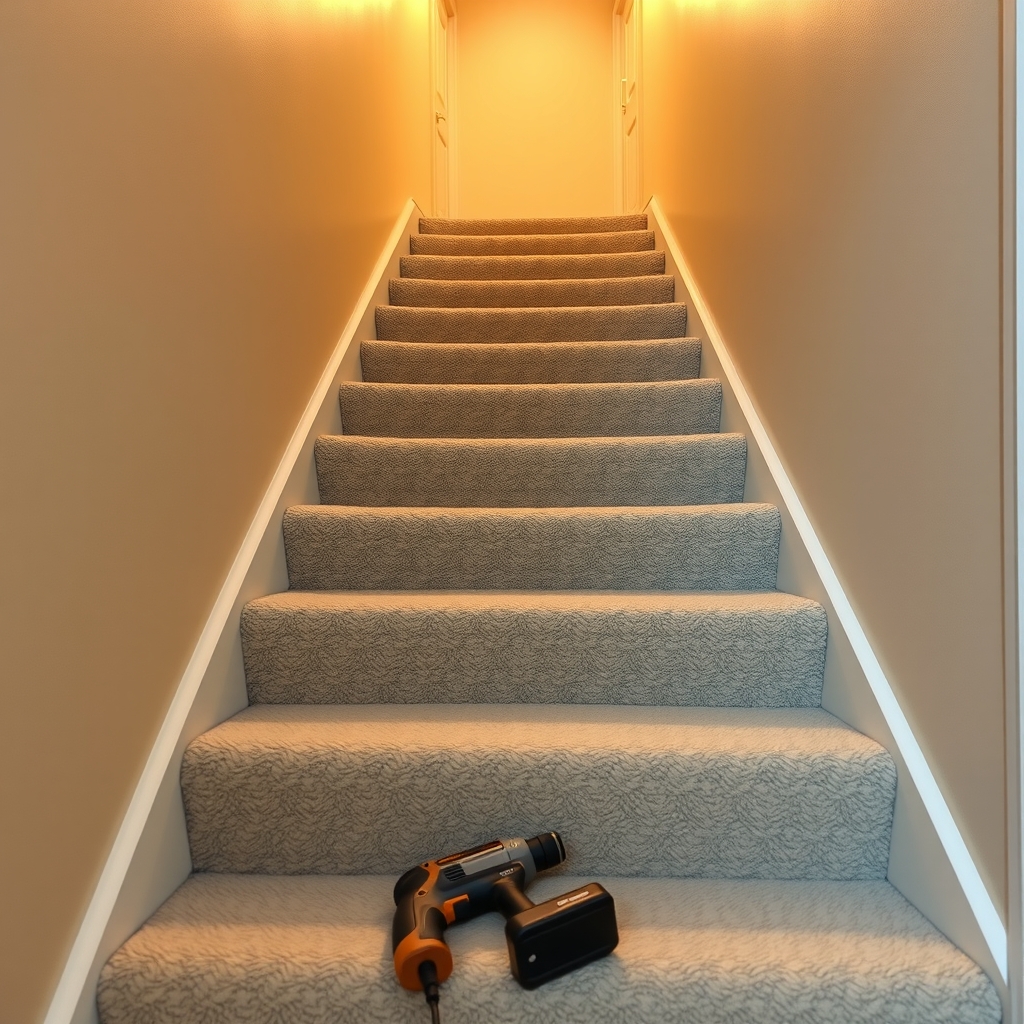
In this guide
Quick answer
Stairs creak when a loose tread rubs against the riser, the stringer or a nail. If you can reach the underside, a dab of wood glue and a wood shim in the gap is the free fix. If the stairs are enclosed, a stair squeak repair kit pulls the tread tight from above, through the carpet, with no tear-out. If a tread moves a lot, cracks or feels unsafe, call a carpenter.
Free fix vs. permanent fix
Glue and a shim from underneath
- Find the exact noisy step with a helper listening
- From below, squeeze wood glue into the gap between tread and riser
- Tap in a thin wood shim until it fills the gap, then wipe off extra glue
- Powder only hides a squeak for a few weeks
How long it lasts: Years if you can reach the gap. If you cannot get under the stairs, this option is not open to you.
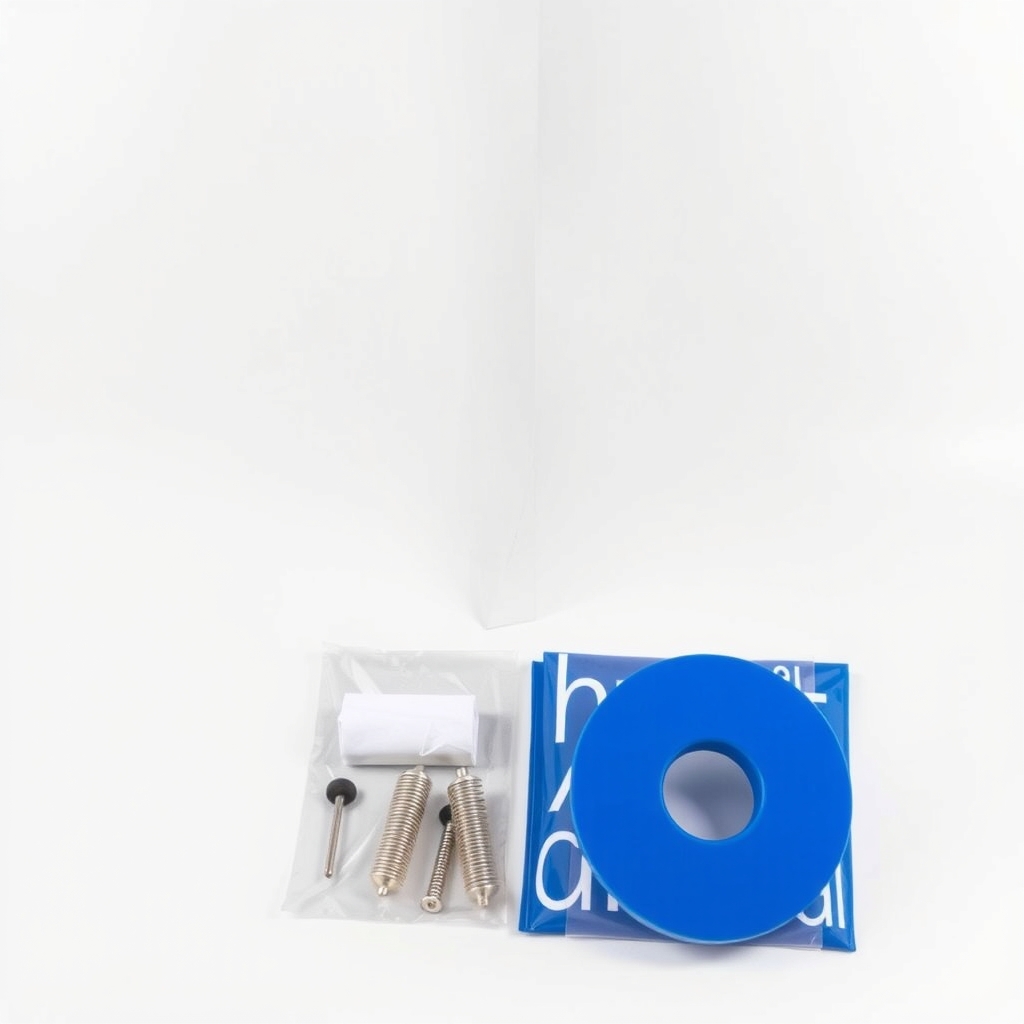
A stair squeak repair kit for carpeted stairs
Most carpeted stairs have a ceiling or wall underneath, so the glue-and-shim route is closed. A kit's screws are made to be driven through the carpet and tread into the framing, so the tread is pulled tight and the carpet stays in place.
What to get: Stair squeak repair kit for carpeted stairs
How long it lasts: Years. It pulls the loose tread tight to the framing, which is the cause of the creak.
As an Amazon Associate I earn from qualifying purchases.
What you'll need
-
Flashlight
For checking the underside of the stairs
You have it -
Safety glasses
Wear them whenever you drill
You have it -
Cordless drill
The kit's bit and driver fit a standard drill
You have it - Our pick Illustration
Stair squeak repair kit
Choose one made for carpeted stairs
- Illustration
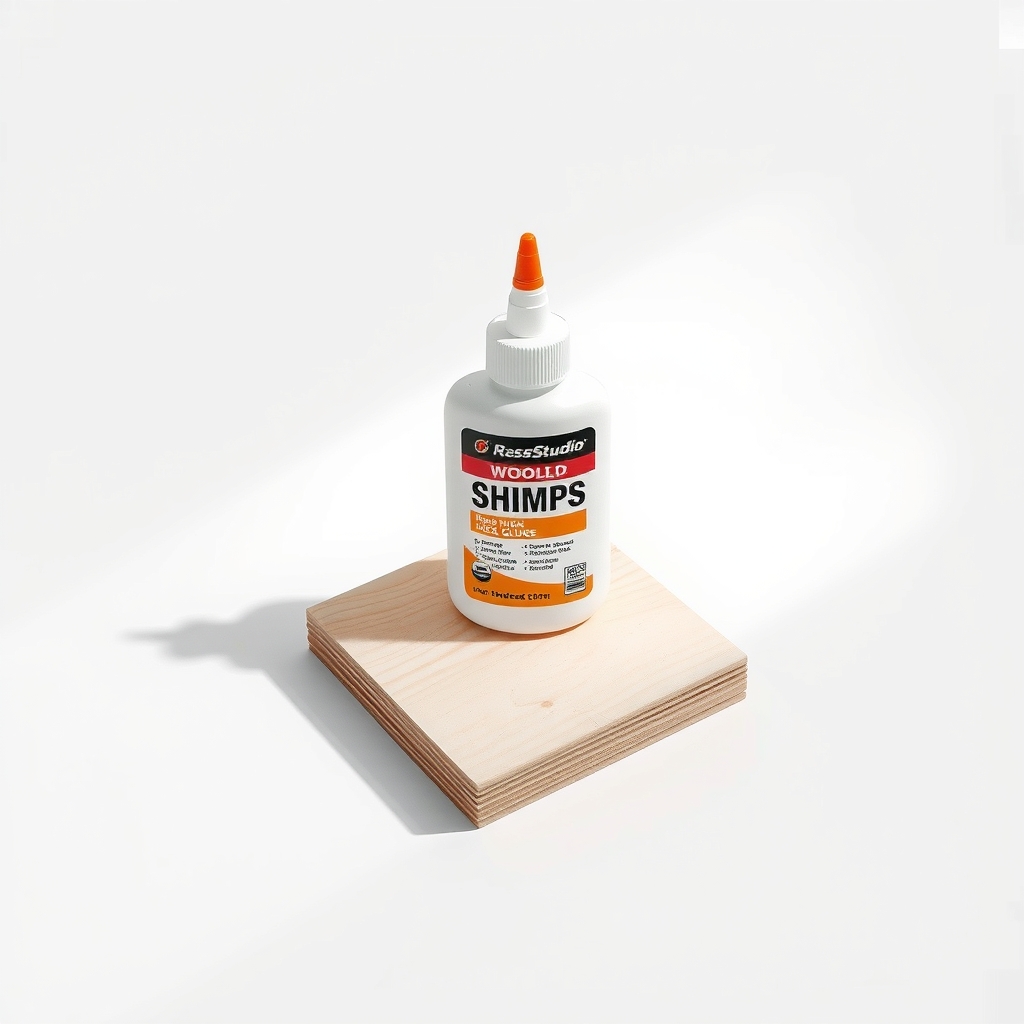
Wood shims and wood glue
For stairs you can reach from underneath
Why it happens
Tread rubbing on the riser
A stair is a wood tread resting on a riser and a stringer. As wood dries and shrinks, the joints loosen. The tread then rubs the riser when you step, and that is the squeak.
Nails working loose
The nails that hold a tread to the stringer back out a little with years of use. The tread flexes and creaks along the sides.
Seasonal gaps
Dry winter air shrinks wood and opens gaps. A stair that is quiet in summer may squeak in winter.
A missing glue block
Small triangular blocks under the stairs help hold treads and risers together. When one falls off, the joint above it can move and squeak.
Try this first (free)
Do these in order, starting with the simplest.
-
Find the exact noisy step
Have a helper step on each stair slowly while you listen. Mark each noisy one with a piece of tape on the wall. Note whether the sound comes from the middle, back edge or side of the tread.
-
Check whether the tread moves
Press on the tread with your hand. If it moves a visible amount, feels spongy or you can see a crack, stop. That is a safety issue for a carpenter, not a squeak fix.
-
Fix from underneath if you can reach it
Tool used: FlashlightIn a basement or open stair, look at the gap between tread and riser. Squeeze in wood glue, tap in a thin shim until the gap closes and wipe off extra glue. Powder in the gap quiets it for a few weeks only.
-
Protect your eyes and check what is below
Tool used: Safety glassesIf you must drill from above, wear safety glasses. Stair walls and ceilings can hide wiring or pipes, so use only the screw lengths in the kit.
-
Use the kit from above
Tool used: Stair squeak repair kitPress the carpet along the squeak to find the framing under the tread. Follow the kit's directions to drive its screw through the carpet and tread into the framing, which pulls the tread tight. The screw ends below the carpet surface and the pile covers the hole.
IllustrationCheck price on AmazonTool for this step
Stair squeak repair kit · Choose one made for carpeted stairs
-
Test and add a second screw if needed
Tool used: Cordless drillWalk the stair again. If it still squeaks, add another screw a few inches along the tread, using the same method.
When free fixes aren't enough
Glue and shims only work when you can reach the underside, and most carpeted stairs are enclosed by a ceiling or wall. Powder wears off within weeks. A kit lets you pull the tread tight from the top without tearing up the carpet. It will not fix a cracked tread, a tread that moves a lot, a loose handrail or a split stringer. A squeak is only annoying, but a stair that gives under you is dangerous. Stop using it and call a carpenter.
Buy the fix
Still stuck after the free fixes? These are the products we would look at.
| Pick | Product | Fixes | Who it's for | Buy |
|---|---|---|---|---|
| Best pick | Stair squeak repair kit for carpeted stairs | squeaking stairs from above, without tearing out the carpet | Anyone with carpeted stairs that are enclosed or hard to reach from below. | Check price |
| Budget pick | Wood shims and wood glue | gaps between tread and riser, from below | People whose stairs are open or accessible from a basement or closet. | Check price |
Stair squeak repair kit for carpeted stairs
Fixes: squeaking stairs from above, without tearing out the carpet
Look for: Screws made to be driven through carpet and tread, with a depth-control tool or driver; A drill bit that matches the screws; Clear directions for finding the framing under the tread; Enough screws for your whole staircase, or a refill pack.
- Who it's for
- Anyone with carpeted stairs that are enclosed or hard to reach from below.
- Honest downside
- You can easily get under the stairs. Shims and glue cost less. Also skip it if a tread is cracked or moves a lot. That needs a carpenter.
Wood shims and wood glue
Fixes: gaps between tread and riser, from below
Look for: Thin, tapered wood shims that will not split; Interior wood glue; A small brush or rag to wipe off the extra.
- Who it's for
- People whose stairs are open or accessible from a basement or closet.
- Honest downside
- The underside of your stairs is closed in with drywall or boards. This fix needs access.
As an Amazon Associate I earn from qualifying purchases. We don't show prices because they change, so use the button to see today's price.
How we picked: How we picked: this page is based on stair carpentry guides, product directions from stair squeak kit makers, and what owners report in reviews of repair kits and shims. We do not test products by hand.
What the sound tells you
- Middle of the tread: the tread rubbing on the riser, or a missing support under it.
- Side of the tread: the tread moving against the stringer, or a loose nail.
- Back edge: a gap where the tread meets the riser. Glue and a shim fit best here.
Before you drill from above
Wear safety glasses. Stair walls and ceilings can hide wiring or pipes, so use only the screw lengths in the kit. Keep screws a few inches from the end of a tread, and never put a screw where the carpet is thin or worn through.
What to skip
Oil sprays and long plain screws
Spray lubricant does not tighten a wood joint, can stain carpet and wood, and may make steps slippery. A plain long screw driven through carpet can hit pipes or wiring, split the tread and leave a visible head.
Frequently asked questions
Why are my stairs creaking?
Can I fix creaky stairs without pulling up the carpet?
Will the screw show in the carpet?
Is a creaking stair dangerous?
Related problems
As an Amazon Associate I earn from qualifying purchases. Affiliate disclosure