Carpet Coming Up at the Doorway? Re-Anchor It With a Transition Strip
Doorway carpet lifts when the tack strip loses its grip. Re-seat it for free, then lock the edge under a transition strip so it stays down.
By Jamilur Rahman Updated November 5, 2026 · 7 min read
- Time
- 30 min
- Cost
- Under $20
- Difficulty
- Medium
In this guide
Quick answer
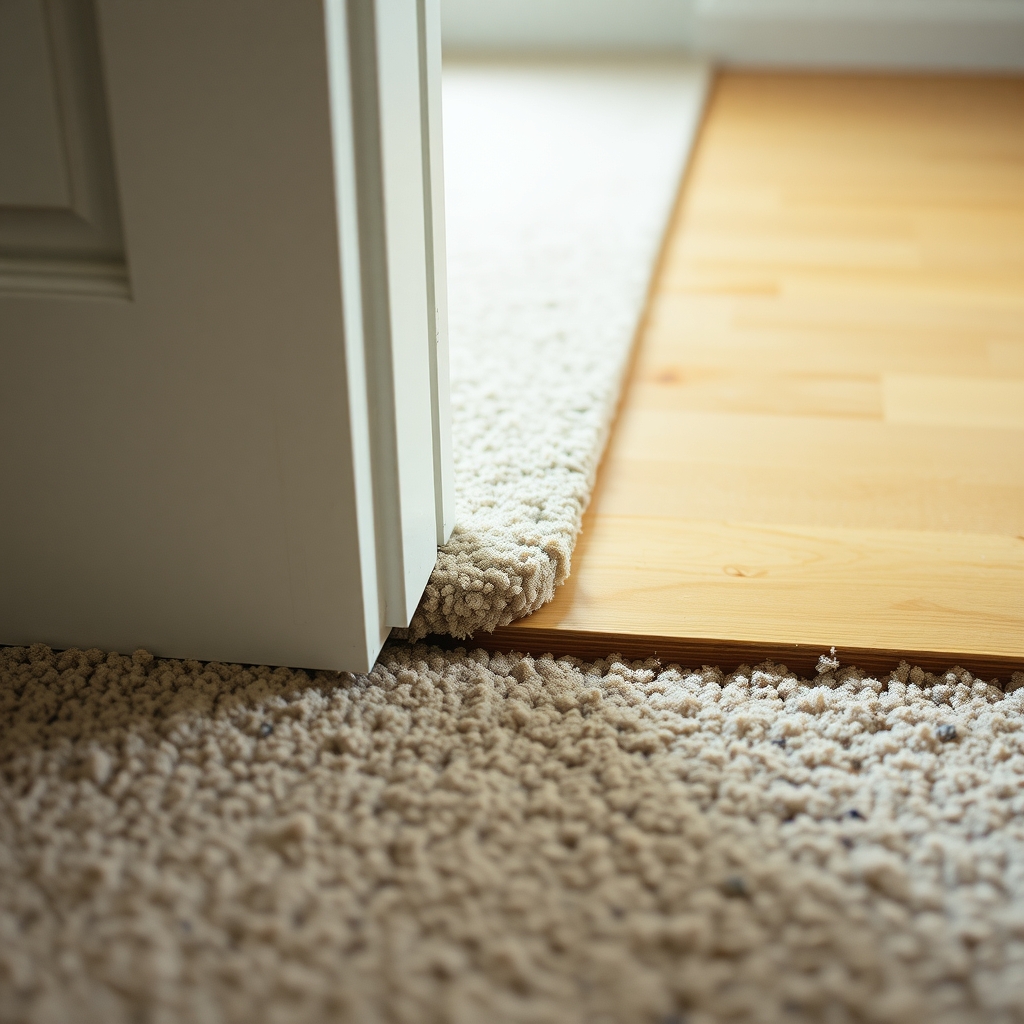
Carpet lifts at a doorway because the tack strip there has lost its grip, the carpet has stretched, or the cut edge has nothing holding it down. Re-seat the carpet on its pins for a free fix. Then screw a transition strip over the edge, so foot traffic and the vacuum stop tugging it loose again.
Free fix vs. permanent fix
Re-seat the carpet on its tack strip
- Peel the edge back and check the pins on the tack strip
- Hook the backing back onto the pins and tuck the edge
- Trim any frayed edge with a fresh blade
- Replace the strip only if it is cracked or the pins are bent
How long it lasts: Weeks to a few months. A doorway gets the most foot traffic, and a bare edge works loose again.
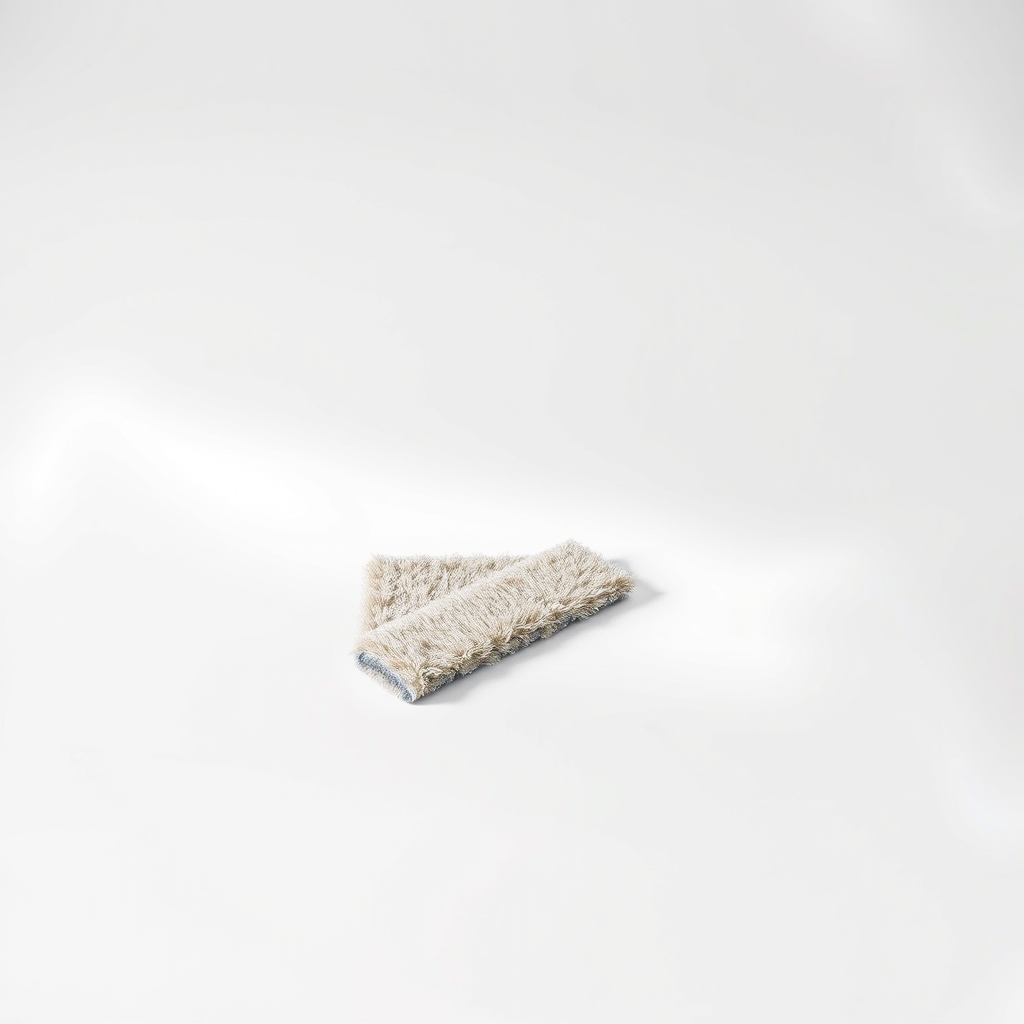
A carpet transition strip over the edge
A transition strip covers the raw edge and presses it flat, so it no longer depends on tack strip pins that wear out. It also gives the doorway a clean line where the carpet meets the next floor.
What to get: Carpet transition strip (carpet to hard floor)
How long it lasts: Years. The strip clamps the edge from above instead of relying on a few worn pins.
As an Amazon Associate I earn from qualifying purchases.
What you'll need
-
Work gloves
Tack strip pins are sharp
You have it -
Putty knife or flat screwdriver
Presses the backing onto the pins and tucks the edge
You have it -
Utility knife
Trims a frayed edge; use a fresh blade
You have it - Our pick Illustration
Carpet transition strip
Covers and clamps the raw edge
- Illustration
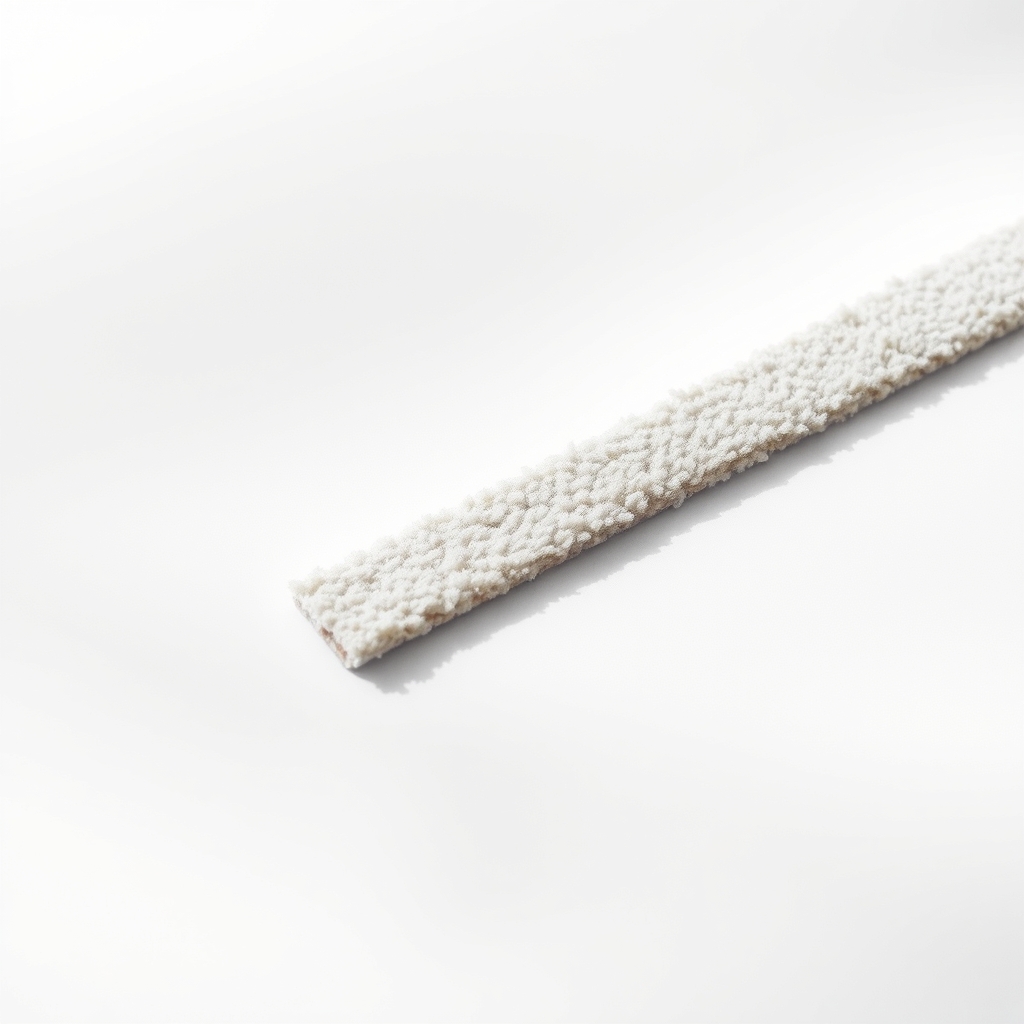
Replacement tack strip
Only if the old strip is cracked or its pins are bent
- Illustration
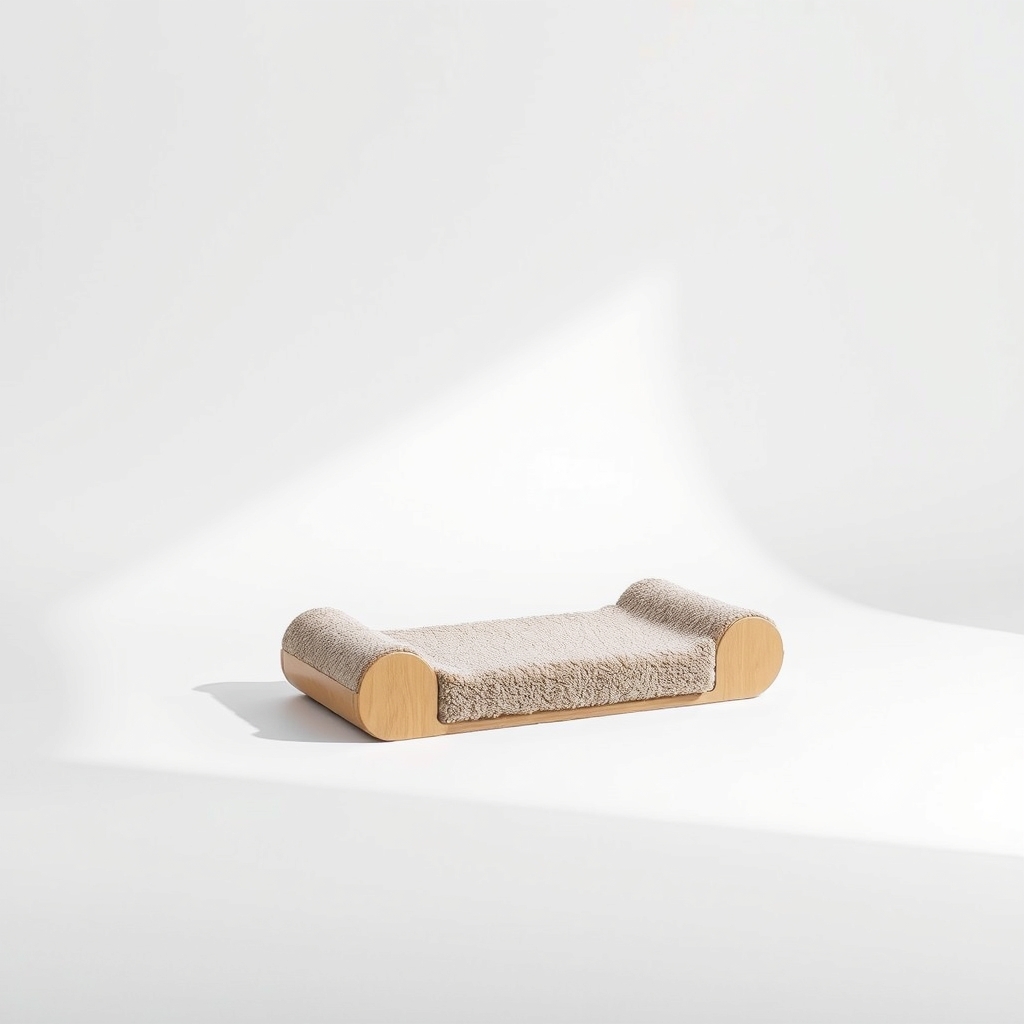
Knee kicker
Only for baggy carpet that bunches up
Why it happens
A worn or bent tack strip
The pins grab the carpet backing. After years of foot traffic they bend, the wood strip splits or the backing tears off them.
Carpet that has stretched
Carpet loosens over time, especially after humid summers and heavy rolling loads. The slack bunches up where the carpet ends, at the doorway.
A raw edge with nothing on top
Where carpet meets a hard floor, nothing presses the edge down. Every footstep and vacuum pass tugs at it.
A damp or damaged subfloor
A strip nailed into soft, damp or crumbling subfloor will not hold. If the floor under the edge feels spongy or smells musty, fix the moisture first.
Try this first (free)
Do these in order, starting with the simplest.
-
Pull back the edge and inspect the strip
Tool used: Work glovesPut on gloves first. Peel the carpet edge back and look at the strip underneath. Straight pins and a firmly nailed strip can be reused. Bent pins, a cracked strip or a loose strip mean it needs replacing.
-
Replace a bad strip
Tool used: Replacement tack stripPry up the old strip and fix a new one in its place, with the pins angled toward the doorway edge. Leave a gap of about 3/8 inch between the strip and the edge so the carpet can tuck in. Pull out any old nails you find.
IllustrationCheck price on AmazonTool for this step
Replacement tack strip · Only if the old strip is cracked or its pins are bent
-
Re-hook the carpet and tuck the edge
Tool used: Putty knife or flat screwdriverPull the carpet gently toward the doorway until it lies flat. Press the backing down onto the pins with your palm, then tuck the cut edge into the gap beside the strip with the blade of the putty knife.
-
Trim the frayed edge
Tool used: Utility knifeCut away loose threads and a ragged edge with a fresh blade, against a straightedge. Cut a little at a time. You can always trim more, but you cannot add carpet back.
-
Cover the edge with a transition strip
Tool used: Carpet transition stripCut the strip to the width of the doorway with a hacksaw. Follow the pack: most screw into the subfloor with the carpet edge tucked under the lip, and flap styles are tapped down over the edge with a hammer and a block of wood.
IllustrationCheck price on AmazonTool for this step
Carpet transition strip · Covers and clamps the raw edge
When free fixes aren't enough
Re-seating the carpet works until foot traffic works the bare edge loose again, which is why doorways keep lifting. A transition strip fixes that by holding the edge down from above. If the carpet is baggy and wrinkled across the whole room, not only at the doorway, a re-tuck will not be enough. It needs stretching, and a knee kicker handles a small area. If the subfloor is soft, damp or stained, find the moisture before you fasten anything to it.
Buy the fix
Still stuck after the free fixes? These are the products we would look at.
| Pick | Product | Fixes | Who it's for | Buy |
|---|---|---|---|---|
| Best pick | Carpet transition strip (carpet to hard floor) | a carpet edge that lifts because nothing holds it down | Anyone whose doorway carpet has lifted more than once. | Check price |
| Budget pick | Replacement carpet tack strip | pins that are bent, missing or no longer grip the backing | Anyone whose old strip is cracked, loose or missing pins. | Check price |
| Upgrade pick | Knee kicker carpet stretcher | slack carpet that bunches up and keeps pulling free | Anyone with a baggy carpet that they plan to keep. | Check price |
Carpet transition strip (carpet to hard floor)
Fixes: a carpet edge that lifts because nothing holds it down
Look for: Made for carpet meeting a hard floor, or carpet to carpet if that is your doorway; Pre-drilled screw holes, or a flap you can tap down over the carpet edge; A width that covers the gap in your doorway.
- Who it's for
- Anyone whose doorway carpet has lifted more than once.
- Honest downside
- The carpet is loose across the whole room, or the floor under the edge is damp. Fix the stretch or the moisture first.
Replacement carpet tack strip
Fixes: pins that are bent, missing or no longer grip the backing
Look for: Wood strips with angled pins, not plastic; Long enough to run the full doorway width; Nails or screws included, or a pack you can fasten with your own.
- Who it's for
- Anyone whose old strip is cracked, loose or missing pins.
- Honest downside
- The old strip is solid and the carpet is only slack. A new strip will not help.
Knee kicker carpet stretcher
Fixes: slack carpet that bunches up and keeps pulling free
Look for: Adjustable head depth for your carpet thickness; A padded knee pad; Sharp teeth that grip the backing without tearing it.
- Who it's for
- Anyone with a baggy carpet that they plan to keep.
- Honest downside
- The carpet is old and brittle, or only one doorway is loose. The strip and edge are the likelier cause.
As an Amazon Associate I earn from qualifying purchases. We don't show prices because they change, so use the button to see today's price.
How we picked: How we picked: this page is based on carpet installation and repair guides, plus the instructions from makers of tack strips and transition strips, and the problems and fixes people report in reviews. We do not test products by hand.
Which transition strip fits your doorway
- Carpet to a hard floor at the same height: a metal strip that grips the carpet edge and screws into the subfloor.
- Carpet higher than the hard floor: a reducer or ramp-style strip with a gentle slope.
- Carpet to carpet: a strip that joins both edges in the doorway.
Old floor under the carpet? Check first
If the house was built before the 1980s and you find old black adhesive or old vinyl floor tiles under the carpet, do not scrape or sand them. Some old flooring and adhesives contain asbestos. Leave it alone and have it tested before you work on it.
What to skip
Staples, tape and glue
Staples tear out of the backing, double-sided tape lets go under foot traffic, and glue stains the carpet and the floor. None of them replaces a strip that clamps the edge down. Skip them.
Frequently asked questions
Why does the carpet keep coming up at the doorway?
How do I fix carpet that will not stay on the tack strip?
Can I fix a lifting carpet edge without taking the carpet up?
Will a transition strip create a trip hazard?
Related problems

As an Amazon Associate I earn from qualifying purchases. Affiliate disclosure