Hardwood Floor Cupping? Find the Moisture Source First
Cupped boards mean moisture is reaching the underside of the wood. Find and stop the source, dry the room, and confirm it with a meter before any sanding.
By Jamilur Rahman Updated November 5, 2026 · 7 min read
- Time
- 30 min, then weeks to dry
- Cost
- $20-$50
- Difficulty
- Medium
In this guide
Quick answer
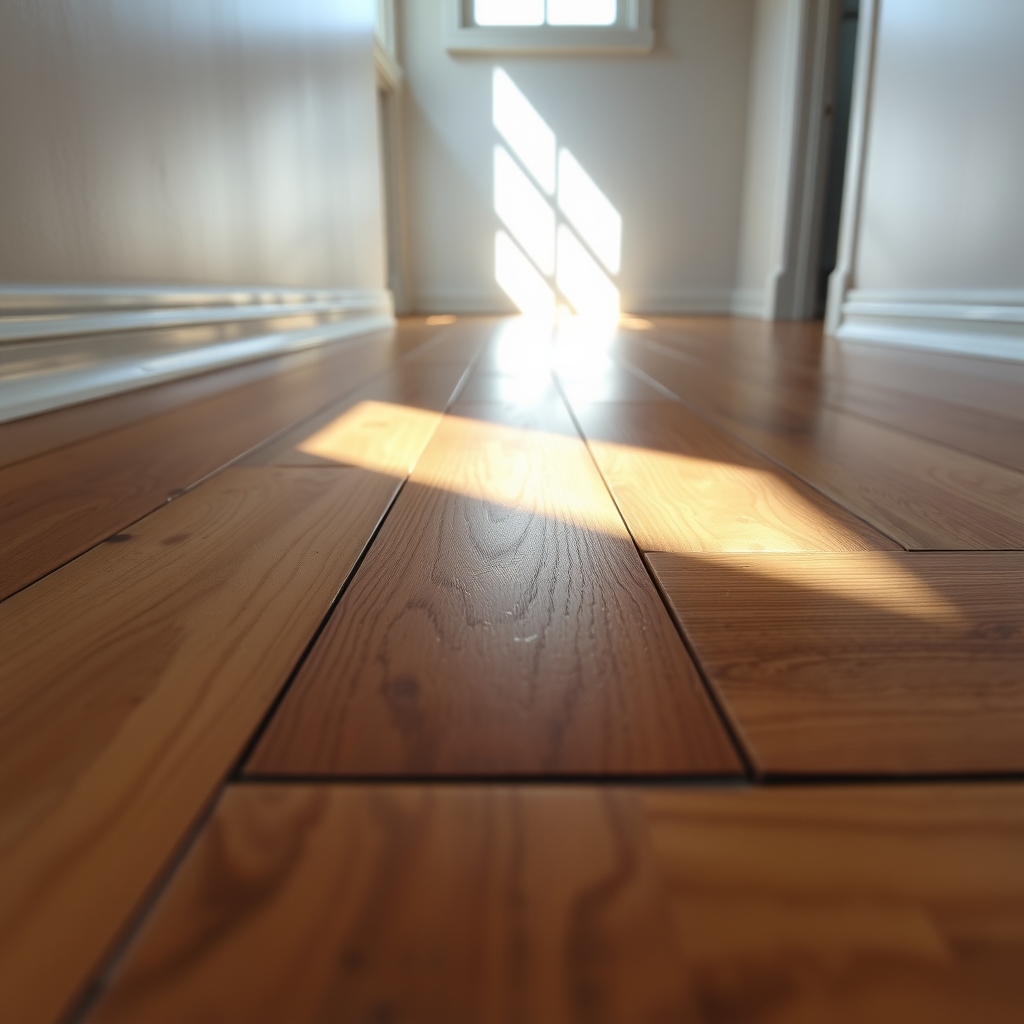
Why is my hardwood floor cupping? Moisture is reaching the underside of the boards, so their edges swell and curl up while the centers stay low. Find and stop the source first, whether that is a leak, a damp crawl space or high humidity. Dry the room, then wait. A pin-type moisture meter shows whether the floor has dried enough to sand or refinish.
Free fix vs. permanent fix
Find the source and dry the room
- Check under sinks, around the dishwasher and fridge line, and in the crawl space or basement
- Fix the leak or damp source
- Run fans, air conditioning or a dehumidifier
- Wait before sanding
How long it lasts: If you stop the moisture, mild cupping often eases over weeks to months. If the source stays, the cupping comes back.
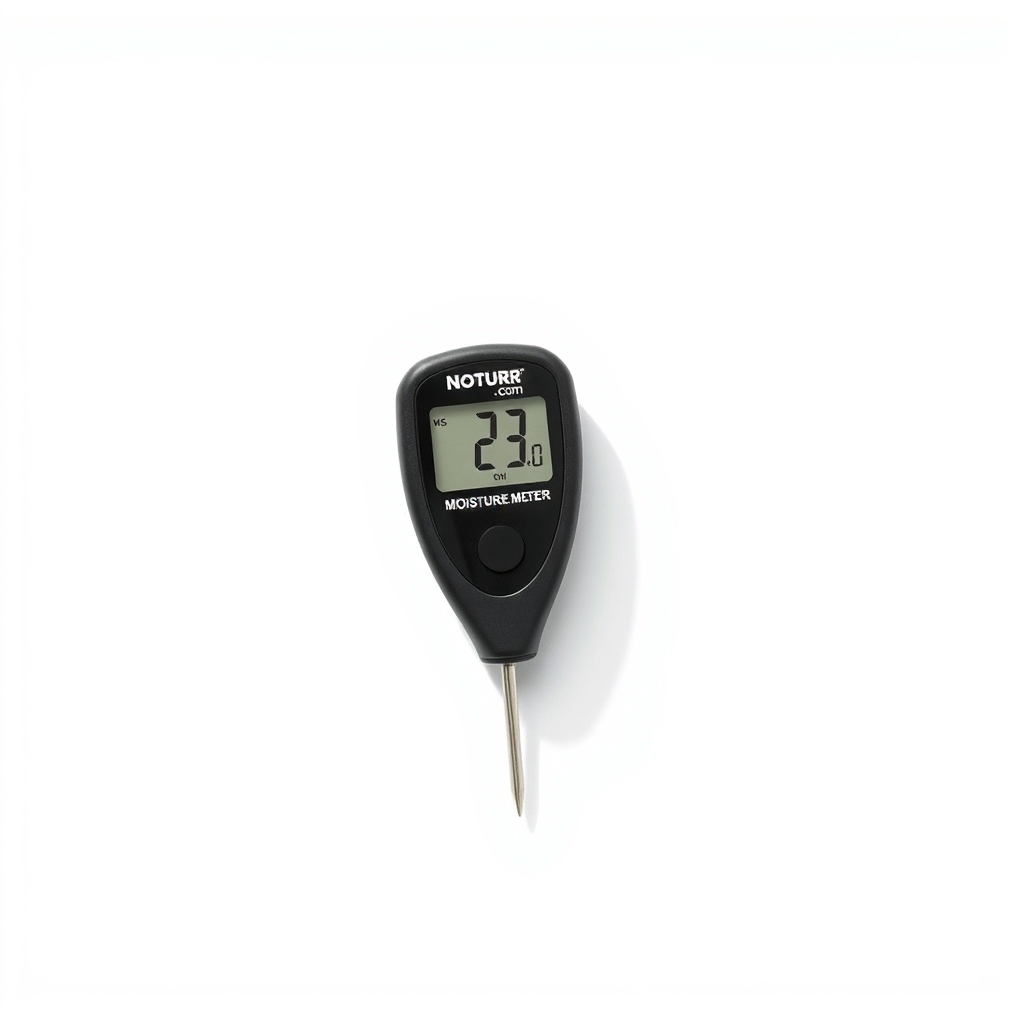
A pin-type wood moisture meter
The cause is moisture, and you cannot see it. A meter gives you numbers for the cupped boards and a dry reference board, and shows whether the floor is still drying. You stop guessing whether the leak is fixed, and you avoid sanding too soon.
What to get: Pin-type wood moisture meter
How long it lasts: A tool for life. It tells you when the floor is dry and safe to sand or recoat.
As an Amazon Associate I earn from qualifying purchases.
What you'll need
-
Flashlight
For looking under sinks and into the crawl space
You have it -
Straightedge or level
Measures how deep the cup is
You have it - Our pick Illustration
Pin-type wood moisture meter
Reads wood moisture in percent
- Illustration
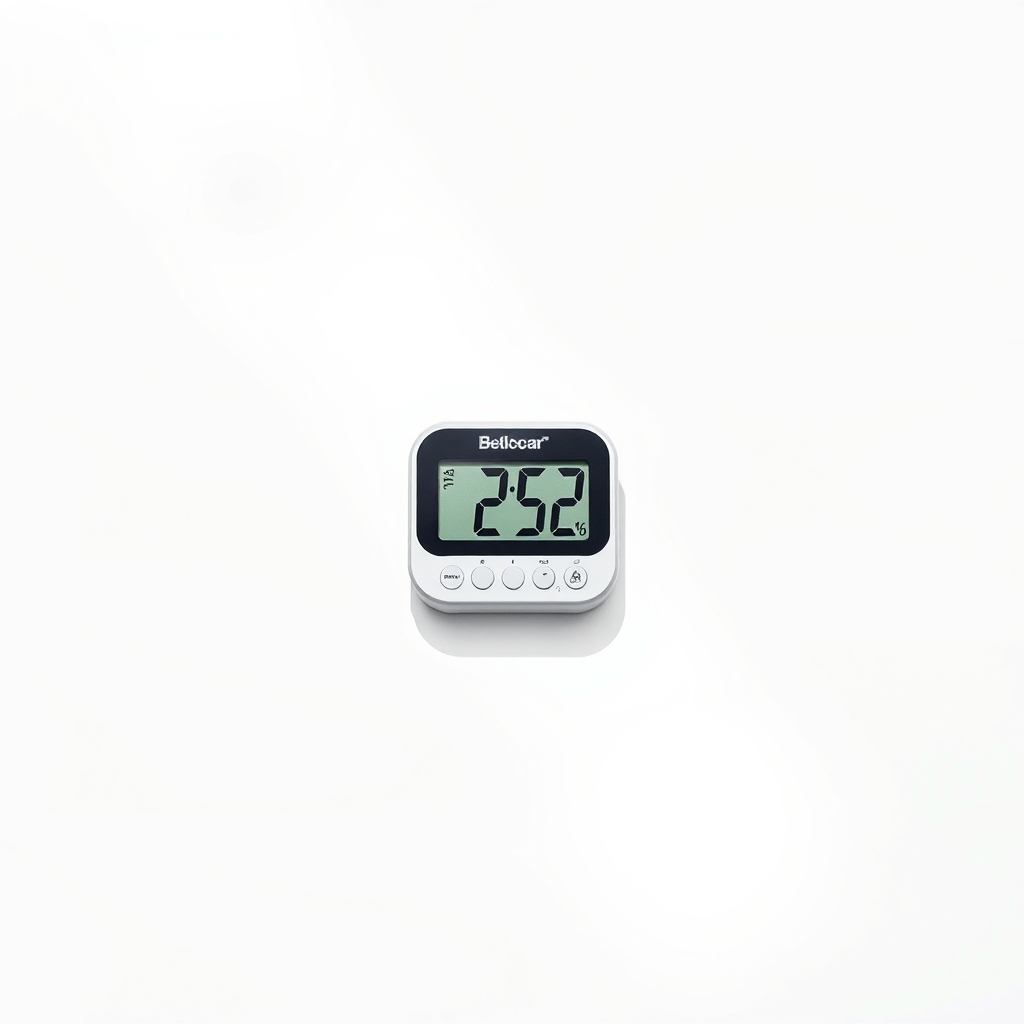
Digital hygrometer
Shows the room's humidity
- Illustration
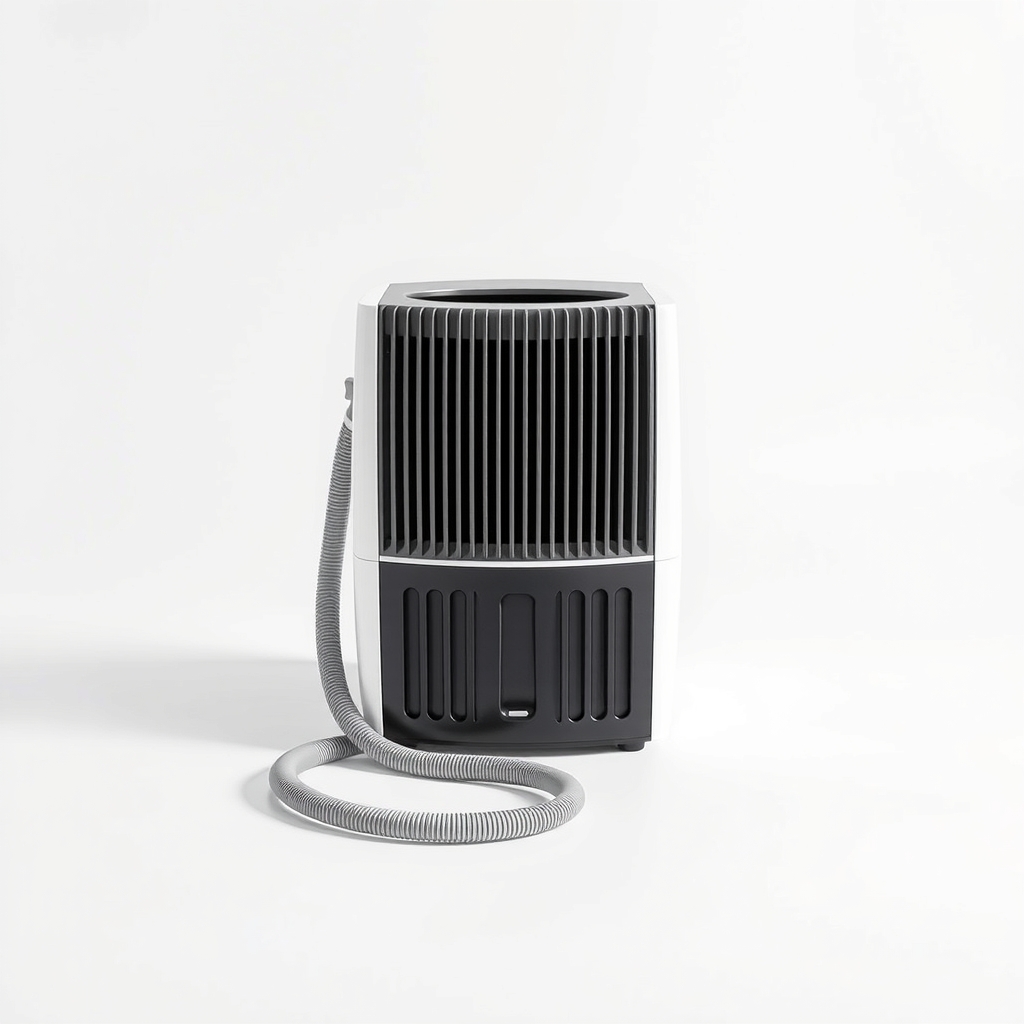
Dehumidifier
For floors cupped by damp air or a damp basement
Why it happens
A leak or spill reaching the floor
A slow drip from a dishwasher, fridge line, sink or washer can soak boards from the side or below for months. Spills mopped up too late do the same.
Moisture from below
Damp soil in a crawl space, a concrete slab with no vapor barrier or a wet basement sends moisture up. The underside swells and the edges lift.
High indoor humidity
In humid seasons, or with no air conditioning, wood takes on moisture. Many flooring groups suggest keeping indoor humidity between about 30 and 50 percent.
Too much water when cleaning
Soaking the floor with a wet mop or steam mop can drive water into the seams. Repeated wetness cups the boards.
Try this first (free)
Do these in order, starting with the simplest.
-
Look for the source
Tool used: FlashlightCheck under sinks, around the dishwasher, fridge water line, washer hoses and water heater. If water is actively leaking, shut off the supply first. Check the basement or crawl space below for damp, standing water or a musty smell.
-
Measure how deep the cup is
Tool used: Straightedge or levelLay a straightedge across the boards and slide a coin underneath to see the gap. Take a photo and note the date so you can track change.
-
Read the moisture in the boards
Tool used: Pin-type wood moisture meterPress the meter's pins into a cupped board and take readings in several spots, then in a dry area as a reference. Solid hardwood is commonly in the range of about 6 to 9 percent. A much higher reading, or a big gap between the cupped spot and the reference, points to wet wood.
IllustrationCheck price on AmazonTool for this step
Pin-type wood moisture meter · Reads wood moisture in percent
-
Check the room's humidity
Tool used: Digital hygrometerKeep a hygrometer in the room. If humidity is above 50 percent, run air conditioning or a dehumidifier.
IllustrationCheck price on AmazonTool for this step
Digital hygrometer · Shows the room's humidity
-
Dry the room and wait
Fix the source, then run fans and the dehumidifier. Re-check the readings every week. Mild cupping often eases over weeks to months as the wood dries.
-
Do not sand or seal wet wood
Wait until the readings are steady and in the normal range before you sand. Sanding a floor that is still wet can leave the edges crowned once it dries.
When free fixes aren't enough
Free checks find a leak you can see. They cannot tell you whether the floor has dried, and they cannot find a slow hidden source. A meter fills that gap, because the readings should fall week after week once the moisture is gone. Call a pro if the floor is wet across a large area, if you cannot find the source, if boards are lifting or buckling, or if you smell mold or see it underneath. Flood or sewage water needs a restoration company, and turn off power to wet outlets before you touch anything.
Buy the fix
Still stuck after the free fixes? These are the products we would look at.
| Pick | Product | Fixes | Who it's for | Buy |
|---|---|---|---|---|
| Best pick | Pin-type wood moisture meter | not knowing whether the floor is still wet or dry enough to sand | Anyone with cupped boards who plans to sand or refinish, or who is chasing a slow leak. | Check price |
| Budget pick | Digital hygrometer | not knowing if room humidity is above the safe range | Anyone whose cupping looks seasonal. | Check price |
| Upgrade pick | Dehumidifier with a continuous drain hose option | high humidity that keeps the boards swollen | Floors cupped because of a damp basement, crawl space or humid summers. | Check price |
Pin-type wood moisture meter
Fixes: not knowing whether the floor is still wet or dry enough to sand
Look for: Reads wood moisture in percent, with a species or material setting; Pins sharp enough to push into the board without much effort; Replaceable pins and a clear display; A hold or memory feature for comparing readings.
- Who it's for
- Anyone with cupped boards who plans to sand or refinish, or who is chasing a slow leak.
- Honest downside
- You have an active flood. Call a restoration pro. Also check the manual if your floor is engineered, since readings can differ.
Digital hygrometer
Fixes: not knowing if room humidity is above the safe range
Look for: A readout of both humidity and temperature; A small size you can leave on a shelf; Reviews that say the readings stay close to a second gauge.
- Who it's for
- Anyone whose cupping looks seasonal.
- Honest downside
- Your thermostat already shows humidity and you trust it.
Dehumidifier with a continuous drain hose option
Fixes: high humidity that keeps the boards swollen
Look for: A capacity rated for the size of your room or basement; A drain hose option so you need not empty the tank; A built-in humidistat.
- Who it's for
- Floors cupped because of a damp basement, crawl space or humid summers.
- Honest downside
- The moisture comes from a leak. Fix the leak first.
As an Amazon Associate I earn from qualifying purchases. We don't show prices because they change, so use the button to see today's price.
How we picked: How we picked: this page is based on flooring trade guidance on moisture and humidity, moisture meter manuals, and what owners report in reviews. We do not test products by hand.
Cupping, crowning, buckling: which do you have?
- Cupping: the board edges are higher than the center. It points to moisture from below.
- Crowning: the center is higher than the edges. It happens if a cupped floor was sanded before it dried, or from moisture on top.
- Buckling: boards lift off the subfloor. It is the most serious case.
What to skip
What to skip: sanding now and hiding it with a rug
Sanding a floor that is still damp can leave the board edges crowned after it dries. Covering cupped boards with a rug traps moisture and hides a problem that is getting worse.
Frequently asked questions
Why is my hardwood floor buckling?
How do I fix hardwood floor buckling?
How do I stop hardwood floors from buckling?
Why is my hardwood floor warping or bowing up?
Will a cupped hardwood floor go flat again on its own?
Related problems
 Free fix inside
Cleaning · Hardwood Floor
Hardwood Floor Gaps? Filler, Humidity Control, and When to Worry
Read the fix Free fix inside
Cleaning · Hardwood Floor
Hardwood Floor Turning Black? Which Stains You Can Still Lift
Read the fix Free fix inside
Cleaning · Walls
Walls Sweating? Cut the Humidity With a Right-Sized Dehumidifier
Read the fix Free fix inside
Air & Temperature · House Humidity
House Feeling Humid? Find the Cause Before You Buy a Dehumidifier
Read the fixAs an Amazon Associate I earn from qualifying purchases. Affiliate disclosure