Bathroom Fan So Loud? Clean It First, Then Check the Sone Rating
Dust, loose screws and a worn motor make a bathroom fan roar. Clean and tighten it first. If it is still loud, buy a quiet fan rated 1.0 sone or less.
By Jamilur Rahman Updated November 5, 2026 · 8 min read
- Time
- 45 min
- Cost
- $50-$150
- Difficulty
- Medium
In this guide
- Quick answer
- Free vs. permanent fix
- What you'll need
- Why it happens
- Try this first (free)
- When free fixes aren't enough
- Buy the fix
- Bathroom fan too loud, too noisy or always making noise? Match the sound to the cause
- Why does my bathroom fan make so much noise? What the sone rating tells you
- What to skip
- FAQ
- Related problems
Quick answer
Why is your bathroom fan so loud? Usually it is dust clogging the blades, loose parts that rattle, or an old motor or fan that was never quiet. Switch off the power, take off the grille, vacuum the blades and tighten every screw. If it is still loud, check the sone rating on the label and replace the fan with a quiet model rated 1.0 sone or less.
Free fix vs. permanent fix
Clean, tighten and check the duct
- Switch off the breaker, then remove the grille
- Vacuum the blades and the housing
- Tighten the screws and the grille springs
- Check the duct and the outside vent flap
How long it lasts: Years if dust or loose screws were the cause. A worn motor or a loud old fan comes back noisy.
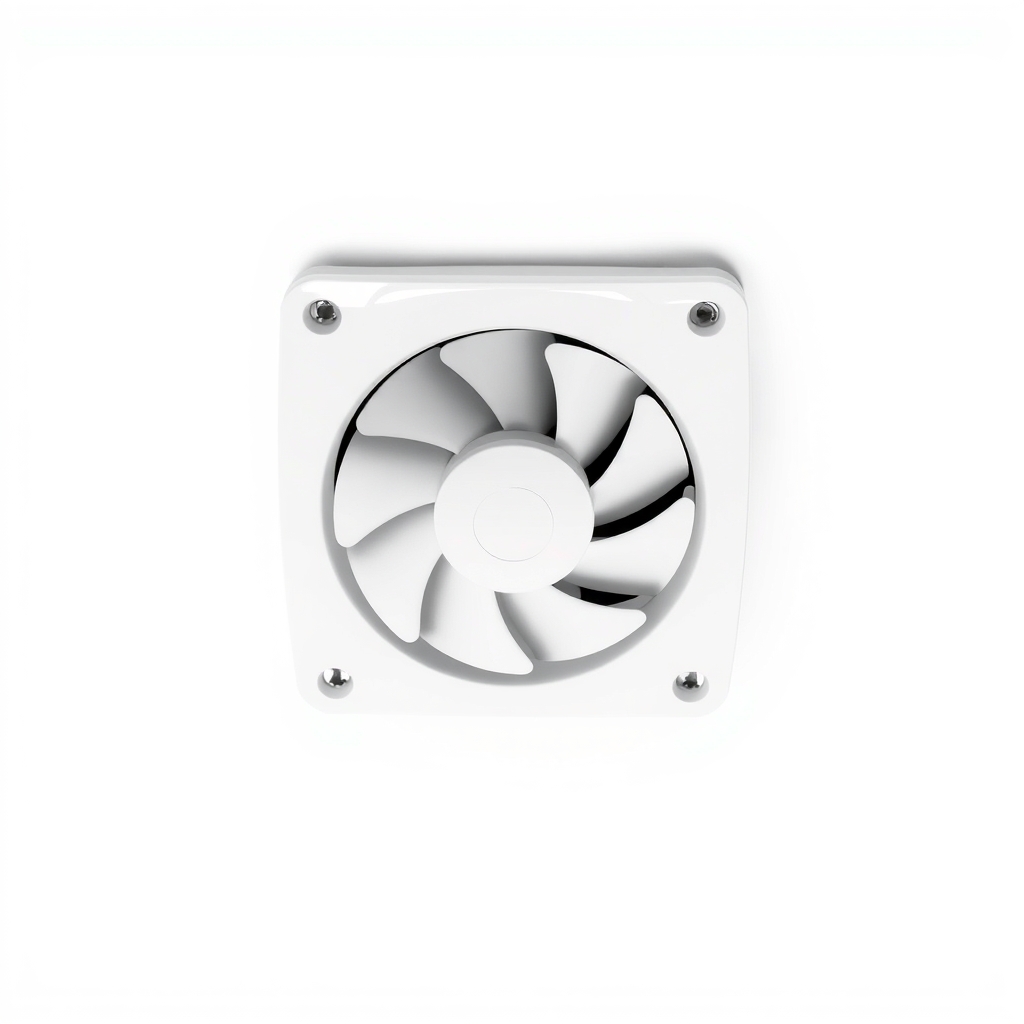
A quiet bathroom fan rated 1.0 sone or less
Loudness is rated in sones, and a cleaning cannot lower the rating. Builder-grade fans are often rated 3 sones or more, while quiet ones are 1.0 or lower, about as loud as a quiet refrigerator. A new fan with a clean, balanced motor runs at that rating from day one.
What to get: Quiet bathroom exhaust fan, 1.0 sone or less
How long it lasts: Years. A new motor runs smooth, and the fan is built to stay quiet.
As an Amazon Associate I earn from qualifying purchases.
What you'll need
-
Screwdriver set
For the grille, housing and motor plate screws
You have it -
Vacuum with a brush attachment
Lifts dust and lint off the blades
You have it -
Step ladder
A sturdy one
You have it - Illustration
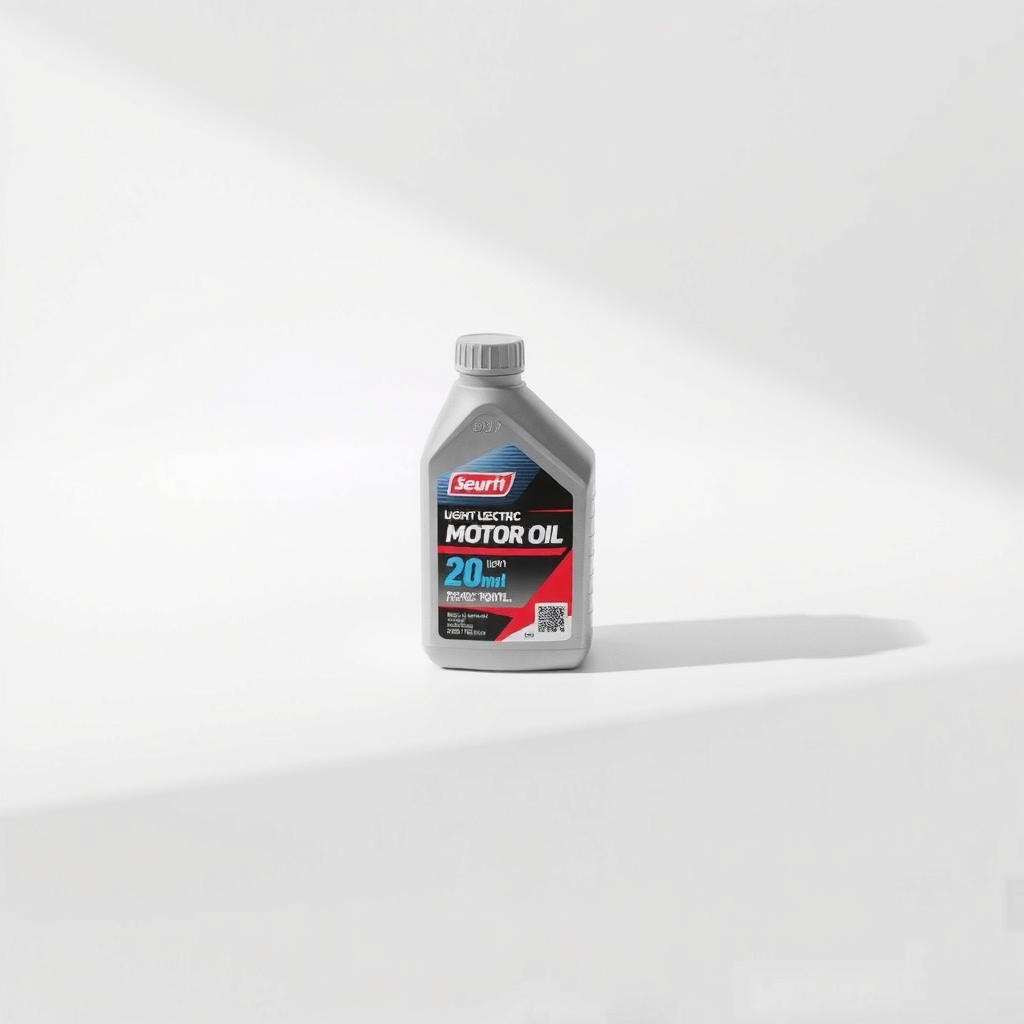
Light electric motor oil
Only for motors that have an oil port
- Our pick Illustration
Quiet bathroom exhaust fan
Rated 1.0 sone or less, sized to the room
- Illustration
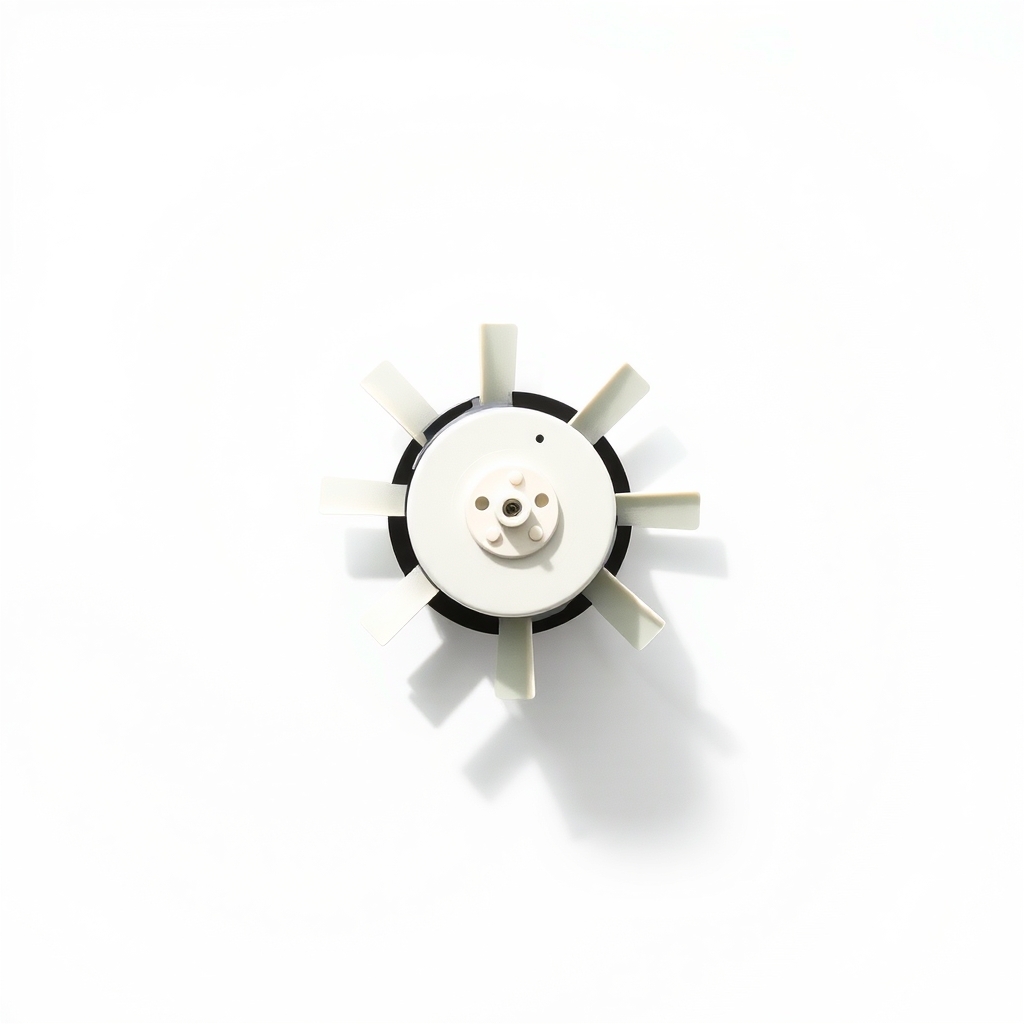
Replacement fan motor assembly
Matched to your fan's brand and model number
Why it happens
Dust on the blades
Dust and lint pile unevenly on the blade wheel. That throws it off balance, so the fan hums, thumps or sounds like a helicopter, and the motor works harder.
Loose screws or a loose grille
Mounting screws, grille springs and the motor plate work loose from years of vibration. Loose parts rattle against the housing.
A worn motor or dry bearings
A high-pitched squeal, a grinding or a deep hum usually means the motor bearings are wearing out. Dust and heat dry them out, and a motor past that point cannot be quieted for long.
A duct or vent problem
A crushed, kinked or very long duct makes air whistle or roar as it fights its way out. A loose duct connector or a flapping vent cap outside adds rattles and thumps.
A fan that was never quiet
Many older and builder-grade fans are rated 3 sones or more, which is loud. Cleaning does not change that rating.
Try this first (free)
Do these in order, starting with the simplest.
-
Turn off the power at the breaker
Switch off the breaker, not just the wall switch, and check that the fan is dead before you reach into the housing. Do not use a wet cloth near the motor or the wiring.
-
Take off the grille
Tool used: Step ladderStand on a steady ladder and pull the grille down gently. Squeeze the two spring clips to release it, or remove the screws if it has them.
-
Vacuum the blades and housing
Tool used: Vacuum with a brush attachmentUse the brush attachment on the blade wheel, the housing and the opening. Wipe the blades with a barely damp cloth. Do not bend the blades, or the fan will wobble.
-
Tighten everything
Tool used: Screwdriver setSnug the screws that hold the housing to the joist, the motor plate screws and the screw that holds the blade wheel on its shaft. Press the grille springs back in, or bend them gently so the grille sits flush.
-
Oil the motor only if it has an oil port
Tool used: Light electric motor oilSome older motors have small oil ports. Add one or two drops of light motor oil. Most modern motors are sealed and cannot be oiled, and a spray lubricant does not belong inside them.
IllustrationCheck price on AmazonTool for this step
Light electric motor oil · Only for motors that have an oil port
-
Check the duct and the outside vent
Make sure the duct is seated on the fan outlet, not crushed, and taped at the joints. Go outside and check that the vent cap flap moves freely and does not rattle in the wind.
When free fixes aren't enough
If the fan is still loud after cleaning and tightening, run it with the grille off. Grinding, squealing or scraping from the motor means worn bearings. A motor like that gets worse, so replace it. Many older fans are also loud by design. Check the sone rating on the label or in the manual, and treat anything above about 2 sones as noticeably loud. Stop and call an electrician if you smell burning, see sparks or the fan hums but will not turn.
Buy the fix
Still stuck after the free fixes? These are the products we would look at.
| Pick | Product | Fixes | Who it's for | Buy |
|---|---|---|---|---|
| Best pick | Quiet bathroom exhaust fan, 1.0 sone or less | a fan that is loud by design or has a worn-out motor | Anyone whose fan is still loud after cleaning, or whose fan is old and rated 3 sones or higher. | Check price |
| Budget pick | Replacement bathroom fan motor assembly | a worn or noisy motor in a fan whose housing is fine | People comfortable with basic electrical work who have the model number. | Check price |
| Upgrade pick | 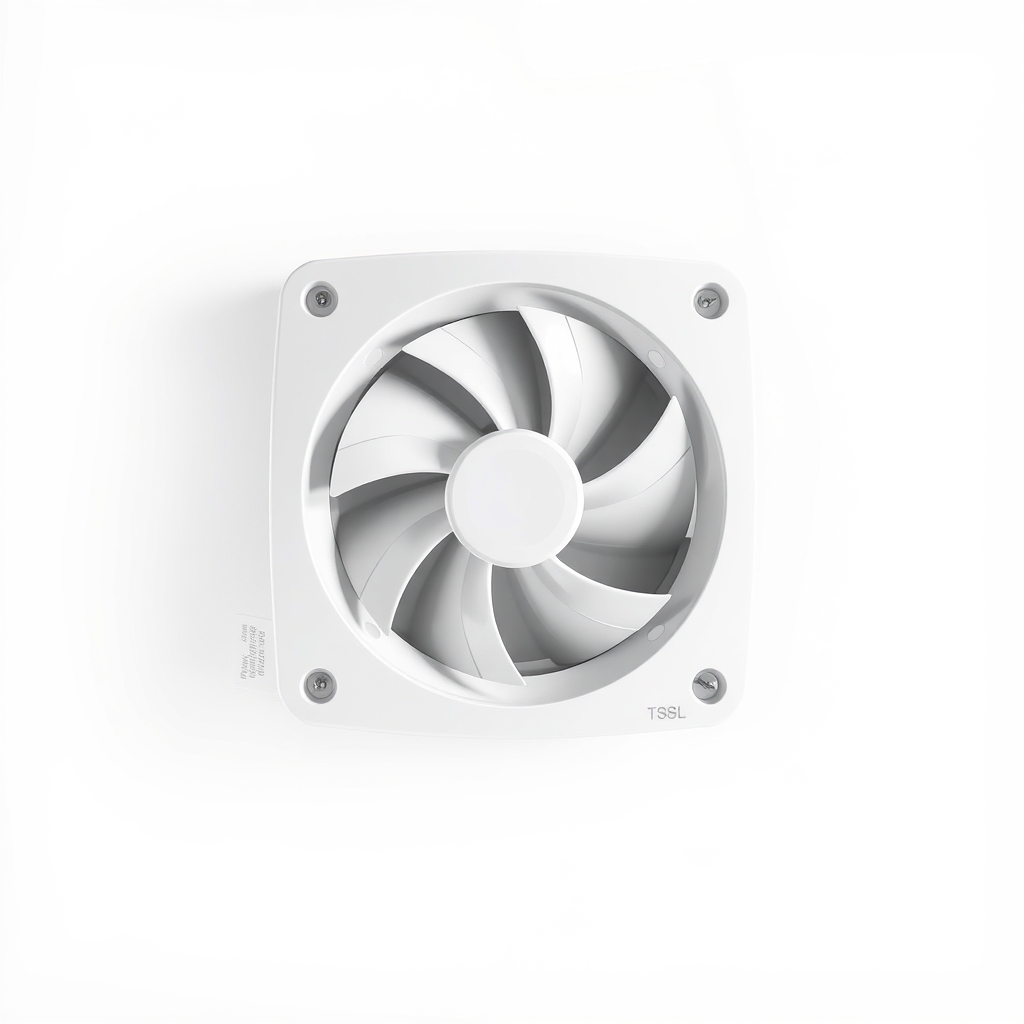 Remote-mount inline bathroom fan | the noise of a motor that sits right above your head | Homeowners with attic access who want a nearly silent fan. | Check price |
Quiet bathroom exhaust fan, 1.0 sone or less
Fixes: a fan that is loud by design or has a worn-out motor
Look for: A rating of 1.0 sone or less; Airflow sized to the room, about 1 CFM per square foot for bathrooms up to 100 square feet; A size that fits your existing housing opening and duct, often 4 or 6 inches; A replacement design that does not need new ceiling cuts.
- Who it's for
- Anyone whose fan is still loud after cleaning, or whose fan is old and rated 3 sones or higher.
- Honest downside
- The fan is quiet when clean but the outside vent cap rattles. Fix the vent cap instead; see the related page.
Replacement bathroom fan motor assembly
Fixes: a worn or noisy motor in a fan whose housing is fine
Look for: Made for your fan's exact brand and model number; Includes the motor, the blower wheel and the mounting plate; A wiring connector that fits your fan.
- Who it's for
- People comfortable with basic electrical work who have the model number.
- Honest downside
- You cannot find the model number, or the assembly is no longer made. Buy a new fan.
Remote-mount inline bathroom fan
Fixes: the noise of a motor that sits right above your head
Look for: A low sone rating; Enough airflow for the room; Insulated duct and a ceiling grille kit; A motor that mounts in the attic, away from the bathroom.
- Who it's for
- Homeowners with attic access who want a nearly silent fan.
- Honest downside
- You have no attic access or are not comfortable running ducts and wiring. Hire a pro.
As an Amazon Associate I earn from qualifying purchases. We don't show prices because they change, so use the button to see today's price.
How we picked: How we picked: this page is based on ventilation guidance on sone and airflow ratings, fan maker manuals, home-repair guides, and the problems and fixes people report in owner reviews. We do not test products by hand.
Bathroom fan too loud, too noisy or always making noise? Match the sound to the cause
- Whoosh or helicopter beat: dust on the blades. Clean the wheel.
- Rattle: loose screws, grille or duct. Tighten.
- Hum: loose motor plate, or a failing motor.
- High-pitched squeal or grinding: worn bearings. Replace the motor or fan.
- Whistle or roar: a crushed or long duct, or a blocked vent cap.
Why does my bathroom fan make so much noise? What the sone rating tells you
A sone is a measure of how loud a fan sounds. One sone is about the hum of a quiet refrigerator, and lower is quieter. Quiet fans are rated 1.0 sone or less, and many older fans run 3 or more. Compare sones at similar airflow (CFM), which the box or spec sheet also lists.
What to skip
Foam or tape stuffed around the fan
Packing foam into the housing or taping over the grille can block airflow, trap heat and moisture, and is a fire risk. A fan that cannot move air is also useless against mold. Fix the cause of the noise instead.
Frequently asked questions
Why does my bathroom fan sound like a helicopter?
How do I stop a bathroom fan from rattling?
How do I fix a bathroom fan humming noise?
Why is my bathroom fan squeaking or making a high-pitched noise?
What do people on Reddit and home-repair forums suggest for a bathroom fan that is too loud?
Related problems
 Free fix inside
Bathroom · Bathroom Fan
Bathroom Fan Not Strong Enough? The Tissue Test and What to Buy
Read the fix Free fix inside
Bathroom · Bathroom Fan
Bathroom Fan Dripping Water? Insulate the Duct, Not the Fan
Read the fix Free fix inside
Bathroom · Bathroom Fan
Bathroom Fan Rattling in the Wind? A Better Vent Cap Fixes It
Read the fix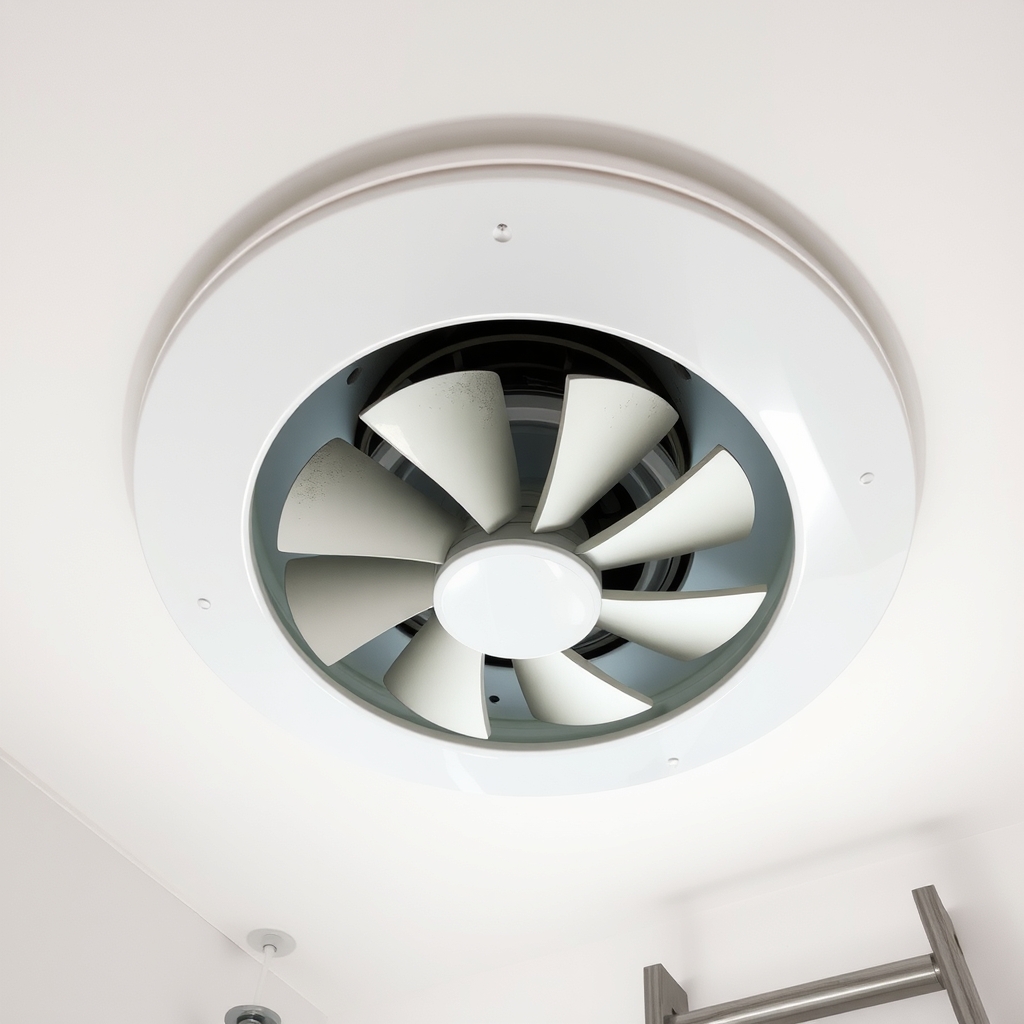 Free fix inside
Bathroom · Bathroom Fan
Bathroom Fan Not Working? Test It, Then Replace the Motor or Unit
Read the fixAs an Amazon Associate I earn from qualifying purchases. Affiliate disclosure