Bathroom Fan Dripping Water? Insulate the Duct, Not the Fan
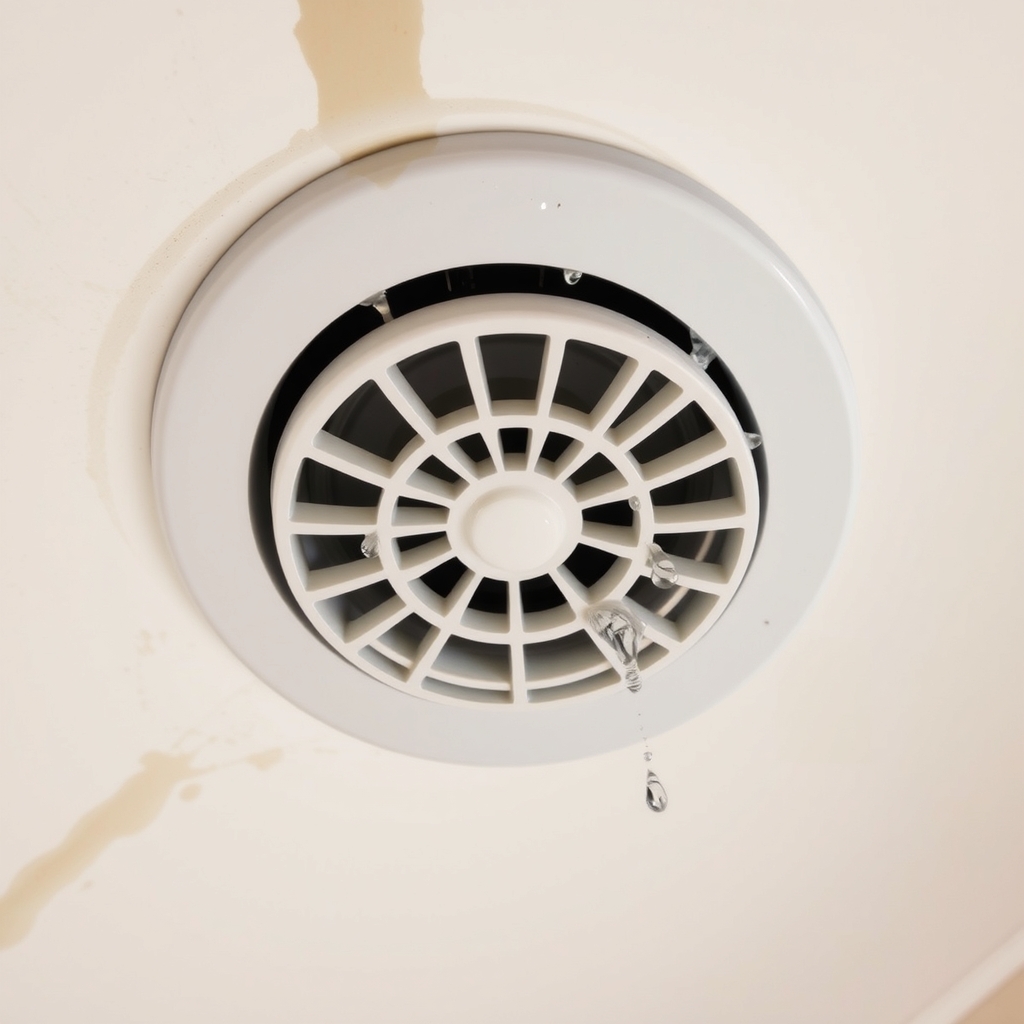
Warm shower steam condenses in a cold attic duct and runs back down. Fix the slope and gaps first, then add insulated duct so it stops for good.
By Jamilur Rahman Updated November 5, 2026 · 7 min read
- Time
- 1-2 hours
- Cost
- $20-$50
- Difficulty
- Medium
In this guide
Quick answer
A bathroom fan drips when warm, wet shower air hits a cold duct in the attic. The moisture turns to water and runs back toward the fan. Switch the fan off at the breaker, make sure the duct slopes down toward the outside vent and has no gaps, and run the fan 20 minutes after showers. If it still drips, an insulated duct or an insulation sleeve keeps the air warm until it leaves the house.
Free fix vs. permanent fix
Fix the slope, seal the gaps, run the fan longer
- Slope the duct slightly down toward the outside vent
- Seal every duct joint with foil tape
- Run the fan for 20 minutes after each shower
- Check that the outside flap opens when the fan runs
How long it lasts: Often enough in mild weather. In a cold attic, a bare duct still chills the air, and the drips return on cold mornings.
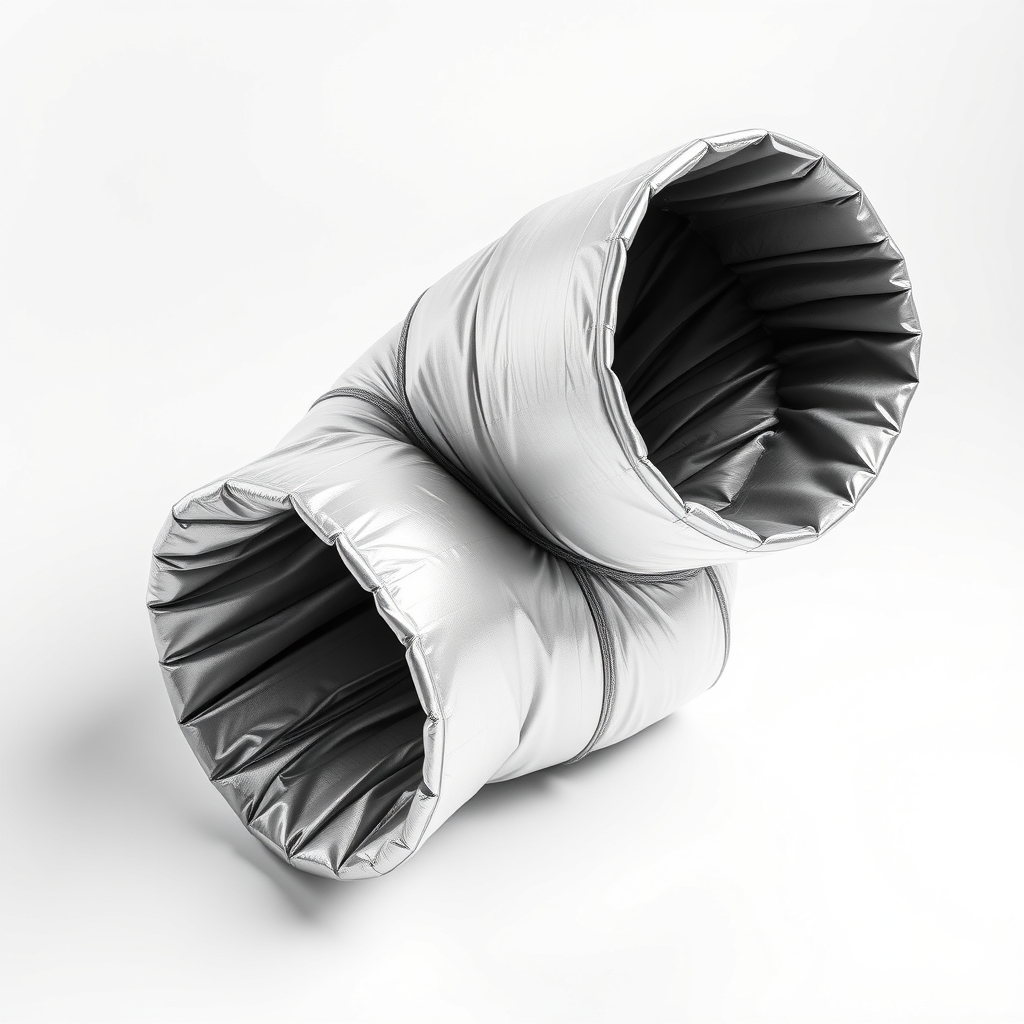
An insulated flexible duct
The water does not come from the fan. It forms on a cold duct wall. Insulation keeps that wall warm, so the air inside stays above the point where it turns to water. Wrapping the fan housing or sealing the grille cannot do that.
What to get: Insulated flexible duct sized for your fan
How long it lasts: Years. The duct wall stays warm, so steam leaves the house before it can turn to water.
As an Amazon Associate I earn from qualifying purchases.
What you'll need
-
Flashlight
To see the duct and exterior vent from the attic
You have it -
Dust mask and work gloves
Attic insulation irritates skin and lungs
You have it - Illustration
Foil HVAC tape
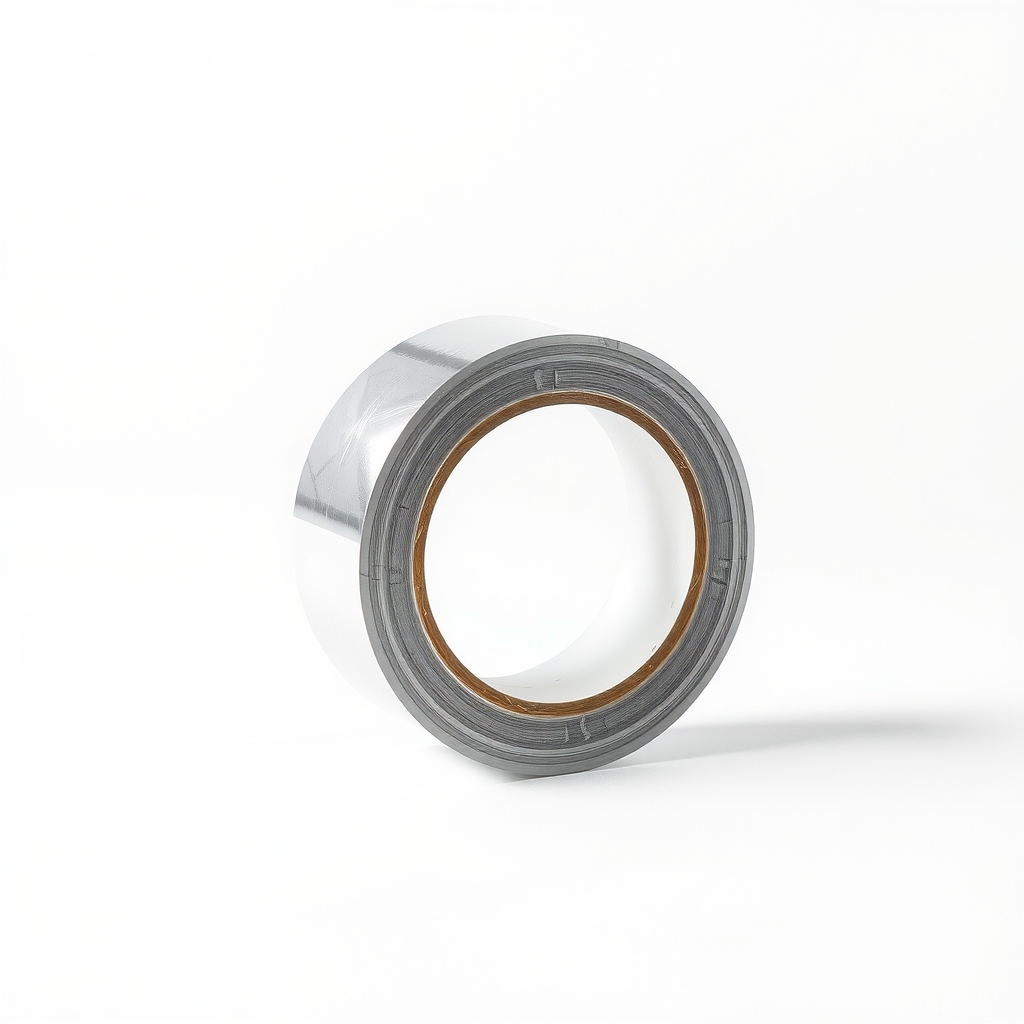
Seals duct joints. Cloth duct tape dries out and lets go
- Our pick Illustration
Insulated flexible duct
Replaces a bare or damaged duct. Match your fan's diameter
- Illustration
Duct insulation sleeve
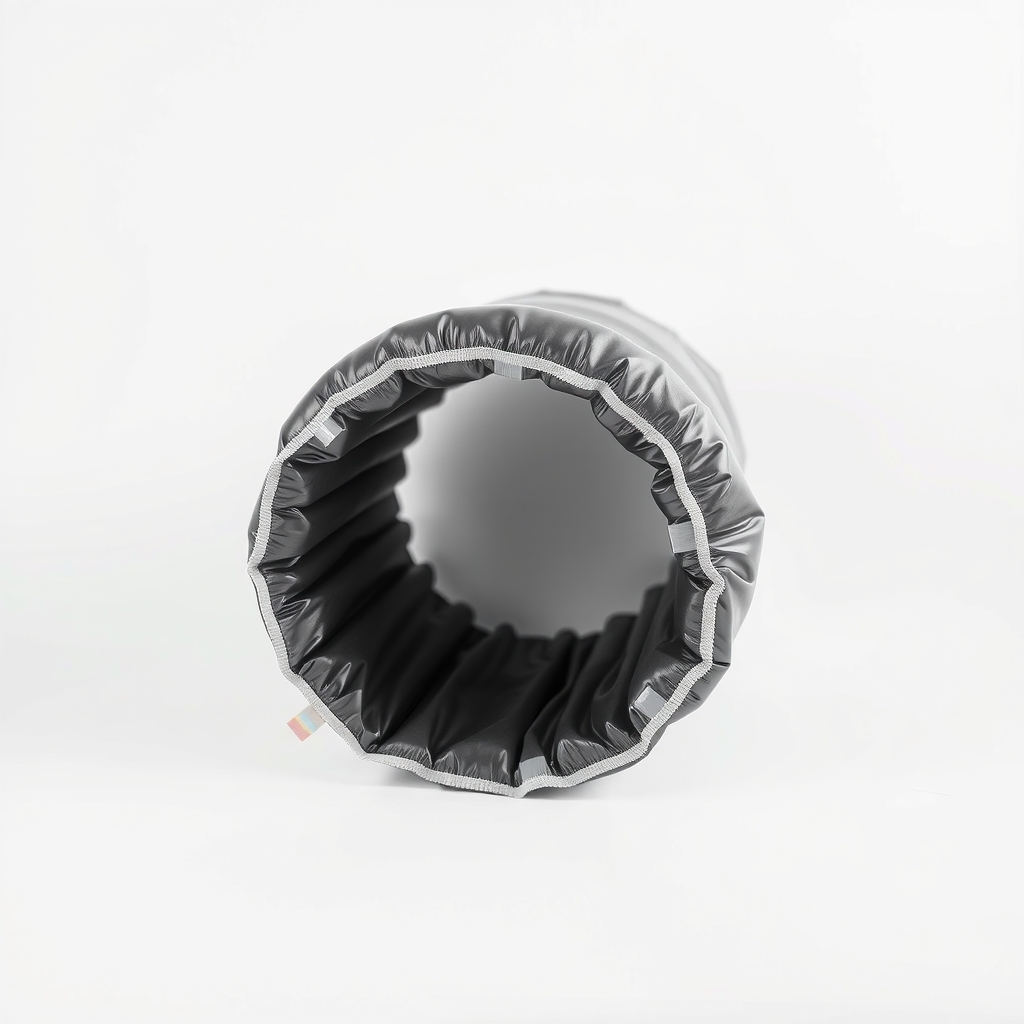
Slips over a duct that is otherwise in good shape
- Illustration
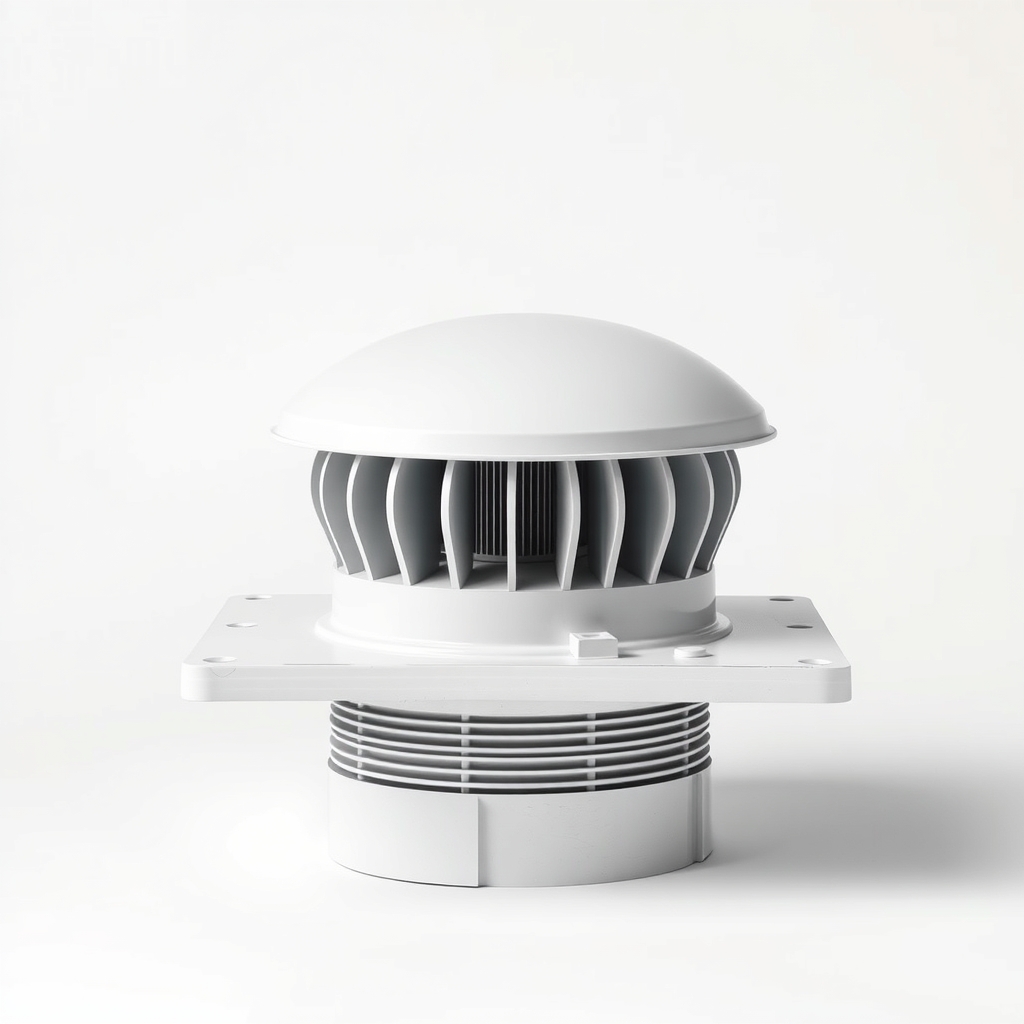
Vent cap with backdraft damper
For an outside flap that is broken, missing or stuck
Why it happens
Warm steam meeting a cold duct
Shower air is warm and full of moisture. In a cold attic the duct wall is cold, so the moisture condenses into drops inside the duct and runs along it toward the lowest point, often back into the fan.
A duct that slopes the wrong way
If the duct sags or runs uphill to the outside vent, water cannot drain out. It pools in the low spot and then drips through a joint or back out of the fan.
Gaps and a long, bare run
Open seams let cold attic air in. A long run through unheated space gives the steam more cold surface to condense on.
A stuck or missing damper at the outside vent
A flap stuck open lets cold outside air blow back down the duct. One stuck shut traps moist air inside. Either makes condensation worse.
Switching the fan off too soon
If you turn the fan off the moment you step out, damp air is left sitting in the duct to cool down and condense.
Try this first (free)
Do these in order, starting with the simplest.
-
Turn the power off, then look at the duct
Tool used: FlashlightSwitch the fan off at the breaker, not only at the wall switch. Look into the attic with a flashlight. Wear a mask and gloves, and step only on the joists, never on the drywall between them.
-
Straighten the duct and slope it toward the vent
Pull out any sags. The duct should run in a straight line with a slight downward slope to the outside vent, so water drains out and not back. Support it every few feet with straps.
-
Seal every joint
Tool used: Foil HVAC tapeWrap the joint at the fan collar and any duct connection with foil tape. It holds up to heat and damp far better than cloth duct tape.
IllustrationCheck price on AmazonTool for this step
Foil HVAC tape · Seals duct joints. Cloth duct tape dries out and lets go
-
Confirm where the duct ends
The duct must run to the outside, never to the attic. Check that the flap on the outside vent opens when the fan runs and drops shut when it stops.
-
Run the fan longer
Keep the fan on for 20 minutes after a shower so warm, moist air leaves before the duct cools. A timer switch handles this if you forget.
-
Insulate the duct
Tool used: Insulated flexible ductReplace a bare or damaged duct with insulated duct, or slide an insulation sleeve over the one you have. Cover the full length through unheated space, including the bends.
IllustrationCheck price on AmazonTool for this step
Insulated flexible duct · Replaces a bare or damaged duct. Match your fan's diameter
When free fixes aren't enough
If the duct is already straight, sealed and short but water still drips on cold mornings, the duct wall is too cold, and no habit will change that. Insulation fixes the real cause. Signs the problem is bigger: a stained or sagging ceiling, wet attic insulation, mold on rafters or a musty smell. Those mean moisture has been leaking for a while, so call a pro to check the roof, the duct and the ceiling. Never vent a bathroom fan into the attic.
Buy the fix
Still stuck after the free fixes? These are the products we would look at.
| Pick | Product | Fixes | Who it's for | Buy |
|---|---|---|---|---|
| Best pick | Insulated flexible duct sized for your fan | condensation forming on a cold duct | Anyone with a bare or damaged duct running through an unheated attic, or a long run to the outside. | Check price |
| Budget pick | Duct insulation sleeve | condensation on a duct that is otherwise straight, sealed and sound | Someone with a good duct that just needs to stay warm. | Check price |
| Upgrade pick | Vent cap with a backdraft damper | cold air flowing back down the duct | Anyone whose outside flap is missing, broken or stuck open. | Check price |
Insulated flexible duct sized for your fan
Fixes: condensation forming on a cold duct
Look for: A diameter that matches the fan's duct collar, usually 4 or 6 inches; A listed R-value, with R-6 or higher a common choice in cold climates; An outer jacket and inner liner that resist moisture.
- Who it's for
- Anyone with a bare or damaged duct running through an unheated attic, or a long run to the outside.
- Honest downside
- Your existing duct is in good shape, short and easy to wrap. A sleeve costs less and does the same job.
Duct insulation sleeve
Fixes: condensation on a duct that is otherwise straight, sealed and sound
Look for: An inside diameter that fits over your duct; A listed R-value; A closure along the length, such as a zipper or tape.
- Who it's for
- Someone with a good duct that just needs to stay warm.
- Honest downside
- The duct is crushed, torn or sagging. Replace it, because insulation cannot fix a pooled low spot.
Vent cap with a backdraft damper
Fixes: cold air flowing back down the duct
Look for: A size that matches your duct; A flap that closes snugly when the fan is off; A screen to keep birds and pests out.
- Who it's for
- Anyone whose outside flap is missing, broken or stuck open.
- Honest downside
- Your existing flap swings freely and falls shut. Test it by hand first.
As an Amazon Associate I earn from qualifying purchases. We don't show prices because they change, so use the button to see today's price.
How we picked: How we picked: this page is based on ventilation and building-science guides for bathroom exhaust ducts, duct insulation instructions from makers, and the problems and fixes owners report in reviews. We do not test products by hand.
How to size the duct before you buy
Take off the grille and look at the collar where the duct attaches. Most bath fans use a 4-inch collar, and larger fans use 6 inches. The duct and the sleeve must match that number. If you cannot see it, check the fan's manual or the label on the housing.
What to skip
Insulating or caulking the fan housing
Wrapping the fan or sealing the grille leaves the cold duct as it was, and the water still forms. Do not pack foam around a fan motor either, since it needs air to stay cool.
Frequently asked questions
Why does my bathroom fan drip when it is cold outside?
Is a dripping bathroom fan dangerous?
How long should I run the fan after a shower?
Will a new fan stop the dripping?
Related problems
As an Amazon Associate I earn from qualifying purchases. Affiliate disclosure