Bathroom Fan Not Strong Enough? The Tissue Test and What to Buy
A weak fan is usually a clogged grille, a crushed duct or too little CFM for the room. Run the tissue test, clear it, then size a replacement.
By Jamilur Rahman Updated November 5, 2026 · 8 min read
- Time
- 30 min to test and clean
- Cost
- $50-$150
- Difficulty
- Medium
In this guide
Quick answer
A fan that does not pull air is usually clogged with dust, blocked in the duct or outside cap, or too small for the room. Hold a square of toilet tissue to the grille. If it does not stick, clean the grille and blades, clear the duct and run the fan for 20 minutes after every shower. If it still lags, a replacement with a humidity sensor and enough CFM for your bathroom is the fix that lasts.
Free fix vs. permanent fix
Clean it, clear the duct, run it longer
- Do the tissue test before and after cleaning
- Cut power at the breaker, then vacuum the grille and blades
- Check the outside vent cap and the duct for blockage
- Run the fan 20 minutes after each shower, with the door cracked open
How long it lasts: A year or more when dust or a blocked cap was the cause. It cannot add power to a fan that was too small from the start.
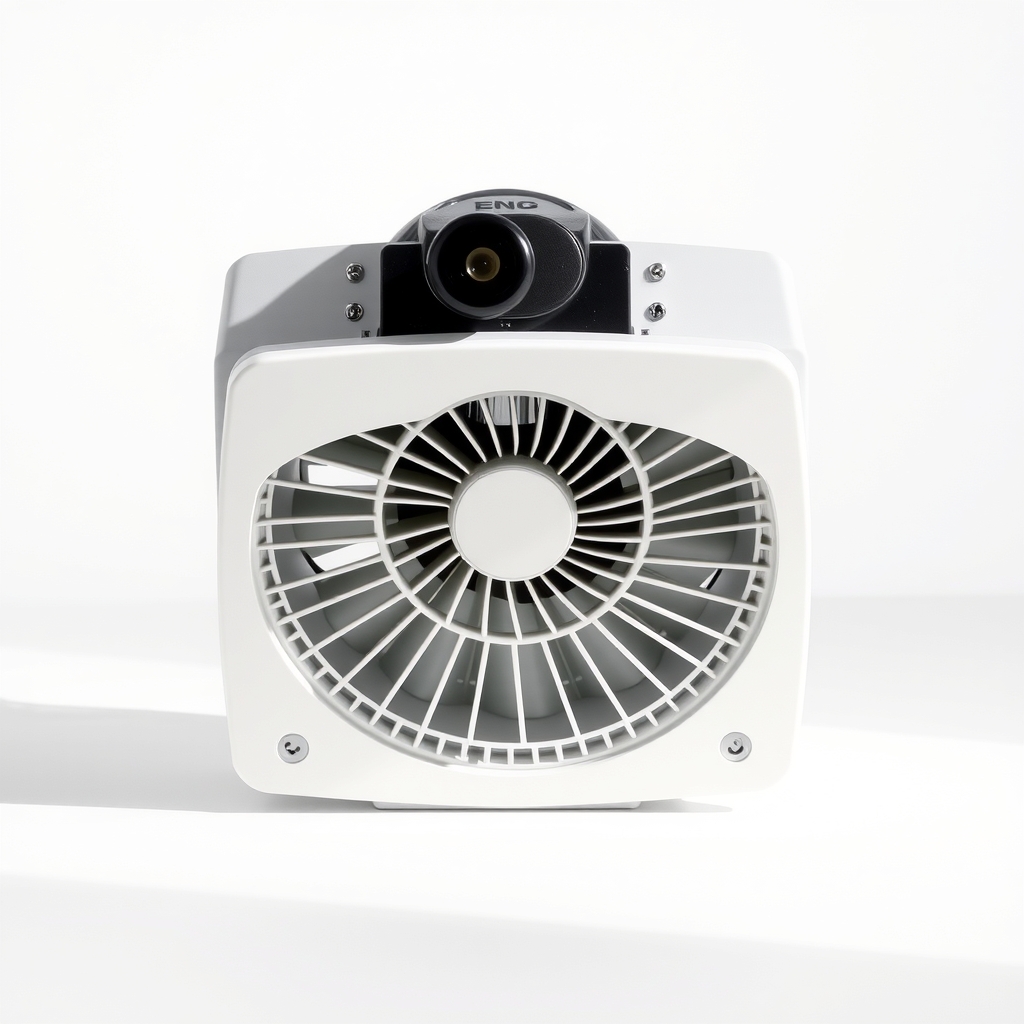
A humidity-sensing fan with the right CFM
A weak fan loses to the steam from a hot shower. A fan sized to the room, at about 1 CFM per square foot, clears the moisture. A humidity sensor then runs it as long as it is needed, so you do not have to remember.
What to get: Bathroom exhaust fan with a humidity sensor
How long it lasts: Years. It switches itself on when the air gets steamy and keeps going until it is dry.
As an Amazon Associate I earn from qualifying purchases.
What you'll need
-
Toilet tissue
One square is all the tissue test needs
You have it -
Screwdriver
To release the grille
You have it -
Vacuum with brush attachment
For dust on the grille, blades and housing
You have it -
Step stool
A stable one, so you are not reaching from a toilet lid
You have it - Illustration
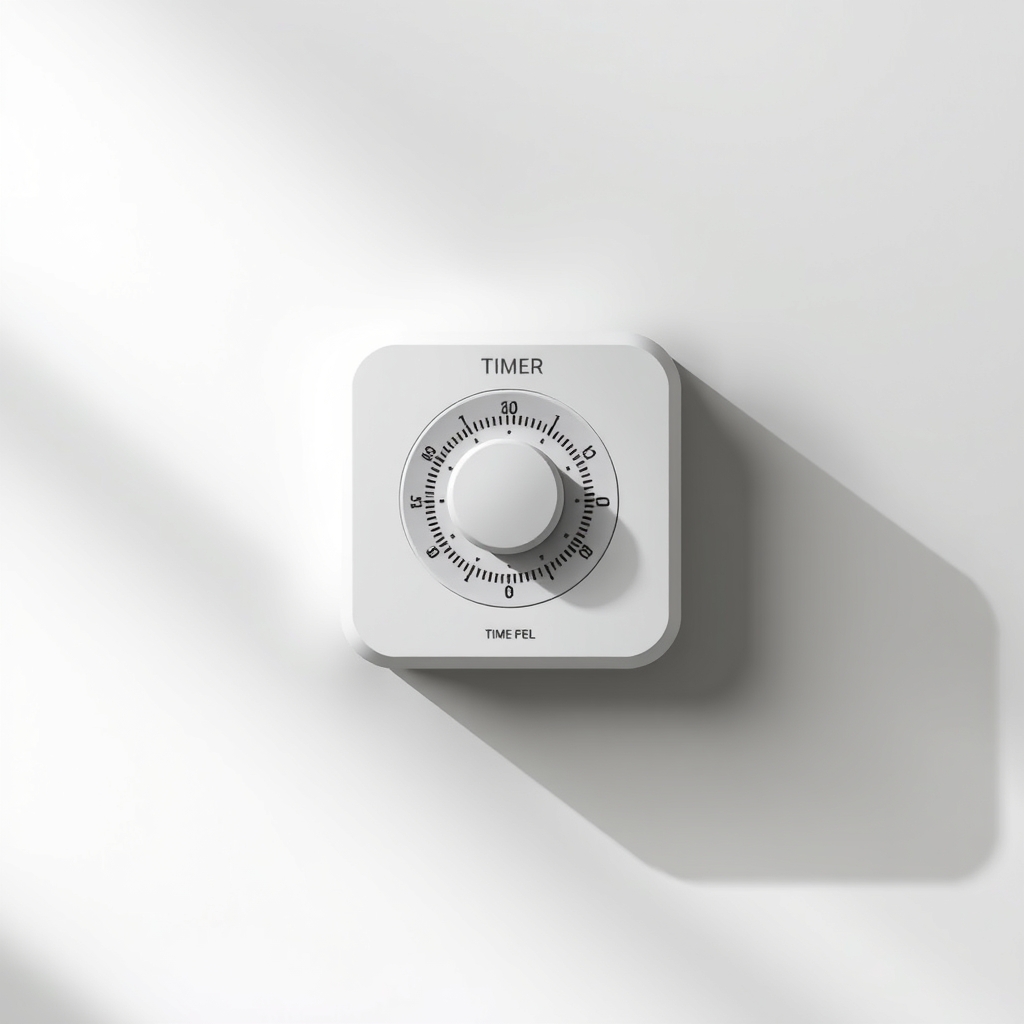
Wall timer switch
Keeps the fan running for a set time after you leave
- Our pick Illustration
Humidity-sensing exhaust fan
For a fan that cleaning cannot save
Why it happens
Dust and lint on the blades
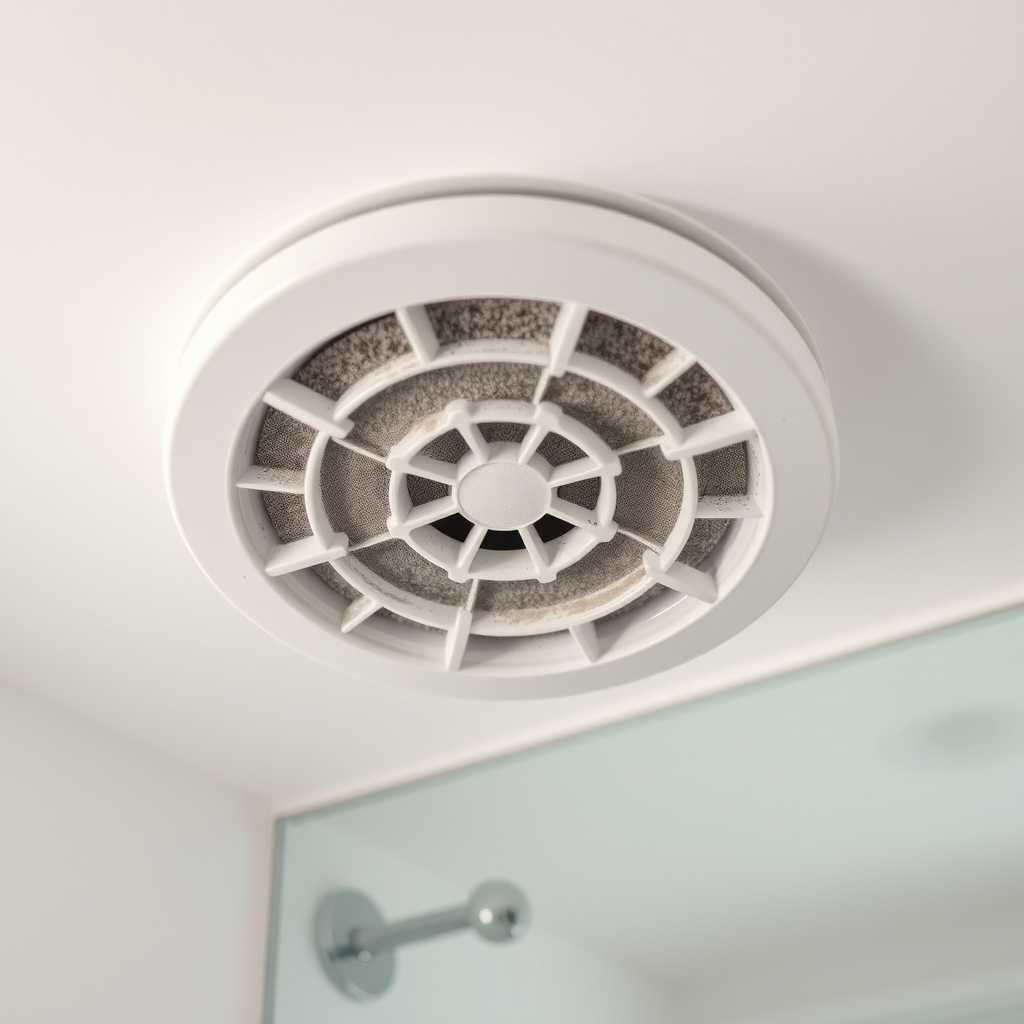
Dust clogs the grille and coats the blades and motor. A heavy layer can cut airflow a lot even though the fan still sounds fine.
A blocked, crushed or disconnected duct
Flexible duct sags, kinks or comes loose in the attic. Long runs and many bends also cut airflow. A duct that ends in the attic instead of outdoors lets moisture settle there and cause mold.
A stuck damper or blocked outside cap
The flap on the wall or roof cap can jam shut with lint, paint or a bird's nest. The air then has nowhere to go.
A fan that is too small for the bathroom
The rule of thumb is 1 CFM per square foot for bathrooms up to about 100 square feet, and never less than 50 CFM. Older builder-grade fans often sit at 50 CFM, and that rating is for ideal duct conditions.
No air coming in to replace it
A fan needs air to enter as it pushes air out. A tight door with no gap leaves the fan fighting for air.
Try this first (free)
Do these in order, starting with the simplest.
-
Do the tissue test
Tool used: Toilet tissueTurn the fan on and hold a single square of toilet tissue against the grille. A working fan holds it there. If it flutters, drops or clings weakly, the fan or duct is restricting airflow.
-
Cut the power and clean the fan
Tool used: Vacuum with brush attachmentSwitch the fan off at the breaker, not just the wall switch. Pull the grille down, since most squeeze or unscrew. Wash it in soapy water, vacuum the dust off the blades, housing and motor opening and put it back dry.
-
Check the duct and the outside cap
Tool used: Step stoolFrom outside, look at the vent cap. The flap should open when the fan runs. In the attic, only if you can reach it safely, look for duct that is crushed, sagging or disconnected, and tape loose joints with foil tape.
-
Let air in
Leave the door open a crack or make sure there is about a 1-inch gap under it, so air can replace what the fan pulls out.
-
Run it long enough
Tool used: Wall timer switchTurn the fan on before you start the shower and leave it on for 20 minutes afterward. Many weak-fan complaints are really short run times, and a timer switch does this for you.
IllustrationCheck price on AmazonTool for this step
Wall timer switch · Keeps the fan running for a set time after you leave
When free fixes aren't enough
If the tissue test passes after cleaning but the mirror is still fogged 15 minutes after a shower, the fan is too small or the duct run is too long for it. Check the label on the housing. If it lists 50 CFM or less, or the fan is 15 years old or more, it was never strong enough for a full shower. A replacement with enough CFM, a low sone rating and a humidity sensor solves it, since the sensor keeps it running until the air is dry. If the fan hums, smells of burning, sparks or runs hot, turn it off at the breaker and call an electrician.
Buy the fix
Still stuck after the free fixes? These are the products we would look at.
| Pick | Product | Fixes | Who it's for | Buy |
|---|---|---|---|---|
| Best pick | Bathroom exhaust fan with a humidity sensor | steam that lingers because the fan is too small or gets forgotten | Anyone whose tissue test stays weak after cleaning, or whose old fan is a 50 CFM builder-grade unit. | Check price |
| Budget pick | Wall timer switch for a bathroom fan | the fan being switched off too soon, when it still passes the tissue test | People whose fan works but who forget to leave it on after the shower. | Check price |
| Upgrade pick | 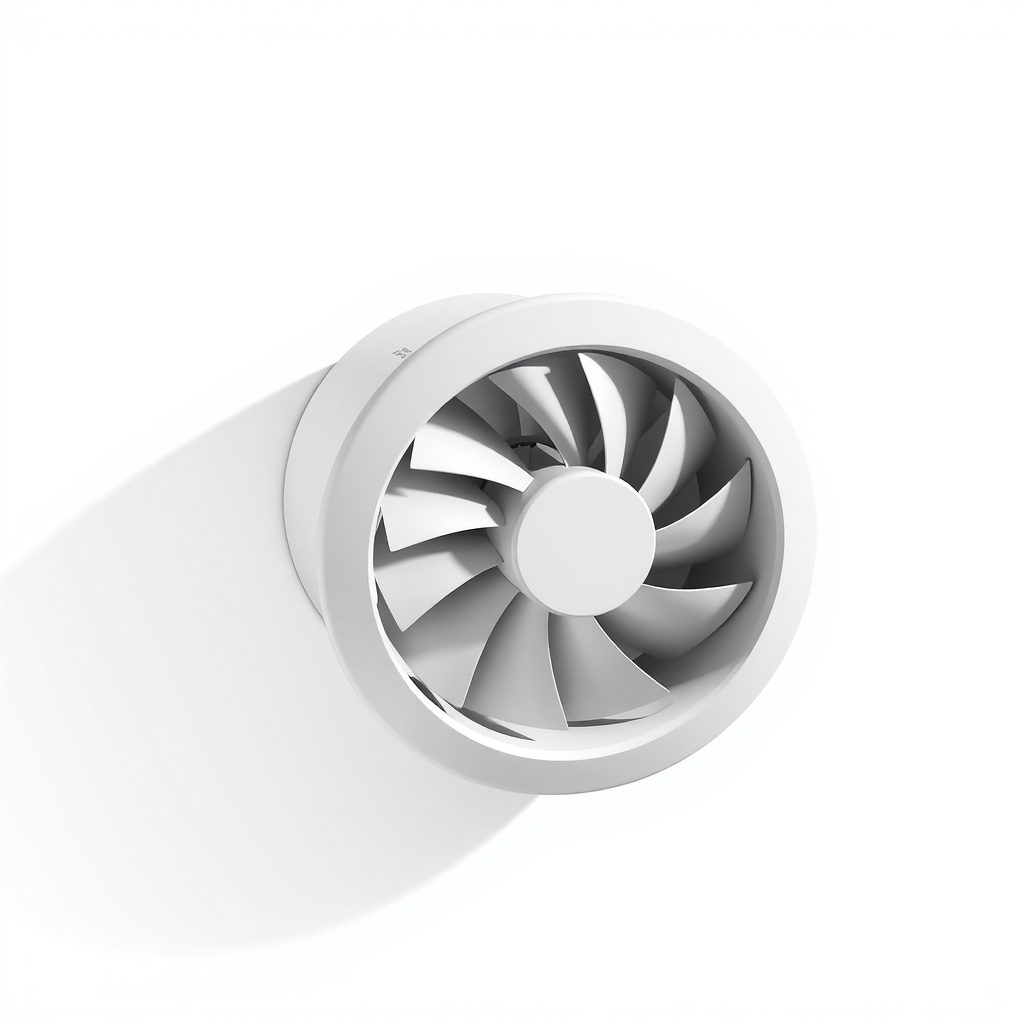 Quiet high-CFM exhaust fan for a large bathroom | steam in a large or multi-fixture bathroom that a standard fan cannot clear | Large bathrooms, primary baths and anyone with a separate shower and tub. | Check price |
Bathroom exhaust fan with a humidity sensor
Fixes: steam that lingers because the fan is too small or gets forgotten
Look for: CFM about equal to your bathroom's square footage, with a 50 CFM minimum; A sone rating of 1.5 or lower, and ideally 1.0 or lower for quiet; A built-in humidity sensor with an adjustable setting; A housing and duct size that match your old fan, often 4 or 6 inches.
- Who it's for
- Anyone whose tissue test stays weak after cleaning, or whose old fan is a 50 CFM builder-grade unit.
- Honest downside
- Cleaning fixed it, or the duct is long and tiny. A bigger fan will not help until the duct is fixed, and it needs a path outdoors.
Wall timer switch for a bathroom fan
Fixes: the fan being switched off too soon, when it still passes the tissue test
Look for: A rating for fan motors and your wiring, so check amps and whether it needs a neutral wire; Preset timers, such as 10, 20 and 30 minutes; A fit for your existing switch box and wall plate.
- Who it's for
- People whose fan works but who forget to leave it on after the shower.
- Honest downside
- The tissue test fails after cleaning, since a timer does not make a weak fan stronger. If you are unsure about wiring, hire an electrician.
Quiet high-CFM exhaust fan for a large bathroom
Fixes: steam in a large or multi-fixture bathroom that a standard fan cannot clear
Look for: Higher CFM for a large bathroom, adding about 50 CFM per fixture such as a toilet, shower or tub; A sone rating under 1; A 6-inch duct connection for strong flow; A humidity sensor or built-in timer.
- Who it's for
- Large bathrooms, primary baths and anyone with a separate shower and tub.
- Honest downside
- Your bathroom is small. An oversized fan is louder and can pull more air than the door lets in.
As an Amazon Associate I earn from qualifying purchases. We don't show prices because they change, so use the button to see today's price.
How we picked: How we picked: this page is based on ventilation guidance for bathrooms, HVI sizing rules, fan manuals, and what owners report in reviews of exhaust fans. We do not test products by hand.
What the numbers on a fan mean
- CFM: cubic feet of air moved per minute. Higher is stronger. Look for an HVI-certified figure.
- Sone: loudness. 1.0 or lower is very quiet, and 3.0 is loud.
- Humidity sensor: turns the fan on when the air gets damp, and off when it dries.
- Duct size: the opening on the housing, usually 4 or 6 inches.
Replacing the fan: what to know first
Turn the breaker off before you touch the wiring. A replacement that fits the same ceiling opening and duct size is the easiest job. If the new fan needs new wiring, a new roof or wall vent or a bigger hole in the ceiling, hire an electrician or a contractor.
What to skip
Window fans, sink-top fans and smaller ducts
A portable fan on the sink only moves steam around the room. Shrinking or lengthening the duct to quiet the fan makes it weaker. And never vent into the attic, since the moisture settles there and breeds mold.
Frequently asked questions
How do I know if my bathroom fan is strong enough?
How many CFM does my bathroom need?
My fan is quiet. Is it too weak?
Can I fit a stronger fan on the same duct?
How long should I run it after a shower?
Related problems
As an Amazon Associate I earn from qualifying purchases. Affiliate disclosure