Bathroom Fan Rattling in the Wind? A Better Vent Cap Fixes It
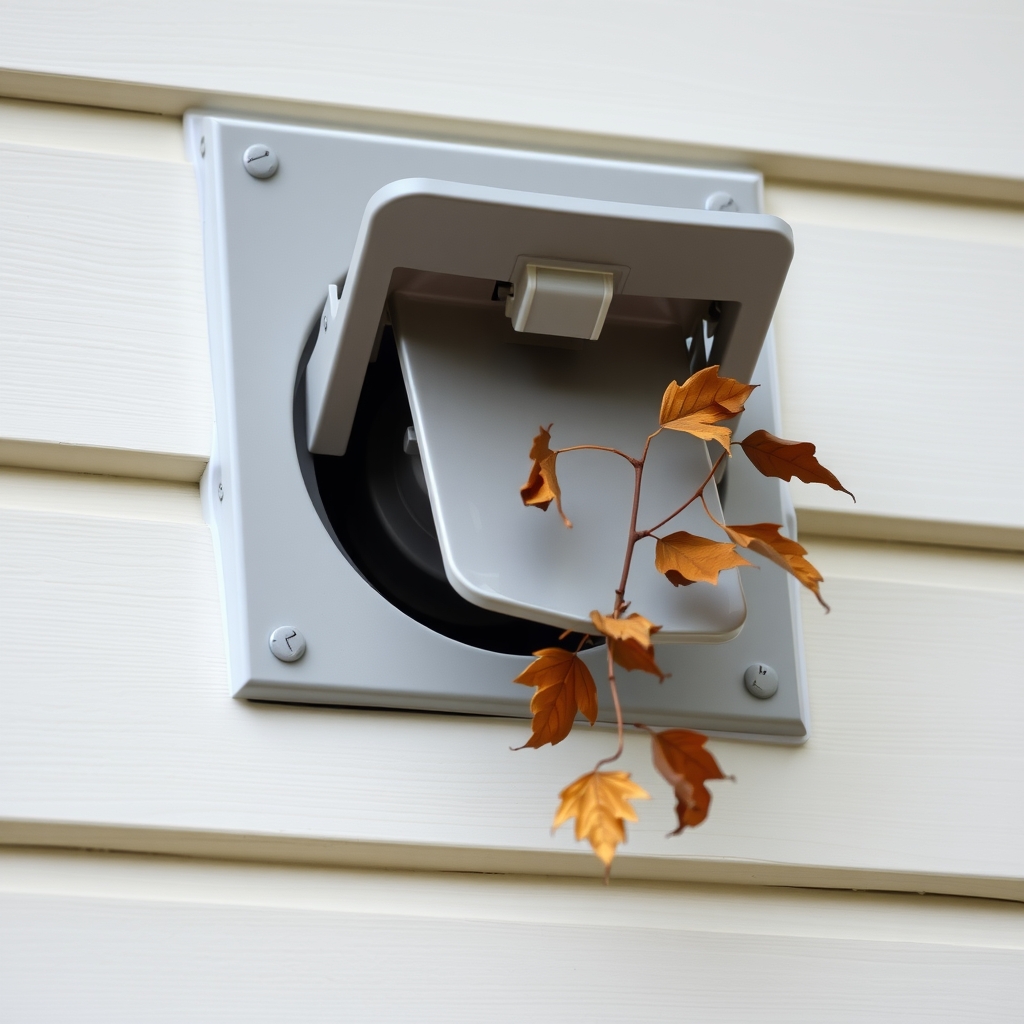
Wind slaps a loose or broken flap inside the outside vent cap. A cap with a proper backdraft damper stops the noise and keeps cold air out.
By Jamilur Rahman Updated November 5, 2026 · 6 min read
- Time
- 30 min
- Cost
- Under $20
- Difficulty
- Medium
In this guide
Quick answer
To stop a bathroom fan from rattling in wind, check the exterior vent cap first. Wind slaps a worn, loose or missing damper flap against the housing. Tighten and clear what you can, then replace the cap with a wall vent cap that has a tight-closing backdraft damper in your duct size.
Free fix vs. permanent fix
Tighten, clear and dampen
- Switch the fan off and confirm the noise comes from outside
- Tighten the cap screws
- Clear leaves, lint and any nest from the flap
- Add a little foam weatherstrip where the flap hits the frame
How long it lasts: Weeks to a season if the flap only has debris or a loose screw. A cracked flap or worn hinge starts rattling again.
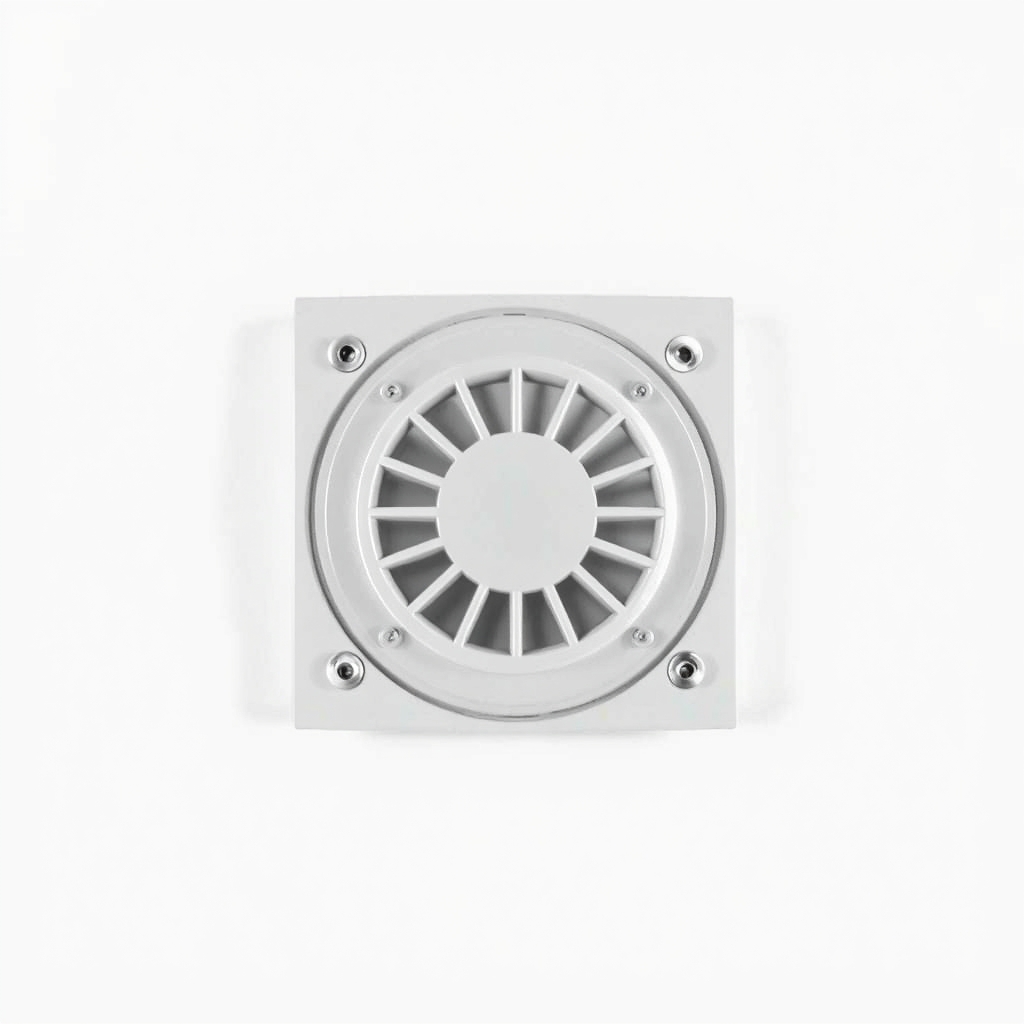
A wall vent cap with a backdraft damper
The rattle is a loose damper flap moving in the wind. A well-fitted cap with a tight-closing damper shuts firmly when the fan is off. That stops the noise and cuts down cold drafts and pests.
What to get: Exterior wall vent cap with backdraft damper
How long it lasts: Years. The flap shuts firmly when the fan is off, so wind has nothing to rattle.
As an Amazon Associate I earn from qualifying purchases.
What you'll need
-
Sturdy ladder
Set it on firm, level ground and keep three points of contact
You have it -
Screwdriver and work gloves
Gloves protect you from nests and sharp edges
You have it - Illustration
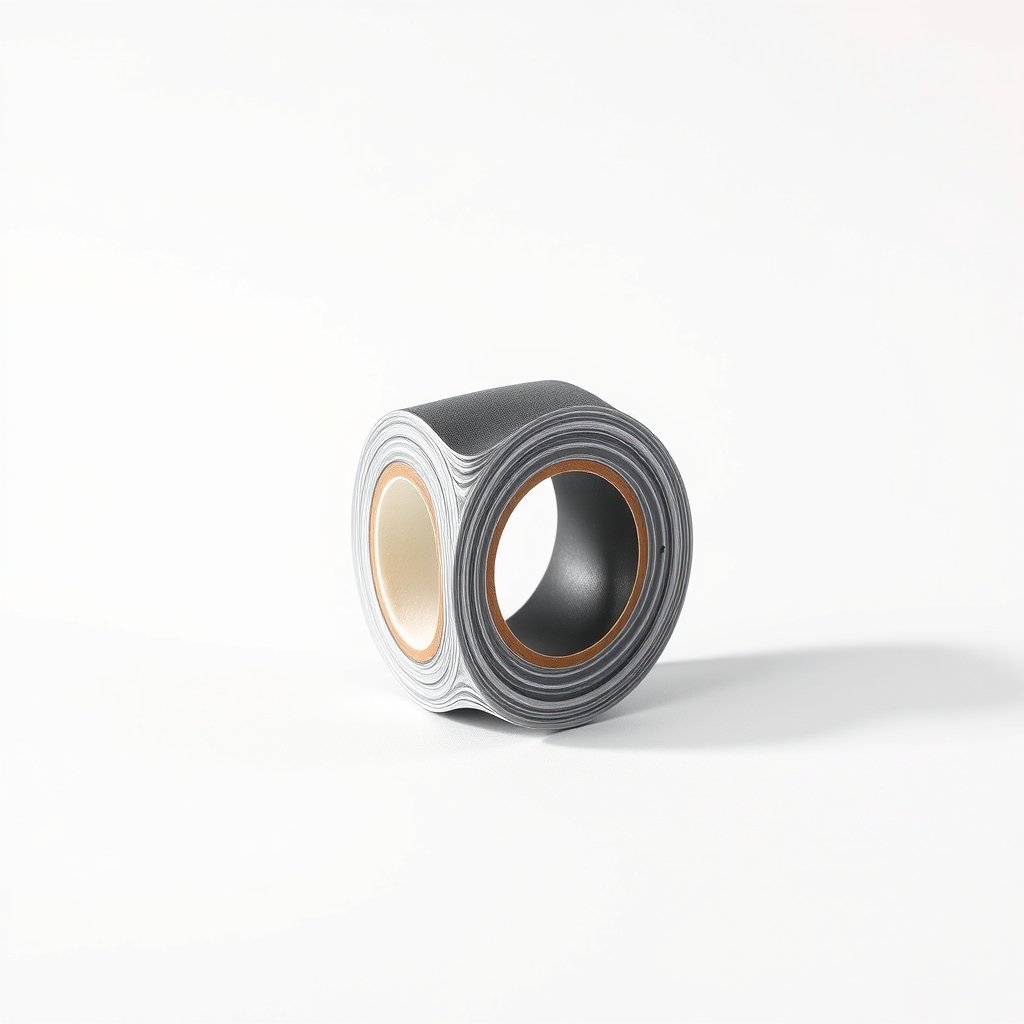
Foam weatherstrip tape
Quiets a flap that is only a little loose
- Our pick Illustration
Wall vent cap with backdraft damper
In the same duct size as your fan
- Illustration
Exterior sealant
Seals the new cap to the wall so rain stays out
Why it happens
A loose or worn damper flap
Backdraft dampers are thin flaps. Cheap or old ones hang loose, so a gust slaps them open and shut against the housing.
A broken or missing damper
Some old or builder-grade caps have a damper that is cracked, bent or gone. Then there is nothing to hold the flap shut.
Debris or a nest
Leaves, lint, or a bird or wasp nest can jam the flap partly open so wind buzzes it.
A loose duct or cap screws
A duct that is not clamped tight, or a cap with missing screws, can rattle even when the damper is fine.
Try this first (free)
Do these in order, starting with the simplest.
-
Find where the noise comes from
On a windy day, switch the fan off and listen. If the rattle continues, it is the outside cap or the duct, not the fan. If it only rattles when the fan runs, clean the grille and check the fan mounting from inside instead.
-
Check the cap from a safe ladder
Tool used: Sturdy ladderSet the ladder on firm ground. Look at the flap or louver. It should close fully with no gap. Wear gloves in case of a nest, and never reach into the duct.
-
Tighten and clear
Tool used: Screwdriver and work glovesTighten loose cap screws and clear debris from the flap. If a metal flap is bent, ease it back gently.
-
Dampen the slap
Tool used: Foam weatherstrip tapeStick a strip of foam weatherstrip where the flap meets the frame. This softens the knock and helps it close more snugly. If the flap or hinge is cracked, move on to a new cap.
IllustrationCheck price on AmazonTool for this step
Foam weatherstrip tape · Quiets a flap that is only a little loose
-
Swap the cap
Tool used: Wall vent cap with backdraft damperSwitch the fan off at the wall. Remove the old cap screws and slide the cap off the duct. Slip the new cap onto the duct, screw it to the wall and seal its edge with exterior sealant.
IllustrationCheck price on AmazonTool for this step
Wall vent cap with backdraft damper · In the same duct size as your fan
When free fixes aren't enough
Foam strips and tight screws quiet a mildly loose flap. If the flap is cracked, bent or missing, no tweak will make it close firmly, and a new cap with a damper is the fix. Measure your duct first. Stop if the vent comes out through the roof or a soffit rather than a wall, since those need a different part. If the cap is high up or the ground is steep, hire a handyman rather than risk a fall.
Buy the fix
Still stuck after the free fixes? These are the products we would look at.
| Pick | Product | Fixes | Who it's for | Buy |
|---|---|---|---|---|
| Best pick | Exterior wall vent cap with backdraft damper | a flapping damper that rattles when wind hits the vent | Anyone whose bathroom fan exhausts through a side wall and rattles in the wind. | Check price |
| Budget pick | Self-adhesive foam weatherstrip tape | a flap that knocks when the wind pushes it | A cap that is otherwise sound and just a little loose. | Check price |
Exterior wall vent cap with backdraft damper
Fixes: a flapping damper that rattles when wind hits the vent
Look for: A duct collar that matches your duct, since 4 inches is common for bathroom fans, so measure yours; A damper that closes firmly on its own; UV-stable plastic or metal that will not warp in sun.
- Who it's for
- Anyone whose bathroom fan exhausts through a side wall and rattles in the wind.
- Honest downside
- Your fan vents through the roof or a soffit. Those need a roof or soffit vent instead.
Self-adhesive foam weatherstrip tape
Fixes: a flap that knocks when the wind pushes it
Look for: Closed-cell foam that does not soak up water; Adhesive that sticks to plastic or metal outdoors; Thin enough not to hold the flap open.
- Who it's for
- A cap that is otherwise sound and just a little loose.
- Honest downside
- The flap is cracked, bent or missing. Foam will not make it close tightly.
As an Amazon Associate I earn from qualifying purchases. We don't show prices because they change, so use the button to see today's price.
How we picked: How we picked: this page is based on bathroom exhaust fan installation guides, manufacturer notes on vent caps and dampers, and the problems and fixes owners report in reviews. We do not test products by hand.
Where does your fan vent? Match the cap
- Side wall: use a wall vent cap with a damper. This is the fix on this page.
- Roof: use a roof vent with a damper, which is a different part.
- Soffit: use a soffit vent made for fan exhaust.
- Into the attic: most building codes require bathroom fans to vent outdoors. Ask a pro to run a proper duct to the outside.
What to skip
Stuffing the duct or sealing the vent shut
Rags in the duct or tape over the cap stop the rattle but trap steam inside the house and can lead to mold. A bathroom fan needs a clear path outside. Fix the flap instead.
Frequently asked questions
Why does my bathroom fan rattle when it is windy?
What is a backdraft damper?
Can I just seal the outside vent?
What size vent cap do I need?
Related problems
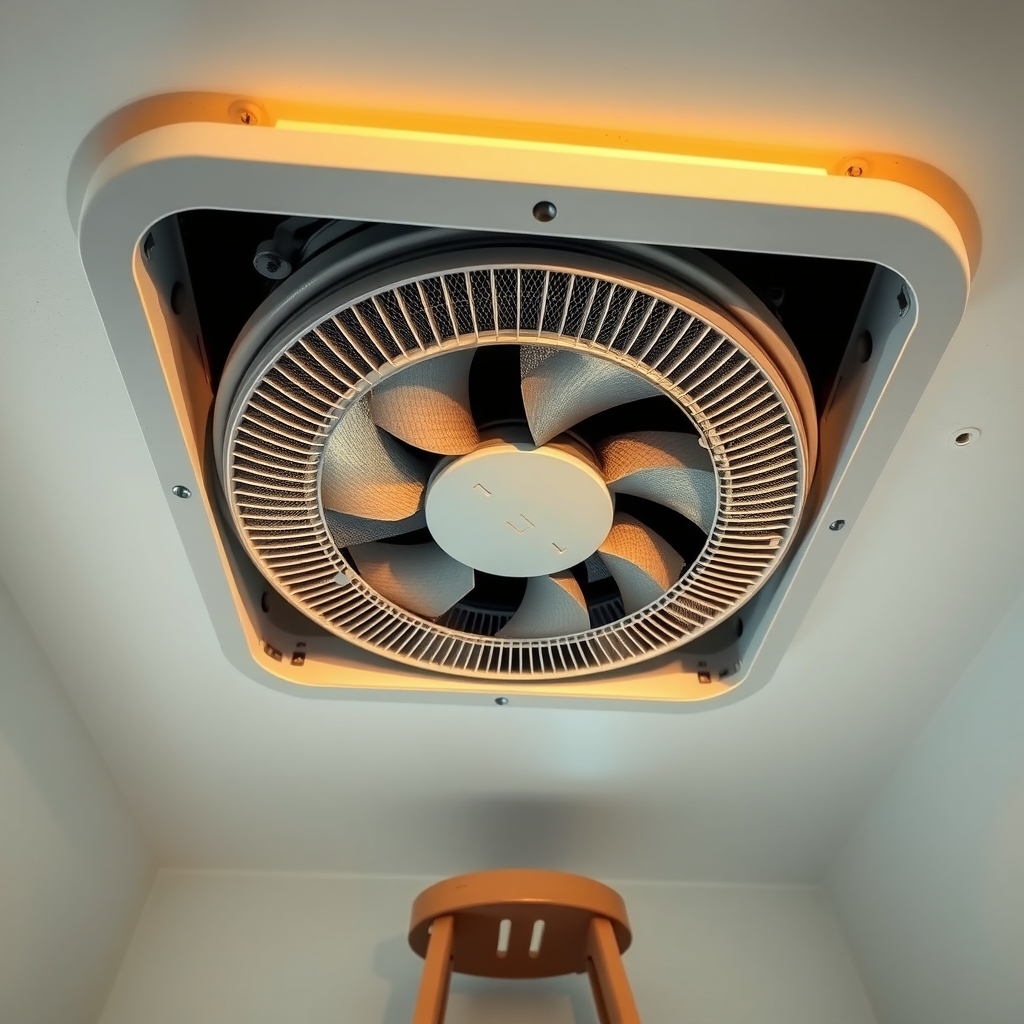 Free fix inside
Bathroom · Bathroom Fan
Bathroom Fan So Loud? Clean It First, Then Check the Sone Rating
Read the fix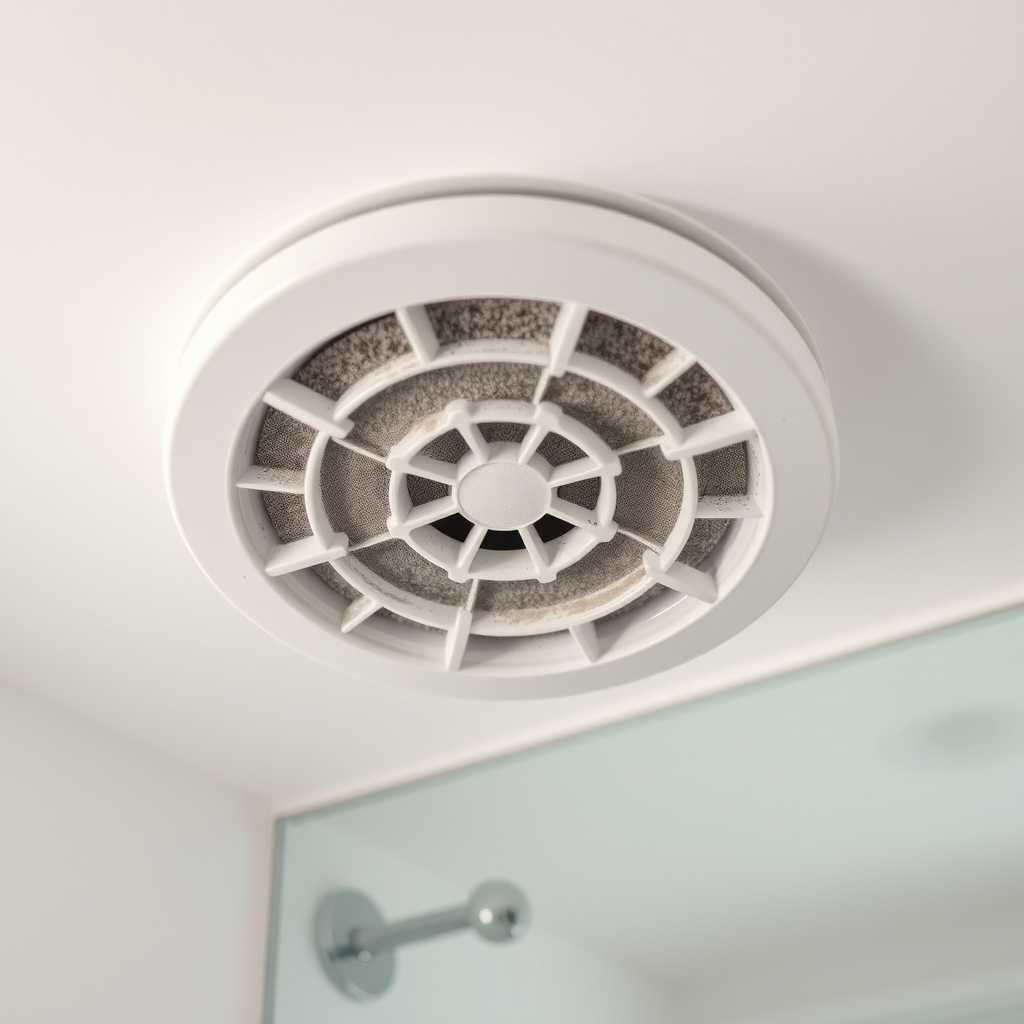 Free fix inside
Bathroom · Bathroom Fan
Bathroom Fan Not Strong Enough? The Tissue Test and What to Buy
Read the fix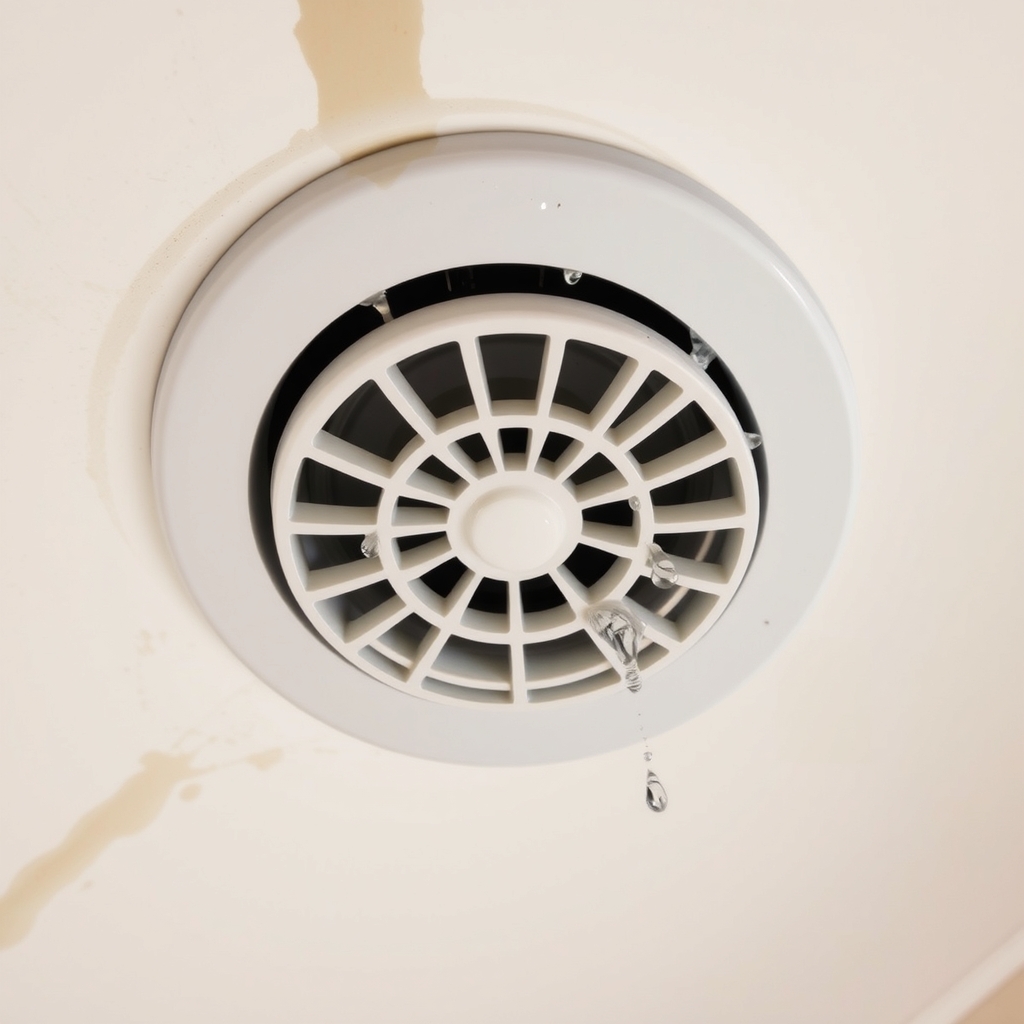 Free fix inside
Bathroom · Bathroom Fan
Bathroom Fan Dripping Water? Insulate the Duct, Not the Fan
Read the fix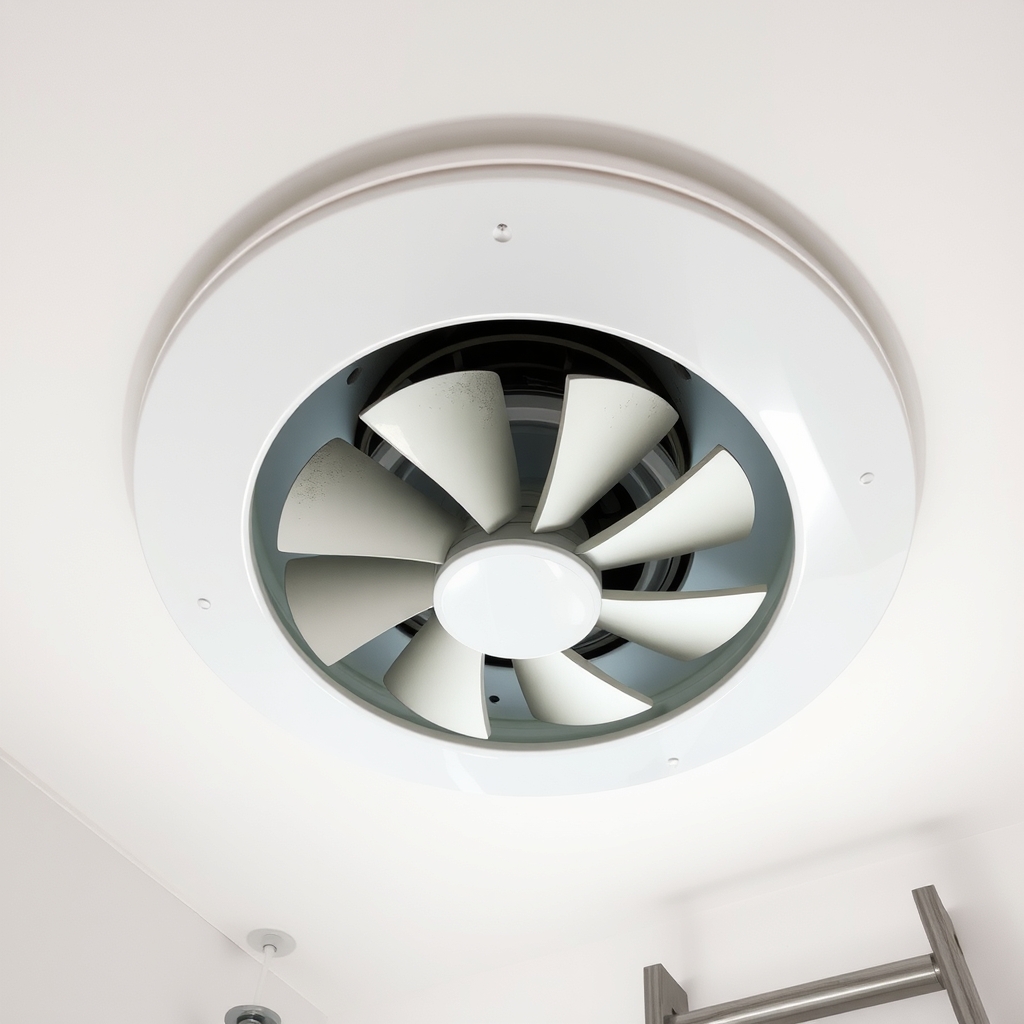 Free fix inside
Bathroom · Bathroom Fan
Bathroom Fan Not Working? Test It, Then Replace the Motor or Unit
Read the fixAs an Amazon Associate I earn from qualifying purchases. Affiliate disclosure