Bathroom Fan Not Working? Test It, Then Replace the Motor or Unit
Most dead bathroom fans need a switch check, a dust cleaning or a new motor. Test in this order and only buy a part once you know where the fault is.
By Jamilur Rahman Updated November 5, 2026 · 8 min read
- Time
- 45 min
- Cost
- $20-$50
- Difficulty
- Medium
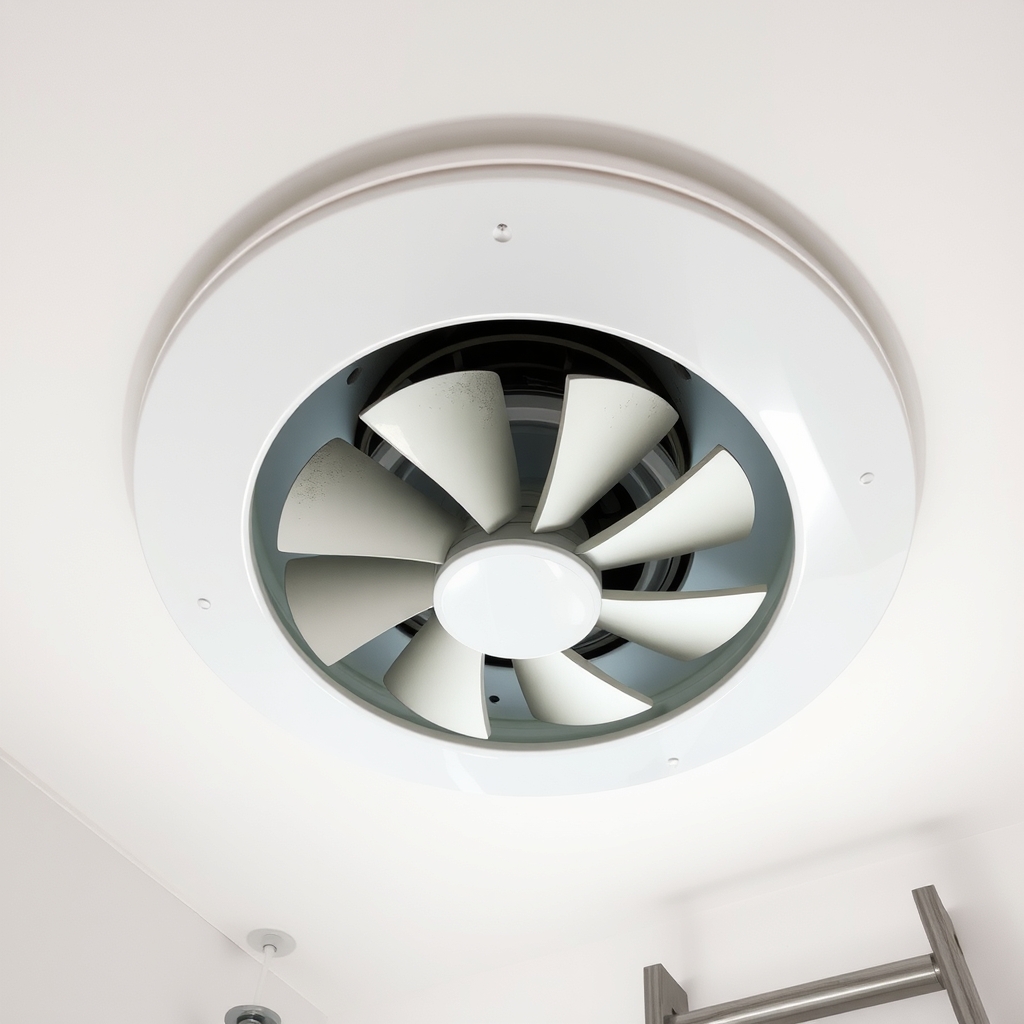
In this guide
Quick answer
Why is my bathroom fan not working? Usually it is a switch or breaker problem, a blade jammed with dust, a stuck vent flap or a dead motor, so cut the power, clean the fan and spin the blade by hand. If it still will not run when power is reaching it, replace the motor assembly that matches your model number, or the whole unit if the fan is old.
Free fix vs. permanent fix
Check power, clean and free the blades
- Check the wall switch and the breaker
- Cut power, remove the cover and vacuum the blades
- Spin the blade by hand; it should turn freely
- Check the outside vent flap for a stuck damper
How long it lasts: Years, if the fan was only jammed with dust or the switch was off. It will not revive a burned-out motor.
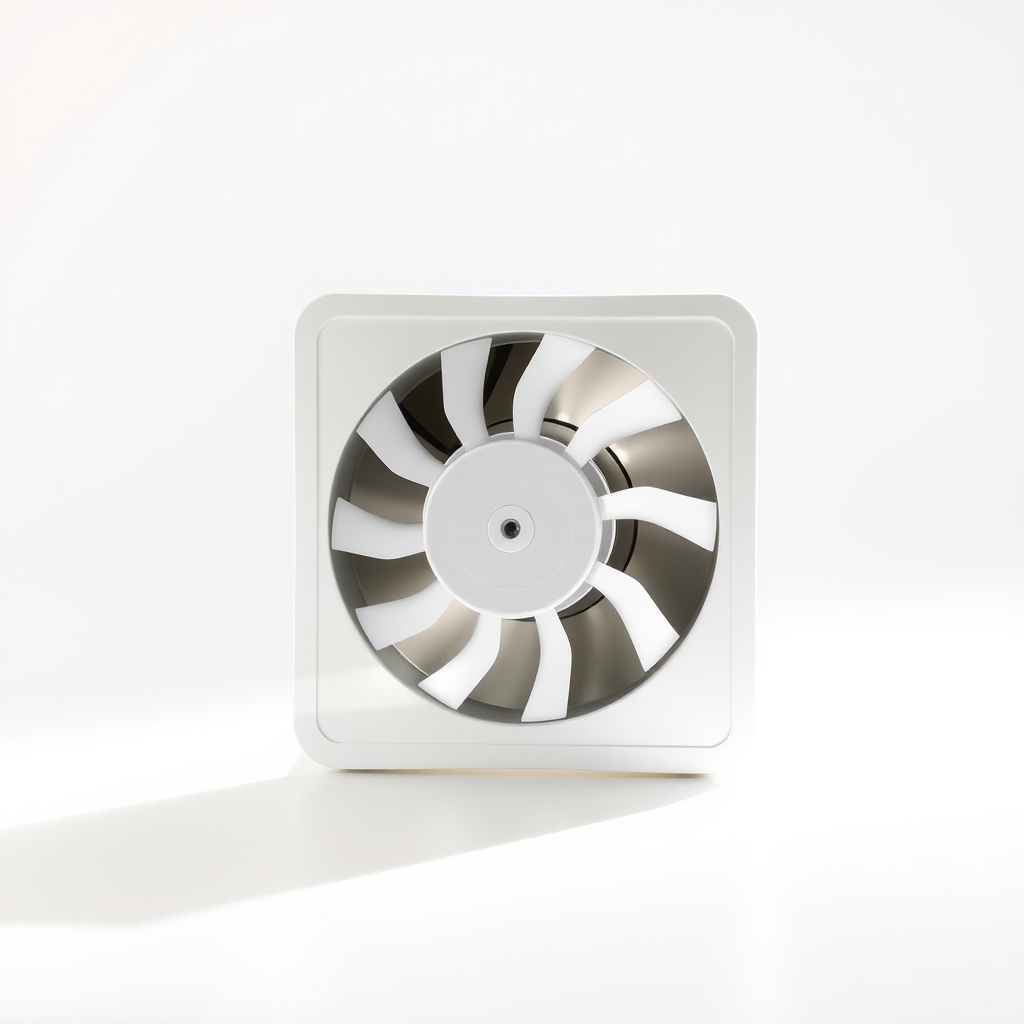
A replacement motor assembly matched to your fan
If the blade spins freely and power reaches the fan, the motor is the failure. A motor assembly made for your housing swaps in with a plug and a couple of screws, and costs less than a new fan.
What to get: Bathroom exhaust fan replacement motor assembly (match your model)
How long it lasts: Many years, like a new motor. It brings the fan back to the airflow it had when it was new.
As an Amazon Associate I earn from qualifying purchases.
What you'll need
- Illustration
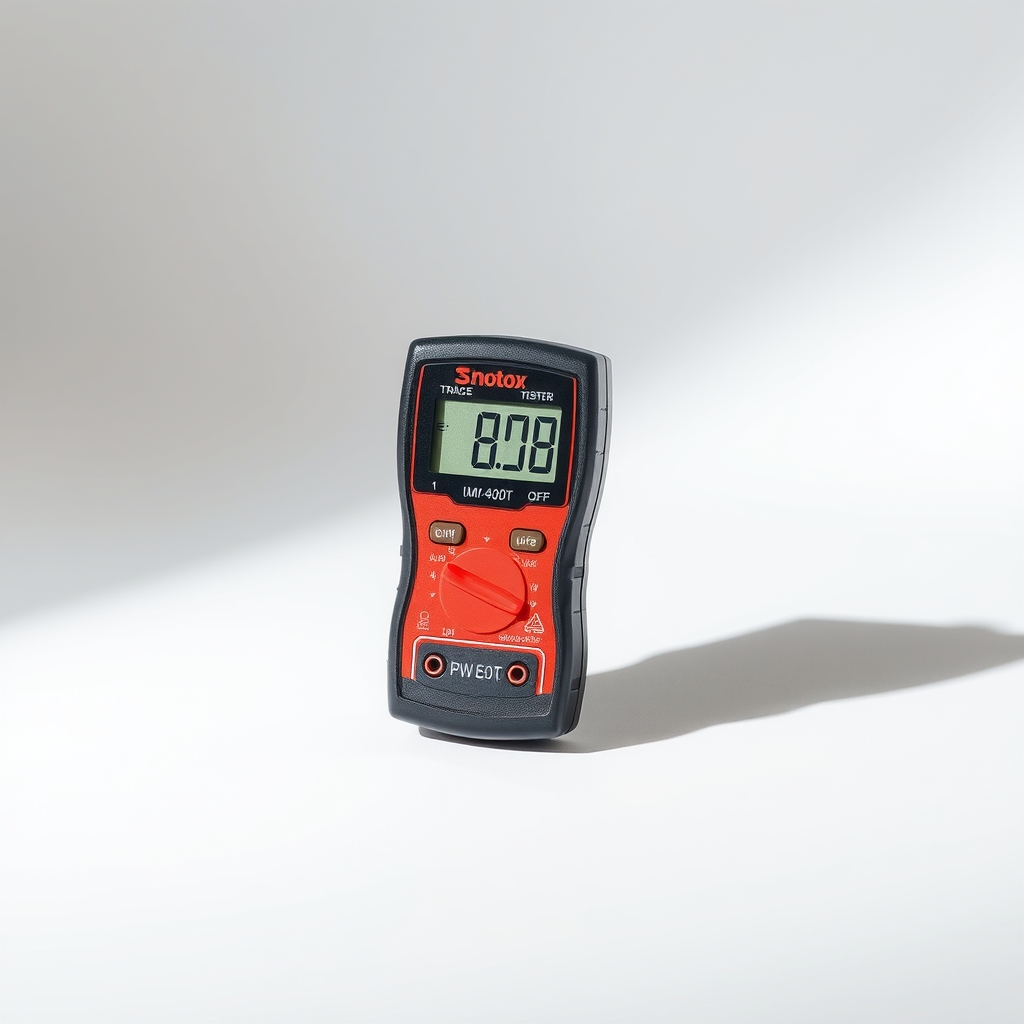
Non-contact voltage tester
Confirms the wires are dead before you touch them
-
Phillips screwdriver
For the grille, the motor plate and the screws
You have it -
Vacuum with brush attachment
Pulls dust off the blade and housing
You have it - Our pick Illustration
Replacement motor assembly for your fan model
Match the model number on the label inside the housing
- Illustration
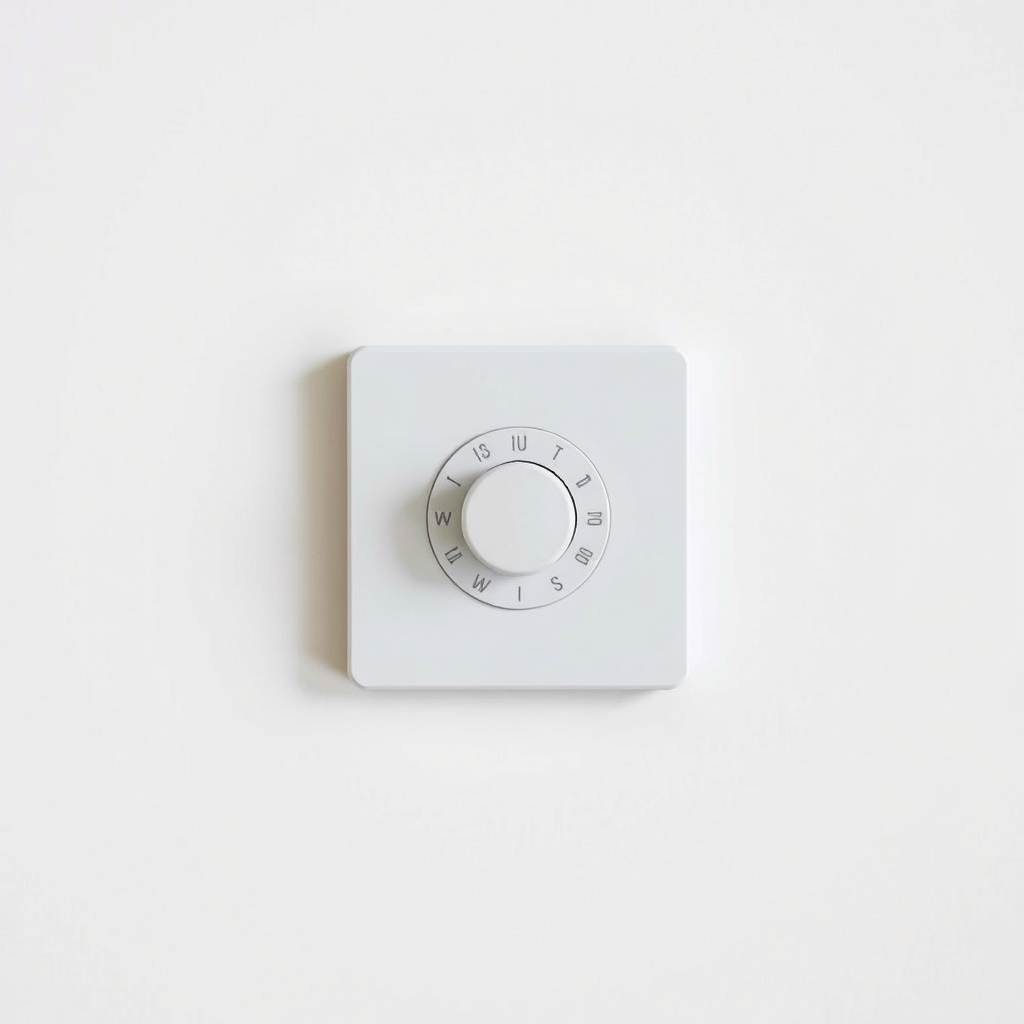
Replacement wall switch
Only if power stops at the switch
- Illustration
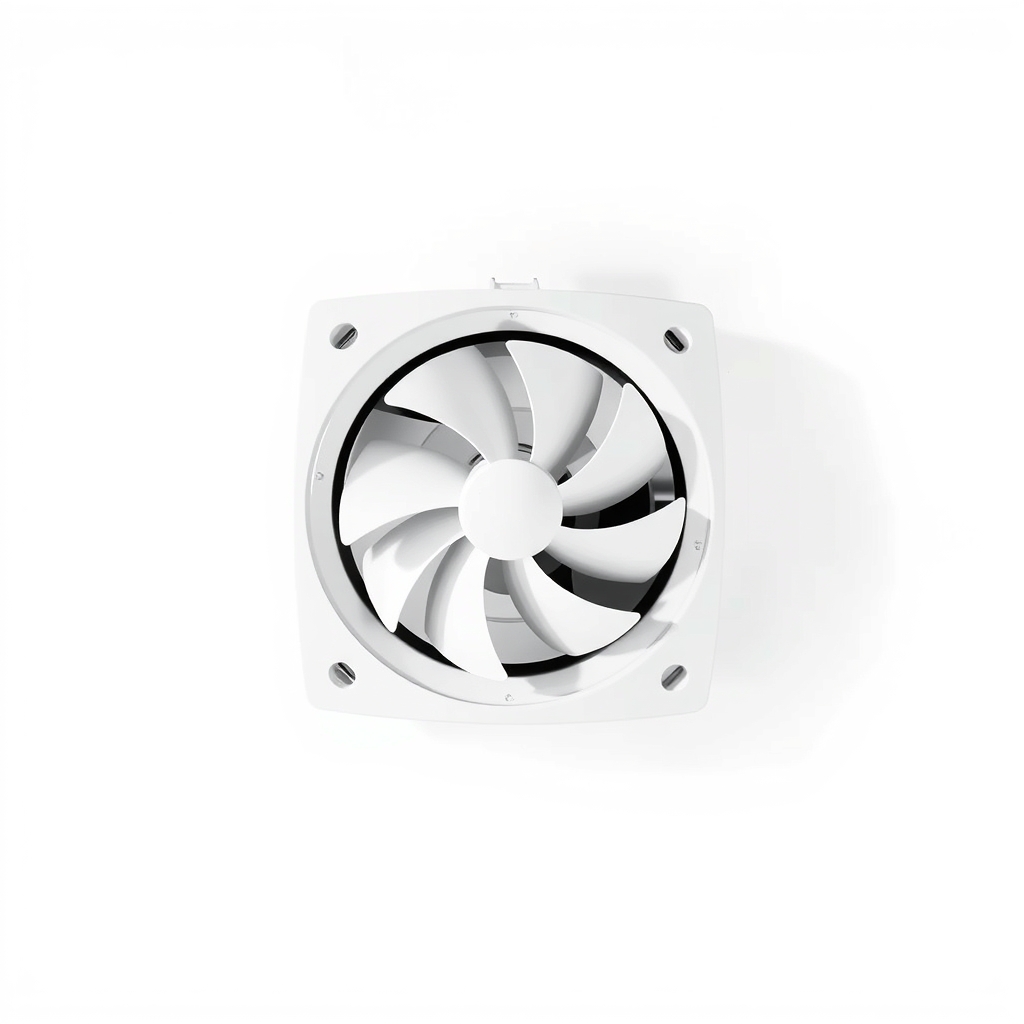
Quiet bathroom exhaust fan
For old, noisy fans not worth repairing
Why it happens
No power reaching the fan
A tripped breaker, an off switch, a worn-out switch or a loose wire all look the same: nothing happens when you flip the switch.
Dust and lint jamming the blades
Years of lint wrap the blower wheel and clog the motor vents, so the fan hums, crawls or stalls.
A stuck damper or blocked duct
The flap outside or in the duct can jam shut with grime, a nest or ice. The fan runs but moves little air, or struggles to start.
A dead or worn motor
Bearings dry out and windings fail, especially in fans over 10 to 15 years old that live in steam.
Try this first (free)
Do these in order, starting with the simplest.
-
Fan not turning on? Check the switch and the breaker
Flip the wall switch both ways. Look at the breaker panel for a tripped breaker on the bathroom circuit and reset it once. If it trips again, stop and call an electrician.
-
Turn the power off and test it
Tool used: Non-contact voltage testerSwitch off the breaker. Hold the voltage tester near the fan's wires and connector. No beep means no power. Never touch wiring until you have confirmed it is dead.
IllustrationCheck price on AmazonTool for this step
Non-contact voltage tester · Confirms the wires are dead before you touch them
-
Remove the grille and vacuum
Tool used: Vacuum with brush attachmentSqueeze or unscrew the grille. Vacuum the blower wheel, the housing and the motor vents. Wipe with a damp cloth and let it dry.
-
Fan not spinning? Turn the blade by hand
Spin the blower wheel with a finger. It should turn smoothly and coast for a moment. If it is stiff, squeaks or catches, the motor bearing is worn.
-
Check the vent flap
Look outside, or into the duct where you can reach it. Free a stuck flap and clear any nest, lint or ice. A jammed flap makes a fan seem dead.
-
Swap the motor
Tool used: Phillips screwdriverWith the breaker off and confirmed dead, unplug the motor connector, take out the motor plate screws and remove the motor. Fit the new one and reconnect. Match the model number on the label.
When free fixes aren't enough
If the blade spins freely, power reaches the fan and it still will not run, or it hums, smells hot or runs at a crawl, the motor is finished. Replace it with a motor made for your model. The model number is on a label inside the housing. If the fan is more than about 15 years old, very loud or no longer has parts available, a whole new unit is usually the better buy. Stop and call an electrician if you smell burning, see scorching, feel the housing hot, hear buzzing with no spin or the breaker keeps tripping.
Buy the fix
Still stuck after the free fixes? These are the products we would look at.
| Pick | Product | Fixes | Who it's for | Buy |
|---|---|---|---|---|
| Best pick | Bathroom exhaust fan replacement motor assembly (match your model) | a dead or seized motor in a fan that is otherwise sound | Anyone whose label shows a model number they can match and whose fan is not too old. | Check price |
| Budget pick | Replacement wall switch or timer switch for a bathroom fan | a fan that gets no power because the wall switch has failed | You confirmed power stops at the switch. | Check price |
| Upgrade pick | Quiet bathroom exhaust fan sized to your room | an old, noisy or underpowered fan that is not worth repairing | Anyone whose fan is very old, loud or no longer supported with parts. | Check price |
Bathroom exhaust fan replacement motor assembly (match your model)
Fixes: a dead or seized motor in a fan that is otherwise sound
Look for: Listed as compatible with your exact fan model number; The same CFM and voltage as the original; A plug-in connector that matches your housing; Tells you whether the blower wheel is included.
- Who it's for
- Anyone whose label shows a model number they can match and whose fan is not too old.
- Honest downside
- The fan is about 15 years old or more, the maker no longer sells parts or the housing is rusted or cracked.
Replacement wall switch or timer switch for a bathroom fan
Fixes: a fan that gets no power because the wall switch has failed
Look for: A rating that covers the fan's amps; The same type as your wiring, such as single-pole; A fit for your wall box and cover plate.
- Who it's for
- You confirmed power stops at the switch.
- Honest downside
- You are not comfortable working with household wiring, or the fan hums when it gets power. Call an electrician.
Quiet bathroom exhaust fan sized to your room
Fixes: an old, noisy or underpowered fan that is not worth repairing
Look for: About 1 CFM per square foot of floor, for bathrooms up to 100 square feet; A low sone rating, 1.5 or lower; A housing that fits your ceiling opening, or a retrofit kit; A duct size that matches your existing duct.
- Who it's for
- Anyone whose fan is very old, loud or no longer supported with parts.
- Honest downside
- The existing fan only needs a new motor. A motor costs less.
As an Amazon Associate I earn from qualifying purchases. We don't show prices because they change, so use the button to see today's price.
How we picked: How we picked: this page is based on exhaust fan manuals, basic electrical safety guides and the failures and fixes people report in owner reviews of replacement motors. We do not test products by hand.
Where to find your fan's model number
Turn off the breaker, take off the grille and look at the housing or motor plate. Most fans carry a label with the maker, model number and CFM rating. Take a photo of it. Match the replacement motor to that exact model, not to a fan that merely looks the same.
When to stop and call an electrician
- You smell burning or see scorch marks.
- The breaker trips again after you reset it.
- The housing feels hot to the touch.
- You are not comfortable working on household wiring.
What to skip
Oil sprays, jammed-blade tests and no-name motors
Oil in a worn motor may buy a short pause, then it collects dust. Never run a fan with a jammed blade or poke around live wiring to see if it catches. Skip very cheap motors with no model number listed. If you cannot confirm it fits your housing, do not buy it.
Frequently asked questions
Bathroom fan not turning on: what should I check first?
Bathroom fan not spinning but humming: what does that mean?
How do I fix a bathroom fan that is not working without replacing it?
How do I fix a bathroom fan motor?
Why does my bathroom fan not work after it ran fine for years?
Related problems
 Free fix inside
Bathroom · Bathroom Fan
Bathroom Fan So Loud? Clean It First, Then Check the Sone Rating
Read the fix Free fix inside
Bathroom · Bathroom Fan
Bathroom Fan Not Strong Enough? The Tissue Test and What to Buy
Read the fix Free fix inside
Bathroom · Bathroom Fan
Bathroom Fan Dripping Water? Insulate the Duct, Not the Fan
Read the fix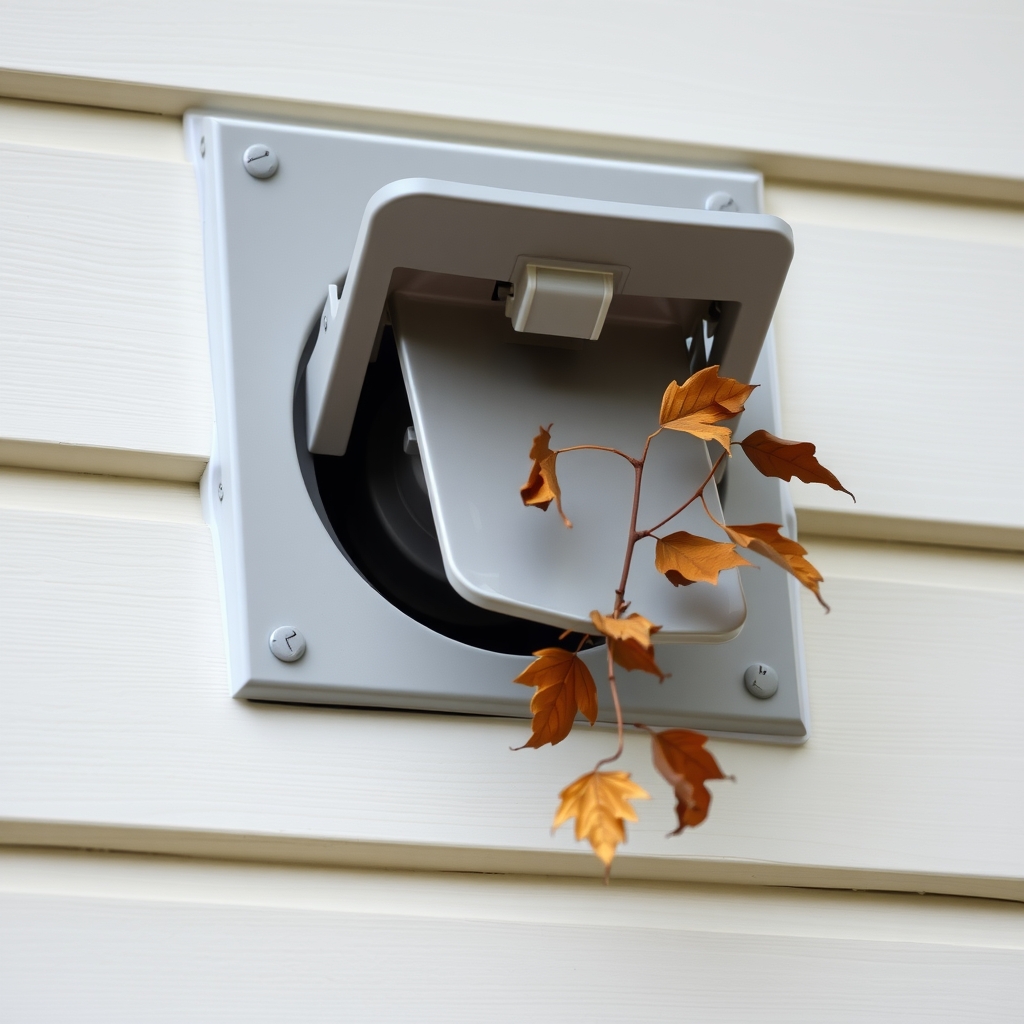 Free fix inside
Bathroom · Bathroom Fan
Bathroom Fan Rattling in the Wind? A Better Vent Cap Fixes It
Read the fixAs an Amazon Associate I earn from qualifying purchases. Affiliate disclosure