Shower Curtain Keeps Getting Moldy? Why It Happens and What to Buy
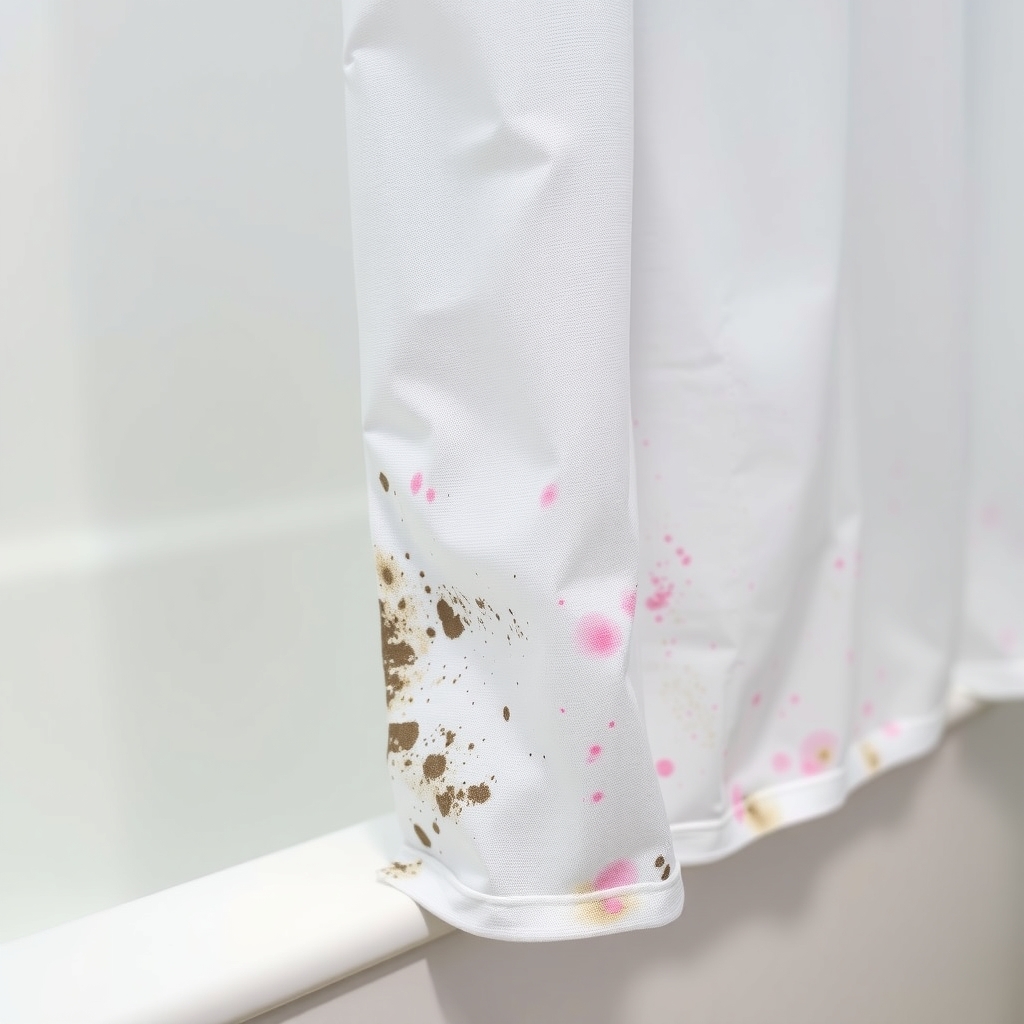
Damp folds, soap scum and plastic that never dries feed the growth. Wash it, dry it open, then switch to a mildew-resistant fabric liner.
By Jamilur Rahman Updated November 5, 2026 · 6 min read
- Time
- 30 min plus drying
- Cost
- Under $20
- Difficulty
- Easy
In this guide
Quick answer
Your shower curtain gets moldy so fast because the folds stay wet, soap scum feeds the growth and a plain plastic liner never dries out. Wash it in the machine and hang it open to dry, then switch to a mildew-resistant fabric liner you can wash every month, so the spots stop coming back.
Free fix vs. permanent fix
Machine wash, then dry it spread out
- Wash on gentle with old towels, warm water and baking soda
- Add white vinegar to the rinse, never with bleach
- Hang it to dry, since plastic melts in a dryer
- Spread it flat across the rod after every shower
How long it lasts: A few weeks to a couple of months, if the curtain still sits bunched and wet after every shower.
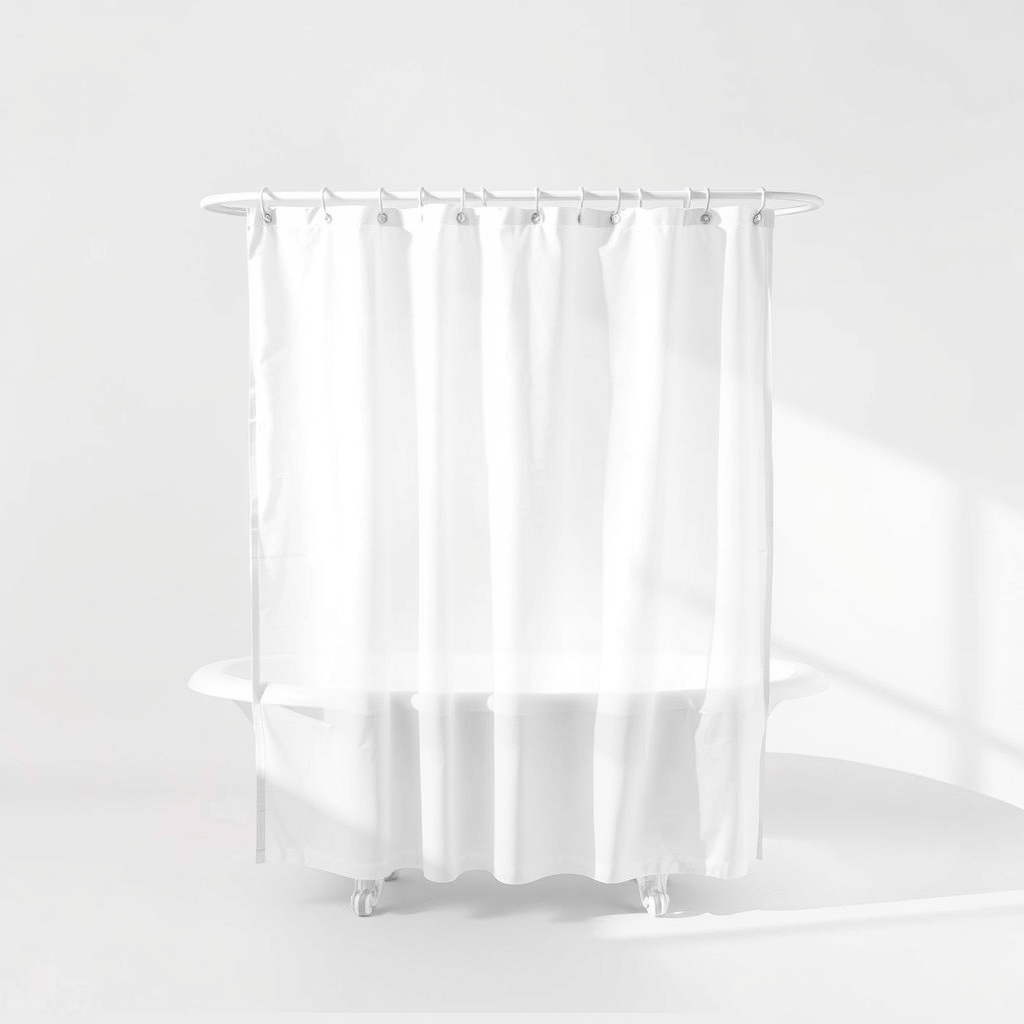
A mildew-resistant fabric liner
Plain plastic holds a film of water and soap in every fold. A tight-weave, water-repellent fabric liner dries faster and goes through the washing machine, so you can reset it before growth takes hold. No liner is mold-proof, but this one is easy to keep clean.
What to get: Mildew-resistant fabric shower liner
How long it lasts: Years. You wash it monthly instead of throwing it away.
As an Amazon Associate I earn from qualifying purchases.
What you'll need
-
Washing machine and old towels
The towels scrub the liner as it turns
You have it -
Baking soda and white vinegar
Gentle, cheap and safe for most liners
You have it -
Soft scrub brush
For spot-cleaning the hem
You have it - Our pick Illustration
Mildew-resistant fabric shower liner
Machine washable, so you can reset it every month
- Illustration
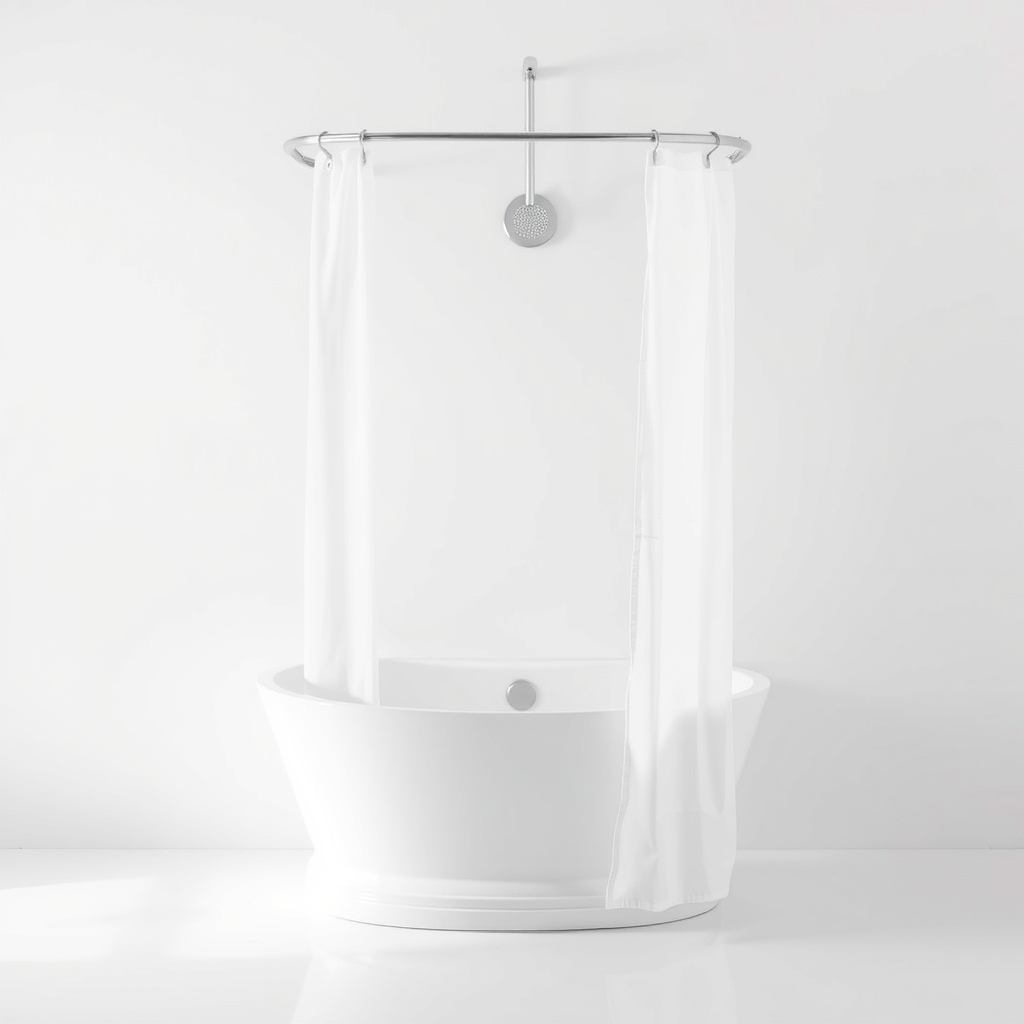
Replacement PEVA shower liner
A cheap swap for a liner that is past saving
Why it happens
Folds that never dry
A curtain bunched at one end stays wet for hours. Mold likes humid air above about 60 percent, and the inside of a fold gets there easily.
Soap scum as food
Body wash, shampoo and skin oils leave a film on the liner. Mold and bacteria feed on it, starting at the bottom hem where the water pools.
A liner that cannot breathe
Plain vinyl and thin plastic hold water against themselves. Once the surface is pitted with old stains, mildew has places to hide that washing cannot reach.
Steam with nowhere to go
A weak fan, a short fan run time or a closed door keeps the room damp long after you are out. The curtain stays damp with it.
Try this first (free)
Do these in order, starting with the simplest.
-
1. Wash it with towels
Tool used: Washing machine and old towelsMachine-wash on gentle with warm water, regular detergent, half a cup of baking soda and two or three old towels. Add half a cup of white vinegar to the rinse. Check the care label first.
-
2. Spot-treat stubborn marks
Tool used: Soft scrub brushScrub black or pink spots on the hem with a soft brush and a baking-soda paste. If the care label allows bleach, diluted chlorine bleach works on plastic. Rinse well and never mix bleach with vinegar or ammonia, because the fumes are toxic.
-
3. Hang it to dry
Put the liner back on the rod, fully spread, or hang it on a line. Most plastic liners warp in a dryer.
-
4. Spread it open after every shower
Slide the curtain flat across the rod and leave the door open so both sides dry. Bunched folds are where growth starts.
-
5. Run the fan 20 to 30 minutes
Keep the fan on after your shower, or crack the door or window, so steam leaves the room instead of settling on the liner.
When free fixes aren't enough
If the spots come back within a month, the liner itself is the problem. Old plastic is pitted, and mildew hides in those surfaces and brings the smell back after every wash. Replace a liner that is torn, deeply stained or still smells after washing. A mildew-resistant fabric liner that you wash monthly gives you a reset you can repeat. If mold also covers the walls, ceiling or grout beyond a small patch, fix the moisture first, since a new liner will not solve a damp room.
Buy the fix
Still stuck after the free fixes? These are the products we would look at.
| Pick | Product | Fixes | Who it's for | Buy |
|---|---|---|---|---|
| Best pick | Mildew-resistant fabric shower liner | damp, bunched plastic that grows mildew and smells | Anyone who showers daily, especially with a small bathroom or a weak fan. | Check price |
| Budget pick | Replacement PEVA shower liner | a liner that is past saving and needs a quick swap | Renters, or anyone who wants a fresh liner now without spending much. | Check price |
Mildew-resistant fabric shower liner
Fixes: damp, bunched plastic that grows mildew and smells
Look for: Tight-weave polyester or similar fabric that sheds water; Machine washable, stated in the listing; Rust-resistant grommets and a weighted or magnetic hem; A size that matches your tub or stall, so measure first.
- Who it's for
- Anyone who showers daily, especially with a small bathroom or a weak fan.
- Honest downside
- You would rather replace a cheap plastic liner every few months. Then the budget pick costs less up front.
Replacement PEVA shower liner
Fixes: a liner that is past saving and needs a quick swap
Look for: PEVA or EVA, which owners say smells less than old vinyl; Thick enough that it does not cling to you; Magnets or weights in the hem.
- Who it's for
- Renters, or anyone who wants a fresh liner now without spending much.
- Honest downside
- You want a liner that lasts for years. Plastic wears out and holds film in its folds.
As an Amazon Associate I earn from qualifying purchases. We don't show prices because they change, so use the button to see today's price.
How we picked: How we picked: this page is based on laundry and bathroom care guides for shower liners, general advice on mold and humidity, and what owners report in reviews of fabric and PEVA liners. We do not test products by hand.
Why does my shower curtain turn pink, orange, yellow or red?
- Pink, orange or red slime at the hem: usually bacteria that thrive in damp, soapy bathrooms. Wipe and wash it off.
- Orange at the bottom: sometimes iron in the water. If your tap water stains the tub orange too, that is the cause.
- Yellow: soap scum and body oils, or old plastic yellowing with age.
- Black or gray spots: mildew growing on the film.
Why is my shower curtain moldy? How to stop shower curtain mold
Mold needs a damp surface and a food source, and a closed-up liner supplies both. The habit that stops it takes 30 seconds: spread the curtain open after every shower, run the fan for 20 minutes or more and leave the door ajar. Wash it monthly, and wipe the hem if you see pink or gray spots.
What to skip
Scented sprays and covering the smell
A fragrance spray hides the odor for an hour while the growth carries on. Wash the liner, dry it open and fix the airflow. Never mix bleach with vinegar or ammonia to boost the cleaning.
Frequently asked questions
How do I get rid of pink mold on my shower curtain?
Why does my shower curtain smell like mildew, or just smell bad?
How often should I wash a shower curtain liner?
Can I put a shower curtain liner in the dryer?
Related problems
 Free fix inside
Bathroom · Shower Curtain
Shower Curtain Not Plastic? Best Fabric Liners That Resist Mildew
Read the fix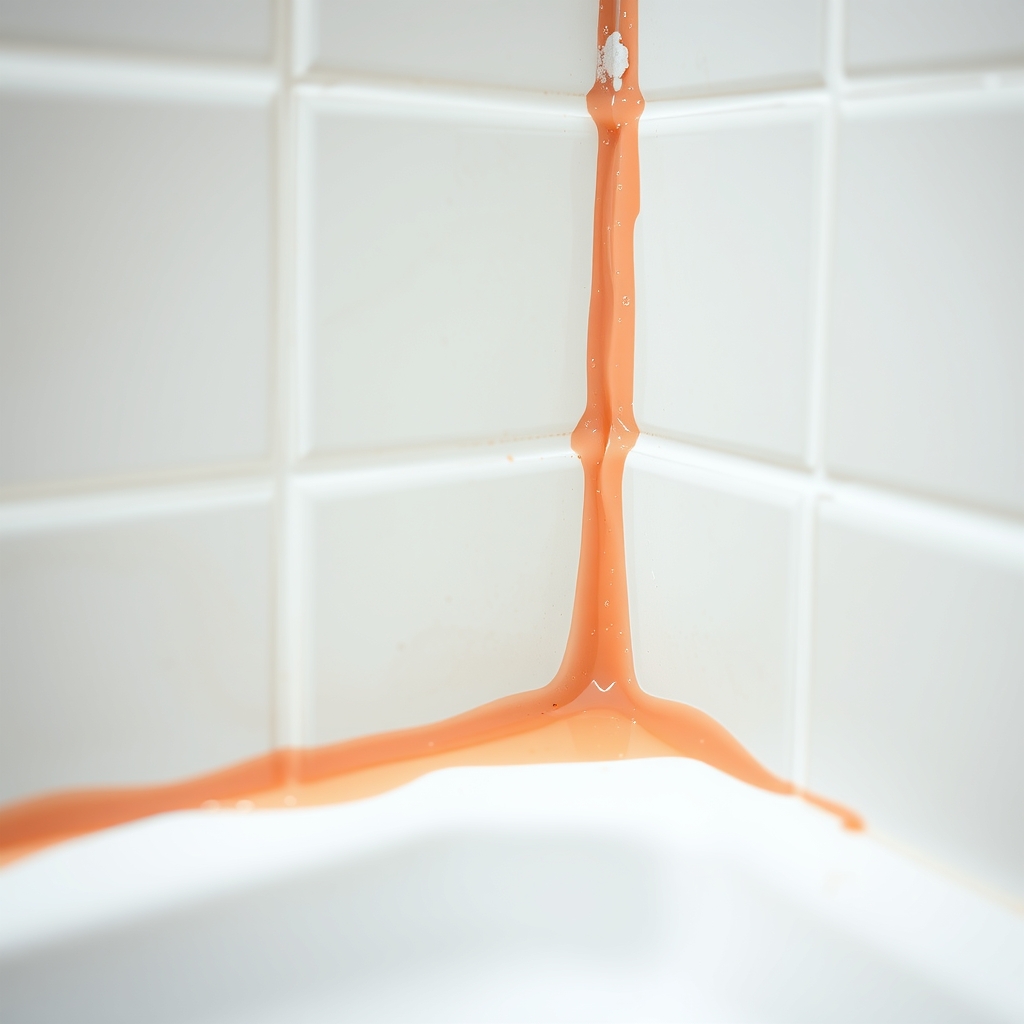 Free fix inside
Bathroom · Bathroom Mold
Pink Mold in the Shower? Wipe It Away and Keep It From Returning
Read the fix Free fix inside
Bathroom · Shower Habits
How to Keep Bathroom Tiles Dry: The 30-Second Squeegee Habit
Read the fix Free fix inside
Bathroom · Bathroom Fan
Bathroom Fan So Loud? Clean It First, Then Check the Sone Rating
Read the fixAs an Amazon Associate I earn from qualifying purchases. Affiliate disclosure