How to Keep Bathroom Tiles Dry: The 30-Second Squeegee Habit
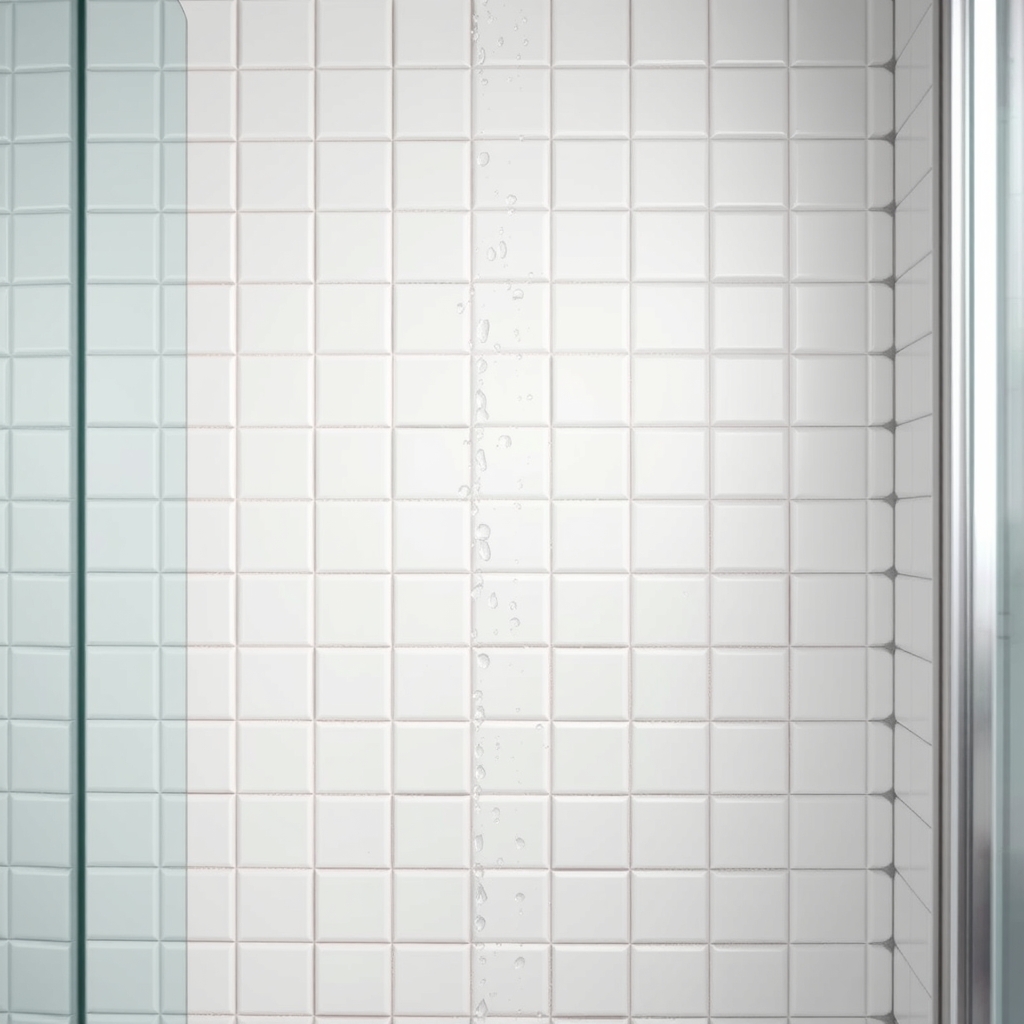
Steam condenses on cold tile and has nowhere to go. Squeegee the walls in 30 seconds and run the fan, and the tiles dry before water spots set.
By Jamilur Rahman Updated November 5, 2026 · 5 min read
- Time
- 30 seconds a shower
- Cost
- Under $20
- Difficulty
- Easy
In this guide
Quick answer
To keep bathroom tiles dry, squeegee the walls and glass right after you shower, then run the exhaust fan for 20 minutes with the door open. Tiles stay wet because steam condenses on cooler surfaces and has nowhere to go. A shower squeegee clears the walls in about 30 seconds, so almost no water is left to dry on its own.
Free fix vs. permanent fix
Towel-dry and ventilate
- Wipe walls and glass with an old towel
- Run the fan for 20 minutes after showering
- Open the door and pull the curtain back
- Hang the towel and mat to dry
How long it lasts: As long as you do it each shower. A towel gets soaked fast, so you end up washing it constantly.
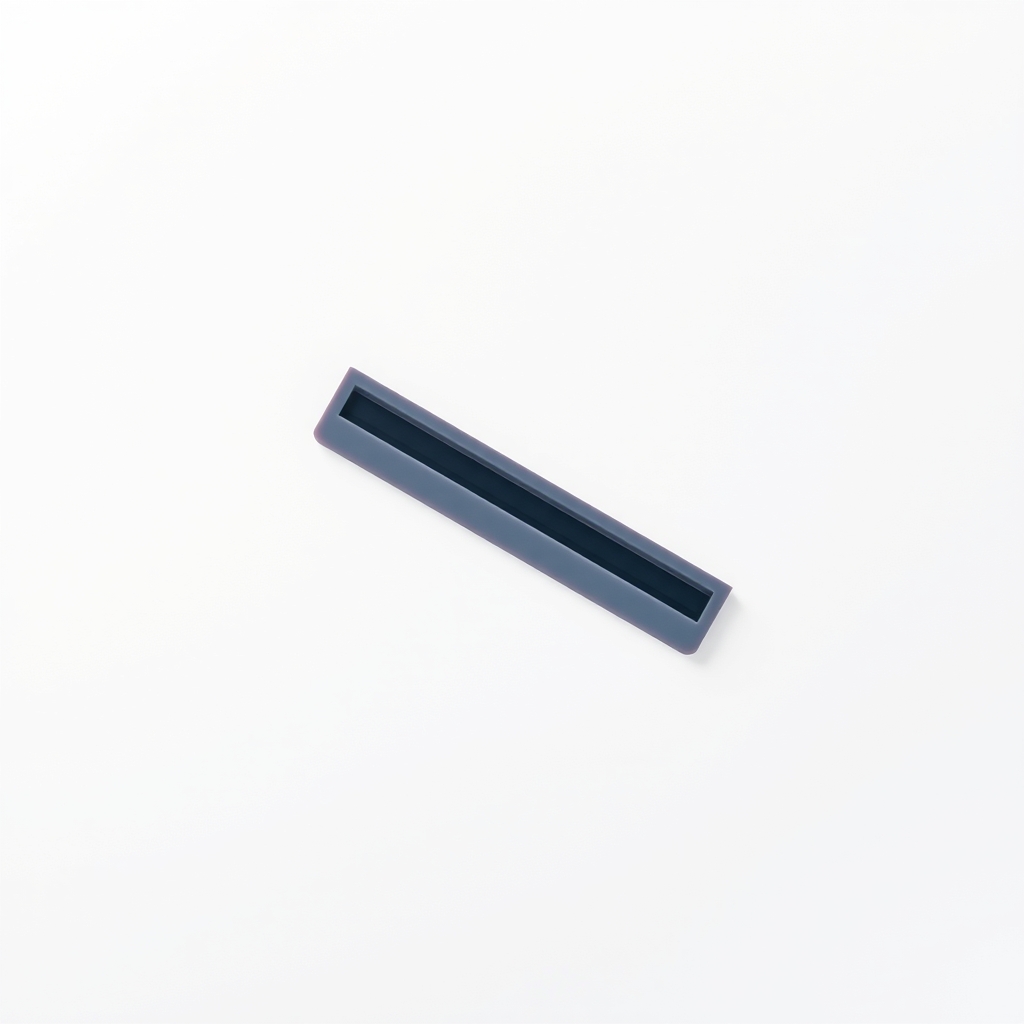
A shower squeegee with a silicone blade
A squeegee pushes water off in one pass, so minerals and soap never dry onto the surface. The wall is dry in 30 seconds instead of 30 minutes, and you do not have a wet towel to launder every shower.
What to get: Shower squeegee with a silicone blade
How long it lasts: Years. The blade lasts a long time, and it takes about 30 seconds a shower with no wet towel to wash.
As an Amazon Associate I earn from qualifying purchases.
What you'll need
-
Old bath towel
The free way to wipe walls
You have it -
Bathroom exhaust fan
Run it during and after the shower
You have it - Illustration
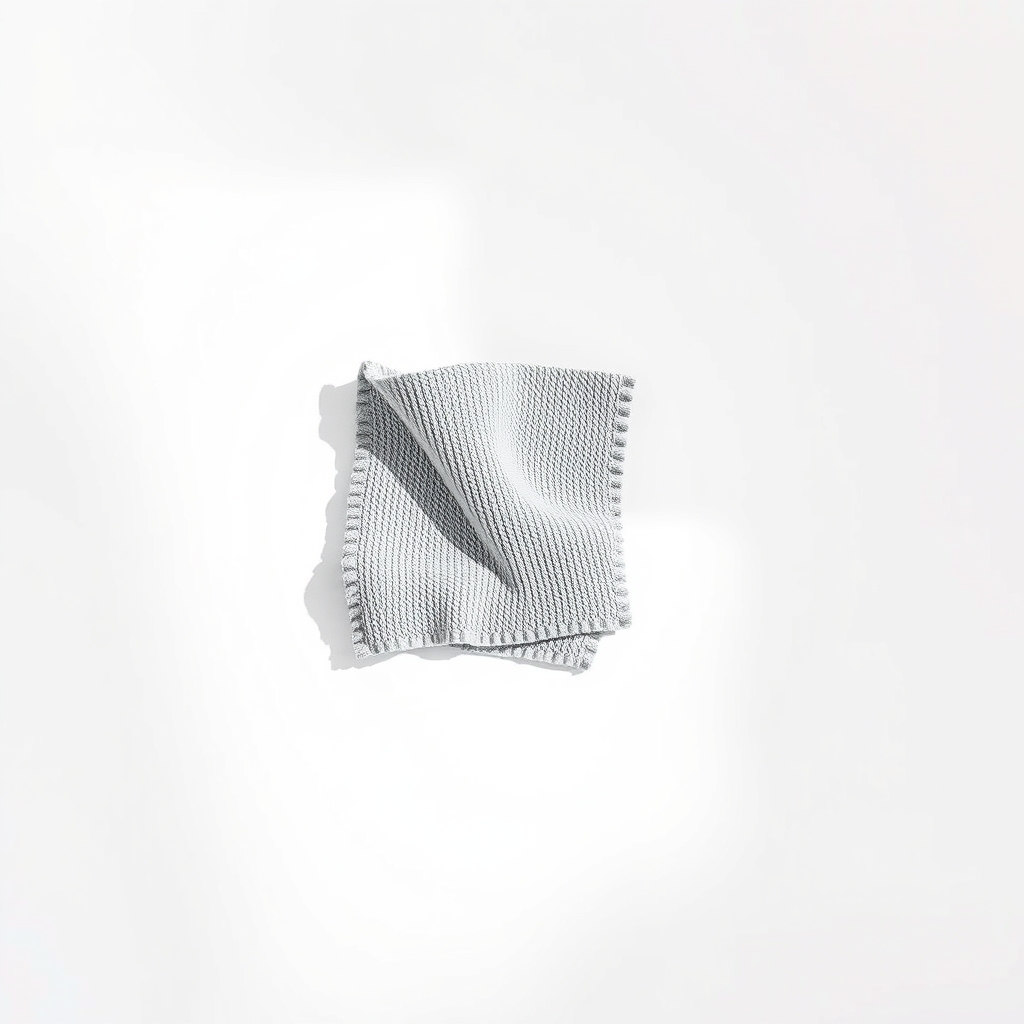
Microfiber cloth
For corners, grout and the tub edge
- Our pick Illustration
Shower squeegee
The 30-second habit
Why it happens
Steam condensing on cooler surfaces
Hot shower air meets cooler tile and turns back into water. Tile and glass stay wet long after the shower ends.
A weak or short-running fan
A fan that barely moves air, or one that shuts off with the light, cannot clear steam. The room stays humid for an hour or more.
Drops that cling to the surface
Soap film, hard water and textured tile make drops stick instead of running down. Water on the wall also sits in the grout lines.
Closed doors and bunched curtains
A shut door and a curtain pulled tight trap moisture in the shower. Nothing is moving it out.
Porous grout
Unsealed grout soaks up water and releases it slowly. It can look damp long after the tile is dry.
Try this first (free)
Do these in order, starting with the simplest.
-
Turn the fan on before you step in
Tool used: Bathroom exhaust fanRun the exhaust fan during the shower and for 20 minutes after. A fan that vents outside matters most. If a tissue will not stick to the grille, the fan is weak.
-
Squeegee from top to bottom right after the shower
Tool used: Shower squeegeeStart at the top of the wall, pull down in overlapping strokes and wipe the blade on a towel at the bottom. Do the glass and tub edge last. It takes about 30 seconds.
-
Wipe the corners and the base
Tool used: Microfiber clothA squeegee leaves a little water in the corners and along the tub edge. Finish those with a dry microfiber cloth.
IllustrationCheck price on AmazonTool for this step
Microfiber cloth · For corners, grout and the tub edge
-
Leave the door and curtain open
Pull the curtain flat and open the bathroom door, so air can reach the wet tile. A bunched curtain stays wet and gets slimy.
-
Hang the towel and mat to dry
Tool used: Old bath towelUse an old towel for a final wipe if you want, then hang it. A damp towel or mat on the floor puts the moisture right back in the room.
-
Check your grout once a year
Sprinkle a few drops on the grout. If they soak in and darken it within a minute, reseal it following the sealer label.
When free fixes aren't enough
If tile is still wet an hour after you squeegee, the fan or the room is the problem. Test the fan with a tissue and clean the cover, or replace it if it fails. Black spots on grout, peeling paint or a musty smell mean moisture is getting past the surface, so look at the mold pages. If you have no window and a weak fan, a small dehumidifier can help, but fixing airflow comes first.
Buy the fix
Still stuck after the free fixes? These are the products we would look at.
Shower squeegee with a silicone blade
Fixes: water left on tile and glass after every shower
Look for: A silicone blade that leaves no streaks, about 8 to 10 inches wide; A handle you can grip with wet hands; A hook, loop or suction mount so it hangs in the shower; A replaceable blade.
- Who it's for
- Anyone with glass doors, tile walls or hard water.
- Honest downside
- Your walls are heavily textured or small mosaic tile, where a squeegee skips and a cloth works better.
As an Amazon Associate I earn from qualifying purchases. We don't show prices because they change, so use the button to see today's price.
How we picked: How we picked: this page is based on home ventilation and moisture guidance, bathroom care guides, and the problems and fixes people report in reviews of shower squeegees. We do not test products by hand.
What humidity should a bathroom stay at?
Indoor humidity of about 30 to 50 percent is a good target. A cheap hygrometer shows yours. If the bathroom stays above about 60 percent for hours after a shower, ventilation is the issue, not the tile.
Squeegee tips for glass and textured tile
Do glass in one smooth pass from top to bottom. On textured or mosaic tile, use a microfiber cloth instead of a blade. Wipe the blade after each stroke, and replace it if it leaves lines.
What to skip
Letting walls drip-dry with the door shut
A closed door and no fan keep the room humid for hours. The water dries in place and leaves spots, scale and a damp base for mold.
Frequently asked questions
Why are my bathroom tiles not drying?
How long should I run the bathroom fan after a shower?
Do I need to squeegee every shower?
Does squeegeeing prevent mold?
Related problems
 Free fix inside
Bathroom · Bathroom Mold
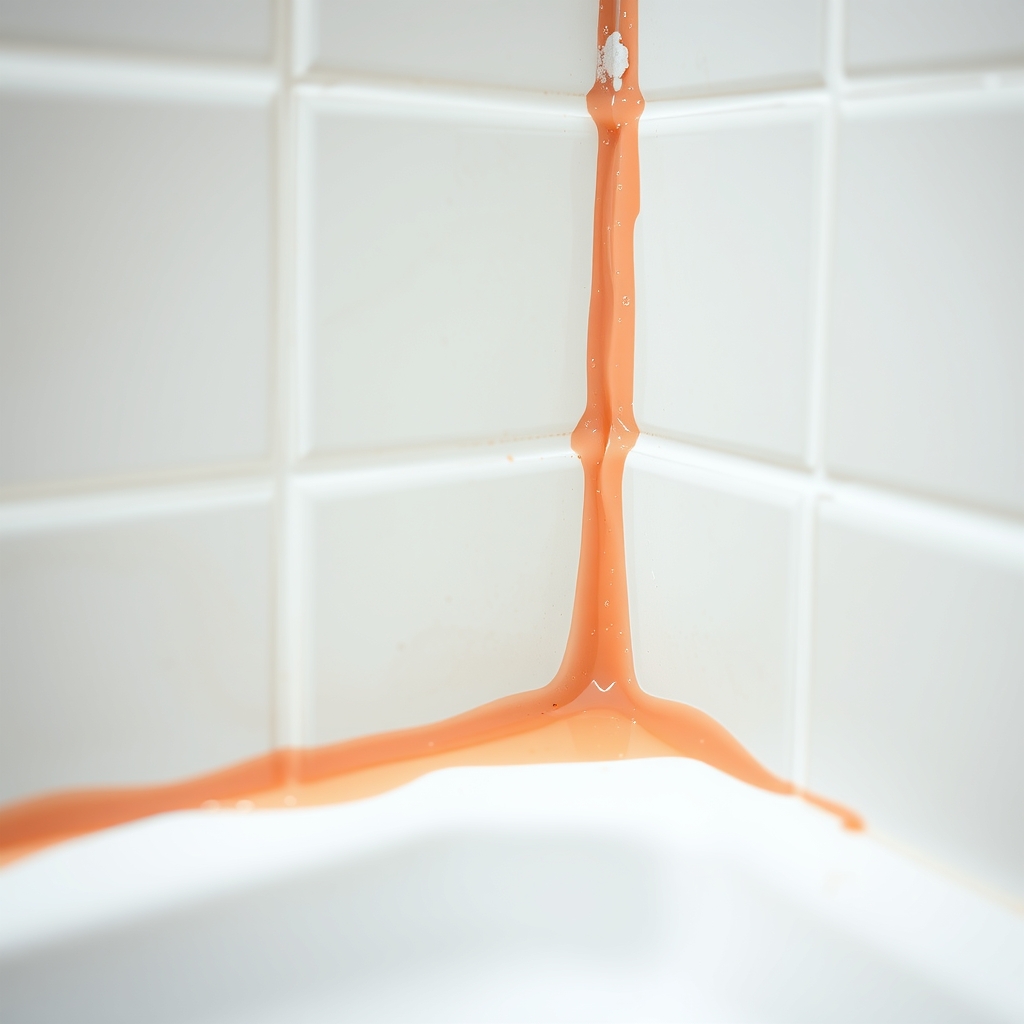
Pink Mold in the Shower? Wipe It Away and Keep It From Returning
Read the fix Free fix inside
Bathroom · Bathroom Tile
Bathroom Tiles Turning White? That's Usually Hard Water Scale
Read the fix Free fix inside
Bathroom · Bathroom Humidity
Bathroom So Humid? Dehumidifier vs Better Fan: What Actually Works
Read the fix Free fix inside
Bathroom · Bathroom Mold
Black Mold in Shower Grout? What Actually Kills It and Keeps It Away
Read the fixAs an Amazon Associate I earn from qualifying purchases. Affiliate disclosure