Bathroom So Humid? Dehumidifier vs Better Fan: What Actually Works
Steam has to leave the house, not just sit in a tank. Fix how you use the fan first, then pick a stronger fan or a small dehumidifier for what is left.
By Jamilur Rahman Updated November 5, 2026 · 7 min read
- Time
- 30 min
- Cost
- $50-$150
- Difficulty
- Medium
In this guide
Quick answer
Why is my bathroom so humid? A shower puts a lot of steam into a small room, and a weak, dirty or switched-off fan leaves it there. Run the fan during every shower and for 20 minutes after, clean the grille and check airflow with a tissue. If the room is still damp, a stronger, quieter exhaust fan fixes the cause. A small dehumidifier is the fallback when you cannot vent outdoors.
Free fix vs. permanent fix
Run the fan longer and cut the steam
- Switch the fan on before the shower and leave it 20 minutes after
- Take shorter, cooler showers
- Squeegee the tile and wipe the glass
- Hang wet towels outside the bathroom
How long it lasts: As long as you keep the habit. It works for short showers with a fan that moves air well.
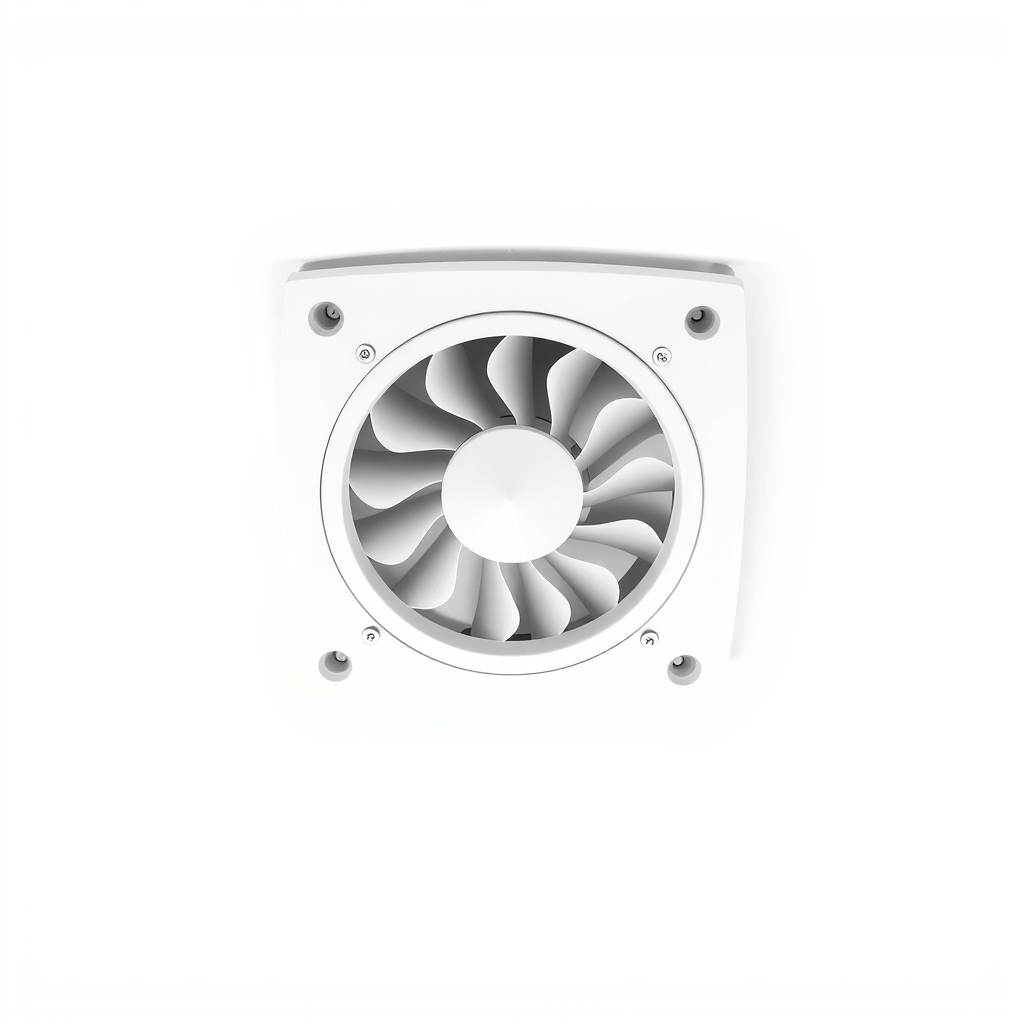
A quiet exhaust fan with a humidity sensor
A dehumidifier collects some moisture. A properly sized fan sends all of it outdoors, so the room dries faster and the damp does not spread. A sensor or timer keeps it running after you leave, which is the step most people forget.
What to get: Quiet bathroom exhaust fan with a humidity sensor
How long it lasts: Years. It pulls steam outdoors every shower and shuts itself off.
As an Amazon Associate I earn from qualifying purchases.
What you'll need
-
Toilet tissue
For the airflow test at the grille
You have it - Illustration
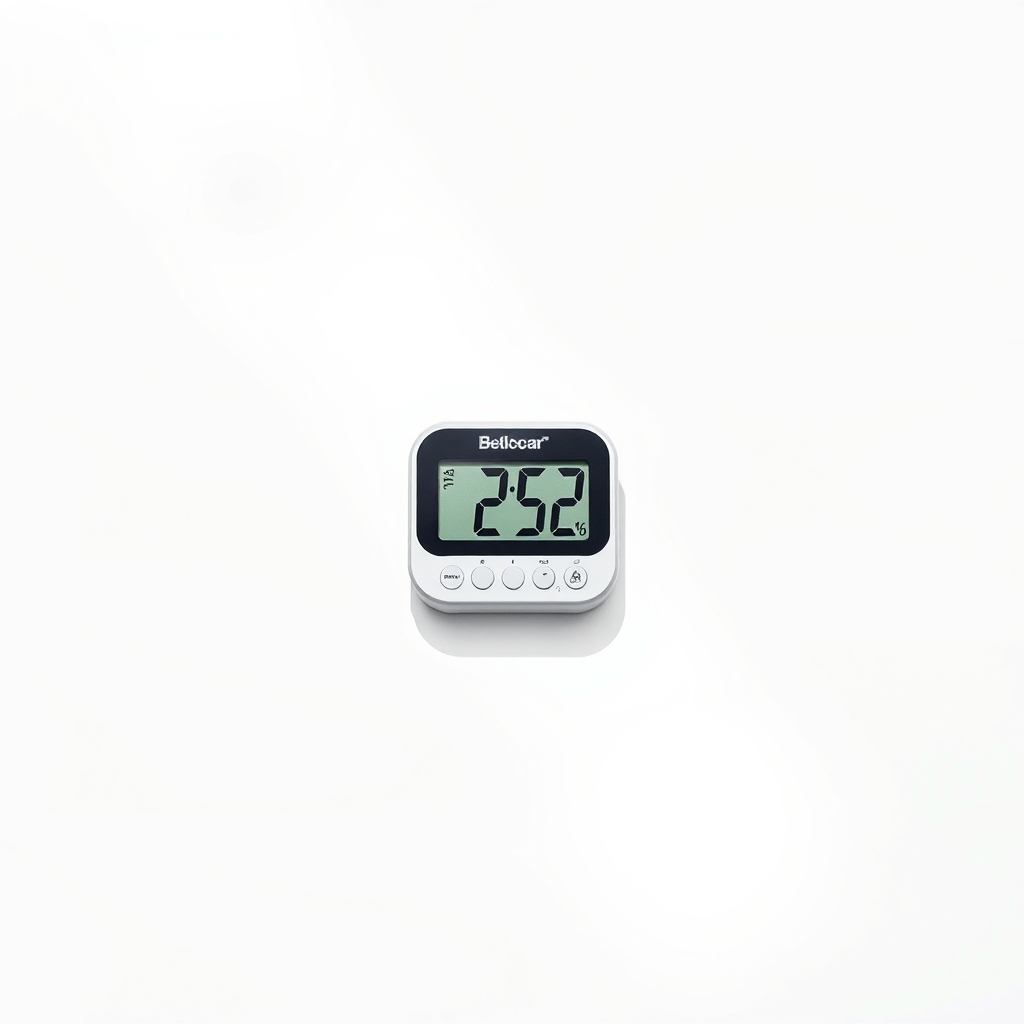
Digital hygrometer
Shows how high the humidity goes after a shower
- Illustration
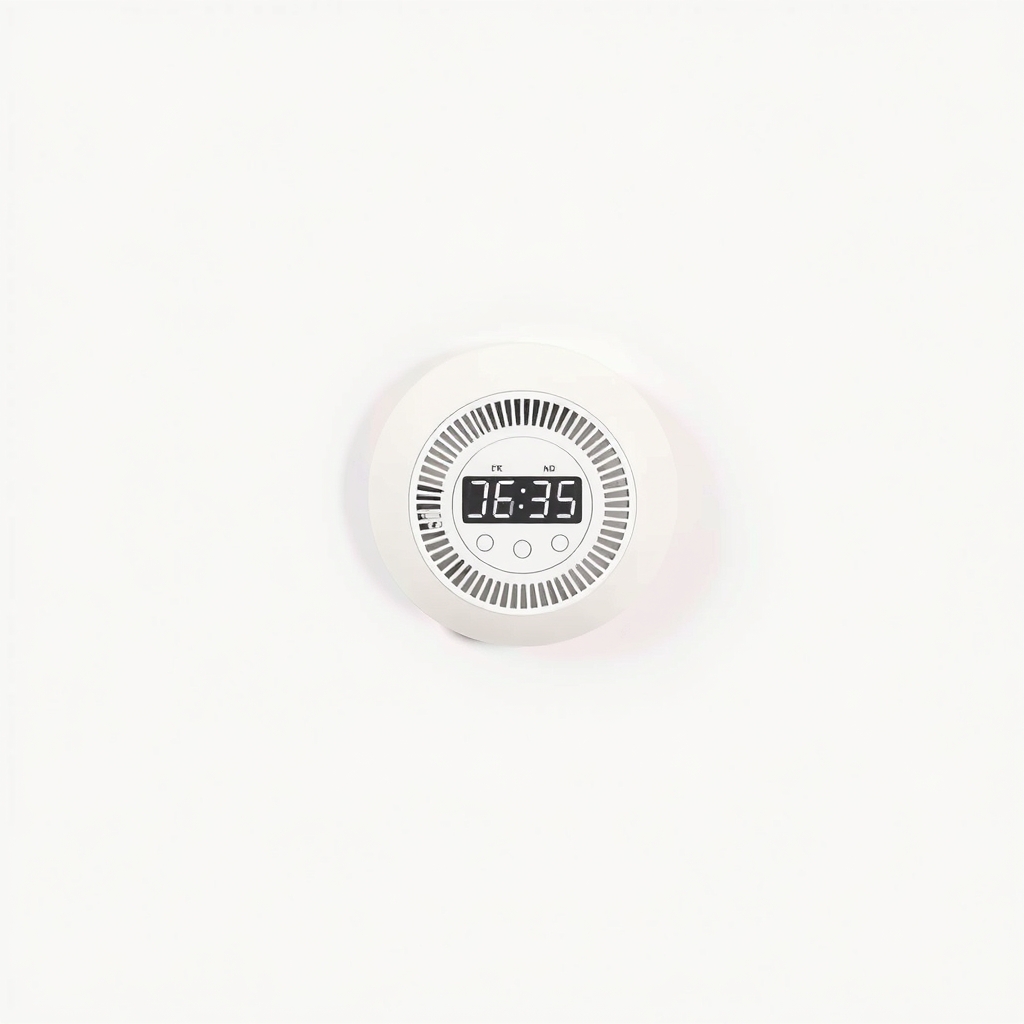
Humidity-sensing fan switch
Keeps a good fan running until the room is dry
- Our pick Illustration
Quiet exhaust fan with a humidity sensor
Replaces a weak or loud fan
- Illustration
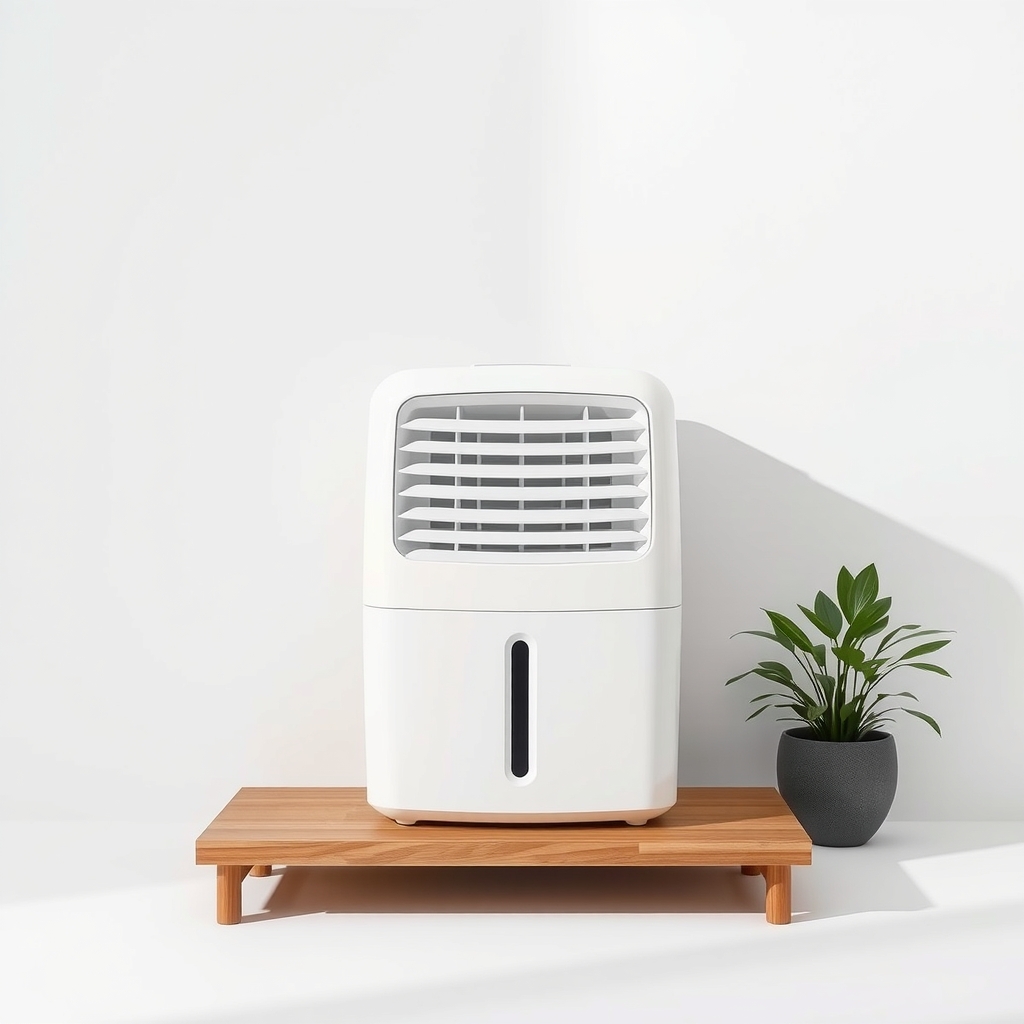
Compact dehumidifier
The fallback when you cannot vent outside
Why it happens
A weak or undersized fan
Many builder fans move far less air than their label says once the duct is long or kinked. A common guide is about 1 cubic foot per minute (CFM) per square foot of floor, with a minimum of 50 CFM.
A fan switched off too soon
Steam lingers long after the shower ends. If the fan stops when you leave, the room stays damp for another hour.
A clogged or badly ducted fan
Dust on the grille and a crushed or uninsulated duct cut airflow. A fan that vents into the attic instead of outside leaves moisture in the house.
No fan or no window
A windowless bathroom with no working fan holds every drop of steam.
Hot, long showers
Hotter water gives off more steam, and a longer shower puts more of it into the room.
Try this first (free)
Do these in order, starting with the simplest.
-
Do the tissue test
Tool used: Toilet tissueRun the fan and hold a single square of toilet tissue against the grille. If it sticks, the fan is drawing air. If it falls or flutters, the fan is weak, dirty or blocked.
-
Clean the grille and blades
Switch the fan off at the wall, remove the cover (it pops off or squeezes out) and vacuum the grille and blades. Dust cuts airflow a lot.
-
Run it longer
Turn the fan on before you step in and leave it on for 20 minutes after, or until the mirror clears. Crack the door once the steam falls so the room can pull in dry air.
-
Measure the humidity
Tool used: Digital hygrometerCheck the reading after a shower. Humidity above about 60% for long invites mold, and a healthy range is 30% to 50%. Compare how quickly it falls with and without the fan.
IllustrationCheck price on AmazonTool for this step
Digital hygrometer · Shows how high the humidity goes after a shower
-
Cut the steam at the source
Lower the water temperature a notch, keep showers short, squeegee the walls and hang towels elsewhere to dry.
When free fixes aren't enough
If the tissue falls, or the mirror stays fogged half an hour after a shower with the fan running, the fan is too weak to do the job. Cleaning rarely fixes an old fan that moves little air. A new fan with enough CFM for the room, a low sone rating (1 sone or less is very quiet) and a humidity sensor does the job automatically. If you cannot vent outside, a compact dehumidifier is the fallback. Call a pro for black mold patches larger than about 10 square feet, ceiling stains or peeling paint, or a duct that does not vent outdoors. Hire an electrician if you are not comfortable with fan wiring.
Buy the fix
Still stuck after the free fixes? These are the products we would look at.
| Pick | Product | Fixes | Who it's for | Buy |
|---|---|---|---|---|
| Best pick | Quiet bathroom exhaust fan with a humidity sensor | steam that stays after showers because the old fan is weak or gets forgotten | Bathrooms with a ducted fan that is old, loud or weak. | Check price |
| Budget pick | Humidity-sensing or countdown fan wall switch | a fan that works but gets switched off too soon | Anyone whose fan passes the tissue test but who forgets to run it long enough. | Check price |
| Upgrade pick | Compact dehumidifier for a small room | lingering damp in a bathroom that has no outdoor vent | Windowless bathrooms or rentals where the fan cannot be changed. | Check price |
Quiet bathroom exhaust fan with a humidity sensor
Fixes: steam that stays after showers because the old fan is weak or gets forgotten
Look for: CFM at least equal to the room's floor area in square feet, and not below 50; 1.0 sone or less, for quiet running; A humidity sensor or run-on timer; A housing and duct size that match your ceiling and duct.
- Who it's for
- Bathrooms with a ducted fan that is old, loud or weak.
- Honest downside
- You cannot vent outdoors, or you rent and cannot change the ceiling. Use a compact dehumidifier instead.
Humidity-sensing or countdown fan wall switch
Fixes: a fan that works but gets switched off too soon
Look for: Works with your fan's wiring and load; An adjustable humidity set point or timer; Fits a standard wall box.
- Who it's for
- Anyone whose fan passes the tissue test but who forgets to run it long enough.
- Honest downside
- The fan fails the tissue test. A switch only runs a weak fan for longer.
Compact dehumidifier for a small room
Fixes: lingering damp in a bathroom that has no outdoor vent
Look for: Capacity sized for a small room; Auto shut-off when the tank is full; A drain hose option; An adjustable humidity setting.
- Who it's for
- Windowless bathrooms or rentals where the fan cannot be changed.
- Honest downside
- Your fan passes the tissue test. Run it longer instead of adding a machine.
As an Amazon Associate I earn from qualifying purchases. We don't show prices because they change, so use the button to see today's price.
How we picked: How we picked: this page is based on ventilation guidance from home care guides, exhaust fan and dehumidifier specifications, and the problems and fixes people report in owner reviews. We do not test products by hand.
Dehumidifier vs better fan: which one fits your bathroom?
- You have a ducted fan that is weak or loud: replace it with a quiet, right-sized fan. This fixes the cause.
- Your fan works but you forget it: add a humidity-sensing or timer switch.
- You have no outdoor vent or cannot change it: a compact dehumidifier is the fallback.
- Mold keeps coming back anyway: check for a leak or a duct that vents into the attic.
What to skip
Hanging moisture bags and scented plug-ins alone
Hanging bags catch only a little water compared with what a shower puts into the air, and scent only hides the damp. Neither stops mold on the ceiling.
Frequently asked questions
How long should I run the bathroom fan after a shower?
Is a dehumidifier or a better fan right for a bathroom?
What humidity level is normal for a bathroom?
What does the CFM number mean, and how do I pick it?
Related problems
 Free fix inside
Bathroom · Bathroom Fan
Bathroom Fan Not Strong Enough? The Tissue Test and What to Buy
Read the fix Free fix inside
Bathroom · Bathroom Fan
Bathroom Fan So Loud? Clean It First, Then Check the Sone Rating
Read the fix Free fix inside
Bathroom · Bathroom Humidity
Bathroom Smells Musty? Find the Damp Source, Then Remove It
Read the fix Free fix inside
Bathroom · Bathroom Mold
Mold on the Bathroom Ceiling? Kill It, Then Use the Right Paint
Read the fixAs an Amazon Associate I earn from qualifying purchases. Affiliate disclosure