Bathroom Smells Musty? Find the Damp Source, Then Remove It
A musty bathroom smell means damp and mildew somewhere. Dry the room out, clean the mildew, then use a rechargeable absorber in closed spots.
By Jamilur Rahman Updated November 5, 2026 · 6 min read
- Time
- 30 min
- Cost
- Under $20
- Difficulty
- Easy
In this guide
Quick answer
If your bathroom smells musty, the cause is almost always moisture that never fully dries, so mildew grows on grout, towels, mats or hidden damp spots. Run the fan for 20 minutes after every shower, wash the mat and towels, and clean visible mildew. A rechargeable moisture absorber then helps in closed spaces such as a vanity cabinet or a windowless bathroom.
Free fix vs. permanent fix
Dry the room out and clean the mildew
- Run the fan or open a window for 20 minutes after showers
- Hang towels flat and wash the bath mat weekly
- Wipe mildew off grout and caulk
- Check under the sink and around the toilet for damp
How long it lasts: As long as the room dries quickly after every shower. A weak fan lets the smell return.
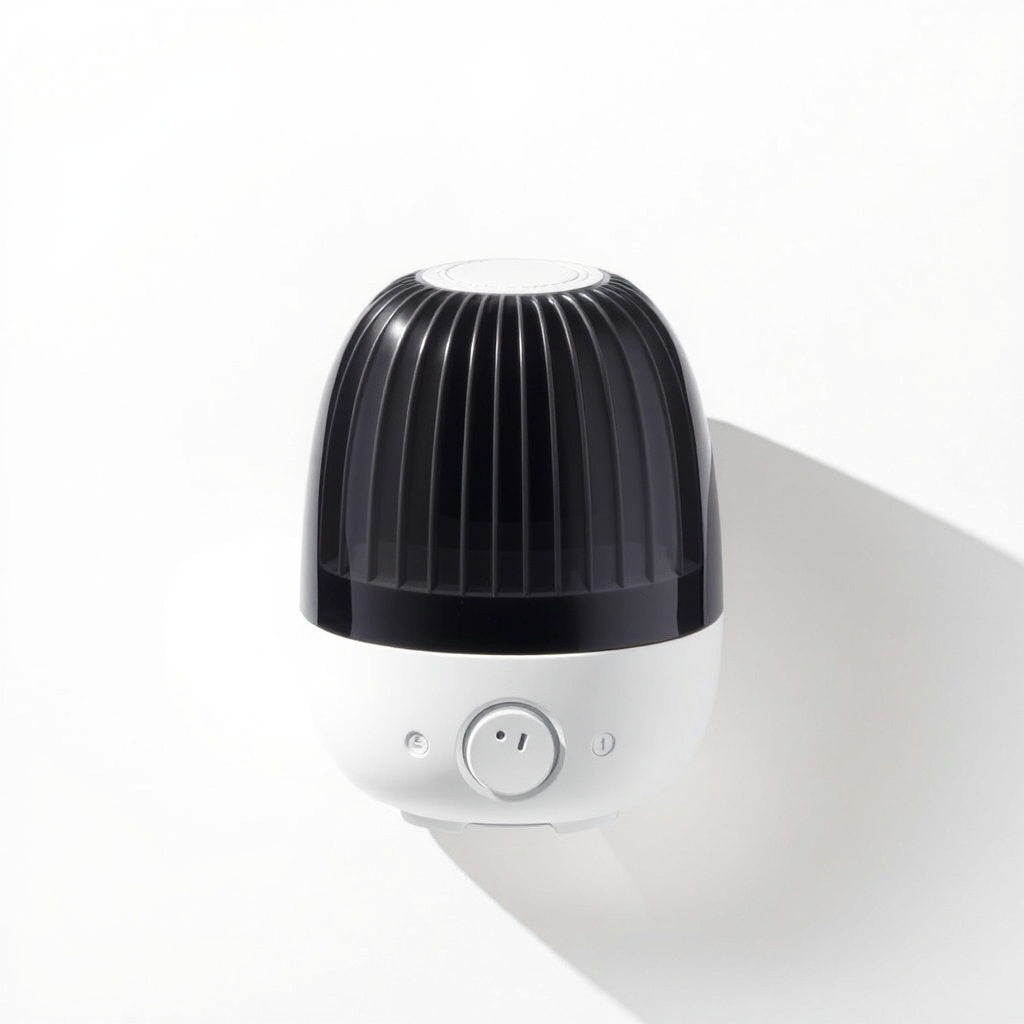
A rechargeable moisture absorber
In a closed space, damp air has nowhere to go. A rechargeable absorber pulls water out of the air so mildew has less to grow on. It backs up the fan and good drying habits. It does not replace them, and it will not fix a leak.
What to get: Rechargeable moisture absorber for bathrooms
How long it lasts: It works until it is full, then you recharge it as the maker directs and reuse it, so there are no refills to buy.
As an Amazon Associate I earn from qualifying purchases.
What you'll need
-
Rubber gloves
For cleaning mildew
You have it -
White vinegar
A mild mildew cleaner
You have it - Illustration
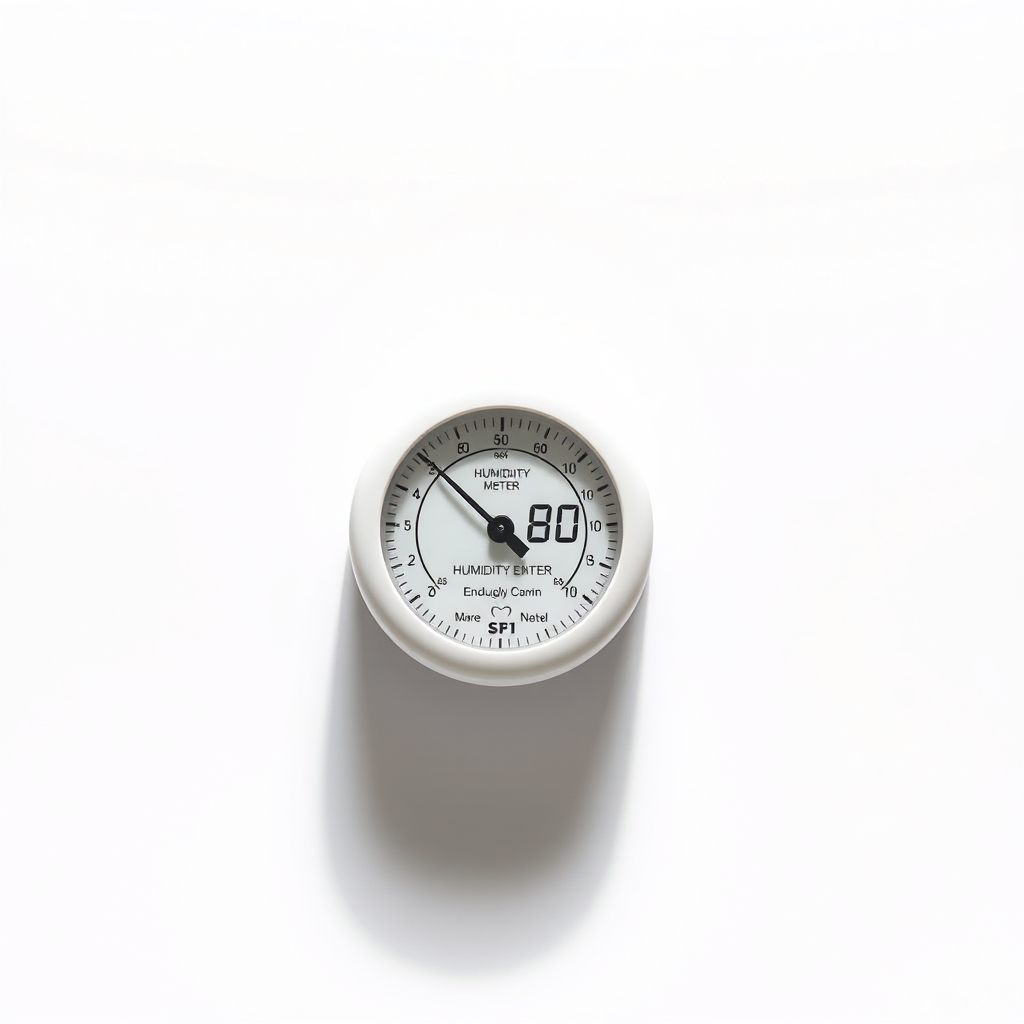
Humidity meter
Shows whether the room stays above 50 percent
-
Shower squeegee
Clears water off tile and glass in 30 seconds
You have it - Our pick Illustration
Rechargeable moisture absorber
For a closed bathroom or the vanity cabinet
- Illustration

Hanging moisture absorber bags
A cheaper, disposable option
Why it happens
A fan that does not clear the steam
A weak fan, one switched off too soon, or one that vents into the attic instead of outside leaves humid air behind. Mildew starts within a day or two.
Wet towels and bath mats
A towel that stays damp or a mat folded in a heap goes sour fast. These are the most common source of the smell.
Mildew in grout, caulk and the curtain
Dark lines in grout, a speckled curtain liner or discolored caulk are all mildew. They give off the earthy smell even after the room looks clean.
A slow leak you cannot see
A drip under the sink, a weeping toilet supply line or a leaking shower pan keeps wood and drywall damp. The smell often arrives before any stain.
A slimy drain
Biofilm in a drain smells musty too. A strong rotten-egg or sewer smell is a different problem, covered on the related pages.
Try this first (free)
Do these in order, starting with the simplest.
-
Measure the humidity
Tool used: Humidity meterPut a meter in the room. If it stays above about 50 percent long after a shower, mildew has what it needs. Aim for 30 to 50 percent.
IllustrationCheck price on AmazonTool for this step
Humidity meter · Shows whether the room stays above 50 percent
-
Find the damp source
Check under the sink, around the toilet base, behind the door and along the ceiling. Soft drywall, peeling paint or dark stains point to a leak. Tuck a dry paper towel under pipes overnight to catch drips.
-
Clean the mildew
Tool used: White vinegarWith gloves on, spray white vinegar on grout, caulk and the curtain. Leave it 30 minutes, scrub and rinse. Use one cleaner at a time, and never mix products.
-
Dry the room after every shower
Tool used: Shower squeegeeRun the fan for at least 20 minutes, squeegee the walls and glass, and hang towels flat. Leave the door open so air moves.
-
Wash the fabrics
Wash the bath mat weekly and the shower curtain liner monthly, on hot if the care label allows. Let them dry fully before putting them back.
-
Add an absorber to the closed spots
Tool used: Rechargeable moisture absorberPlace a rechargeable absorber in a windowless bathroom or inside the vanity cabinet. Recharge it when its indicator shows it is full.
IllustrationCheck price on AmazonTool for this step
Rechargeable moisture absorber · For a closed bathroom or the vanity cabinet
When free fixes aren't enough
If the smell is strong and returns within a day of cleaning, or you see stained, soft or bubbling walls or ceiling, something is wet that you cannot see. Look for a leak, or ask a plumber to check the pipes. A patch of mold bigger than roughly 10 square feet, or any mold after water damage, is a job for a professional. In a bathroom with no fan and no window, an absorber helps a little, but a vented fan is what fixes the cause.
Buy the fix
Still stuck after the free fixes? These are the products we would look at.
| Pick | Product | Fixes | Who it's for | Buy |
|---|---|---|---|---|
| Best pick | Rechargeable moisture absorber for bathrooms | damp air that stays in a closed bathroom or cabinet and feeds mildew | Windowless bathrooms, small rooms and vanity cabinets that never feel dry. | Check price |
| Budget pick | Hanging moisture absorber bags | mild dampness in a closet or cabinet at a low cost | Renters or anyone who wants a cheap test before buying a rechargeable unit. | Check price |
Rechargeable moisture absorber for bathrooms
Fixes: damp air that stays in a closed bathroom or cabinet and feeds mildew
Look for: Recharges by plugging in or heating, so there are no refills; An indicator that shows when it is full; Sized for a small room or a cabinet.
- Who it's for
- Windowless bathrooms, small rooms and vanity cabinets that never feel dry.
- Honest downside
- There is an active leak or spreading mold. Fix the source first, because an absorber only hides the symptom.
Hanging moisture absorber bags
Fixes: mild dampness in a closet or cabinet at a low cost
Look for: A sealed design that does not leak; Sold in a multipack; Fragrance-free if you prefer no scent.
- Who it's for
- Renters or anyone who wants a cheap test before buying a rechargeable unit.
- Honest downside
- You have young children or pets who might spill it. The collected liquid can irritate skin.
As an Amazon Associate I earn from qualifying purchases. We don't show prices because they change, so use the button to see today's price.
How we picked: How we picked: this page is based on public guidance on indoor humidity and mold, bathroom ventilation advice, and the problems and fixes people report in reviews of moisture absorbers. We do not test products by hand.
Bathroom smells like mildew? Check these five damp spots
- Under the bathroom sink, where drips hide.
- Around the toilet base and supply line.
- Behind the shower curtain and along the caulk line.
- Inside the fan housing and its duct.
- The bath mat, towels and laundry basket.
Why does my bathroom smell musty? Match the smell to the cause
Earthy and damp: mildew, so dry it out. Rotten eggs or sewage: a drain trap, covered in the related sewer page. Urine: the toilet base or grout. A smell only when you run hot water: the water heater.
What to skip
Air fresheners, candles and bleach cocktails
Scents cover the smell for an hour and leave the damp that causes it. Bleach mixed with vinegar or other cleaners can release toxic gas, so skip any homemade mix.
Frequently asked questions
What is the musty smell in my bathroom, and why does it happen?
Why does my bathroom smell like mildew even after I clean it?
Why does my bathroom smell bad, and not just musty?
How long should I run the bathroom fan?
Related problems
 Free fix inside
Bathroom · Bathroom Odor
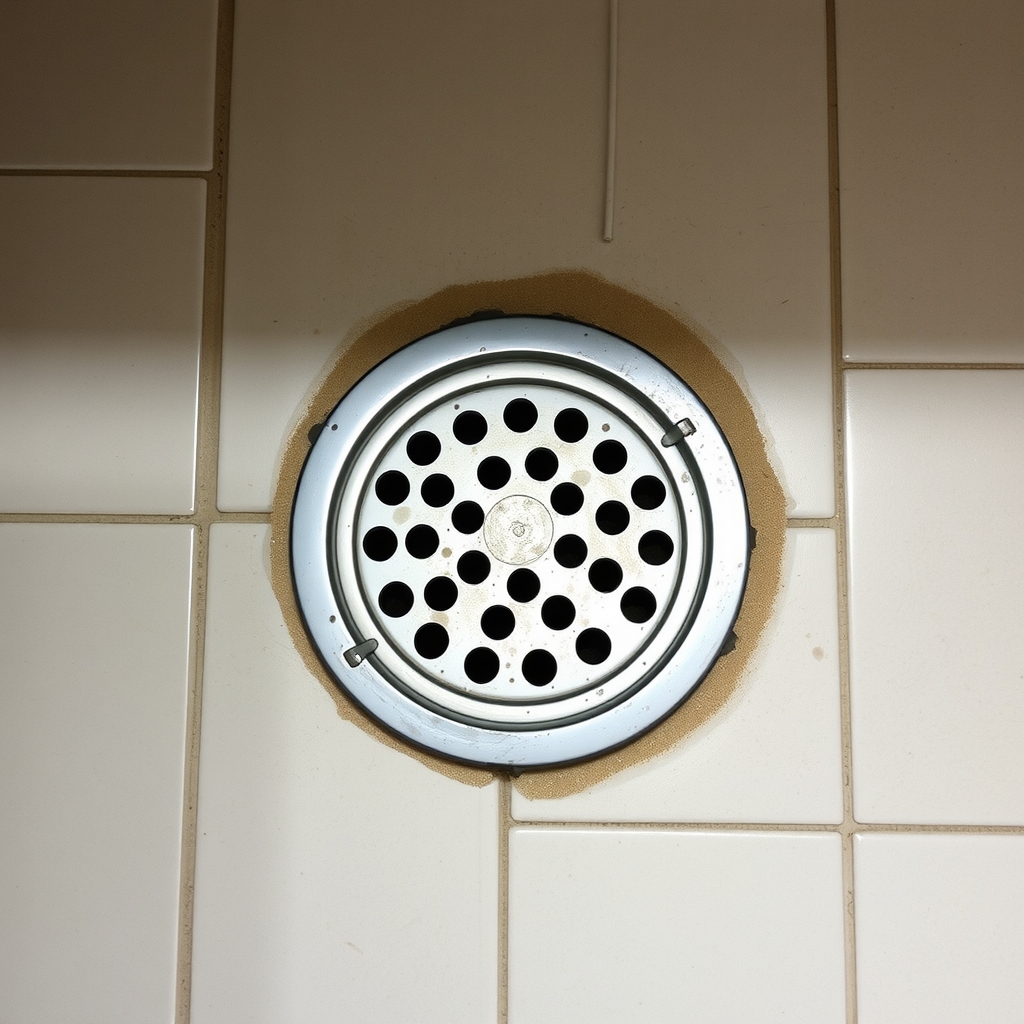
Bathroom Smells Like Sewer? Check the Floor Drain Trap First
Read the fix Free fix inside
Bathroom · Bathroom Humidity
Bathroom So Humid? Dehumidifier vs Better Fan: What Actually Works
Read the fix Free fix inside
Bathroom · Bathroom Fan
Bathroom Fan So Loud? Clean It First, Then Check the Sone Rating
Read the fix Free fix inside
Bathroom · Bathroom Mold
Mold on the Bathroom Ceiling? Kill It, Then Use the Right Paint
Read the fixAs an Amazon Associate I earn from qualifying purchases. Affiliate disclosure