Bathroom Tiles Turning White? That's Usually Hard Water Scale
A chalky white film on tile is usually minerals left by drying water. Dissolve it with an acid spray, then dry the tile so it does not return.
By Jamilur Rahman Updated November 5, 2026 · 6 min read
- Time
- 30 min
- Cost
- Under $20
- Difficulty
- Easy
In this guide
Quick answer
Why are my bathroom tiles turning white? In most bathrooms it is hard water scale: minerals left behind each time a drop of water dries on the tile. Spray the tiles with equal parts white vinegar and water, wait 10 minutes, scrub with a non-scratch pad, rinse and dry. A limescale remover gel is faster on thick, old film and clings to wall tile.
Free fix vs. permanent fix
Vinegar soak and a gentle scrub
- Spray equal parts white vinegar and water
- Wait 10 to 15 minutes and keep it wet
- Scrub with a non-scratch pad
- Rinse and dry, and keep vinegar off natural stone
How long it lasts: Weeks to months. The film returns as long as water dries on the tile.
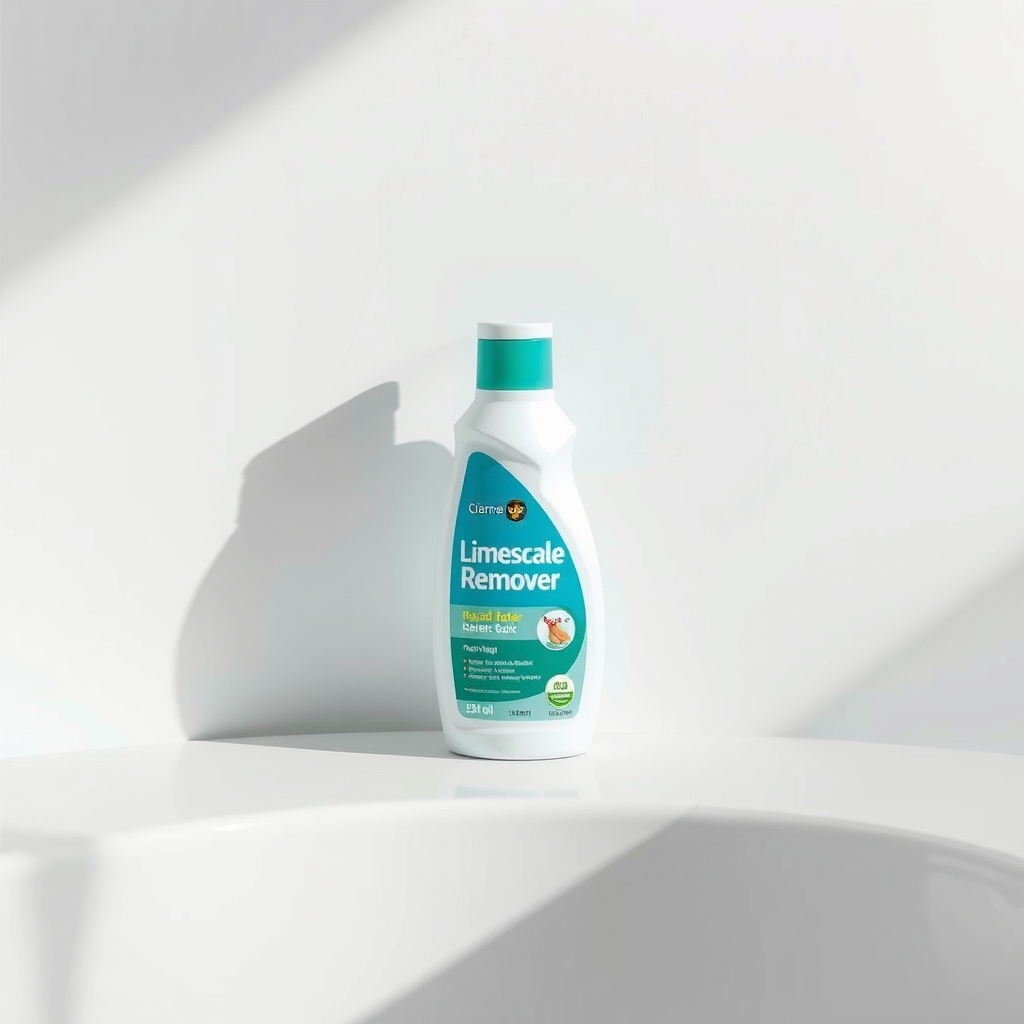
A limescale remover gel for thick scale
Thick or old scale often needs more than diluted vinegar. A gel clings to vertical tile, so the acid works while you wait instead of running off. It only clears what is there, so dry the tiles afterward.
What to get: Limescale and hard water stain remover
How long it lasts: It clears thick scale in one go. Drying the tile after each shower keeps it from building again.
As an Amazon Associate I earn from qualifying purchases.
What you'll need
-
White vinegar
The free acid for scale
You have it -
Spray bottle
For the 1:1 mix
You have it -
Rubber gloves
Acid dries skin out
You have it - Illustration
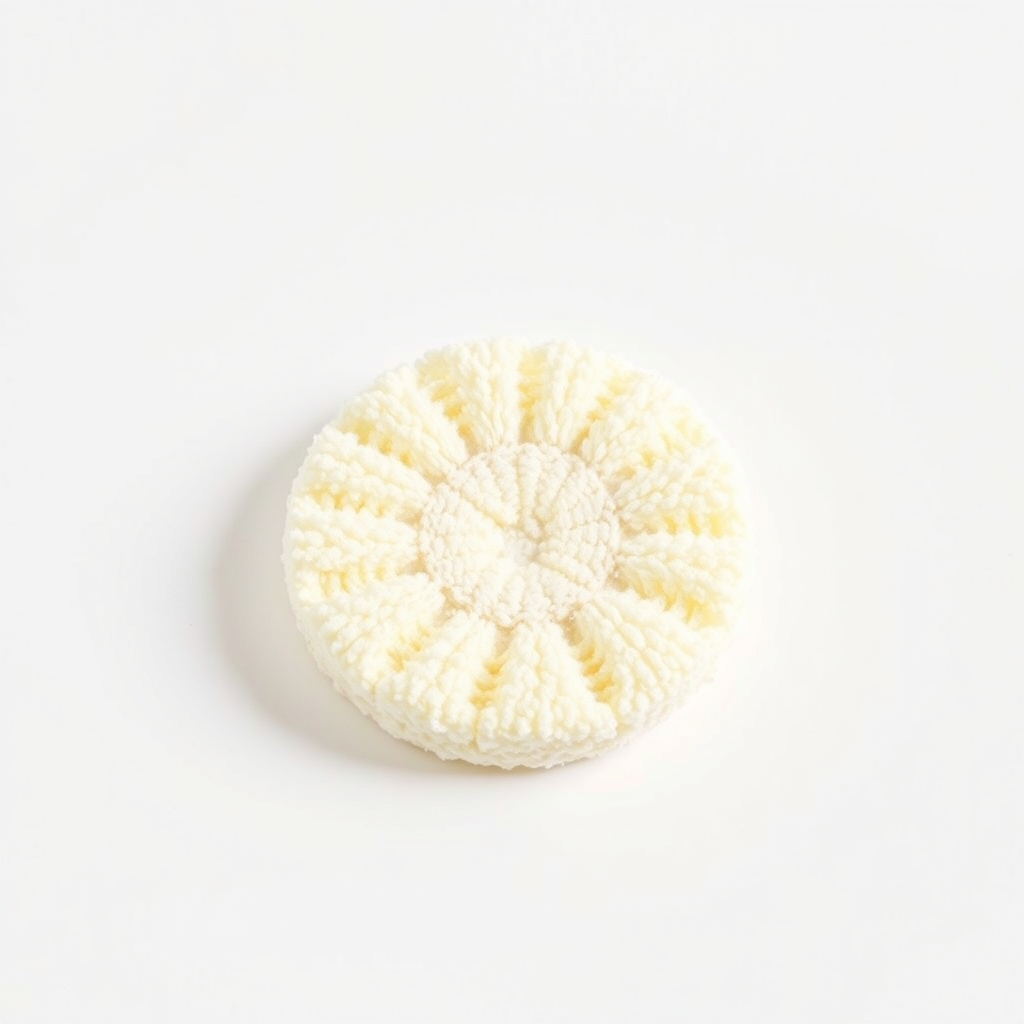
Non-scratch scrub pad
Will not scratch glazed tile
- Our pick Illustration
Limescale and hard water stain remover
For thick, old scale
Why it happens
Hard water minerals
Water carries calcium and magnesium. When a drop dries on tile, the water leaves, and the minerals stay as a chalky spot.
Drops drying in place
A shower leaves hundreds of drops. Each one dries into a spot, and spots merge into a white haze, especially on dark tile.
Soap scum mixed with minerals
Soap reacts with hard water minerals and forms a gray-white film. It feels waxy or greasy and traps even more dirt.
Efflorescence from the wall
A dry, powdery white crust on grout or the lower wall that returns after cleaning is salt coming out of the grout. It means moisture is moving through the wall.
Try this first (free)
Do these in order, starting with the simplest.
-
Check your tile type first
Vinegar and other acids can etch natural stone like marble, travertine and limestone. If your tile is stone, use a stone-safe, pH-neutral cleaner instead.
-
Glove up and spray equal parts vinegar and water
Tool used: Rubber glovesWear gloves, open a window or run the fan and spray the white areas. Keep the surface wet for 10 to 15 minutes, and respray if it dries.
-
Scrub with a non-scratch pad
Tool used: Non-scratch scrub padWork in small circles and use a soft brush on grout lines. Do not use steel wool or scouring powder, because they scratch glazed tile.
IllustrationCheck price on AmazonTool for this step
Non-scratch scrub pad · Will not scratch glazed tile
-
Rinse well and dry
Tool used: White vinegarRinse until you no longer smell vinegar, then dry the tile with a cloth. Do not leave vinegar on grout, since acid can wear away grout and sealer over time.
-
Dry the tile after every shower
The fix that lasts is removing the water. Pull a squeegee across the walls or towel-dry after each shower, and run the fan for 20 minutes.
When free fixes aren't enough
If vinegar softens the film but a white crust remains after two rounds, the scale is thick, and a gel remover clings long enough to dissolve it. If the white returns within days of a clean and is powdery, you likely have efflorescence, which means damp is moving through the wall. Fix the moisture, not the surface, and look at the mold pages. Never mix acid cleaners with bleach, because that releases toxic chlorine gas. Rinse one product off before using another.
Buy the fix
Still stuck after the free fixes? These are the products we would look at.
Limescale and hard water stain remover
Fixes: thick limescale crust that vinegar will not shift
Look for: Labeled for tile, glass and chrome; A gel or foam that clings to vertical walls; Stated safe for your tile type, since stone needs a stone-safe formula; Clear rinse-off directions.
- Who it's for
- Households with hard water and old, baked-on scale.
- Honest downside
- You have natural stone or colored grout, unless the label says it is safe. Acid can etch or fade them.
As an Amazon Associate I earn from qualifying purchases. We don't show prices because they change, so use the button to see today's price.
How we picked: How we picked: this page is based on tile and grout care guides, descaling advice from cleaner makers, and the problems and fixes people report in reviews of limescale removers. We do not test products by hand.
Scale or efflorescence? A 30-second test
Scrape a bit with your fingernail. Scale is hard, sticks to the surface and sits where water splashes. Efflorescence is powdery, brushes off dry and appears on grout or the lower wall. Efflorescence points to moisture behind the tile, so cleaning alone will not hold.
How to stop the white film coming back
- Squeegee or towel-dry the walls and glass after each shower. This removes the minerals before they dry.
- Fix drips. A faucet or shower head that drips leaves a new spot every day.
- Run the fan for 20 minutes, so steam does not condense and dry in place.
- Treat the water. If chalky buildup shows up all over the house, a whole-house softener is the permanent route.
What to skip
Steel wool and abrasive powders
They scratch the glaze. Scratched tile traps more minerals and soap, so the white film returns faster and gets harder to remove.
Frequently asked questions
How to remove hard water stains from tiles that are thick or old?
Is the white stuff on my tiles mold?
Can I use vinegar on grout?
Will a shower filter or softener stop the white film?
How often should I descale bathroom tile?
Related problems
 Free fix inside
Bathroom · Bathroom Tile
Bathroom Tiles Turning Orange? Rust or Soap Scum, and What Removes It
Read the fix Free fix inside
Bathroom · Shower Head
Low Shower Water Pressure? Descale First, Then Try a New Head
Read the fix Free fix inside
Bathroom · Shower Habits
How to Keep Bathroom Tiles Dry: The 30-Second Squeegee Habit
Read the fix Free fix inside
Bathroom · Bathtub Surface
Bathtub Turning Yellow? How to Whiten It Without Scratching the Finish
Read the fixAs an Amazon Associate I earn from qualifying purchases. Affiliate disclosure