Bathroom Tiles Turning Orange? Rust or Soap Scum, and What Removes It
Orange tile is usually rust from iron in the water or a metal item, or a slimy film. Test which one it is, then use a remover made for the job.
By Jamilur Rahman Updated November 5, 2026 · 6 min read
- Time
- 30 min
- Cost
- Under $20
- Difficulty
- Easy
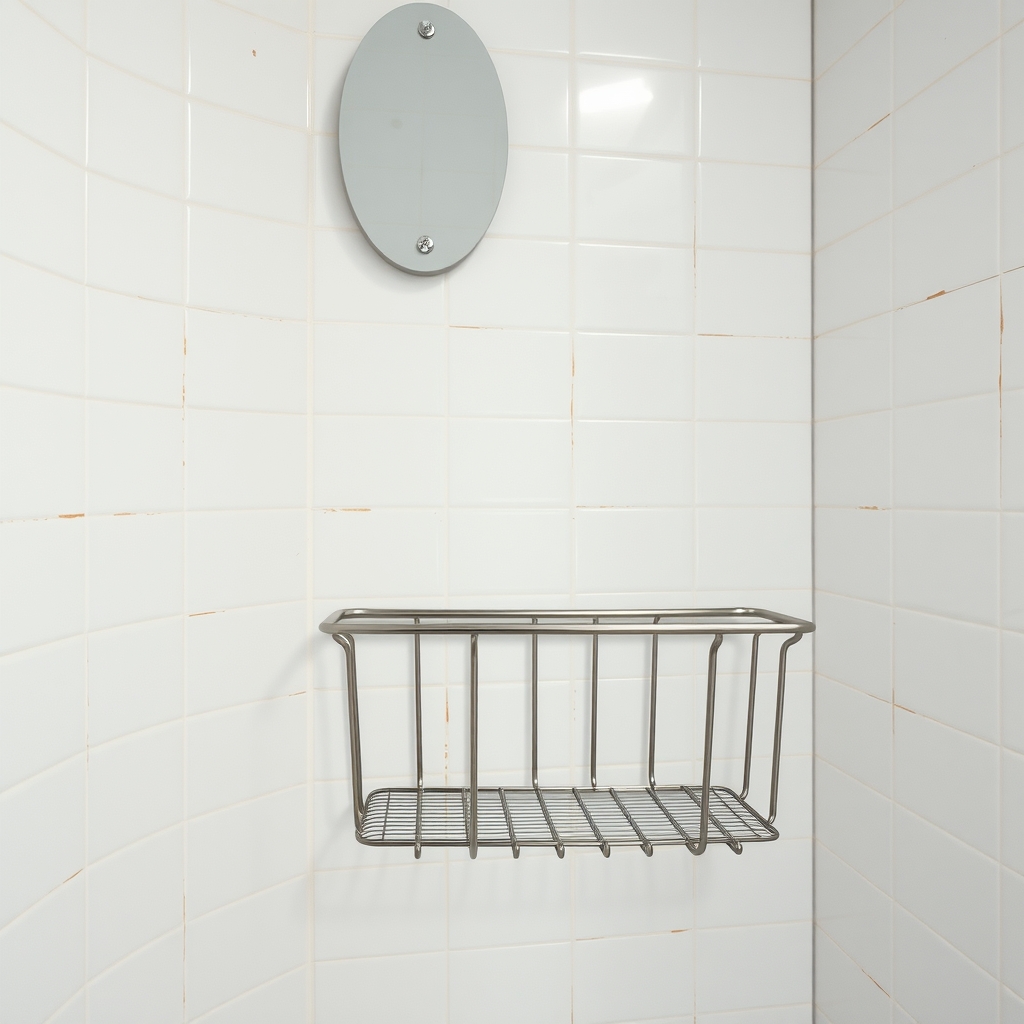
In this guide
Quick answer
Why do my bathroom tiles go orange? It is usually rust from iron in your water or from a metal item left on the floor, and sometimes an orange slime film. Wipe a spot: slime comes off, rust does not. Light rust gives way to lemon juice and salt. For rust that has set, a rust and hard water stain remover made for tile is the fix. Never use bleach, which can set rust.
Free fix vs. permanent fix
Lemon juice and salt on light rust
- Wipe a spot to see if it is slime or rust
- Cover rust with lemon juice and salt for 20 minutes
- Scrub with a soft brush and rinse well
- Remove the rusty item or fix the iron source
How long it lasts: Lifts light, fresh stains. The orange returns if the iron source is still there.
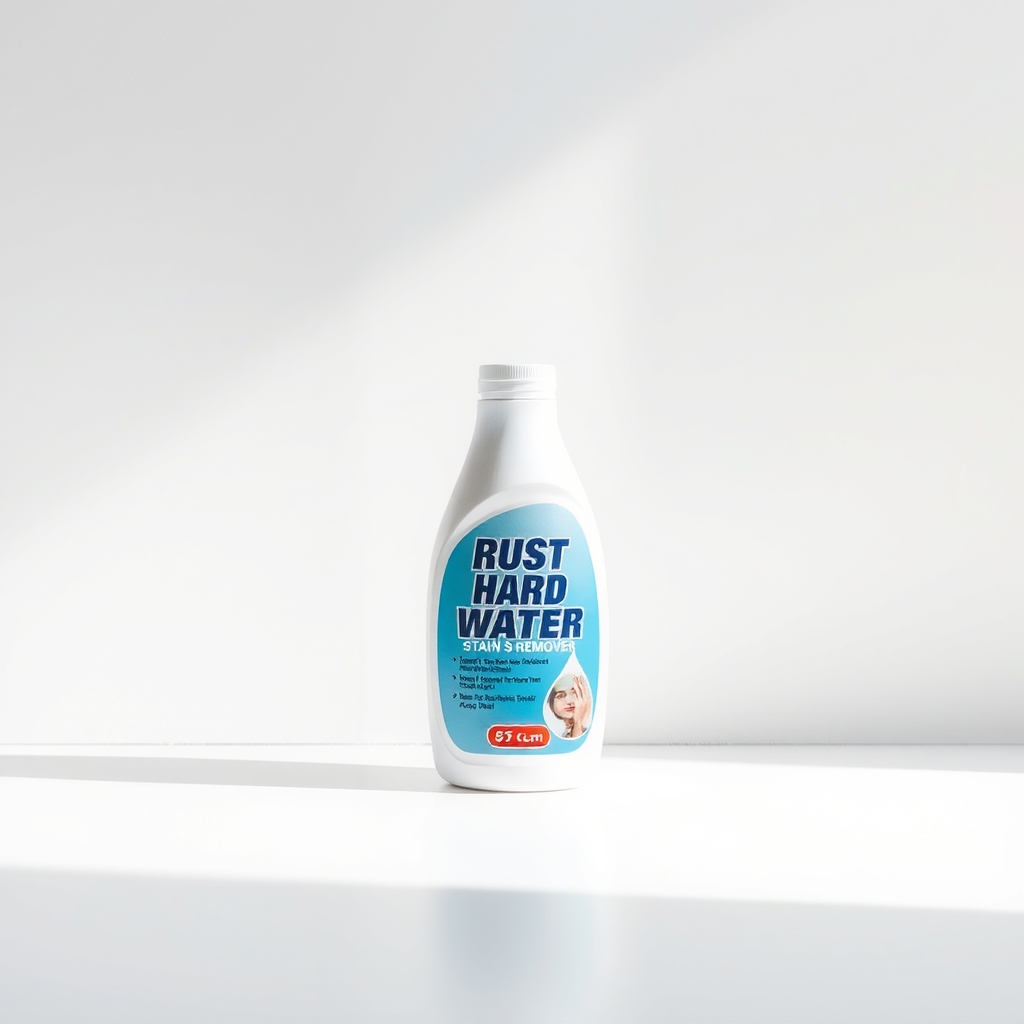
A rust and hard water stain remover made for tile
Home remedies work on a fresh stain. Rust that has dried into grout and tile needs an acid made to dissolve it. A remover made for tile does that in minutes, with far less scrubbing than lemon and salt.
What to get: Rust and hard water stain remover safe for tile
How long it lasts: Lifts old rust for good. The stain only returns if the source, like iron in the water, is still there.
As an Amazon Associate I earn from qualifying purchases.
What you'll need
-
Rubber gloves
Protect your hands from acids
You have it -
Lemon juice and salt
The free fix for light rust
You have it -
Soft scrub brush
A soft brush will not scratch glazed tile
You have it - Our pick Illustration
Rust and hard water stain remover
For set-in rust on glazed tile and grout
- Illustration
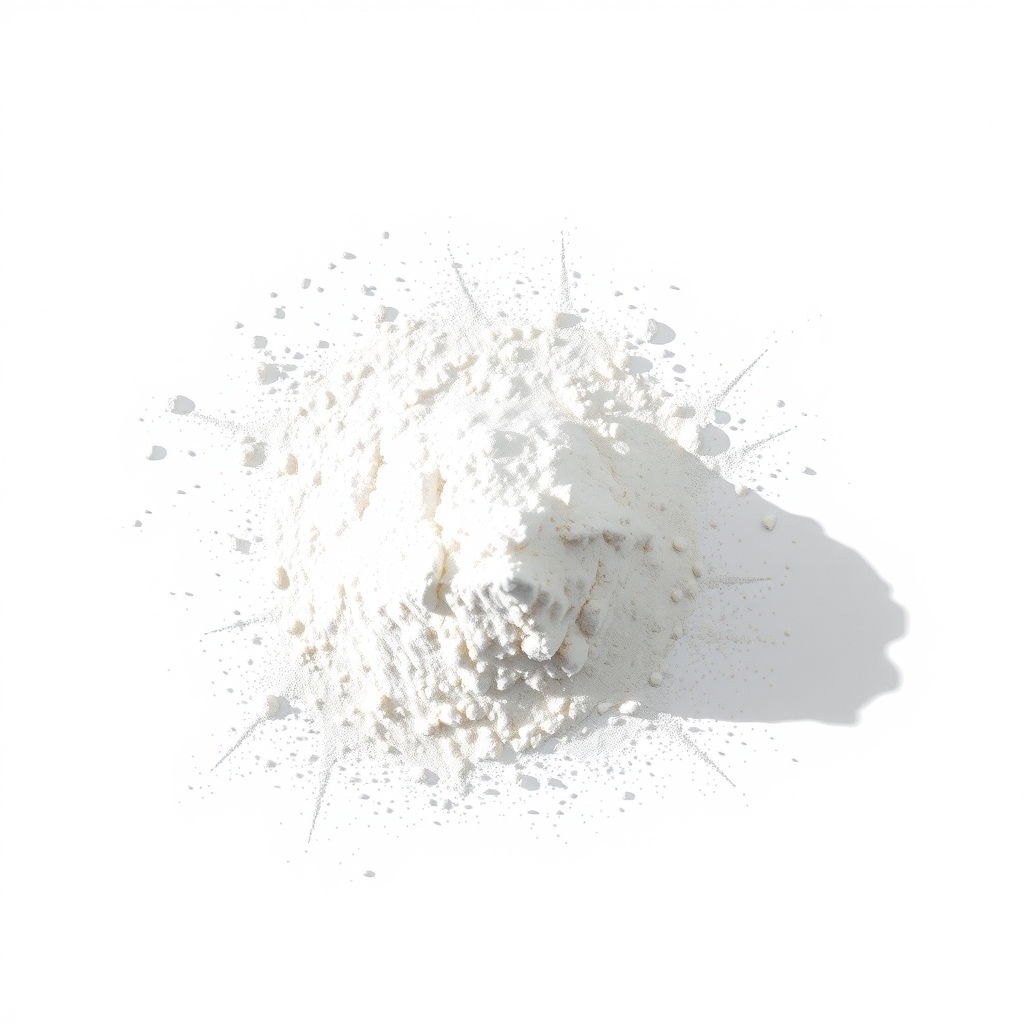
Citric acid powder
A cheap, mild acid for light-to-medium rust
Why it happens
Rust from iron in the water
Well water and old iron pipes carry dissolved iron. When water dries on tile it leaves an orange or brown stain, often near taps and drains.
Rust from metal items
Steel cans, razor blades, bobby pins, cheap shower caddies and metal toys leave orange rings where they sit on wet tile.
An orange or pink slime film
A bacterial film grows on damp tile and grout. It is soft and wipes off easily, but it comes back in damp rooms.
Soap scum and hard-water yellowing
Layers of soap and minerals look cream, yellow or tan on tile. That explains tiles that look yellow instead of orange.
Aging grout and sealer
Old sealer, cleaner residue and ground-in dirt turn grout yellow. Worn glaze can make a tile look discolored even when it is clean.
Try this first (free)
Do these in order, starting with the simplest.
-
Do the wipe test
Wet a white paper towel with a drop of dish soap and rub one spot. If the orange wipes off easily, it is slime and soap scum. If it stays, it is rust.
-
Check your tile type first
Glazed ceramic and porcelain tile handle mild acids. Natural stone such as marble, travertine and limestone is etched by acid. Test any cleaner on a hidden spot before using it on the whole wall.
-
Treat light rust with lemon and salt
Tool used: Lemon juice and saltCover the stain with lemon juice and a layer of salt for 20 minutes. Scrub with a soft brush and rinse with water.
-
Use a rust remover on set-in stains
Tool used: Rust and hard water stain removerWearing gloves, apply the remover as the label says, keep the fan on and leave it for the stated time. Scrub gently with the soft brush and rinse very well.
IllustrationCheck price on AmazonTool for this step
Rust and hard water stain remover · For set-in rust on glazed tile and grout
-
Wash slime and scum with a mild cleaner
Tool used: Soft scrub brushFor the wipe-off film, a few drops of dish soap in warm water on a soft brush will do. Rinse and dry the tile.
-
Stop it coming back
Take rusty items off the floor and shelves and wipe tile dry. If water leaves orange stains within weeks of cleaning, have it tested for iron.
When free fixes aren't enough
If the stain returns within weeks of cleaning, the iron is still arriving, from the water, a corroding pipe or a rusty item. Fill a clear glass and let it sit for an hour: orange or brown sediment suggests iron. A water test and an iron filter where the water enters the home are the long-term fix, and a plumber or water treatment company can advise. If your tile is natural stone, skip acid removers and use a stone-safe cleaner. If the glaze itself is worn and yellow, cleaning will not restore it.
Buy the fix
Still stuck after the free fixes? These are the products we would look at.
| Pick | Product | Fixes | Who it's for | Buy |
|---|---|---|---|---|
| Best pick | Rust and hard water stain remover safe for tile | set-in orange rust and mineral stains on tile and grout | Anyone whose lemon and salt did not lift the stain. | Check price |
| Budget pick | Citric acid powder | light-to-medium rust and mineral stains at a low cost | People who want a cheap, mild acid and do not mind mixing it themselves. | Check price |
Rust and hard water stain remover safe for tile
Fixes: set-in orange rust and mineral stains on tile and grout
Look for: Labeled for ceramic or porcelain tile and grout; Works on rust, such as oxalic, citric or phosphoric acid formulas; Clear directions and a warning about natural stone.
- Who it's for
- Anyone whose lemon and salt did not lift the stain.
- Honest downside
- Your tile is natural stone or unglazed, or the stain is slime that wipes off. Acid etches stone.
Citric acid powder
Fixes: light-to-medium rust and mineral stains at a low cost
Look for: Plain citric acid with no added fragrance; A resealable bag; Dissolves in warm water.
- Who it's for
- People who want a cheap, mild acid and do not mind mixing it themselves.
- Honest downside
- Your tile is natural stone, or the rust is thick and old. A stronger remover works faster.
As an Amazon Associate I earn from qualifying purchases. We don't show prices because they change, so use the button to see today's price.
How we picked: How we picked: this page is based on tile care guides, advice on cleaning rust and iron stains, and the problems and fixes people report in reviews of rust removers. We do not test products by hand.
Rust or slime? A 30-second check
- Soft and wipes off: slime or soap scum. Mild cleaner is enough.
- Hard, orange or brown, in a ring: rust from a metal item.
- Streaks under taps and around drains: iron in the water.
- Dull yellow film over the whole surface: soap scum and minerals.
Check your tile type before any acid
Acid cleaners are safe on glazed ceramic and porcelain. They will dull and etch natural stone such as marble and travertine. If you are not sure what you have, test a hidden corner and rinse after a minute.
What to skip
Chlorine bleach on rust
Bleach does not dissolve rust, and it can darken rust stains and make them stick. Never mix bleach with a rust remover or any acid, because the mix releases chlorine gas.
Frequently asked questions
Why is my bathroom tile turning orange?
Why are my bathroom tiles turning yellow?
Why have my bathroom tiles changed color?
Does vinegar remove rust from tile?
Related problems
 Free fix inside
Bathroom · Bathroom Tile
Bathroom Tiles Turning White? That's Usually Hard Water Scale
Read the fix Free fix inside
Bathroom · Bathroom Mold
Black Mold in Shower Grout? What Actually Kills It and Keeps It Away
Read the fix Free fix inside
Bathroom · Bathroom Mold
Pink Mold in the Shower? Wipe It Away and Keep It From Returning
Read the fix Free fix inside
Bathroom · Shower Habits
How to Keep Bathroom Tiles Dry: The 30-Second Squeegee Habit
Read the fixAs an Amazon Associate I earn from qualifying purchases. Affiliate disclosure