Pink Mold in the Shower? Wipe It Away and Keep It From Returning
Pink slime is usually bacteria feeding on soap film, not true mold. Wipe it off safely, then use a daily spray so it stops coming back.
By Jamilur Rahman Updated November 5, 2026 · 5 min read
- Time
- 20 min
- Cost
- Under $20
- Difficulty
- Easy
In this guide
Quick answer
To get rid of pink mold in the shower, wipe it off with a diluted bleach spray or a vinegar spray, scrub the corners and caulk lines, then rinse and dry. The pink slime is usually bacteria, not true mold, and it grows wherever soap film stays damp. A daily shower spray after the last shower of the day keeps it from regrowing.
Free fix vs. permanent fix
Wipe with a diluted bleach or vinegar spray
- Wear gloves and open a window or run the fan
- Spray, wait 5 to 10 minutes and scrub
- Rinse well and dry the surfaces
- Never mix bleach with vinegar or any other cleaner
How long it lasts: A few days to a few weeks. The slime regrows wherever water sits on soap film.
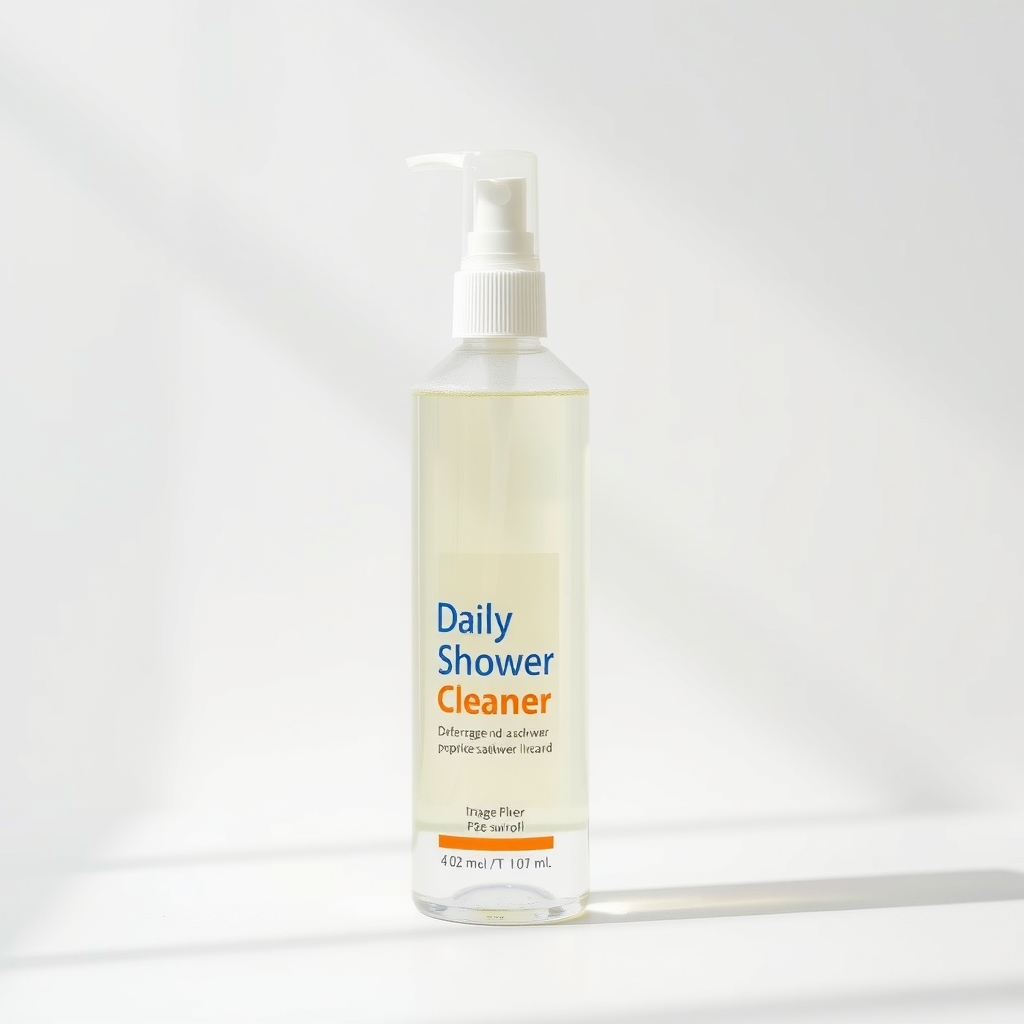
A daily shower cleaner spray
Pink slime lives on soap film and dampness. A daily spray takes about ten seconds and keeps the film from building, so you stop scrubbing every week. It helps only if you use it, and it does not cut humidity.
What to get: Daily shower cleaner spray
How long it lasts: As long as you spray after the last shower of the day. It stops soap film from building up, so there is less to grow on.
As an Amazon Associate I earn from qualifying purchases.
What you'll need
-
Rubber gloves
Protect skin from bleach and bacteria
You have it -
Spray bottle
Label it, so nobody mistakes it for water
You have it -
Household bleach or white vinegar
Use one, never both
You have it - Illustration
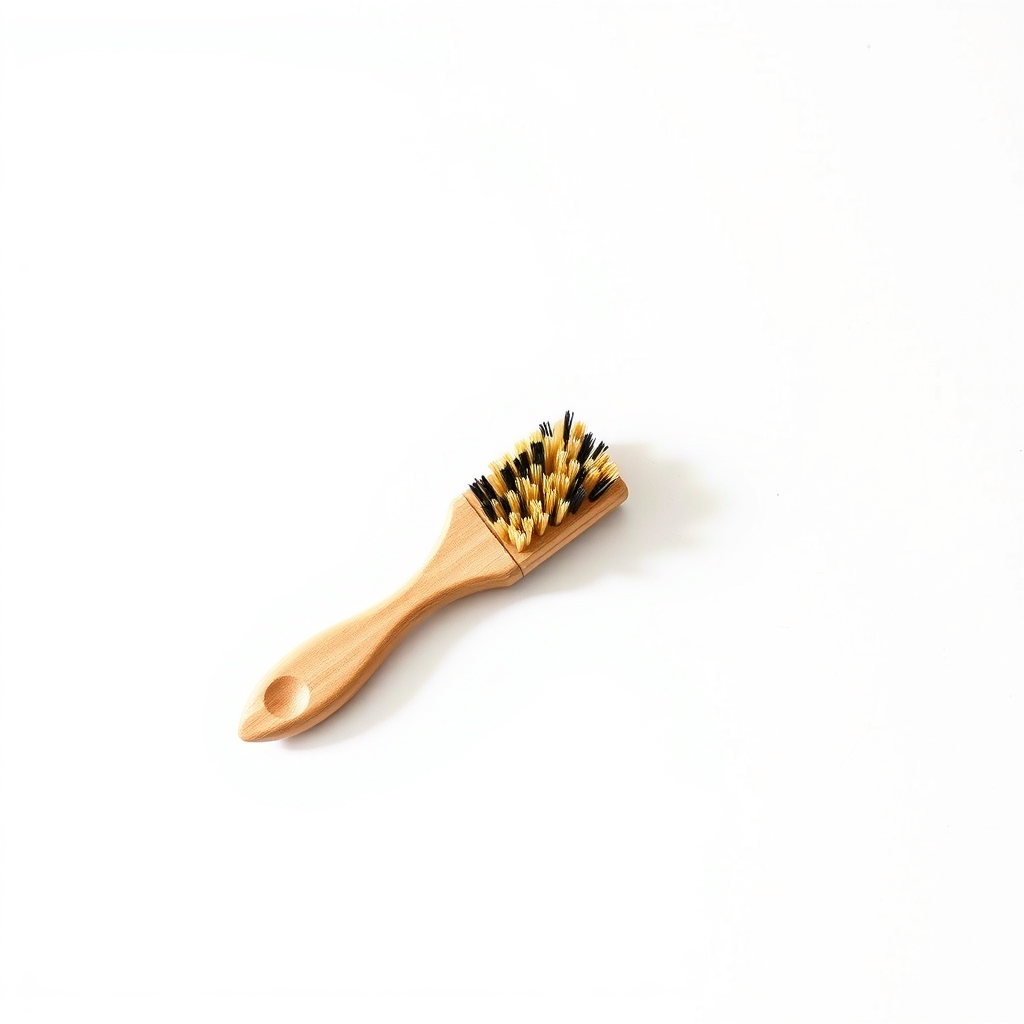
Stiff grout brush
Reaches caulk lines and corners
- Our pick Illustration
Daily shower cleaner spray
The no-scrub follow-up
Why it happens
Bacteria, not mold
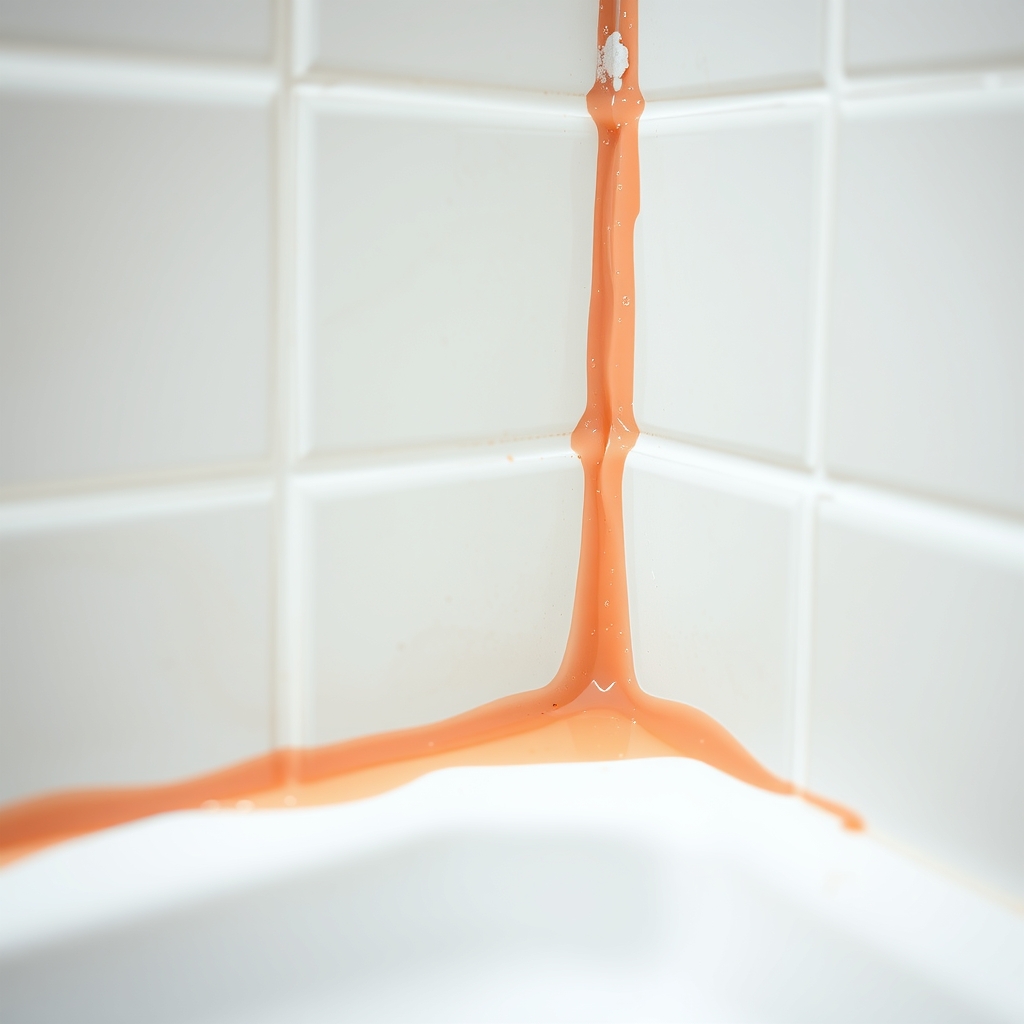
The pink or orange slime is usually a bacterium called Serratia marcescens. It feeds on soap and shampoo residue and thrives in damp spots.
Soap film on every surface
Bar soap, body wash and shampoo leave a thin film on tile, tub, caulk and the curtain hem. That film is the food.
Damp that never dries
A weak fan, a closed door and a bunched shower curtain keep surfaces wet for hours. Slime needs only a damp corner.
Spread by sponges and bottles
A wet loofah, a soap dish and the bases of shampoo bottles hold water and film. They carry the slime from spot to spot.
Try this first (free)
Do these in order, starting with the simplest.
-
Ventilate and glove up
Tool used: Rubber glovesOpen a window or run the fan, and put on gloves. Never mix bleach with vinegar, ammonia or other cleaners, because that can release dangerous gas.
-
Mix one cleaning spray
Tool used: Spray bottleUse 1 part household bleach to about 10 parts cool water, roughly 1 cup per gallon. On colored grout, caulk or natural stone, use white vinegar instead, or 3% hydrogen peroxide, since bleach can fade them.
-
Spray, wait and scrub
Tool used: Stiff grout brushSpray all pink areas and wait 5 to 10 minutes. Scrub the corners, caulk lines, the curtain hem and the soap dish.
IllustrationCheck price on AmazonTool for this step
Stiff grout brush · Reaches caulk lines and corners
-
Rinse and dry
Rinse until you no longer smell bleach or vinegar. Dry with a towel or squeegee and leave the fan on for 20 minutes.
-
Wash or replace the sponges and the curtain
Machine-wash a fabric curtain liner per its label, or replace a slimy plastic one. Swap an old loofah and rinse the soap dish.
-
Spray daily after the last shower
Tool used: Daily shower cleaner sprayMist the walls, tub, caulk and curtain with a daily shower spray. Check the label to see whether you can leave it on.
IllustrationCheck price on AmazonTool for this step
Daily shower cleaner spray · The no-scrub follow-up
When free fixes aren't enough
If the pink returns within a week, the free fix removed the slime but not what feeds it. A daily spray covers the soap-film side, and a squeegee and fan deal with the dampness. If you see black, green or fuzzy growth, the grout is crumbling, the patch is bigger than about 10 square feet or there is a musty smell from inside a wall, treat it as mold and consider a pro. If someone at home has a weakened immune system or breathing problems, have someone else do the cleaning.
Buy the fix
Still stuck after the free fixes? These are the products we would look at.
Daily shower cleaner spray
Fixes: pink film regrowing on soap scum
Look for: Labeled safe for your tub, tile, glass and grout; A leave-on formula you spray after the last shower; Label wording about soap scum or mildew prevention; A fragrance you can live with in a steamy room.
- Who it's for
- Households that shower daily and do not want to scrub every weekend.
- Honest downside
- Your shower is natural stone, which needs its own cleaner, or you are sensitive to scents. Never mix it with bleach.
As an Amazon Associate I earn from qualifying purchases. We don't show prices because they change, so use the button to see today's price.
How we picked: How we picked: this page is based on public health and household-cleaning guidance, bathroom care guides, and the problems and fixes people report in reviews of shower sprays. We do not test products by hand.
Why is my bathtub turning pink, and why are my bathroom tiles turning pink?
If your bathtub is turning pink or your bathroom tiles are turning pink, you are looking at the same slime. It starts at the lowest, dampest spots: the tub edge, grout lines and corners. It then spreads upward along the soap film. If the color is orange or rust and gritty, check for rust or iron in the water instead.
Where pink slime hides
- The bottom hem of the shower curtain and liner
- Caulk lines and corners, where water sits
- The soap dish and shampoo bottle bases
- The drain edge and the toilet bowl waterline
What to skip
Mixing bleach and vinegar for extra power
Together they release chlorine gas, which is dangerous to breathe. Use one product at a time, rinse well between products and keep the room ventilated.
Frequently asked questions
How to get rid of pink mold in bathroom areas outside the shower?
Why does my bathtub turn pink?
Is pink mold dangerous?
Can I use vinegar instead of bleach?
Related problems
 Free fix inside
Bathroom · Bathroom Mold
Black Mold in Shower Grout? What Actually Kills It and Keeps It Away
Read the fix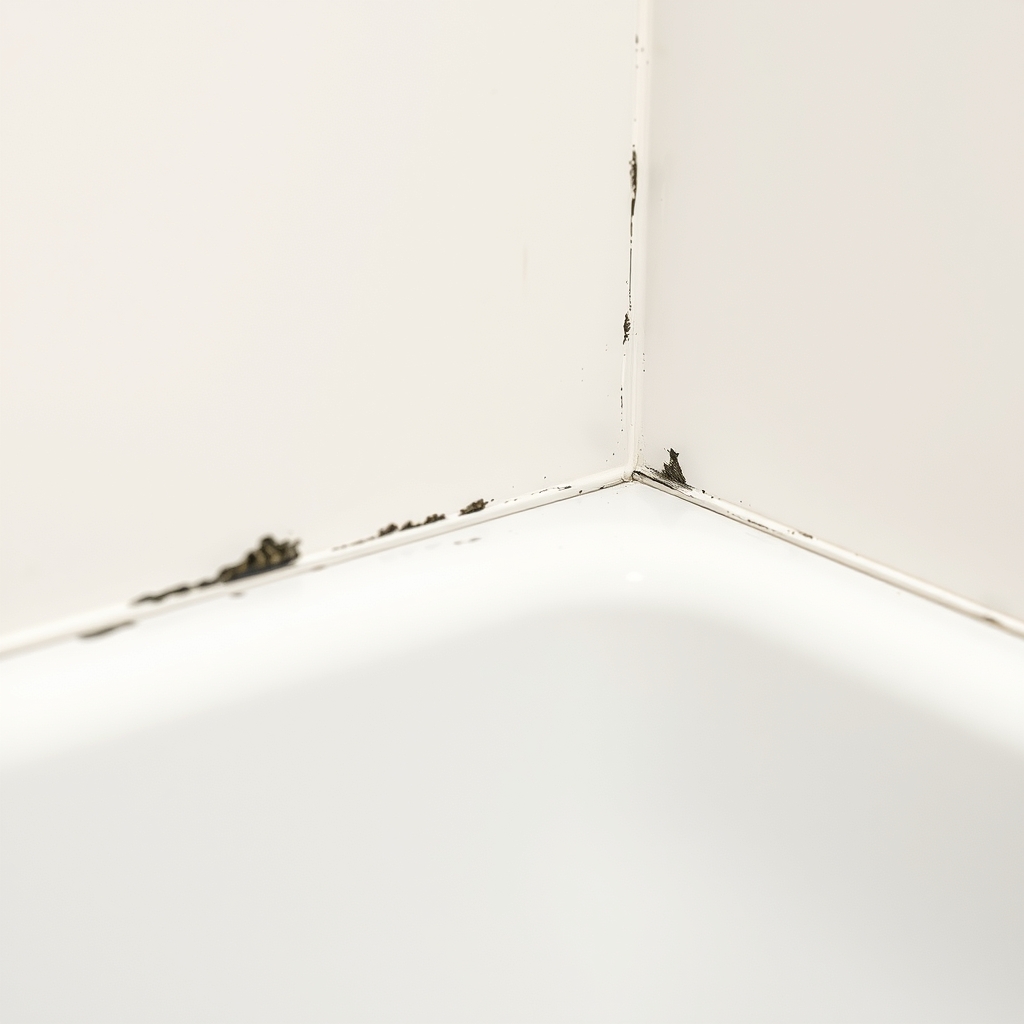 Free fix inside
Bathroom · Bathroom Mold
Black Mold in Shower Caulk? Re-Caulk Instead of Scrubbing Forever
Read the fix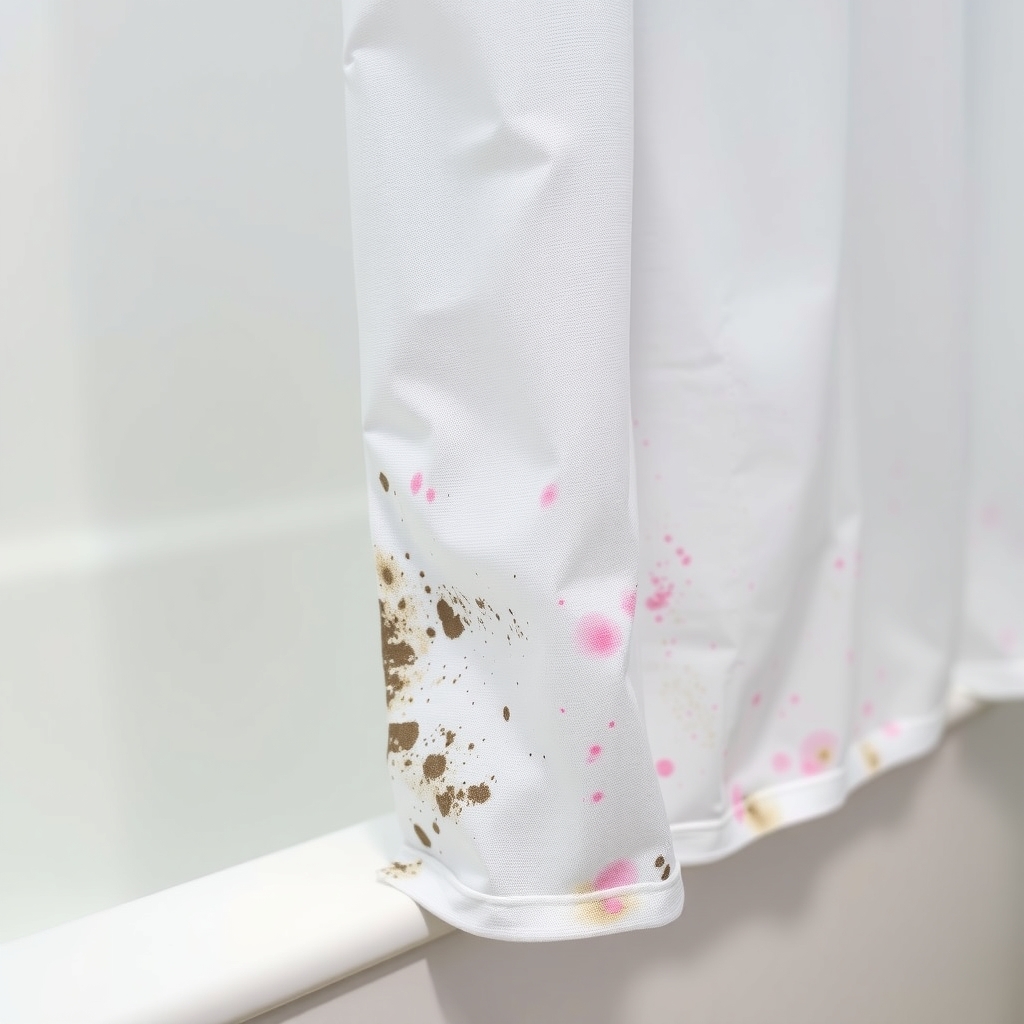 Free fix inside
Bathroom · Shower Curtain
Shower Curtain Keeps Getting Moldy? Why It Happens and What to Buy
Read the fix Free fix inside
Bathroom · Shower Habits
How to Keep Bathroom Tiles Dry: The 30-Second Squeegee Habit
Read the fixAs an Amazon Associate I earn from qualifying purchases. Affiliate disclosure