Black Mold in Shower Grout? What Actually Kills It and Keeps It Away
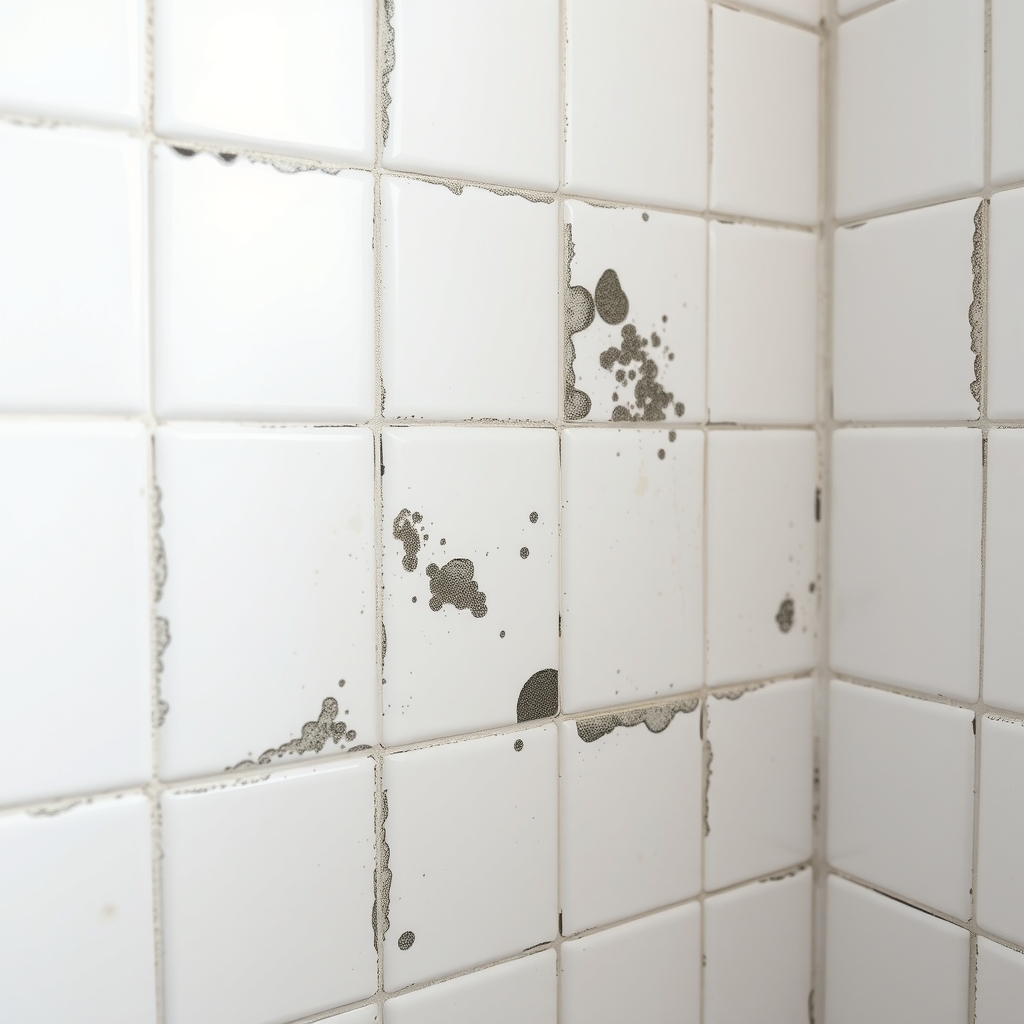
Most black grout stains are surface mildew. Kill it with something that clings, scrub the lines, then cut the moisture so it stops coming back.
By Jamilur Rahman Updated November 5, 2026 · 7 min read
- Time
- 45 min
- Cost
- Under $20
- Difficulty
- Easy
In this guide
- Quick answer
- Free vs. permanent fix
- What you'll need
- Why it happens
- Try this first (free)
- When free fixes aren't enough
- Buy the fix
- How to get rid of black mold in shower tile grout, walls and corners
- How to stop bathroom mold and keep tiles mould free
- Is it dangerous black mold?
- What to skip
- FAQ
- Related problems
Quick answer
To get rid of black mold in shower grout, wet the grout with a mold killer, give it time to work, then scrub the lines with a stiff brush. Bleach or 3 percent hydrogen peroxide clears light stains. A mold and mildew remover gel clings to vertical grout and works longer. Keep the shower drier afterward, or it grows back.
Free fix vs. permanent fix
Hydrogen peroxide or diluted bleach, then scrub
- Spray 3 percent hydrogen peroxide or diluted bleach on the grout
- Leave it 10 to 15 minutes without letting it dry
- Scrub the lines with a stiff nylon brush
- Rinse and dry the wall
How long it lasts: Weeks to a few months. Grout is porous, so growth in the pores returns when the wall stays damp.
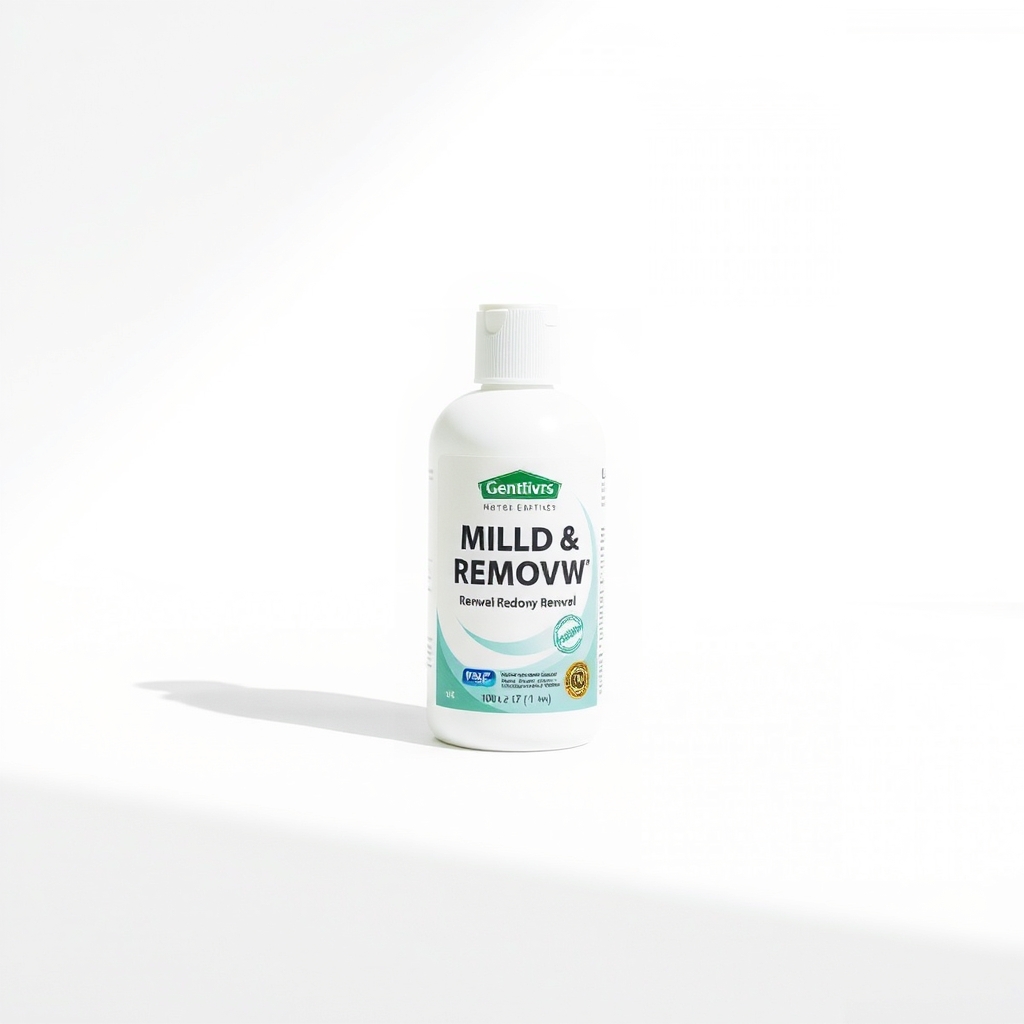
A mold and mildew remover gel
Sprays run off a wall in seconds. A gel clings to the grout line, so the active ingredient sits on the growth for the full contact time on the label. With a narrow brush it reaches into the lines, so the growth comes out instead of only fading. It still needs a drier shower to stay gone.
What to get: Mold and mildew remover gel
How long it lasts: Longer between cleanings, as long as you also dry the shower after use.
As an Amazon Associate I earn from qualifying purchases.
What you'll need
-
Rubber gloves and safety glasses
For any cleaner that can splash
You have it -
Hydrogen peroxide, 3 percent
One bottle from a drugstore goes a long way
You have it - Our pick Illustration
Mold and mildew remover gel
Clings to vertical grout longer than a spray
- Illustration
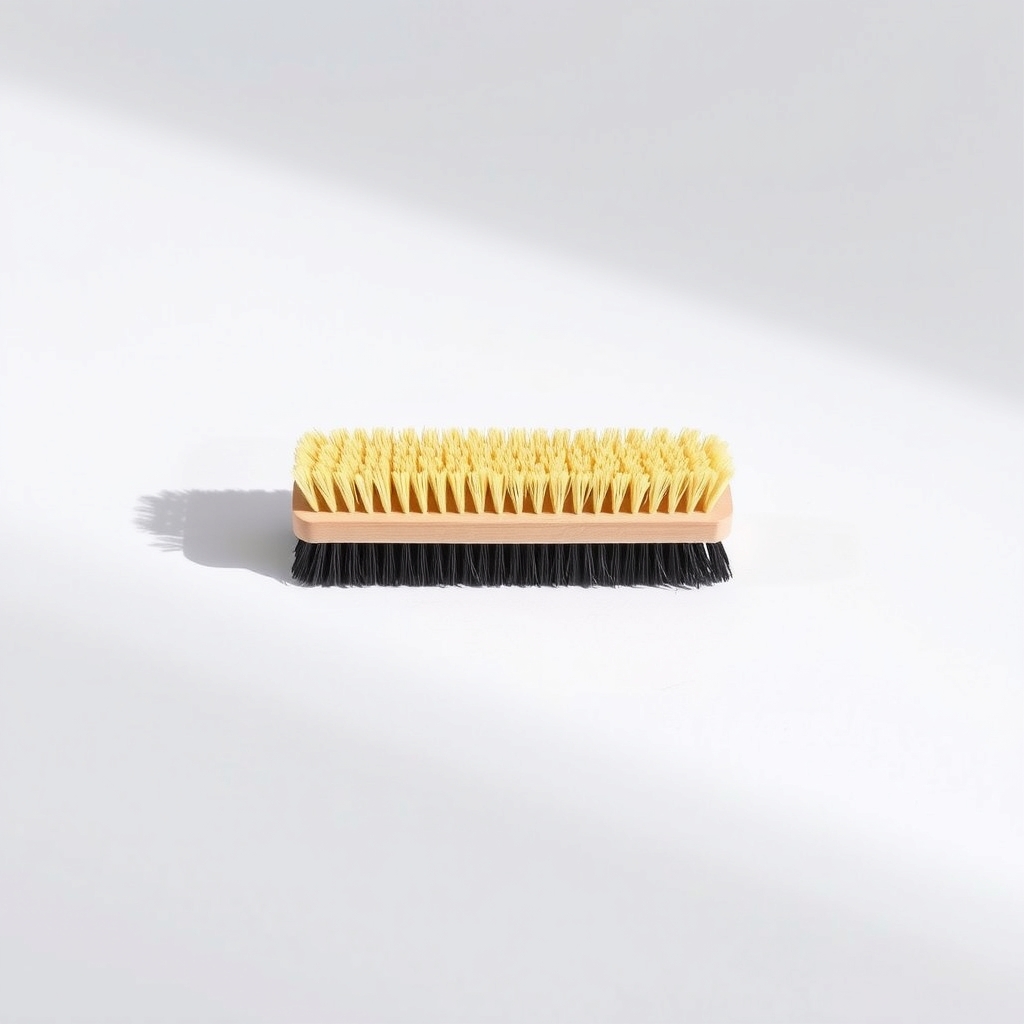
Stiff nylon grout brush
A narrow head reaches into the lines
- Illustration
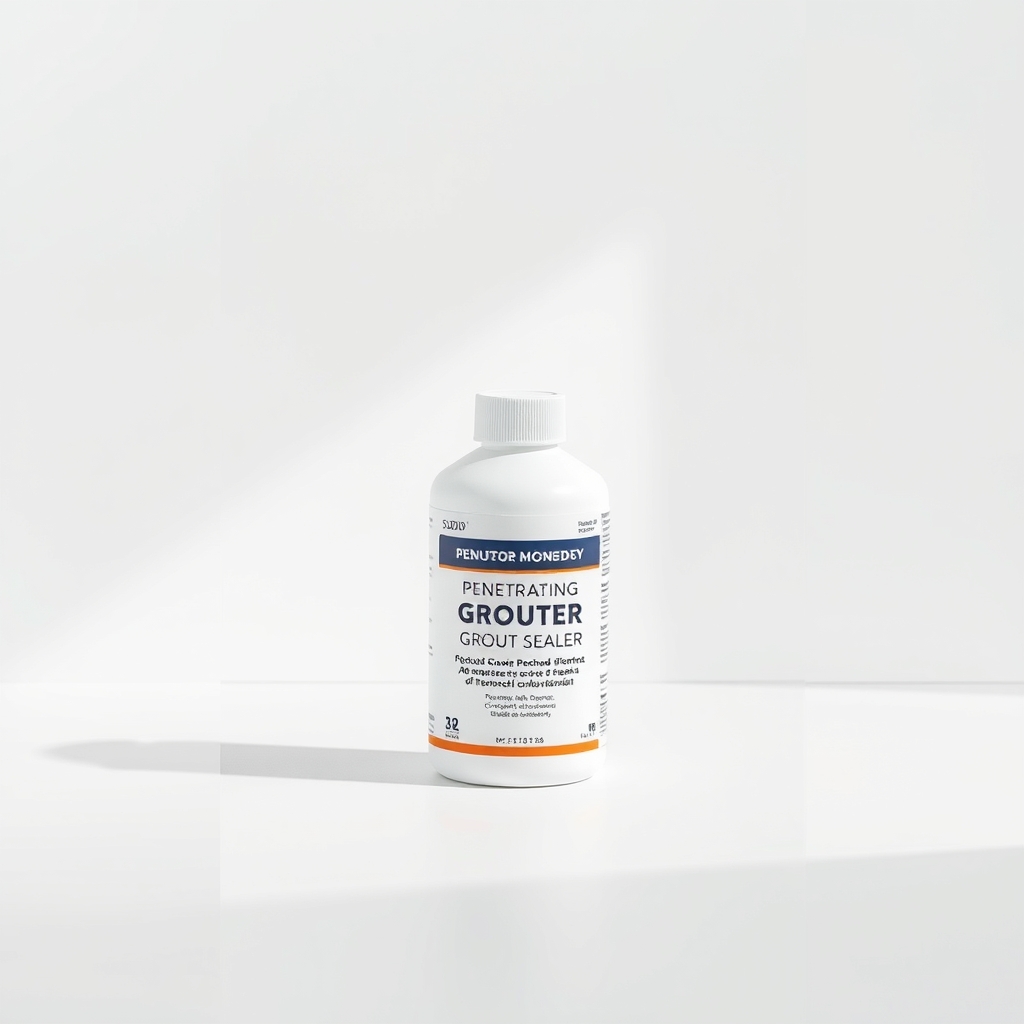
Penetrating grout sealer
Use once the grout is clean and fully dry
Why it happens
Moisture that lingers
Steam and splashes leave grout wet for hours. Mold needs only damp surfaces and a little food to start.
Porous grout
Cement-based grout soaks up water and soap like a sponge. Growth roots into the pores, so surface cleaning only handles the top layer.
Soap scum for food
Body wash, shampoo and skin oils leave a thin film on the tile and grout. Mold feeds on it.
A fan that is too weak or switched off too soon
If the bathroom is still humid half an hour after your shower, the grout never fully dries between uses.
Try this first (free)
Do these in order, starting with the simplest.
-
1. Ventilate and protect yourself
Tool used: Rubber gloves and safety glassesOpen a window or run the fan. Put on gloves and safety glasses. Never mix bleach with vinegar, ammonia or other cleaners, since the fumes are toxic.
-
2. Apply your cleaner
Tool used: Mold and mildew remover gelSpray 3 percent hydrogen peroxide on the grout, or use bleach diluted to no more than 1 cup per gallon of water. On walls, a gel stays where you put it. Keep vinegar off natural stone, because it etches marble and travertine.
IllustrationCheck price on AmazonTool for this step
Mold and mildew remover gel · Clings to vertical grout longer than a spray
-
3. Let it sit
Wait 10 to 15 minutes for peroxide or bleach, or follow the label for a gel. Do not let it dry out on the wall.
-
4. Scrub the lines
Tool used: Stiff nylon grout brushWork a stiff nylon brush along each line, back and forth. Skip metal brushes. They gouge the grout and give mold more places to hide.
IllustrationCheck price on AmazonTool for this step
Stiff nylon grout brush · A narrow head reaches into the lines
-
5. Rinse and dry the wall
Rinse with clean water and wipe the tile dry. Run the fan 20 minutes after every shower and squeegee the walls when you can.
-
6. Seal the clean grout
Tool used: Penetrating grout sealerOnce the grout has dried fully, usually 24 hours or more, brush on a penetrating sealer. It slows water from getting into the pores.
IllustrationCheck price on AmazonTool for this step
Penetrating grout sealer · Use once the grout is clean and fully dry
When free fixes aren't enough
If the black returns within a few weeks, the grout is holding water. A gel with a longer contact time lifts more of what sits in the pores, and a sealer afterward stops them from soaking up water again. Stop and call a pro if the mold covers more than about 10 square feet, the grout is crumbling, tiles are loose or sound hollow, or you smell mustiness after cleaning. The moisture may be behind the wall. Anyone with asthma or a weak immune system should have someone else do the cleaning.
Buy the fix
Still stuck after the free fixes? These are the products we would look at.
| Pick | Product | Fixes | Who it's for | Buy |
|---|---|---|---|---|
| Best pick | Mold and mildew remover gel | black growth in grout lines that sprays run off | Anyone with mold on shower walls or in corners where a spray drips away. | Check price |
| Budget pick | Stiff nylon grout brush | growth that a spray alone leaves in the grout | Anyone using bleach or peroxide they already own. | Check price |
| Upgrade pick | Penetrating grout sealer | damp grout that grows mold again after cleaning | People who cleaned once and want it to last. | Check price |
Mold and mildew remover gel
Fixes: black growth in grout lines that sprays run off
Look for: A thick gel that clings to vertical grout; A label that lists shower tile and grout as safe surfaces; Clear contact time and ventilation directions.
- Who it's for
- Anyone with mold on shower walls or in corners where a spray drips away.
- Honest downside
- Your tile is natural stone, or you cannot ventilate well. Check the label for stone, or use peroxide.
Stiff nylon grout brush
Fixes: growth that a spray alone leaves in the grout
Look for: A narrow head that fits grout lines; Stiff nylon bristles, not metal; A comfortable handle you can push with.
- Who it's for
- Anyone using bleach or peroxide they already own.
- Honest downside
- The grout is crumbling. Scrubbing only widens the gaps.
Penetrating grout sealer
Fixes: damp grout that grows mold again after cleaning
Look for: A penetrating sealer for cement grout, not a surface film; Rated for wet areas and showers; An applicator that fits narrow grout lines.
- Who it's for
- People who cleaned once and want it to last.
- Honest downside
- The grout still has black growth. Seal only clean, fully dry grout.
As an Amazon Associate I earn from qualifying purchases. We don't show prices because they change, so use the button to see today's price.
How we picked: How we picked: this page is based on public mold-cleanup guidance, grout and tile care guides, product directions from cleaner makers, and what owners report in reviews. We do not test products by hand.
How to get rid of black mold in shower tile grout, walls and corners
- Grout lines on tile: gel or peroxide, 10 to 15 minutes, then a narrow brush.
- Walls and shower panels: spray, then wipe with a soft sponge. Skip the hard brush on smooth panels.
- Corners and caulk: if the mold sits in the caulk bead, replace the caulk. Cleaning does not reach the black underneath.
How to stop bathroom mold and keep tiles mould free
Aim to get the walls dry within 30 minutes of your shower. Run the fan 20 minutes or more, leave the shower door or curtain open, squeegee the tile and keep wet towels out. Once a month, wipe the grout lines with a cleaner before black shows up.
Is it dangerous black mold?
Color does not tell you the species. Most black marks in grout are common mildew. Treat any mold seriously, but call a pro if it covers a large area, comes back right after cleaning or has soft, crumbly material behind it.
What to skip
Painting or caulking over it, or spraying and walking away
Paint and caulk over black grout trap moisture and growth underneath. A quick spray without scrubbing mostly bleaches the color while the roots stay in the pores. Clean it properly, then dry and seal.
Frequently asked questions
How to get rid of black mold in the shower naturally, with vinegar?
How to get rid of black mold in the shower with hydrogen peroxide?
Why are my bathroom tiles turning black, and why does my bathtub have black spots?
Why does my bathroom keep growing mold, and why does the shower keep getting moldy?
Related problems
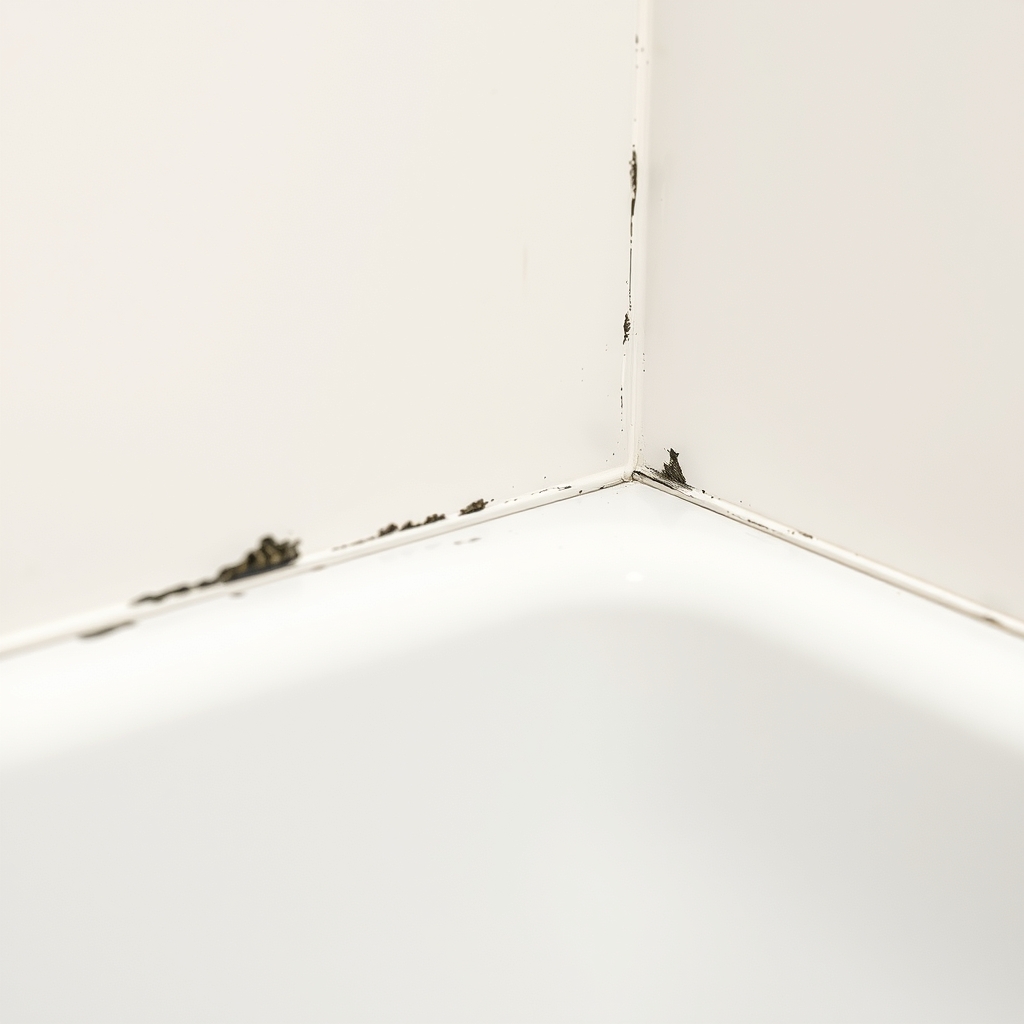 Free fix inside
Bathroom · Bathroom Mold
Black Mold in Shower Caulk? Re-Caulk Instead of Scrubbing Forever
Read the fix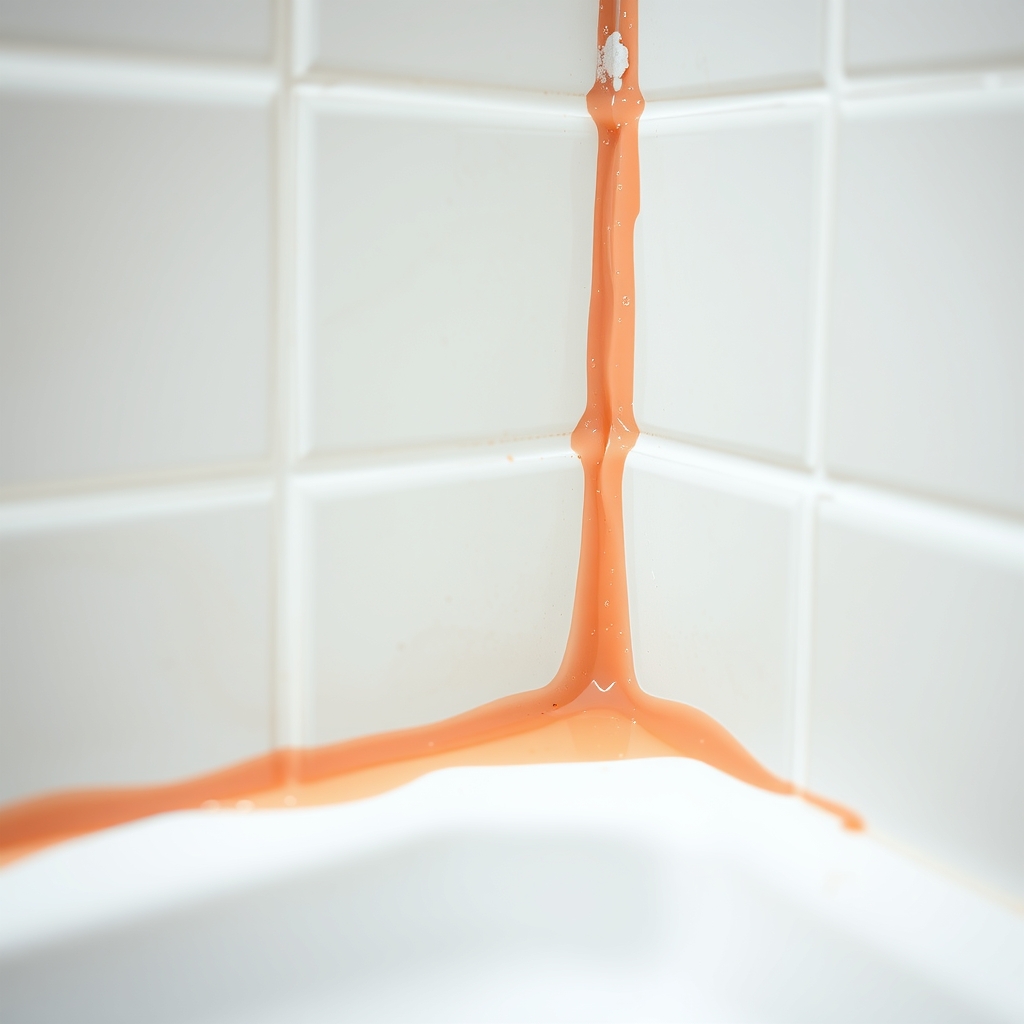 Free fix inside
Bathroom · Bathroom Mold
Pink Mold in the Shower? Wipe It Away and Keep It From Returning
Read the fix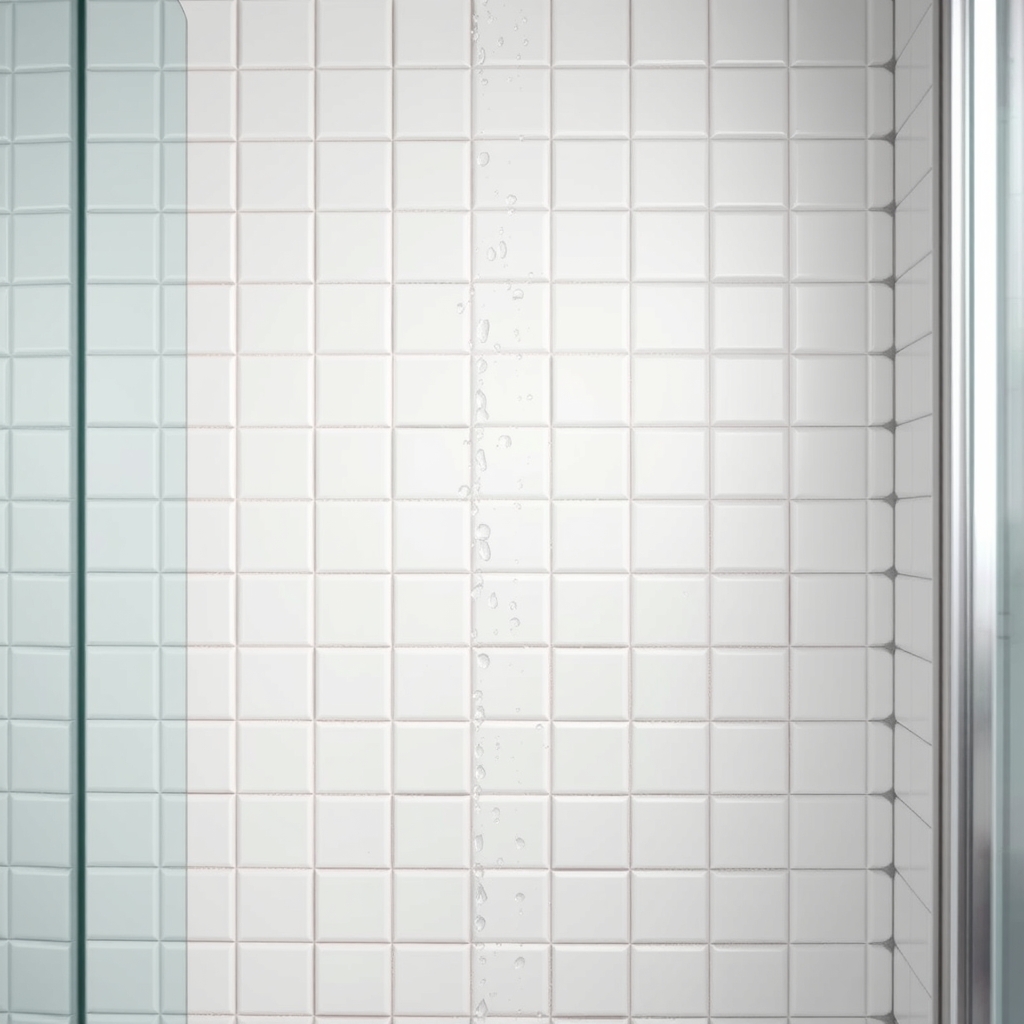 Free fix inside
Bathroom · Shower Habits
How to Keep Bathroom Tiles Dry: The 30-Second Squeegee Habit
Read the fix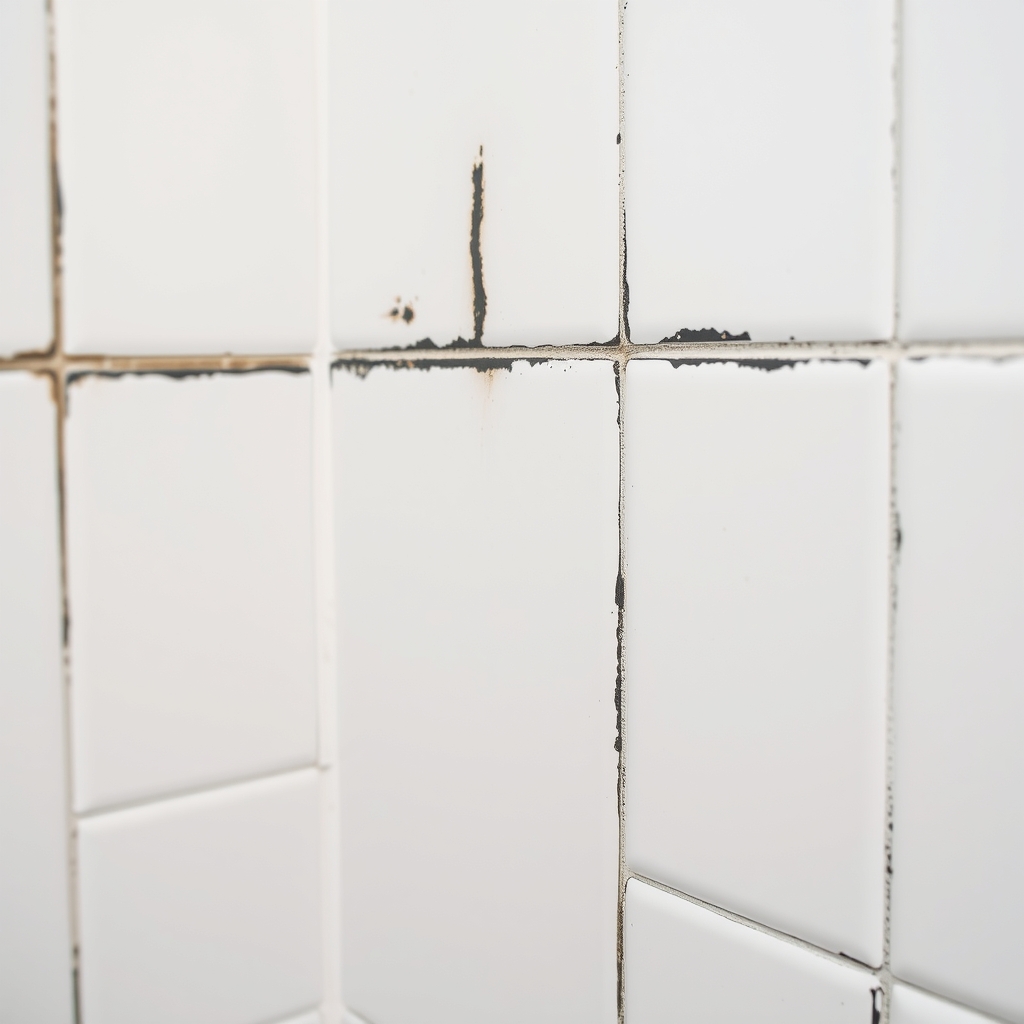 Free fix inside
Cleaning · Tile Grout
Tile Grout Molding? Kill It, Then Seal the Grout So It Stays Gone
Read the fixAs an Amazon Associate I earn from qualifying purchases. Affiliate disclosure