Bathtub Turning Yellow? How to Whiten It Without Scratching the Finish
A yellow tub is usually a film of soap, oil and minerals, not a ruined finish. Lift it gently, then keep it white with a non-abrasive stain remover.
By Jamilur Rahman Updated November 5, 2026 · 6 min read
- Time
- 30 min
- Cost
- Under $20
- Difficulty
- Easy
In this guide
Quick answer
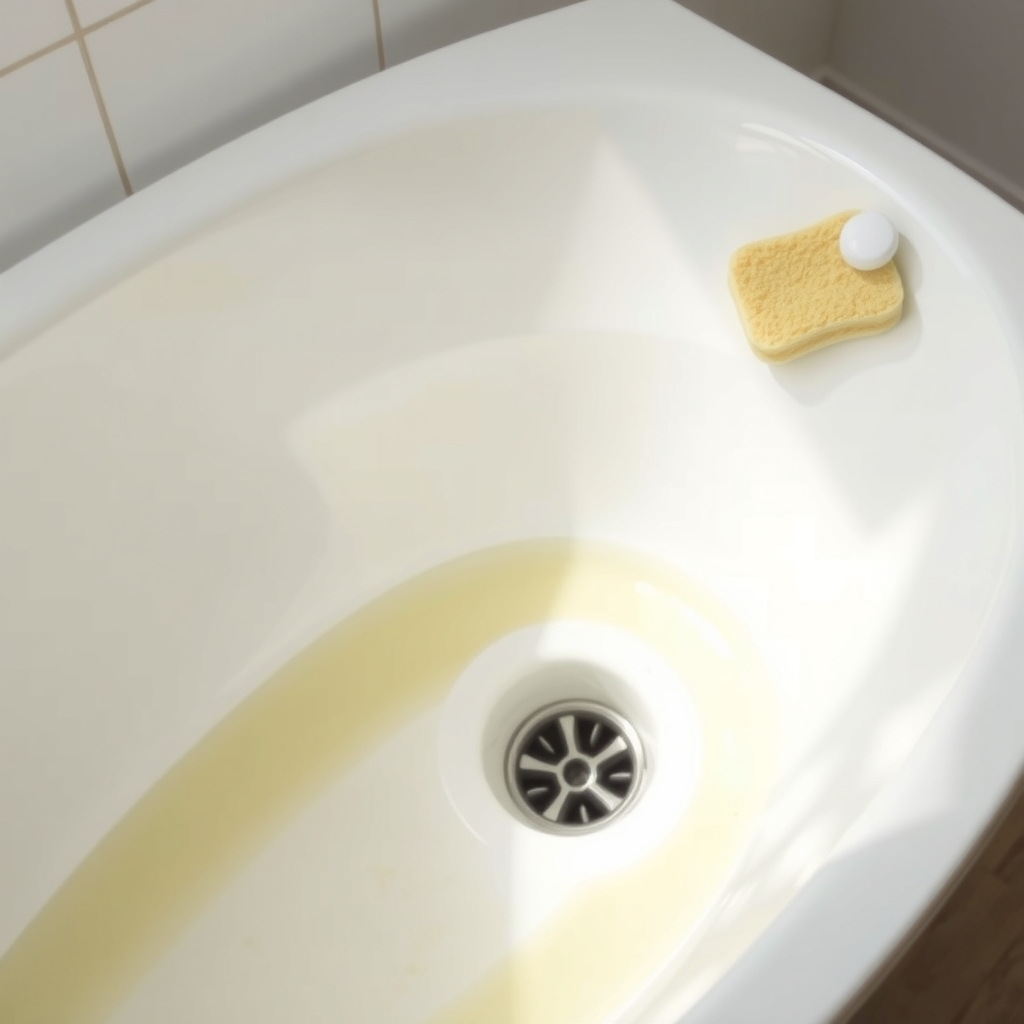
Why is my bathtub turning yellow? Most often it is a thin film of soap scum, body oil and hard-water minerals, and that film comes off with gentle scrubbing. Start with a baking soda paste and a soft sponge. If yellow stays in the corners or around the drain, a non-abrasive tub and tile stain remover lifts it without scratching, which matters because scratches hold dirt and turn yellow faster.
Free fix vs. permanent fix
Baking soda paste and a soft sponge
- Mix baking soda with a little water into a thick paste
- Spread it on the damp tub and leave it for 15 minutes
- Scrub with a soft sponge, never steel wool
- Rinse well and dry the surface
How long it lasts: Often whitens a light film completely. The yellow can creep back in a few weeks if the film builds up again.
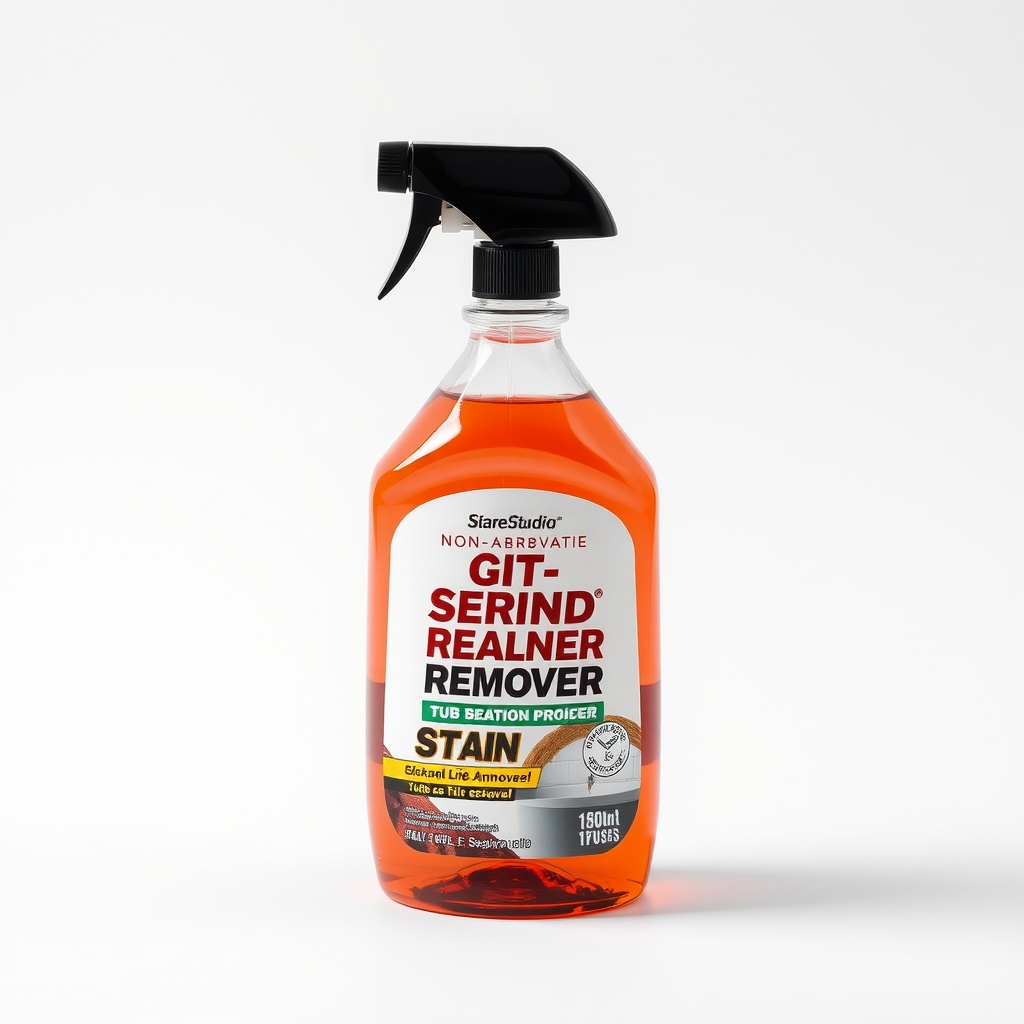
A non-abrasive tub and tile stain remover
The paste fixes most light yellowing. A remover made for tubs is for older, set-in yellow, and for anyone who would rather spray and wipe than scrub. It breaks down oily film and mineral stains without the grit that dulls acrylic and fiberglass.
What to get: Non-abrasive tub and tile stain remover
How long it lasts: Months between uses. A quick monthly treatment keeps the film from setting.
As an Amazon Associate I earn from qualifying purchases.
What you'll need
-
Rubber gloves
Keeps your hands out of the cleaner
You have it -
Baking soda
The mild scrub for the paste
You have it - Illustration
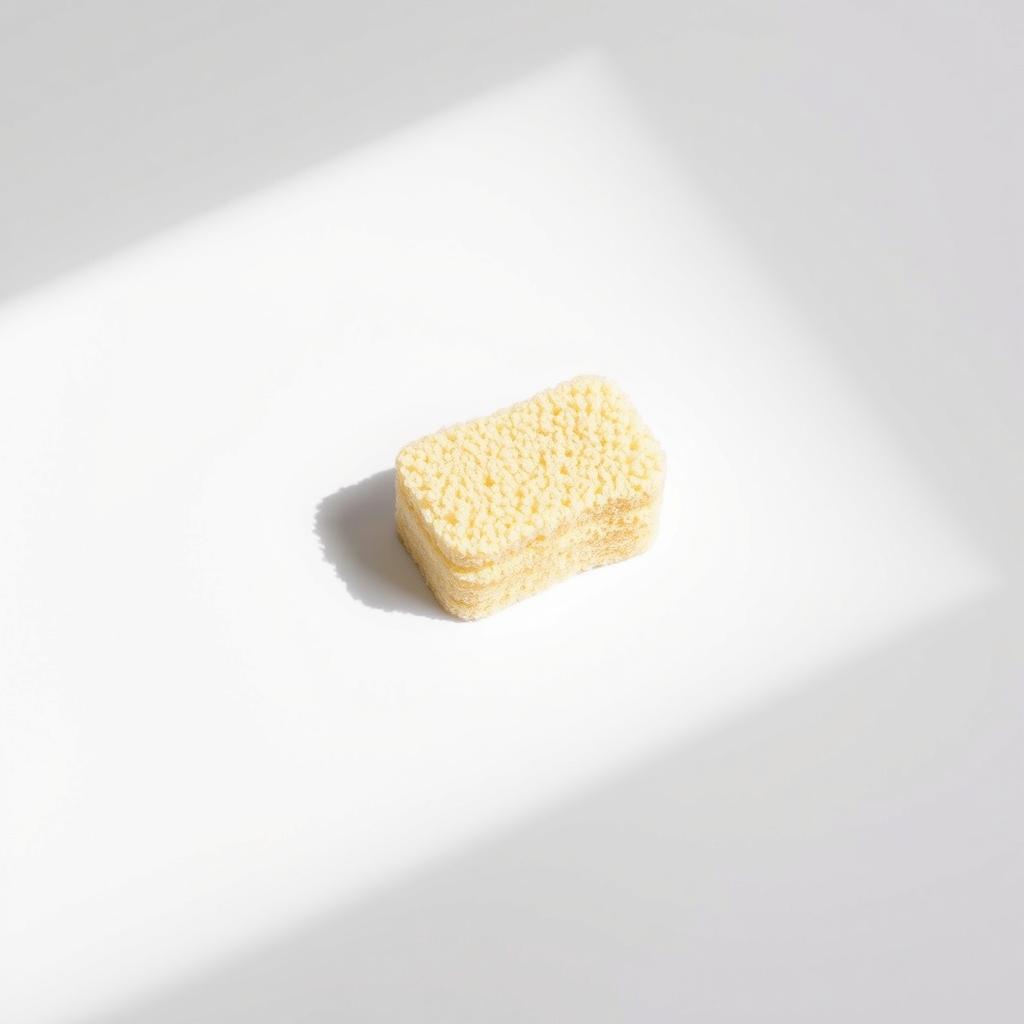
Non-scratch scrub sponge
Soft enough for acrylic and fiberglass
- Our pick Illustration
Non-abrasive tub and tile stain remover
For yellow that paste does not lift
Why it happens
Soap scum and body oil
Bar soap, shampoo and skin oil leave a film. Over weeks it turns from clear to cream to yellow, mostly near the waterline and the drain.
Hard-water minerals
Calcium and magnesium dry on the surface and trap the oily film. If you see white crust on the faucet, minerals are part of the story.
Iron or rust in the water
Water with iron leaves a yellow-orange tint under the faucet and around the drain. Rusty cans, razors and metal caddies on the tub edge leave spots too.
A bath mat that stays down
Rubber and vinyl mats hold damp against the tub. Over time they stain the surface underneath and grow a film of their own.
An old or worn finish
Acrylic and fiberglass can yellow with age, and harsh scouring wears away the glossy top layer so stains stick. Then the color is in the finish, not on it.
Try this first (free)
Do these in order, starting with the simplest.
-
Find out what your tub is made of
Acrylic and fiberglass feel warm and slightly flexible when you tap them. Porcelain enamel feels cold and hard. The first two scratch easily, so skip scouring powder, steel wool and stiff pads. If you have the care sheet, read it.
-
Wash off the loose scum
Tool used: Non-scratch scrub spongeWipe the tub with warm water and a few drops of dish soap. This removes the top layer of oil so the next step works on the stain, not the grime.
IllustrationCheck price on AmazonTool for this step
Non-scratch scrub sponge · Soft enough for acrylic and fiberglass
-
Spread a baking soda paste
Tool used: Baking sodaMix about half a cup of baking soda with just enough water to make a thick paste. Wearing gloves, spread it over the yellow areas and leave it for 15 minutes.
-
Scrub gently and rinse
Tool used: Rubber glovesRub in small circles with the sponge, then rinse with warm water until no grit is left. Dry with a towel to see the true color.
-
Treat what is left with a non-abrasive remover
Tool used: Non-abrasive tub and tile stain removerApply it to the stained spots, wait the time on the label, then wipe and rinse. Test it on a hidden spot first and keep the room ventilated.
IllustrationCheck price on AmazonTool for this step
Non-abrasive tub and tile stain remover · For yellow that paste does not lift
-
Stop the film coming back
Rinse the tub after the last bath of the day and wipe it dry. Liquid body wash rinses cleaner than bar soap, which helps most in hard-water homes.
When free fixes aren't enough
If the yellow comes off but returns within a month, the film is rebuilding faster than you clean, and a remover used monthly is easier than repeated scrubbing. If it will not budge after two rounds, the color may be in the finish itself, from aged acrylic or fiberglass. No cleaner fixes that. A tub refinishing kit or a professional reglaze is the next step. Orange or brown spots under the faucet point to iron in the water, so test the water.
Buy the fix
Still stuck after the free fixes? These are the products we would look at.
| Pick | Product | Fixes | Who it's for | Buy |
|---|---|---|---|---|
| Best pick | Non-abrasive tub and tile stain remover | yellow film and mineral staining that a paste only partly lifts | Anyone with set-in yellow, or who wants to spray and wipe instead of scrub. | Check price |
| Budget pick | Non-scratch scrub sponges | scratches caused by the wrong scrubber, which make yellow return faster | People whose tub is only lightly yellow and who already have baking soda at home. | Check price |
Non-abrasive tub and tile stain remover
Fixes: yellow film and mineral staining that a paste only partly lifts
Look for: Labeled safe for acrylic, fiberglass and porcelain tubs; Works on soap scum and hard-water film; No grit, so it will not dull the finish.
- Who it's for
- Anyone with set-in yellow, or who wants to spray and wipe instead of scrub.
- Honest downside
- The yellow is rust. Choose a rust remover instead. Also skip it if your tub maker bans any cleaner on the care sheet.
Non-scratch scrub sponges
Fixes: scratches caused by the wrong scrubber, which make yellow return faster
Look for: A soft surface that is safe on acrylic and fiberglass; Holds its shape when wet; Sold in a multipack so you replace it often.
- Who it's for
- People whose tub is only lightly yellow and who already have baking soda at home.
- Honest downside
- Your tub has deep yellow staining. A sponge alone will not lift it.
As an Amazon Associate I earn from qualifying purchases. We don't show prices because they change, so use the button to see today's price.
How we picked: How we picked: this page is based on bathtub care guides from tub makers, general cleaning advice for acrylic and porcelain, and the stains and fixes people report in reviews. We do not test products by hand.
Acrylic, fiberglass or porcelain: what your tub can take
- Acrylic: glossy and warm to the touch. Use soft sponges, mild cleaners and no abrasives.
- Fiberglass: similar to acrylic but often with a thin coating that scuffs. Treat it the same way.
- Porcelain enamel over steel or cast iron: cold and hard. It handles more scrubbing, but harsh grit still dulls it over years.
What to skip
Scouring powder, steel wool and bleach soaks
Gritty powders and steel wool scratch acrylic and fiberglass, and scratches hold dirt. Bleach can dull some finishes over time and does nothing for mineral or rust stains. Never mix bleach with vinegar, ammonia or other cleaners.
Frequently asked questions
Why is my white bathtub turning yellow even though I clean it?
Does baking soda whiten a yellow bathtub?
Can I use bleach on a yellow tub?
How do I keep my tub from turning yellow again?
Related problems
 Free fix inside
Bathroom · Bathtub Drain
Bathtub Not Draining? Clear the Hair Clog Without Harsh Chemicals
Read the fix Free fix inside
Bathroom · Bathroom Tile
Bathroom Tiles Turning White? That's Usually Hard Water Scale
Read the fix Free fix inside
Bathroom · Bathtub Surface
Cracked Bathtub? How to Seal Hairline Cracks With a Repair Kit
Read the fix Free fix inside
Bathroom · Bathtub Surface
Bathtub Peeling? What It Means and Whether a Refinishing Kit Works
Read the fixAs an Amazon Associate I earn from qualifying purchases. Affiliate disclosure